
Owning a hot tub is an investment in relaxation, stress relief, and personal wellness. However, like any significant asset, it requires ongoing maintenance to ensure its longevity and the safety of its users. Central to this maintenance is the proper use of chemicals, and understanding these needs is not just about hygiene; it’s also a crucial aspect of managing the financial commitment associated with your hot tub. Investing wisely in the right chemicals, understanding their purpose, and employing efficient purchasing strategies can significantly impact your overall hot tub ownership costs without compromising the quality of your experience. This article will guide you through the essential chemicals required for a hot tub and, more importantly, how to approach their acquisition and use from a financial perspective, ensuring you get the most value for your money while safeguarding your investment.
The Core Chemical Arsenal: Essential for Function and Longevity
The fundamental chemicals required for hot tub maintenance are not optional; they are critical for water sanitation, balance, and the protection of your hot tub’s components. Approaching these purchases with a strategic mindset can prevent unnecessary expenditure and extend the lifespan of your equipment. Understanding the “why” behind each chemical will empower you to make informed decisions, opting for cost-effective solutions that deliver optimal results.
Sanitizers: The Frontline Defense Against Contaminants
Sanitizers are the workhorses of hot tub water care, responsible for eliminating harmful bacteria, viruses, and algae that can quickly proliferate in warm, stagnant water. The choice of sanitizer often presents the first significant financial decision for a hot tub owner.
Chlorine vs. Bromine: A Cost-Benefit Analysis
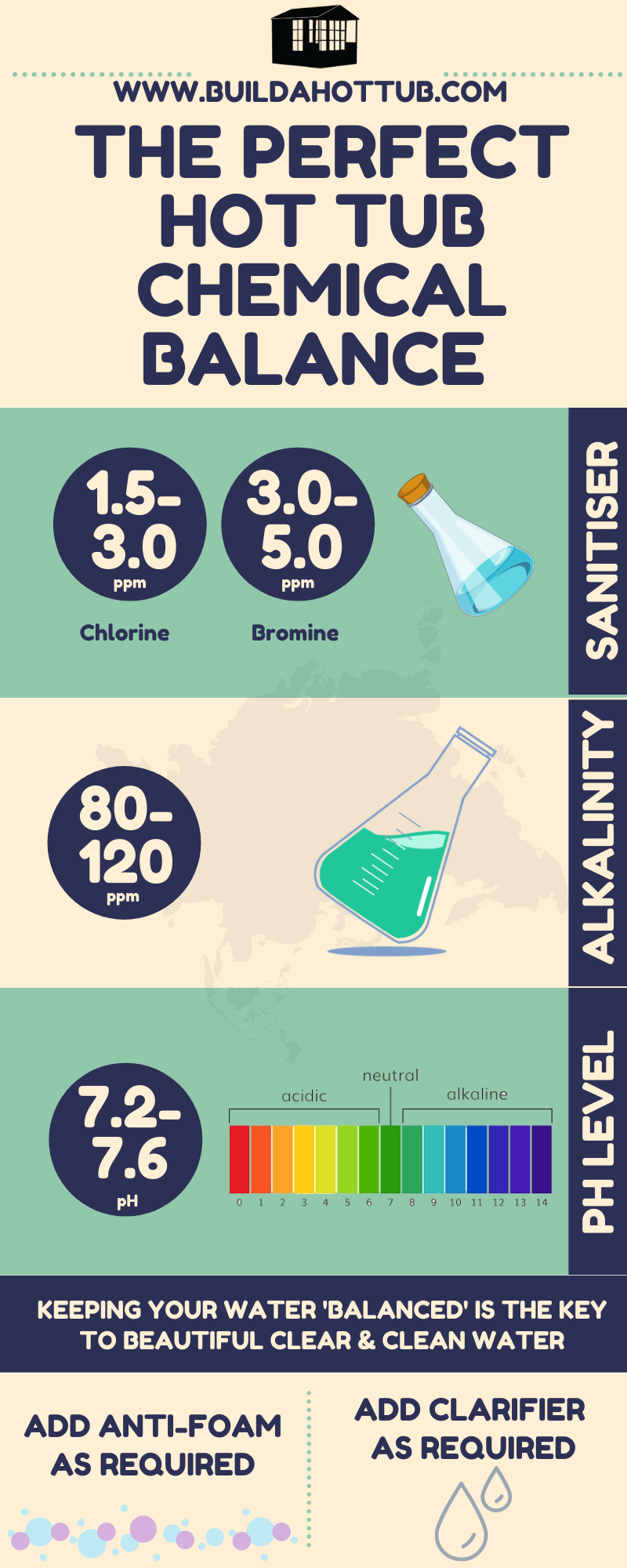
The two most common sanitizing agents are chlorine and bromine. Both are highly effective, but their pricing, handling, and impact on water chemistry can differ, influencing your long-term expenditure.
-
Chlorine: Generally the more budget-friendly option upfront. It’s widely available and comes in various forms, such as granular shock treatments and stabilized tablets. While effective, chlorine can be more volatile to pH fluctuations and can sometimes cause skin or eye irritation in sensitive individuals. Its efficacy can also be reduced by UV exposure, though this is less of a concern for covered hot tubs. The initial cost of chlorine is often lower than bromine, making it an attractive choice for budget-conscious owners. However, the potential need for more frequent shocking to maintain adequate levels and the possibility of higher consumption in warmer climates might slightly offset this initial saving.
-
Bromine: Typically more expensive than chlorine on an initial purchase basis. However, bromine is more stable at higher temperatures and less sensitive to pH swings, meaning it can maintain its sanitizing power more consistently. It’s also often perceived as being gentler on the skin and eyes. While the upfront cost of bromine tablets or granules might be higher, some users find that their overall consumption might be lower over time due to their enhanced stability, potentially leading to comparable or even slightly lower long-term costs. Furthermore, bromine doesn’t break down as quickly under heat, requiring less frequent “shocking” treatments, which can save on both product and labor.
When evaluating which sanitizer is more financially prudent for your specific situation, consider factors like your hot tub’s usage frequency, typical operating temperature, and your personal sensitivity. Purchasing in bulk can also significantly reduce the per-unit cost of either sanitizer.
pH Balancers: Maintaining Optimal Water Chemistry for Efficacy and Protection
Maintaining the correct pH level is crucial for the effectiveness of your sanitizer and the longevity of your hot tub’s components. Water that is too acidic or too alkaline can cause a range of problems, from skin irritation to corrosion.
pH Up and pH Down: Strategic Purchasing for Stability
-
Alkalinity Increaser (pH Up): This product, often sodium carbonate, is used to raise the pH level. Maintaining alkalinity within the ideal range (typically 8-12 ppm for hot tubs) acts as a buffer, preventing rapid swings in pH. Buying in larger quantities of alkalinity increaser can offer better value, as it’s a frequently used additive to maintain stability.
-
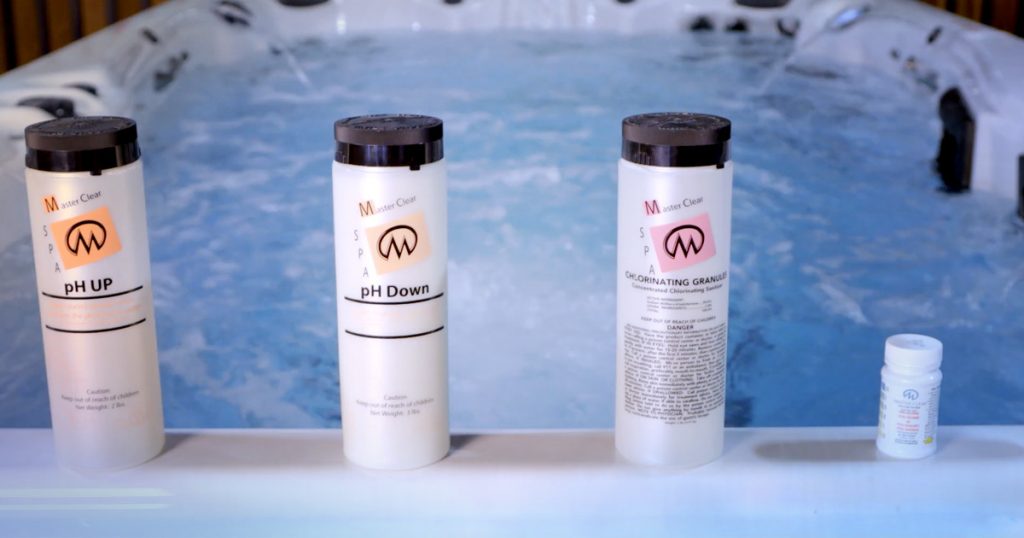
pH Reducer (pH Down): Typically a dry acid like sodium bisulfate or a liquid acid like muriatic acid, this is used to lower a high pH. While less frequently needed than pH increasers if your source water is balanced, it’s still essential. Purchasing a concentrated form can be more economical, as you’ll use less product per application.
Investing in a quality test kit is paramount. While the kits themselves are an initial outlay, they enable you to precisely measure pH levels, preventing the overuse of pH adjusters. Over-application of these chemicals is not only wasteful but can also lead to imbalances that require further costly interventions.
Oxidizers (Shock Treatments): Eliminating Contaminants and Restoring Clarity
Shock treatments, or oxidizers, are powerful agents used to break down organic contaminants (like body oils, lotions, and sweat) and to re-activate sanitizers that have become depleted.
Non-Chlorine Shock (Potassium Monopersulfate) vs. Chlorine Shock
-
Non-Chlorine Shock (NCS): Often a potassium monopersulfate-based product, NCS is a popular choice for its ability to oxidize contaminants without significantly raising chlorine levels. This is particularly beneficial for those sensitive to chlorine or who want to use their hot tub shortly after shocking. NCS is generally considered a premium product, with a slightly higher price point than chlorine shock. However, its effectiveness in breaking down dissolved organic matter without creating strong odors or irritating byproducts can justify the cost for many users, especially those using chlorine as their primary sanitizer, as it helps them maintain optimal levels without over-chlorinating.
-
Chlorine Shock: A concentrated form of chlorine, this is a more aggressive and often less expensive option for sanitizing. It’s effective at quickly raising sanitizer levels and oxidizing contaminants. For those using bromine as their primary sanitizer, chlorine shock is sometimes used to “super-chlorinate” the water periodically. While cheaper, its use can lead to strong chlorine odors and potentially more irritation if not managed carefully.
The decision between NCS and chlorine shock often comes down to a balance between cost and convenience/comfort. If you’re on a tight budget and your hot tub is primarily used by people without sensitivities, chlorine shock might be the more economical choice. However, if you value faster re-entry times and reduced chemical odor, the slightly higher cost of NCS can be a worthwhile investment in user experience.
Beyond the Basics: Ancillary Chemicals for Enhanced Performance and Protection
While the core chemicals focus on sanitation and balance, a range of ancillary products can enhance your hot tub experience, protect your investment, and simplify maintenance. Approaching these purchases with a focus on long-term value and necessity can prevent unnecessary spending.
Water Clarifiers and Flocculants: Achieving Crystal-Clear Water Economically
Cloudy water can be a symptom of various imbalances, and clarifiers or flocculants can help restore clarity.
Clarifiers vs. Flocculants: Understanding the Mechanisms and Costs
- Water Clarifiers: These products work by clumping together small, suspended particles that the filter might otherwise miss, making them larger and easier for the filter to trap. They are generally easier to use, as they don’t require vacuuming. They are typically a more gentle and proactive approach to combating minor cloudiness.
- Flocculants: These are more potent agents that cause particles to clump together and then settle to the bottom of the hot tub. While very effective for severe cloudiness, they require diligent vacuuming to remove the settled debris, a process that can be time-consuming and may require specific vacuum attachments. If not managed correctly, they can sometimes worsen the problem.
In terms of cost, clarifiers are often less expensive per application and easier to use, making them a good first line of defense against cloudy water. Flocculants might be more cost-effective for severe issues if you are diligent with vacuuming, but their application requires more effort and attention. For consistent, proactive maintenance, a good water clarifier is generally a more economical and less labor-intensive choice.
Scale and Stain Inhibitors: Protecting Your Investment from Mineral Buildup
Hard water can lead to scale formation on the hot tub’s surfaces and heating elements, reducing efficiency and potentially causing damage. Stain inhibitors prevent metallic ions from depositing on surfaces.
Proactive Prevention: The Cost Savings of Inhibitors
-
Scale Inhibitors: These chemicals bind with calcium and other minerals in the water, preventing them from precipitating out and forming scale. While an additional cost, regular use can prevent costly repairs or replacements of heating elements and pumps, which can be significantly more expensive than the inhibitor itself. The cost of a good scale inhibitor is typically a fraction of the cost of replacing a heater.
-
Stain Inhibitors: Similar to scale inhibitors, these prevent the deposition of metals like iron and copper, which can cause unsightly stains and damage. They are particularly useful if you have high mineral content in your source water.
Investing in these preventative chemicals is a prime example of how a small, recurring expense can yield significant long-term savings by protecting a much larger asset. The cost of these inhibitors is a fraction of the price of replacing a damaged heater element or a corroded pump. Regularly testing your water for mineral content will help you determine the necessity and optimal usage of these products, ensuring you’re not overspending but are adequately protected.
Defoamers: Addressing an Annoying and Potentially Costly Issue
Foam can be an unsightly and sometimes frustrating problem in a hot tub, often caused by body oils, lotions, and detergents.
Choosing the Right Defoamer for Immediate and Lasting Results
-
Silicone-Based Defoamers: These are generally the most effective and fast-acting. A small amount is typically all that’s needed to break down foam. They are designed to evaporate or dissipate quickly. While some consumers worry about silicone residue, reputable brands are formulated to be safe and non-accumulative.
-
Non-Silicone Defoamers: These options are available but are often less potent and may require more frequent application.
The cost of a quality defoamer is relatively low, and a single bottle can last a long time, especially if you practice good hygiene before entering the hot tub (rinsing off lotions and oils). The financial aspect here lies in preventing the issue before it becomes severe. Persistent foam can sometimes indicate other water chemistry problems that, if left unaddressed, could lead to more significant issues and costs. Therefore, a small investment in a defoamer can be a cost-effective way to maintain water clarity and prevent potential complications.
Smart Shopping and Usage Strategies: Maximizing Your Chemical Budget
Beyond understanding the purpose of each chemical, adopting smart shopping habits and efficient usage strategies is key to controlling costs without compromising water quality or safety.
Bulk Purchasing and Subscription Services: The Economics of Scale
One of the most effective ways to reduce your hot tub chemical expenses is through bulk purchasing. Many chemicals are stable for extended periods when stored correctly.
Identifying Opportunities for Savings
-
Wholesale Retailers and Online Marketplaces: Websites and stores specializing in pool and spa supplies often offer significant discounts when chemicals are purchased in larger quantities (e.g., 5-gallon buckets of sanitizer or large bags of shock). Even if you don’t use a large amount of a specific chemical over a few months, the per-unit cost savings can be substantial.
-
Subscription Services: Some retailers offer subscription models where you can have your essential chemicals delivered to your door on a regular schedule, often at a discounted rate. This ensures you never run out of crucial supplies and can help budget your chemical expenses more predictably. Compare the pricing of these services against your current purchasing habits to ensure they offer genuine savings.
-
Loyalty Programs and Coupons: Many pool and spa supply stores have loyalty programs that offer discounts or rewards for repeat customers. Keep an eye out for seasonal sales, coupons, and clearance items to further reduce your outlay.
Understanding Dosage and Application: Precision Prevents Waste
Over-dosing chemicals is a common and costly mistake. While it might seem like more is better, it can lead to over-treatment, imbalances, and wasted product.
Optimizing Application for Efficiency and Cost-Effectiveness
-
Read and Follow Instructions Diligently: Always adhere to the dosage recommendations provided by the chemical manufacturer and your hot tub owner’s manual. These are often based on water volume and specific treatment needs.
-
Invest in a Reliable Test Kit: As mentioned previously, a good quality test kit is non-negotiable. It allows you to accurately assess your water parameters before adding chemicals. This precision ensures you only add what’s necessary, preventing waste. Consider the long-term cost-effectiveness of a more advanced digital test kit if you find yourself frequently replacing disposable strips or if you desire greater accuracy.
-
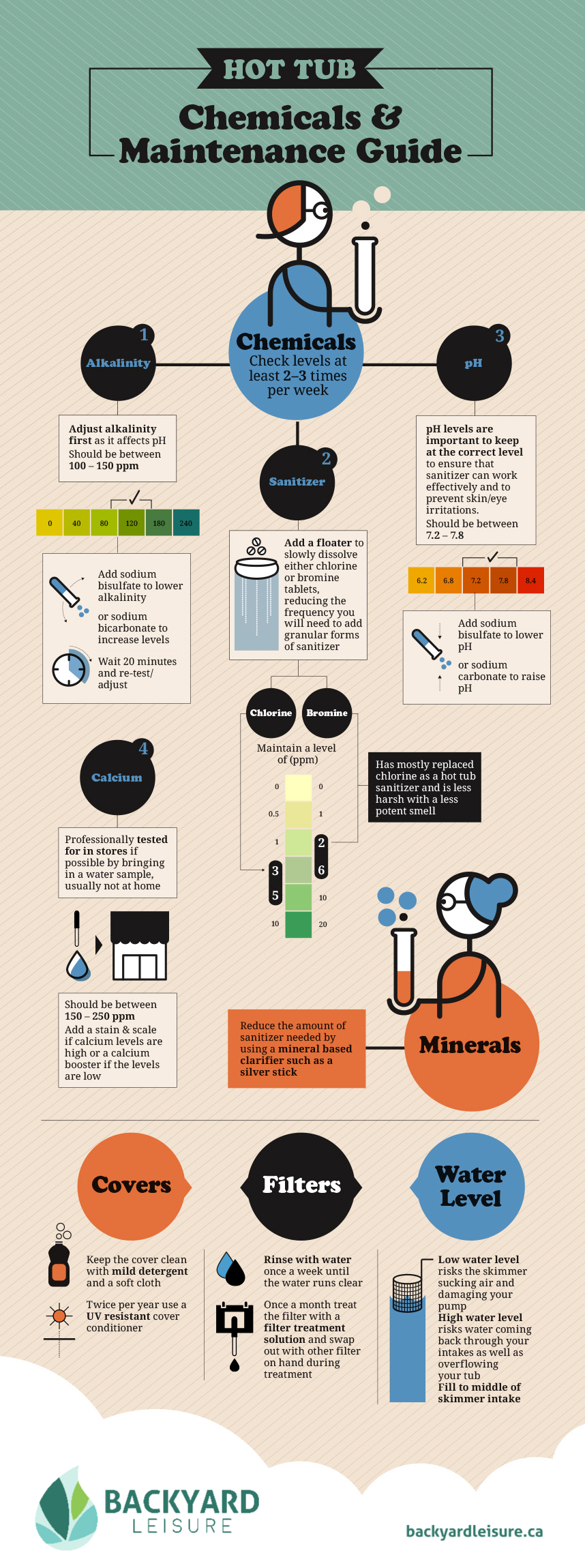
Regular Water Testing: Consistent testing (at least 2-3 times per week) allows you to catch imbalances early, before they become severe. Addressing minor issues promptly with the correct dosage of the appropriate chemical is far more cost-effective than trying to correct a major problem that has developed due to neglect.
By adopting a methodical approach to purchasing and application, you can significantly reduce the recurring cost of hot tub chemical maintenance. The initial investment in quality products and a good test kit will pay dividends through efficient usage, product longevity, and the avoidance of costly water issues or equipment damage. Ultimately, managing your hot tub chemicals wisely is an integral part of maximizing your enjoyment and return on investment from your personal oasis of relaxation.
aViewFromTheCave is a participant in the Amazon Services LLC Associates Program, an affiliate advertising program designed to provide a means for sites to earn advertising fees by advertising and linking to Amazon.com. Amazon, the Amazon logo, AmazonSupply, and the AmazonSupply logo are trademarks of Amazon.com, Inc. or its affiliates. As an Amazon Associate we earn affiliate commissions from qualifying purchases.