
The quest for optimal calorie expenditure during exercise is a common goal for individuals seeking to manage their weight, improve cardiovascular health, or enhance athletic performance. While many factors influence calorie burn – intensity, duration, individual metabolism, and body weight chief among them – the type of cardio equipment utilized also plays a significant role. Understanding which machines are most effective can help users optimize their workouts and achieve their fitness objectives more efficiently. This exploration delves into the science behind calorie expenditure on various cardio machines, offering insights to help you make informed choices for your fitness journey.
The Science of Calorie Burn: Understanding the Factors
Before examining specific equipment, it’s crucial to grasp the fundamental principles governing how many calories are burned during physical activity. Calorie expenditure, often measured in kilocalories (kcal), is a function of the body’s energy demands to perform work. This energy is primarily derived from the breakdown of carbohydrates and fats. The rate at which these fuels are consumed, and thus calories are burned, is influenced by several interconnected variables.
Intensity and Heart Rate
The intensity of an exercise is arguably the most critical determinant of calorie burn. Higher intensity workouts demand more from the cardiovascular system, leading to an elevated heart rate and increased oxygen consumption. The body requires more energy to sustain these higher physiological states, resulting in a greater calorie deficit. Heart rate is a direct, albeit indirect, measure of exercise intensity. For example, maintaining a heart rate at 70-85% of your maximum heart rate (MHR) will burn significantly more calories per minute than exercising at 50-60% of MHR. MHR is generally estimated as 220 minus your age. Therefore, pushing yourself to a higher intensity on any given piece of equipment will always yield a higher calorie burn.
Duration and Consistency
While intensity is key for maximizing calorie burn per minute, the duration of your workout plays an equally vital role in the overall calorie expenditure. A shorter, high-intensity session can be very effective, but a longer, moderate-intensity session can accumulate a substantial calorie burn over time. The key is consistency. Regular exercise, regardless of whether it’s high or moderate intensity, contributes to a sustained calorie deficit over weeks and months, which is crucial for long-term weight management. Combining both high and moderate intensity workouts within a weekly routine can provide a well-rounded approach to calorie burning.
Individual Physiology: Metabolism and Body Weight
It’s essential to acknowledge that not all individuals burn calories at the same rate, even when performing the exact same exercise at the same intensity and duration. Metabolism, the sum of chemical processes that occur within a living organism in order to maintain life, plays a significant part. A higher basal metabolic rate (BMR) – the number of calories your body burns at rest – means you’ll burn more calories during exercise as well. Factors influencing BMR include age, gender, muscle mass, and genetics. Furthermore, body weight is a direct factor. A heavier individual will generally burn more calories performing the same activity as a lighter individual because their body has to work harder to move a greater mass. This is why exercise calorie calculators often require users to input their body weight.
Top Calorie-Burning Cardio Equipment
When it comes to cardio equipment designed to maximize calorie expenditure, several contenders consistently rise to the top. These machines engage large muscle groups, allow for high-intensity intervals, and provide mechanisms for sustained aerobic effort. Their effectiveness often lies in their ability to simulate natural, demanding movements or to create significant resistance that challenges the body’s energy systems.
The Rowing Machine: A Full-Body Powerhouse
Rowing machines, or ergometers, are often cited as one of the most efficient calorie-burning cardio tools available. This is primarily due to their nature as a full-body workout. A properly executed rowing stroke engages the legs, core, back, and arms. This extensive muscle activation requires a substantial amount of energy, leading to a high rate of calorie expenditure.
Leg Drive and Upper Body Engagement
The power for a rowing stroke originates from the legs, through a powerful “drive.” This phase heavily recruits the quadriceps, hamstrings, and glutes, which are among the body’s largest muscle groups. As the body moves backward, the core muscles stabilize, and the back muscles engage to maintain posture and control. Finally, the arms pull the handle towards the chest, working the biceps, triceps, and shoulders. This coordinated effort across multiple major muscle groups elevates the overall metabolic demand.
Versatility for Intensity Variation
Rowing machines excel in their ability to accommodate a wide range of intensities. Users can perform long, steady-state rows at a moderate pace for sustained calorie burn, or they can incorporate high-intensity interval training (HIIT). HIIT on a rower involves short bursts of maximal effort followed by brief recovery periods, which can dramatically increase the total calories burned in a given timeframe and also boost post-exercise oxygen consumption (EPOC), often referred to as the “afterburn effect.” The resistance can typically be adjusted, allowing users to further tailor the challenge.
The Stair Climber: Mimicking Uphill Effort
The stair climber, also known as the stepper or stair mill, is another highly effective calorie-burning machine. It simulates the action of climbing stairs, a naturally demanding physical activity that engages the lower body and core. The constant, repetitive upward motion requires significant muscular effort and cardiovascular output.
Lower Body Dominance and Core Stability
The primary movers on a stair climber are the quadriceps, hamstrings, and glutes, which are worked intensely as you push upwards with each step. The calf muscles also contribute significantly. To maintain balance and stability on the moving steps, the core muscles – abdominals and obliques – are continuously engaged. This concentrated lower-body work, combined with the core engagement, leads to a substantial calorie burn.

Variable Speed and Resistance
Most modern stair climbers offer adjustable speed and resistance settings, allowing users to control the intensity of their workout. Increasing the speed or resistance will naturally elevate the heart rate and calorie expenditure. For those seeking to maximize calorie burn, consistently engaging in a challenging pace and, where applicable, a higher resistance setting is recommended. Some machines also offer pre-programmed workouts that vary the intensity, providing an excellent way to challenge the body and prevent plateaus.
The Elliptical Trainer: A Low-Impact, High-Output Option
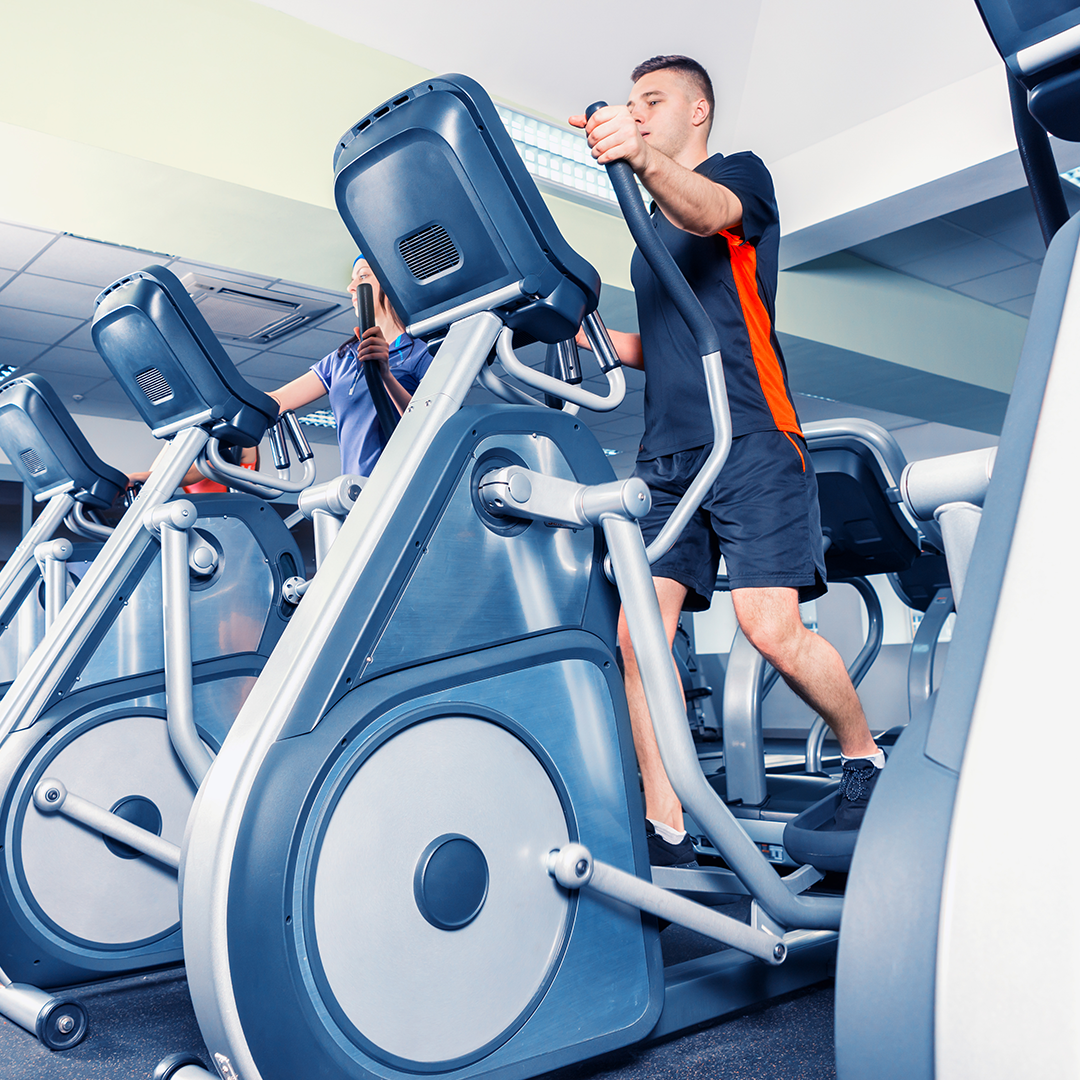
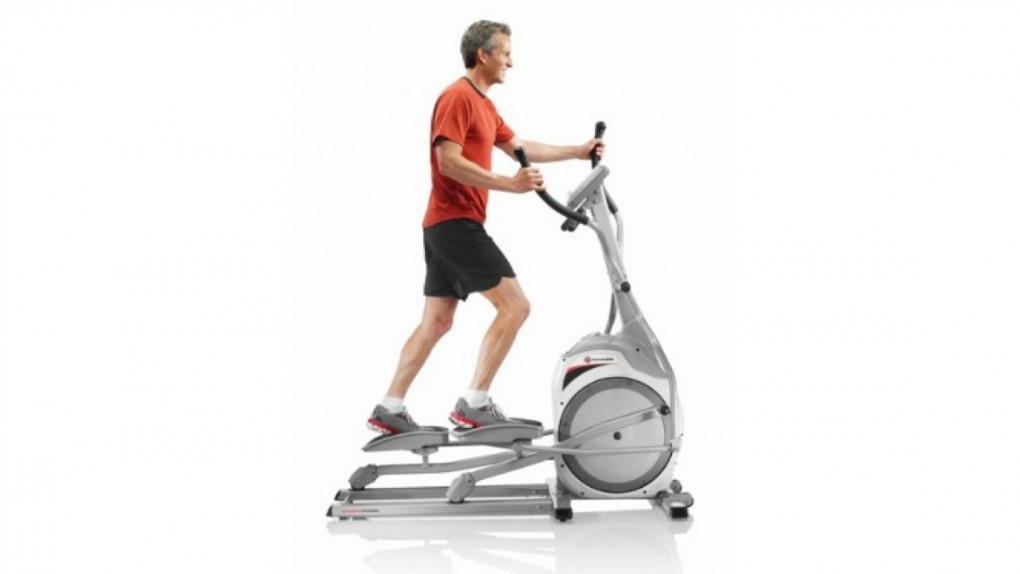
The elliptical trainer provides a unique balance of calorie burning potential and low-impact exercise. It simulates a running or walking motion but without the jarring impact on the joints, making it an attractive option for individuals with joint pain or those recovering from injuries. Despite its low-impact nature, it can deliver a significant calorie burn when used effectively.
Full Body Engagement with Moving Handles
Many elliptical trainers feature moving handlebars. When used in conjunction with the leg motion, these handlebars allow for upper body engagement, working the arms, shoulders, and back. This integration of upper and lower body movement increases the overall muscle recruitment and, consequently, the calorie expenditure. However, the effectiveness of the upper body engagement depends on the user actively pushing and pulling the handles with resistance.
Resistance and Incline Variations
The calorie-burning potential of an elliptical is significantly influenced by its resistance and incline settings. Increasing the resistance makes it harder to move the pedals, demanding more muscular effort and a higher heart rate. Similarly, many ellipticals offer incline adjustments, which mimic the feel of climbing hills. Engaging a higher incline further challenges the leg muscles, particularly the glutes and hamstrings, leading to a greater calorie burn. For maximum results, users should aim for higher resistance and incline levels that allow them to maintain a challenging but sustainable workout intensity.
The Treadmill: The Versatile Classic
The treadmill remains a cornerstone of cardio training and can be a highly effective calorie burner, provided it’s used with intention. Its versatility allows for a range of activities, from brisk walking to high-intensity running, each with varying calorie expenditure potential.
Walking vs. Running Intensity
Walking on a treadmill can burn a moderate number of calories, especially when a brisk pace and incline are incorporated. However, running significantly increases calorie expenditure due to the higher energy demands of a more explosive and continuous movement. The faster you run and the steeper the incline, the more calories you will burn.
The Power of Incline
One of the most underutilized features on a treadmill for calorie burning is the incline. Increasing the incline elevates the intensity of a walk or run dramatically, making it a much more challenging and calorie-consuming workout. Walking at a steep incline can burn as many calories as running on a flat surface for some individuals. Incorporating hills into your treadmill routine is a highly effective strategy for maximizing calorie burn without necessarily having to increase speed.
Choosing the Right Equipment for Your Goals
While certain machines inherently offer higher calorie burn potential, the “best” cardio equipment is ultimately the one that aligns with your individual fitness level, preferences, and goals, and that you will use consistently. The most effective calorie-burning workout is the one you complete.
Prioritizing Enjoyment and Consistency
If you dread using a particular piece of equipment, you are less likely to stick with it. For some, the rhythmic motion of a treadmill is enjoyable, while others find the full-body engagement of rowing more satisfying. Experimenting with different machines at a gym or through home equipment trials can help you discover what you genuinely enjoy. Consistency is paramount for long-term calorie deficit and health improvements.
Intensity, Duration, and Frequency: The Pillars of Success
Regardless of the machine chosen, manipulating intensity, duration, and frequency are the primary levers for increasing calorie burn. Aim for workouts that elevate your heart rate into your target zone (typically 70-85% of MHR for optimal calorie burn). Gradually increase the duration of your sessions as your fitness improves. Aim for at least 150 minutes of moderate-intensity or 75 minutes of vigorous-intensity aerobic activity per week, as recommended by health organizations, and consider increasing this for greater calorie expenditure.
Progressive Overload for Continued Results
To continue burning a high number of calories and avoid fitness plateaus, it’s essential to apply the principle of progressive overload. This means gradually increasing the challenge over time. On cardio equipment, this can involve increasing speed, resistance, incline, duration, or the intensity of your intervals. By continually pushing your limits, you ensure your body remains challenged and continues to adapt, leading to sustained calorie expenditure and improved fitness.
aViewFromTheCave is a participant in the Amazon Services LLC Associates Program, an affiliate advertising program designed to provide a means for sites to earn advertising fees by advertising and linking to Amazon.com. Amazon, the Amazon logo, AmazonSupply, and the AmazonSupply logo are trademarks of Amazon.com, Inc. or its affiliates. As an Amazon Associate we earn affiliate commissions from qualifying purchases.