
The blinking LEDs on your router, the hum of your server rack, the whirring fans of your gaming PC – these are the audible and visible signs of our modern technological lives. Yet, beneath the sleek exteriors of our gadgets and the complex architectures of our digital networks lies a fundamental, often overlooked, element: electricity. And at the heart of every electrical system, from the smallest smart device to the most expansive data center, are the wires that carry the power. Among these, the red and black wires in an electrical panel, while seemingly simple, hold crucial significance. Understanding their roles is not just a matter of technical curiosity; it’s fundamental to comprehending how our digital world is powered, maintained, and secured.

This article will delve into the world of electrical wiring within the context of technology, explaining the function and importance of red and black wires in electrical panels. We will explore their standard color coding, the safety implications, and how their proper application contributes to the reliable operation of our technology.
The Foundation of Electrical Flow: Understanding Wire Color Codes
Electrical systems, especially those supporting technological infrastructure, rely on a standardized system of color coding to ensure safety, facilitate maintenance, and prevent costly mistakes. The red and black wires, along with others, serve as vital indicators of their specific function within a circuit. This standardization is not arbitrary; it’s born from decades of experience and has been refined to minimize the risk of electrical shock, short circuits, and equipment damage.
Black Wires: The “Hot” Conductors
In most North American electrical systems, black wires are designated as “hot” or “live” conductors. This means they carry the electrical current from the power source to the device or appliance. Think of them as the main arteries of the electrical system, delivering the raw energy needed for your technology to function.
- Primary Function: The primary role of a black wire is to be a current-carrying conductor. When you flip a light switch or power on a computer, it’s the black wire that’s completing the circuit, allowing electrons to flow.
- Voltage Carriers: These wires are always energized when the circuit is active and the breaker is on. This is why coming into contact with a bare black wire can be extremely dangerous, leading to severe electrical shock.
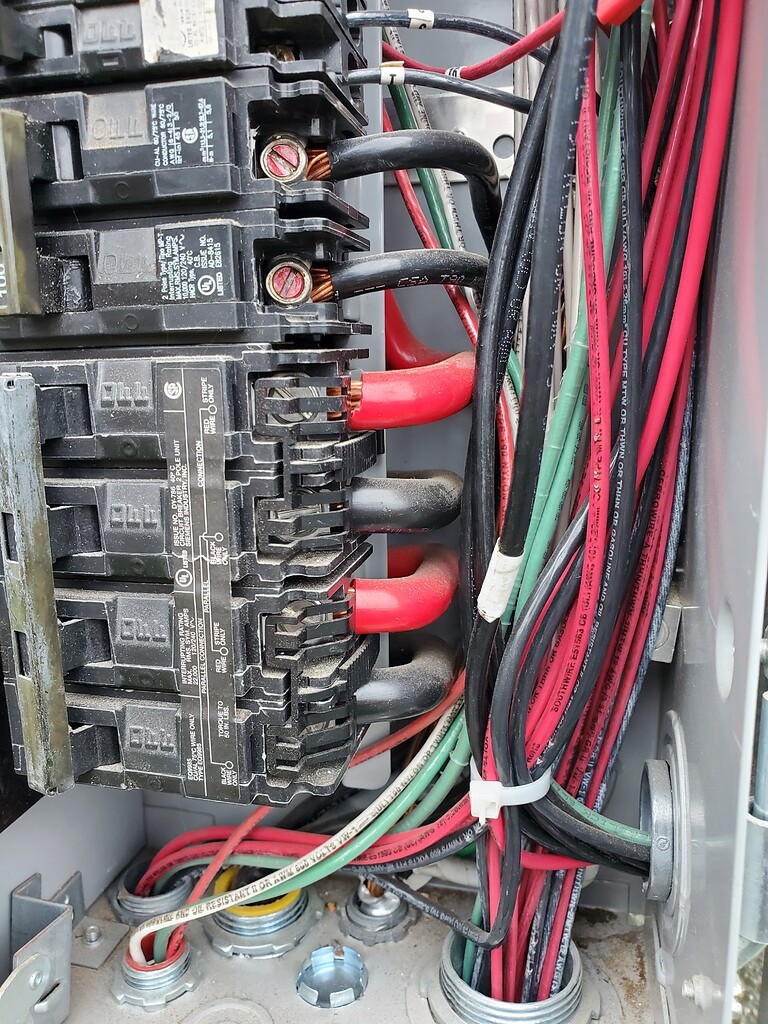
- Connection Points: Black wires are typically connected to the various circuit breakers in an electrical panel. Each breaker acts as a safety switch, capable of interrupting the flow of electricity if an overload or short circuit occurs. From the breaker, the black wire then runs to the outlet or directly to the electrical component it serves.
- Multiple Black Wires: In more complex systems, you might encounter multiple black wires within a single conduit or junction box. This often indicates multiple circuits or different phases of power. In multi-wire branch circuits, for example, two or more black wires can share a neutral but have different hot conductors, each protected by its own breaker. This is common in higher-demand applications.
Red Wires: Versatility and Additional Power Delivery
While black wires are the most common “hot” conductors, red wires also play a significant role, particularly in systems that require more than a single hot conductor or for specific signaling and control purposes. Their presence often signifies a more sophisticated electrical setup, which is increasingly prevalent in technologically advanced environments.
- Second “Hot” Conductor: In 240-volt circuits, which are common for high-power appliances like large air conditioning units or industrial machinery, you will often find a black wire and a red wire operating as the two “hot” conductors. These two hot wires work in tandem, with opposite polarities, to deliver the higher voltage.
- Multi-Wire Branch Circuits (MWBCs): Red wires are frequently used alongside black wires in Multi-Wire Branch Circuits (MWBCs). In an MWBC, two or three ungrounded (hot) conductors share a single neutral conductor. This is an efficient way to wire multiple circuits from a single run of cable, saving on materials and installation time. The red wire in this context serves as an additional hot conductor, distinct from the black one, and is typically connected to a separate breaker.
- Control and Signaling: Beyond power delivery, red wires can also be used for control circuits, signaling, or communication within integrated technological systems. For instance, in some industrial automation or building management systems, red wiring might be used to indicate alarm states, operational status, or for low-voltage control signals. This application is distinct from high-power delivery but is still a critical function within the broader tech ecosystem.
- Distinguishing Circuits: The use of red wires can help electricians and technicians visually distinguish between different circuits or phases of power, aiding in troubleshooting and maintenance. This visual differentiation is crucial in complex electrical panels where numerous wires are present.
Safety First: Understanding the Implications of Wire Functionality
The distinct roles of red and black wires are paramount for electrical safety. Mishandling these wires, or misinterpreting their functions, can lead to dangerous situations, including electrocution, fire, and damage to sensitive electronic equipment.
Identifying Potential Hazards
- Energized Conductors: Both black and red wires are considered “hot” conductors when a circuit is live. This means they carry dangerous levels of voltage. Any direct contact with the conductive material of these wires without proper insulation can result in a severe electrical shock. The severity of the shock depends on the voltage, current, and the path the electricity takes through the body.
- Short Circuits: A short circuit occurs when a “hot” wire (black or red) comes into contact with a neutral wire or a ground wire, or with another “hot” wire of a different phase, creating a low-resistance path. This can cause a massive surge of current, leading to overheating, sparking, potential fires, and damage to electrical components.
- Equipment Damage: Incorrect wiring, such as connecting a hot wire to a sensitive electronic device that is not designed to handle that voltage or polarity, can instantly destroy the equipment. This is particularly critical in the realm of technology, where components can be extremely sensitive and expensive.
The Importance of Professional Handling and Maintenance
- Qualified Electricians: All work involving electrical panels and wiring, including the identification and connection of red and black wires, should be performed by qualified and licensed electricians. They possess the knowledge, tools, and safety protocols necessary to work with live electrical systems.
- Lockout/Tagout Procedures: In industrial and data center environments, strict lockout/tagout (LOTO) procedures are essential before any electrical work begins. This process ensures that the power to the circuit is de-energized and cannot be accidentally re-energized while work is in progress, significantly reducing the risk of accidents.
- Regular Inspections: Periodic inspections of electrical panels and wiring by professionals are vital. These inspections can identify potential issues such as frayed insulation, loose connections, or improper wiring before they escalate into hazardous situations. This proactive approach is crucial for maintaining the uptime and reliability of technological systems.
- Understanding Breaker Panels: The circuit breakers in an electrical panel are directly linked to the wires originating from them. Understanding which breaker controls which circuit, and the associated wire colors, is a fundamental aspect of electrical safety and troubleshooting. When a breaker trips, identifying the circuit it controls and the associated wiring (including red and black wires) is the first step in diagnosing the problem.
Wiring in the Technological Ecosystem: Beyond the Residential Outlet
While the basic principles of red and black wires apply across all electrical systems, their role becomes even more critical and nuanced within the technological ecosystem, from home offices to massive data centers. The demand for reliable, high-capacity power to support our digital lives necessitates sophisticated electrical infrastructure, where understanding wire functions is non-negotiable.
Powering Your Digital Workspace
In a home office or a small business, the electrical panel might seem straightforward, but the sheer number of devices drawing power – computers, monitors, printers, routers, external drives, charging stations – demands robust wiring.
- Dedicated Circuits: For high-power devices like dedicated servers, powerful workstations, or even high-end gaming rigs, electricians often recommend dedicated circuits. This means a single circuit breaker exclusively powers that device or group of devices. The wiring for these circuits will typically involve black wires as the primary hot conductors, ensuring stable power delivery.
- Surge Protection Integration: Modern technological setups often integrate surge protectors and uninterruptible power supplies (UPS) into the electrical chain. The wiring connecting these devices back to the panel, and from the panel to the devices, relies on the correct identification of hot and neutral lines, where black wires typically represent the hot.
- Network Infrastructure Power: The power that fuels your network switches, routers, and wireless access points is delivered through standard electrical outlets, all originating from circuits managed by the electrical panel. The black wires feeding these outlets are the silent enablers of your internet connectivity and data flow.
The Backbone of Data Centers and Enterprise IT
In the realm of data centers, where servers hum 24/7, powering vast arrays of computing hardware, the electrical systems are incredibly complex and critical. Here, the careful management and understanding of wire functions, including red and black, are paramount.
- Redundant Power Feeds: Data centers employ redundant power systems to ensure continuous operation even if one power source fails. This often involves multiple incoming power feeds and intricate wiring configurations within the electrical panels and power distribution units (PDUs). Red wires can be instrumental in identifying distinct power feeds or phases in these redundant systems.
- High-Density Power Distribution: The density of equipment in data centers means that electrical distribution must be highly efficient. Multi-wire branch circuits, where red and black wires might share a neutral, can be employed to deliver power to banks of servers, optimizing cable management and installation.
- Specialized Electrical Systems: Beyond standard AC power, data centers often utilize specialized electrical systems, including DC power for certain server components or backup generator systems. The wiring for these systems, while potentially using different color codes for specific applications, still builds upon the fundamental understanding of hot, neutral, and ground conductors, where black and red wires often play recurring roles in signifying “hot” connections.
- Monitoring and Control: Modern data centers integrate sophisticated monitoring systems to track power usage, temperature, and equipment status. The wiring associated with these monitoring systems, which might include low-voltage signaling and control wires, often utilizes specific color coding, where red could signify active alerts or specific operational states, complementing the power delivery functions.
In essence, the red and black wires in an electrical panel are more than just colored conductors; they are integral components of the technological infrastructure that powers our modern world. Their standardized roles, their connection to safety protocols, and their versatile applications in both simple and complex systems underscore their fundamental importance in the ongoing evolution of technology. Understanding these basic electrical principles provides a deeper appreciation for the intricate web of systems that keep our digital lives running smoothly and securely.
aViewFromTheCave is a participant in the Amazon Services LLC Associates Program, an affiliate advertising program designed to provide a means for sites to earn advertising fees by advertising and linking to Amazon.com. Amazon, the Amazon logo, AmazonSupply, and the AmazonSupply logo are trademarks of Amazon.com, Inc. or its affiliates. As an Amazon Associate we earn affiliate commissions from qualifying purchases.