
The world of gaming hardware is in constant flux, with new consoles and incremental upgrades arriving with remarkable regularity. For many, the allure of the next generation, the promise of enhanced graphics, faster loading times, and entirely new gameplay experiences, is a powerful draw. Microsoft, a titan in the gaming industry, has consistently been at the forefront of this evolution with its Xbox brand. While the current generation, Xbox Series X and Series S, have established themselves firmly in the market, the question on every gamer’s lips is: “What’s the new Xbox?” This isn’t just about a single, monolithic console; it’s about understanding Microsoft’s evolving strategy, the technological advancements driving it, and the potential future directions that will shape how we play.
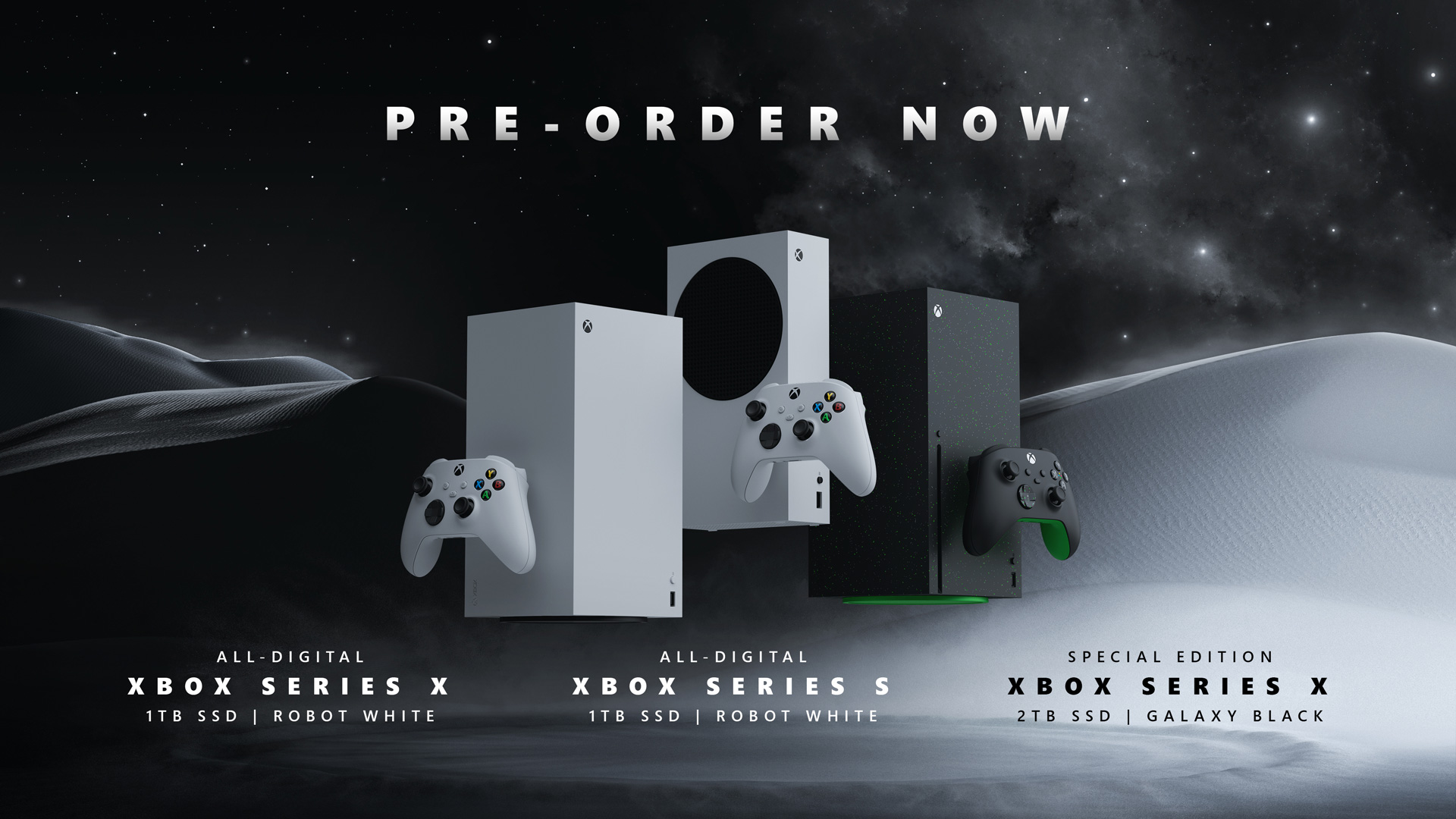
The Current Landscape: Xbox Series X and S – A Foundation of Power and Accessibility
Before we speculate on what’s next, it’s crucial to understand the foundation upon which any new Xbox will be built. The Xbox Series X and Series S, launched in late 2020, represent a significant leap forward in console gaming. They are not merely iterative upgrades but represent a dual-pronged approach designed to cater to a broader audience and a wider range of gaming preferences.
Xbox Series X: The Pinnacle of Performance
The Xbox Series X is Microsoft’s flagship console, engineered for ultimate performance and visual fidelity. At its core lies a custom-designed AMD Zen 2 CPU and RDNA 2 GPU, delivering unprecedented processing power. This translates into tangible benefits for gamers:
- Ray Tracing: This revolutionary lighting technology creates incredibly realistic reflections, shadows, and global illumination, adding a new layer of immersion to game worlds. From the glint of sunlight on a rain-slicked street to the subtle bounce of light in a dark cave, ray tracing elevates visual realism.
- 4K Resolution at 120 Frames Per Second (FPS): The Series X can render games at a stunning 4K resolution while simultaneously achieving a fluid 120 FPS. This combination offers unparalleled visual clarity and incredibly smooth gameplay, crucial for fast-paced action titles where split-second reactions matter.
- 8K Capabilities: While 4K is the current standard, the Series X is also capable of outputting at 8K, future-proofing it for displays that are becoming increasingly common.
- Ultra-Fast SSD: The custom NVMe SSD dramatically reduces loading times, often to mere seconds, eliminating the frustrating waits that plagued previous generations. This seamless transition between games, menus, and in-game areas enhances the overall gaming flow.
- Backward Compatibility: A key strength of the Xbox ecosystem, the Series X offers robust backward compatibility with thousands of titles from previous Xbox generations (Xbox One, Xbox 360, and original Xbox). Many older games even receive enhancements like higher resolutions and faster frame rates through the console’s processing power.
Xbox Series S: The Entry Point to Next-Gen Gaming
The Xbox Series S offers a compelling alternative, focusing on accessibility and affordability without sacrificing the core next-gen experience. It’s designed for gamers who may not have a 4K TV or prioritize raw power over budget.
- Targeting 1440p Resolution: While not aiming for native 4K like the Series X, the Series S targets a crisp 1440p resolution, which still looks excellent on most modern displays, including many 1080p TVs.
- Up to 120 FPS: Similar to its more powerful sibling, the Series S can also achieve 120 FPS, ensuring a smooth and responsive gaming experience.
- Same Next-Gen Architecture: Crucially, the Series S shares the same CPU architecture and SSD technology as the Series X. This means it benefits from the same reduced loading times and improved game performance, even if the graphical output is scaled back.
- All-Digital Design: The Series S is an all-digital console, meaning it lacks a disc drive. This aligns with the growing trend of digital game ownership and contributes to its more compact form factor and lower price point.
- Game Pass Optimized: The Series S is an ideal companion for Xbox Game Pass, offering an affordable way to access a vast library of games without the need for physical media.
The Evolution of the Xbox Ecosystem: Beyond Hardware
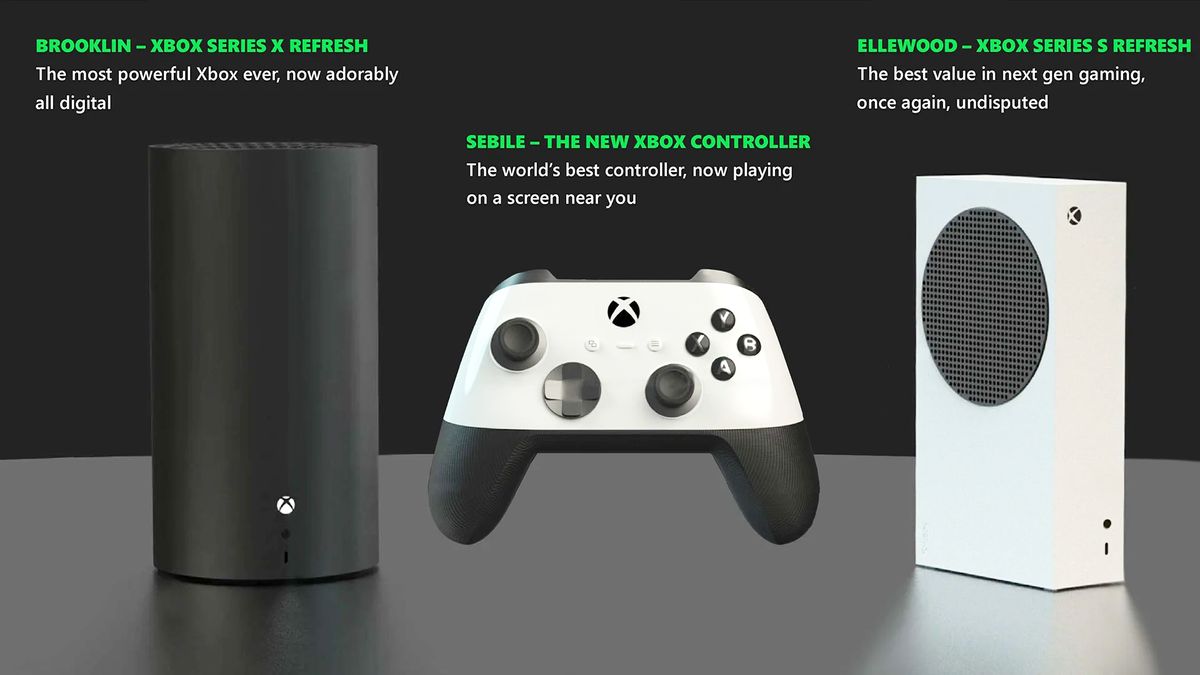
Microsoft’s vision for the future of gaming extends far beyond just the hardware itself. The “new Xbox” isn’t solely defined by a physical box, but by the interconnected ecosystem of services, software, and cloud technology that surrounds it. This holistic approach is what truly sets Microsoft apart and hints at the direction of future innovations.
Xbox Game Pass: The Netflix of Gaming
Xbox Game Pass has become a cornerstone of Microsoft’s gaming strategy, fundamentally altering how players access and consume games.
- Vast Library of Games: Game Pass offers a rotating library of hundreds of games, including day-one releases of all Xbox Game Studios titles. This means that major new games from studios like Bethesda and future Activision Blizzard titles (following acquisition) will be available on Game Pass from launch, a significant value proposition.
- Cross-Platform Play and Progression: Many Game Pass titles support cross-platform play, allowing players to compete or cooperate with friends on different Xbox consoles and PC. Cloud saves ensure that progress is synced across devices, providing a seamless experience.
- PC and Cloud Gaming: Game Pass extends beyond the console, offering a PC version and the ability to stream games to mobile devices and other compatible hardware via Xbox Cloud Gaming (formerly Project xCloud). This “play anywhere” philosophy is a key component of Microsoft’s future vision.
- Subscription Tiers: The service offers various tiers, including Game Pass Console, Game Pass PC, and Game Pass Ultimate, which bundles console and PC access with cloud gaming and Xbox Live Gold (now Xbox Game Pass Core). This tiered approach caters to different user needs and budgets.
Xbox Cloud Gaming: Unleashing Gaming on Any Device
Xbox Cloud Gaming is perhaps the most transformative element of Microsoft’s current and future gaming strategy. It leverages the power of remote servers to stream games directly to users, bypassing the need for high-end local hardware.
- Accessibility for All: This technology democratizes gaming, allowing players with less powerful devices, such as smartphones, tablets, and even older PCs, to experience AAA titles with high fidelity.
- Instant Play: Cloud gaming offers near-instantaneous access to games. Instead of downloading and installing large files, players can jump directly into a game, reducing the barrier to entry and encouraging exploration of new titles.
- Seamless Transition: The ability to start a game on one device and seamlessly pick it up on another is a major advantage. Imagine playing a few levels on your Xbox at home and then continuing your progress on your tablet during your commute.
- The Future of Hardware Agnosticism: While dedicated consoles will likely remain a significant part of the gaming landscape, cloud gaming hints at a future where hardware becomes less of a determining factor in accessing high-quality gaming experiences.
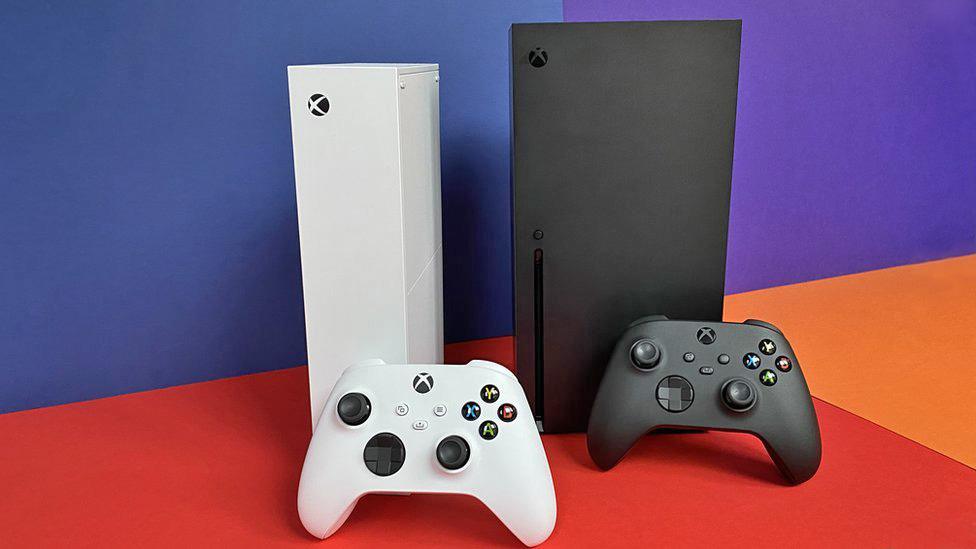
Xbox Series X/S Successor: What’s Next on the Horizon?
The question of “What’s the new Xbox?” inevitably leads to speculation about the next generation of dedicated hardware. While Microsoft is notoriously tight-lipped about unannounced products, industry trends and strategic positioning offer clues.
- Continued Focus on Ecosystem Integration: Any new Xbox console will undoubtedly be designed with deep integration into the Xbox ecosystem, particularly Game Pass and cloud gaming. We can expect new hardware to be optimized for these services, potentially offering features that enhance the cloud gaming experience.
- Potential for Hybrid Approaches: The success of both dedicated consoles and cloud streaming might lead Microsoft to explore hybrid solutions. This could involve consoles that are more heavily reliant on cloud-powered features or even a future where the lines between dedicated hardware and cloud streaming blur further.
- Advancements in Processing Power and Efficiency: While incremental gains are expected, future consoles will likely push the boundaries of processing power, enabling even more visually stunning and complex game worlds. Emphasis on power efficiency will also be crucial, both for environmental reasons and to manage heat and noise in home entertainment setups.
- New Input Methods and Immersive Technologies: As VR and AR technologies continue to evolve, it’s plausible that future Xbox hardware could incorporate or better support these immersive experiences. Innovations in controller technology and haptic feedback could also lead to more engaging gameplay.
- The Role of AI: Artificial intelligence is poised to play an increasingly significant role in game development and the gaming experience itself. Future Xbox consoles might leverage AI for more dynamic NPCs, procedurally generated content, and personalized gameplay experiences.
In conclusion, the question of “What’s the new Xbox?” is multifaceted. It encompasses the powerful and accessible current generation of consoles, the transformative ecosystem of Xbox Game Pass and cloud gaming, and the exciting possibilities of future hardware. Microsoft’s strategic vision is clear: to make high-quality gaming accessible to more people, on more devices, and in more ways than ever before. The journey ahead promises to be one of continued innovation, pushing the boundaries of what’s possible in the world of interactive entertainment.
aViewFromTheCave is a participant in the Amazon Services LLC Associates Program, an affiliate advertising program designed to provide a means for sites to earn advertising fees by advertising and linking to Amazon.com. Amazon, the Amazon logo, AmazonSupply, and the AmazonSupply logo are trademarks of Amazon.com, Inc. or its affiliates. As an Amazon Associate we earn affiliate commissions from qualifying purchases.