
For individuals blessed with a crown of curls, the relationship with their hair is often a complex dance of love, frustration, and endless experimentation. From defining ringlets to battling frizz, managing curly hair is a unique journey. Enter the keratin treatment – a popular salon service often lauded for its transformative effects. But what exactly does this treatment do to curly hair, and how can we understand its impact through the multifaceted lenses of technology, brand strategy, and personal finance? This article will delve deep into the science, the image, and the economics of keratin treatments, offering a comprehensive guide for anyone contemplating this significant hair decision.

At its core, a keratin treatment is a chemical process designed to smooth, de-frizz, and often straighten hair. Keratin, the primary protein component of hair, is infused into the hair cuticle, temporarily altering its structure. For curly hair, this can mean a dramatic shift in texture, manageability, and appearance. However, the exact outcome, longevity, and overall experience are influenced by more than just the stylist’s skill; they are intricately tied to advancements in hair science, the marketing narratives surrounding these treatments, and the financial implications of choosing such a service.
The Science Behind the Smooth: A Tech Perspective on Keratin
Understanding what a keratin treatment does to curly hair begins with a dive into its scientific and technological underpinnings. The effectiveness and safety of these treatments are directly linked to the evolving chemical formulations and the innovative tools used in their application. Through a tech lens, we can appreciate the molecular engineering that allows for temporary straightening and frizz reduction, as well as envision the future of personalized hair care.
Molecular Magic: How Keratin Transforms Curls
At a microscopic level, curly hair possesses a unique elliptical cross-section and an uneven distribution of disulfide bonds, which are responsible for its natural curl pattern. Traditional keratin treatments work by applying a liquid keratin solution, often containing a formaldehyde-releasing agent (like methylene glycol), to the hair. When heat is applied (typically with a flat iron), these agents create a temporary “cage” around the hair shaft, sealing the keratin into the cuticle. This process essentially relaxes the disulfide bonds, causing the hair to take on a straighter, smoother form.
The technological leap in recent years has focused on developing formaldehyde-free or low-formaldehyde alternatives. These newer formulations often utilize glyoxylic acid or other aldehyde derivatives, which still facilitate the smoothing process but with reduced health risks and milder fumes. While they may offer less dramatic straightening for very tight curls, they represent a significant advancement in product safety and client comfort. This continuous refinement in chemical engineering highlights how tech trends in material science directly influence beauty products, making them safer and more accessible to a broader audience. The choice between different formulations is a prime example of a technology-driven decision, impacting both the desired aesthetic outcome and the user’s well-being.
Digital Diagnostics & Application Innovations
Beyond the chemicals, technology plays an increasing role in the diagnostic and application phases of keratin treatments. Salons are slowly beginning to adopt more sophisticated tools for hair analysis. Imagine a future where AI-powered apps or smart scalp scanners could precisely assess your hair’s porosity, elasticity, and damage level, recommending the exact keratin formulation and application technique for optimal results. While not yet mainstream, the foundations for such “digital dermatrichology” are being laid. These technologies promise to personalize treatments, minimizing potential damage and maximizing desired effects.
Furthermore, the tools used in the salon are constantly evolving. Advanced flat irons with precise temperature controls, ceramic or tourmaline plates that distribute heat more evenly, and even specialized brushes designed to penetrate hair strands more effectively all contribute to a superior application experience. These gadgets, often incorporating smart sensors and ergonomic designs, exemplify how technological innovation in seemingly simple tools can significantly impact the efficacy and longevity of a professional hair treatment. The goal is consistent, controlled heat and product distribution, which is critical for the success of a keratin treatment on curly hair without causing excessive dryness or breakage.
The Tech of Aftercare: Maintaining Your Investment
The impact of technology doesn’t end when you leave the salon chair. Maintaining a keratin treatment on curly hair requires specific aftercare products, many of which are themselves products of advanced scientific research. Sulfate-free shampoos and conditioners, often infused with additional keratin or hydrating agents, are crucial for extending the life of the treatment. These aren’t just buzzwords; they represent specific chemical formulations designed to cleanse without stripping the keratin from the hair shaft.
Moreover, the rise of smart hair care apps can help clients track their treatment longevity, remind them of essential aftercare steps, or even connect them with stylists for virtual consultations. Advanced at-home styling tools, such as infrared flat irons or ionic blow dryers, can help maintain the smoothness and shine without over-processing the hair. The ongoing tech narrative in hair care ensures that the initial investment in a keratin treatment is supported by a continuous ecosystem of smart products and digital resources designed for optimal longevity and hair health.
Crafting Your Image: The Brand Impact of Keratin-Treated Hair
The decision to undergo a keratin treatment is rarely purely scientific; it’s often deeply intertwined with personal image, social perception, and the powerful influence of branding. From how individuals perceive themselves to how salons market their services, the “Brand” aspect of keratin treatments for curly hair is a compelling study in beauty, confidence, and reputation.
Personal Branding: Confidence, Professionalism, and Social Presence
For many with curly hair, managing frizz and achieving a consistent look can be a daily struggle. A keratin treatment can offer a respite, transforming unruly curls into smoother, more manageable waves or even straight hair. This newfound ease and polished appearance can significantly impact an individual’s personal brand. Imagine the confidence boost of waking up with sleek hair, ready for a professional meeting or a social gathering without hours of styling. This impacts not just self-esteem but also how one is perceived in various environments.
In the age of social media, hair plays a crucial role in one’s digital persona. Smooth, shiny hair can enhance selfies, video calls, and overall online presence, aligning with aesthetic trends often promoted by influencers. For individuals whose careers benefit from a polished appearance – be it in media, sales, or public relations – a keratin treatment can be viewed as an investment in their professional image, a tool for crafting a consistent and impressive personal brand. The reduction of frizz and increased shine not only looks good but often feels good, contributing to a sense of put-togetherness that projects competence and control.
Salon & Product Branding: Building Trust and Desire
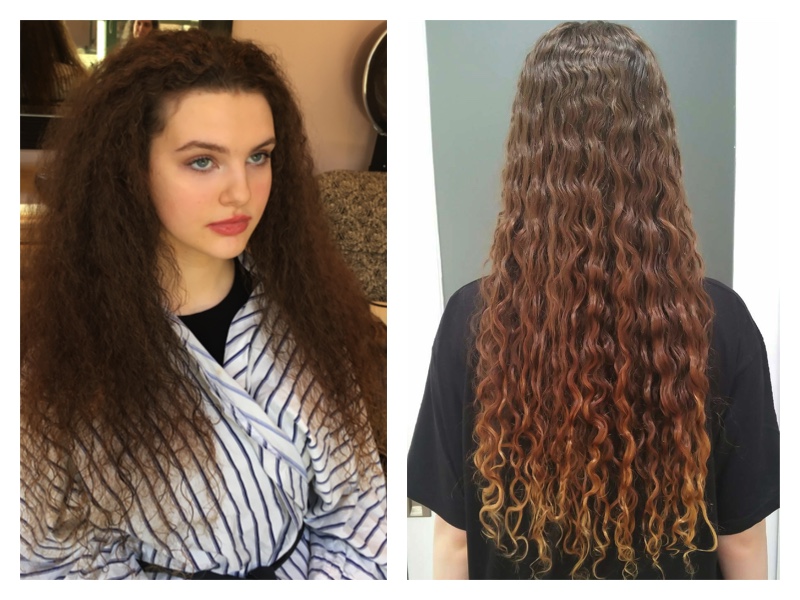
The marketing of keratin treatments by salons and product manufacturers is a masterclass in brand strategy. Salons often position these services as premium, transformative experiences, emphasizing the expertise of their stylists and the quality of their chosen products. Their branding typically highlights before-and-after transformations, testimonials, and luxurious salon environments that promise an escape and a renewal. A salon’s reputation for successful keratin treatments can become a cornerstone of its brand identity, attracting a loyal clientele willing to pay for consistent results.
Product manufacturers, on the other hand, build their brands around specific formulations, key ingredients (e.g., “formaldehyde-free,” “organic keratin,” “Brazilian blowout”), and the promise of specific benefits like “ultimate shine” or “frizz elimination.” They leverage celebrity endorsements, influencer marketing, and sophisticated packaging to create desire and differentiate their offerings in a crowded market. The success of a keratin brand often hinges on its ability to build trust through perceived safety, effectiveness, and alignment with modern beauty ideals. Ethical branding, emphasizing transparency about ingredients and sourcing, is also gaining traction as consumers become more health-conscious and demand accountability from the brands they support.
Navigating the Brand Landscape: Authenticity and Transparency
In a market saturated with various keratin treatments, navigating the brand landscape requires discernment. The “Brazilian Blowout” became a household name, but it also faced scrutiny over formaldehyde levels, highlighting the importance of transparent branding. Consumers are increasingly savvier, using online reviews, forums, and tech tools to research products and salon reputations. Brands that prioritize authenticity, clearly communicate ingredient lists, and offer realistic expectations tend to build stronger, more sustainable trust with their clientele.
The personal choice of whether to embrace one’s natural curls or opt for a smoothing treatment also speaks to individual branding and authenticity. For some, a keratin treatment is a way to maintain a polished look that aligns with their desired image without daily styling hassle. For others, it might conflict with a personal brand built on celebrating natural hair textures. The interplay between societal beauty standards (often favoring straighter hair) and the growing movement to embrace natural curls creates a dynamic branding challenge for both individuals and the industry.
The Financial Equation: Investing in Your Curls (or Lack Thereof)
Beyond the science and the image, the decision to get a keratin treatment has significant financial implications. It’s an investment, and like any investment, it requires careful consideration of the initial outlay, ongoing costs, and the potential return on that investment, whether in terms of time, convenience, or confidence. This section examines keratin treatments through the lens of personal and business finance.
Initial Investment vs. Long-Term Savings
A keratin treatment is not a small purchase. Prices typically range from $200 to $500, and sometimes even more, depending on hair length, salon prestige, and location. This initial investment covers the stylist’s time, expertise, and the cost of the specialized products. However, for many, this upfront cost is balanced against potential long-term savings. Individuals with curly hair often spend significant amounts on anti-frizz serums, curl-defining creams, leave-in conditioners, and heat protectants. They also invest considerable time in styling, blow-drying, and flat-ironing.
A successful keratin treatment can significantly reduce the need for these daily products and styling time. If a treatment lasts for three to six months, the cumulative savings on daily styling products and the value of reclaimed time can make the initial cost seem more palatable. For someone who spends an hour daily styling their hair, saving 30-40 minutes each day translates into numerous hours over several months – a powerful return on investment (ROI) in terms of personal productivity and leisure. This financial calculation often hinges on a cost-benefit analysis of time versus money, making it a critical aspect of personal finance management within the beauty budget.
Salon Economics: Pricing, Profit, and Perceived Value
From a business finance perspective, keratin treatments are a valuable service for salons. They command a higher price point than a standard haircut or color service, contributing significantly to a salon’s revenue and profit margins. The pricing strategy for keratin treatments involves several factors: the cost of the professional-grade products, the stylist’s hourly rate and expertise, salon overheads (rent, utilities), and the perceived market value in a given area.
Salons often use these treatments as a way to attract new clientele and build loyalty, especially if they can consistently deliver high-quality results. Offering tiered pricing based on hair length or treatment formulation (e.g., premium formaldehyde-free options) allows salons to cater to a broader market while maximizing revenue. The perceived value of the treatment – the promise of smooth, manageable hair – is what enables salons to justify the premium price. For a salon owner, understanding the demand for these services and optimizing pricing is key to a healthy business finance model, potentially even allowing for expansion or investment in new technologies.
Evaluating the Financial ROI for Your Lifestyle
Ultimately, the financial viability of a keratin treatment comes down to an individual’s lifestyle and priorities. Is the reduction in styling time and product consumption worth the initial financial outlay? Does the boost in confidence and professional appearance translate into tangible benefits in one’s career or social life? These are subjective questions, but they highlight the blend of emotional and financial considerations involved.
For some, the convenience and aesthetic benefits are priceless, making the investment worthwhile. For others, the cost may be prohibitive, or they may prefer to allocate their financial resources elsewhere, perhaps investing in high-quality curly hair products or embracing their natural texture. Exploring online income opportunities or side hustles to fund such treatments is also a consideration for some, illustrating the dynamic ways individuals manage their personal finances to afford desired lifestyle choices. Before committing, potential clients should conduct their own mini-financial audit, weighing the pros and cons against their budget and beauty goals.
Beyond the Treatment: Weighing the Pros, Cons, and Future Trends
As we dissect what a keratin treatment does to curly hair, it’s essential to consolidate the overall impact, considering both the benefits and potential drawbacks. The beauty industry, driven by technological innovation and evolving consumer demands, is constantly moving forward, hinting at an even more personalized and sustainable future for hair smoothing.
The Good, The Bad, and The Straightened
For curly hair, the “good” of a keratin treatment is often undeniable:
- Frizz Reduction: Significantly minimizes frizz, especially in humid conditions.
- Increased Manageability: Hair becomes much easier to detangle, brush, and style.
- Enhanced Shine: The sealed cuticle reflects light better, leading to a healthier, glossier appearance.
- Reduced Styling Time: Drastically cuts down on daily styling efforts.
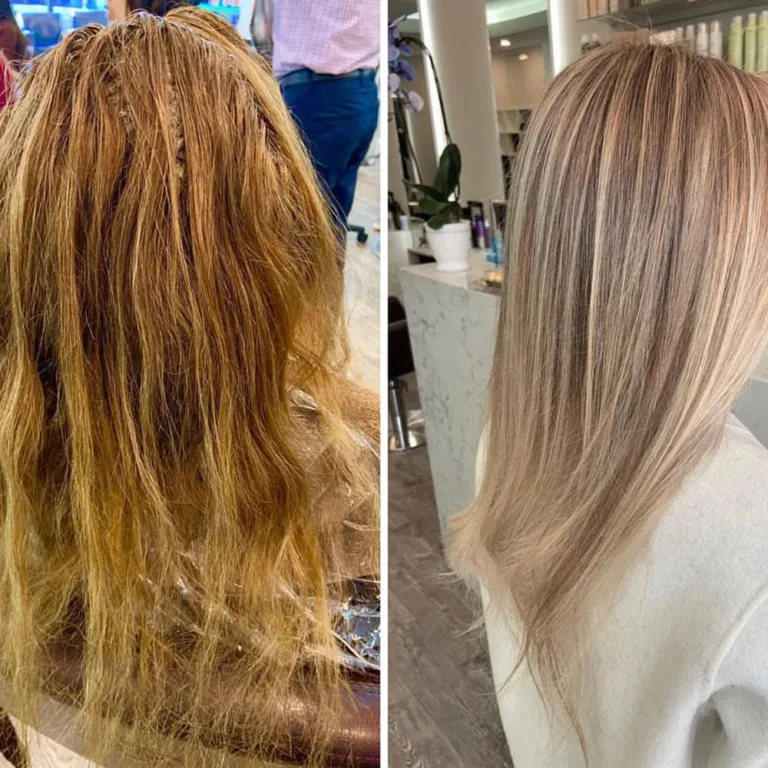
- Temporary Straightening/Relaxation: Curls are loosened, resulting in smoother waves or straighter hair, depending on the treatment and hair type.
However, there are “bad” aspects to consider:
- Cost and Maintenance: High initial cost plus ongoing expenses for specialized aftercare products.
- Loss of Curl Pattern: For those who cherish their natural curls, the treatment will alter or reduce their definition.
- Potential for Damage: Over-processing or excessive heat can lead to dryness, breakage, or weakened hair over time.
- Exposure to Chemicals: Even formaldehyde-free options contain chemicals, and sensitivity can vary.
- Commitment: The results are semi-permanent, meaning you’re committed to the look for several months.
The Future of Hair Tech: Smarter Solutions and Sustainable Practices
The trajectory of hair care technology points towards even more personalized and environmentally conscious solutions. We can anticipate further advancements in bio-engineered proteins that mimic natural hair components more effectively, leading to safer and more customizable smoothing treatments. AI and machine learning could play a larger role in diagnosing hair conditions and predicting treatment outcomes, offering truly bespoke solutions.
Furthermore, the brand landscape is shifting towards sustainability. Future keratin treatments may focus on ethically sourced ingredients, biodegradable formulas, and reduced packaging. Salons might integrate smart energy solutions and water-saving technologies, aligning with broader consumer demands for eco-friendly practices. This convergence of advanced science, ethical branding, and smarter financial models will continue to shape how we approach hair care and aesthetic enhancements.
In conclusion, a keratin treatment offers a compelling solution for individuals with curly hair seeking reduced frizz, increased manageability, and a smoother texture. Its impact is a complex interplay of scientific innovation, strategic branding, and personal financial decisions. By examining these treatments through the lenses of Tech, Brand, and Money, individuals can make more informed choices, ensuring that their investment in hair care aligns with their values, lifestyle, and desired aesthetic outcome. Whether embracing the temporary alteration of curls or seeking long-term ease, understanding the full scope of a keratin treatment empowers consumers in their ongoing journey with their hair.
aViewFromTheCave is a participant in the Amazon Services LLC Associates Program, an affiliate advertising program designed to provide a means for sites to earn advertising fees by advertising and linking to Amazon.com. Amazon, the Amazon logo, AmazonSupply, and the AmazonSupply logo are trademarks of Amazon.com, Inc. or its affiliates. As an Amazon Associate we earn affiliate commissions from qualifying purchases.