
The Euro Dollar exchange rate, often denoted as EUR/USD, is one of the most heavily traded currency pairs in the global foreign exchange market. It represents the value of one Euro in terms of US Dollars. For businesses engaged in international trade, investors seeking diversified portfolios, or even individuals planning cross-border travel or remittances, understanding this rate is not just informative; it’s crucial for financial planning and operational efficiency. This article delves into the intricacies of the EUR/USD exchange rate, exploring the factors that influence it, its significance in the global financial landscape, and how to stay informed about its movements.
The Fundamentals of the EUR/USD Exchange Rate
At its core, the EUR/USD exchange rate is a reflection of the relative economic strengths and policy decisions of the Eurozone and the United States. It is determined by the forces of supply and demand in the forex market, where trillions of dollars are traded daily.
What Does the EUR/USD Pair Signify?
The notation EUR/USD means that the Euro (EUR) is the base currency and the US Dollar (USD) is the quote currency. When you see a quote like EUR/USD = 1.1000, it signifies that one Euro can be exchanged for 1.1000 US Dollars. Conversely, if the rate is EUR/USD = 0.9000, it means one Euro can be exchanged for 0.9000 US Dollars.
A rising EUR/USD rate indicates that the Euro is strengthening against the US Dollar, meaning it takes more dollars to buy one Euro. This can be beneficial for Eurozone exporters as their goods become cheaper for US buyers, but it makes US imports more expensive for European consumers.
A falling EUR/USD rate, on the other hand, signifies that the Euro is weakening against the US Dollar. This makes Eurozone imports cheaper for US buyers and US exports more expensive for Eurozone consumers.
The Role of Supply and Demand in Forex Markets
The price of any currency, including the Euro and the US Dollar, is ultimately determined by supply and demand. Numerous factors contribute to these dynamics:
- Economic Performance: Strong economic growth, low unemployment, and rising consumer confidence in either the Eurozone or the US tend to increase demand for that region’s currency. Conversely, economic slowdowns or recessions can reduce demand.
- Interest Rates: Central bank policies, particularly interest rate decisions, are powerful drivers. Higher interest rates in a region generally attract foreign capital seeking better returns, increasing demand for its currency. The European Central Bank (ECB) and the US Federal Reserve (Fed) are the key players here.
- Inflation: Inflation erodes the purchasing power of a currency. High inflation can lead to currency depreciation as investors seek assets in economies with more stable prices.
- Political Stability and Geopolitics: Political events, elections, and geopolitical tensions can significantly impact currency values. Uncertainty typically leads to capital flight, weakening a currency.
- Trade Balances: A country with a persistent trade surplus (exports exceeding imports) generally sees its currency appreciate due to higher demand from foreign buyers. Conversely, a trade deficit can lead to depreciation.
- Market Sentiment and Speculation: Trader sentiment and speculative positioning can also influence short-term currency movements, often amplifying existing trends.
Key Drivers of the Euro Dollar Exchange Rate
The EUR/USD exchange rate is influenced by a complex interplay of macroeconomic indicators, central bank policies, and global events. Understanding these drivers is essential for anyone looking to predict or interpret its movements.
Monetary Policy and Central Bank Actions
The monetary policies of the European Central Bank (ECB) and the US Federal Reserve (Fed) are arguably the most significant drivers of the EUR/USD exchange rate.
- Interest Rate Differentials: When the Fed raises interest rates while the ECB keeps them low, the US Dollar tends to strengthen against the Euro as capital flows towards higher yields in the US. The reverse is true when the ECB tightens policy and the Fed remains accommodative. These interest rate decisions are closely watched and often lead to significant currency swings.
- Quantitative Easing/Tightening (QE/QT): Central banks also use tools like quantitative easing (injecting liquidity into the economy by buying assets) and quantitative tightening (reversing this process) to influence economic conditions. QE generally tends to weaken a currency, while QT can strengthen it.
- Forward Guidance: The communication from central bankers about their future policy intentions, known as forward guidance, can also heavily influence market expectations and currency movements even before actual policy changes are implemented.
Economic Performance and Indicators
The economic health of both the Eurozone and the United States plays a pivotal role in determining the EUR/USD exchange rate.
- Gross Domestic Product (GDP) Growth: Strong GDP growth in the Eurozone relative to the US would typically lead to an appreciation of the Euro against the Dollar, and vice versa. GDP data provides a broad measure of economic activity.
- Inflation Data (CPI/HICP): Consumer Price Index (CPI) in the US and Harmonised Index of Consumer Prices (HICP) in the Eurozone are critical indicators. Higher inflation can prompt central banks to raise interest rates, thus strengthening the currency, but if it outpaces wage growth, it can also erode purchasing power and weaken the currency.
- Employment Figures: Unemployment rates and non-farm payroll data in the US, and similar employment reports from Eurozone countries, provide insights into labor market health, which is a key component of economic strength. Strong job growth typically supports a stronger currency.
- Manufacturing and Services PMIs: Purchasing Managers’ Indexes (PMIs) for the manufacturing and services sectors offer timely insights into business activity and sentiment. Positive PMI readings suggest expansion and can boost a currency.
- Consumer Confidence: Surveys of consumer confidence gauge household sentiment about the economy and their personal financial situation, influencing spending patterns and economic growth.
Geopolitical and Global Factors
Beyond purely economic metrics, geopolitical events and broader global trends can introduce volatility and shape the EUR/USD exchange rate.
- Political Stability: Elections, government policy changes, and political crises within either the Eurozone or the US can create uncertainty. During times of perceived instability, investors often flock to perceived safe-haven currencies, which can sometimes include the US Dollar.
- International Trade Relations: Trade disputes, tariffs, and the negotiation of trade agreements between major economic blocs can impact currency values. For instance, a significant trade war could lead to currency devaluations as countries try to make their exports more competitive.
- Global Economic Shocks: Events such as pandemics, natural disasters, or major financial crises can disrupt global trade and investment flows, leading to significant and often unpredictable shifts in exchange rates. The US Dollar, due to its status as a global reserve currency, can sometimes benefit from such shocks as investors seek liquidity and safety.
- Commodity Prices: While not a direct driver for EUR/USD in the same way as interest rates, significant fluctuations in commodity prices (like oil) can impact the inflation outlook and economic performance of countries that are net importers or exporters of these goods, indirectly affecting the exchange rate.
Significance of the EUR/USD Exchange Rate
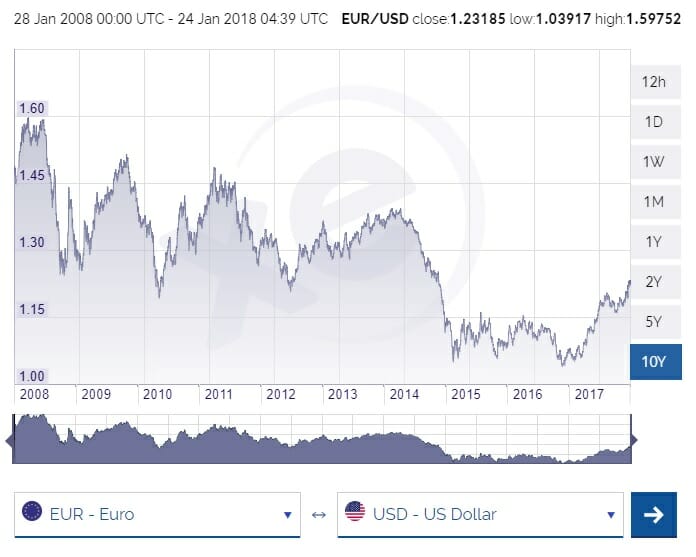
The EUR/USD exchange rate is more than just a number on a financial screen; it has far-reaching implications for economies, businesses, and individuals worldwide.
Impact on International Trade and Business
For companies engaged in importing or exporting between the Eurozone and the United States, the EUR/USD rate is a critical factor in their profitability.
- Exporters: A stronger Euro (higher EUR/USD) makes Eurozone goods cheaper for US buyers, potentially boosting export volumes. Conversely, a weaker Euro makes exports more expensive for Americans, potentially reducing sales.
- Importers: A stronger Euro makes US goods more expensive for Eurozone buyers, potentially leading to lower import demand. A weaker Euro makes US imports cheaper for Europeans, which can increase import volumes but also contribute to inflation if domestic production is not sufficient.
- Multinational Corporations: Businesses with operations in both regions must manage currency risk. Fluctuations in the EUR/USD rate can impact the translated value of their revenues, profits, and assets, affecting their financial statements and strategic decisions. Hedging strategies, such as using forward contracts or options, are common tools to mitigate this risk.
Implications for Investors and Portfolio Management
The EUR/USD exchange rate plays a significant role in international investment decisions.
- Foreign Exchange Trading: The EUR/USD is the most liquid currency pair in the forex market, making it a prime choice for currency traders seeking to profit from short-term price movements.
- Asset Valuation: When investors hold assets denominated in a foreign currency, the EUR/USD exchange rate affects the value of those assets in their home currency. For example, a US investor holding European stocks will see the value of their investment increase if the Euro strengthens against the Dollar, even if the stock price in Euros remains unchanged.
- Diversification: For global investors, currency diversification is a key strategy. The EUR/USD exchange rate influences the overall return and risk profile of a diversified international portfolio.
- Bond Markets: Interest rate differentials between the US and the Eurozone, which heavily influence the EUR/USD, also directly impact bond yields in both regions, making them attractive or less attractive to international investors.
Personal Finance and Consumer Impact
While often discussed in a macroeconomic context, the EUR/USD exchange rate also has direct and indirect impacts on individuals.
- Travel and Tourism: For tourists traveling between the Eurozone and the US, the exchange rate dictates how much their home currency will buy in the destination country. A favorable rate can make travel cheaper, while an unfavorable one can significantly increase costs.
- Remittances: Individuals sending money across the Atlantic to family or friends are directly affected by the exchange rate. A stronger Euro means a US dollar remittance will convert to more Euros, while a weaker Euro means it will convert to fewer.
- Online Shopping: For consumers purchasing goods or services online from a different currency zone, the EUR/USD rate will determine the final cost in their local currency.
- Inflationary Pressures: As mentioned, changes in the exchange rate can influence the cost of imported goods. A weaker Euro, for instance, can make imported consumer goods more expensive, potentially contributing to higher inflation for households.
Staying Informed About the Euro Dollar Exchange Rate
Navigating the complexities of the EUR/USD exchange rate requires staying informed with reliable and up-to-date information.
Reliable Sources for Real-Time Data
Accessing current and historical EUR/USD exchange rate data is straightforward with numerous financial resources available.
- Financial News Websites: Leading financial news outlets like Bloomberg, Reuters, The Wall Street Journal, and the Financial Times provide real-time currency quotes, along with in-depth analysis of the factors influencing them.
- Forex Brokers and Trading Platforms: Online forex brokers and trading platforms offer live price feeds, charting tools, and economic calendars that track key data releases. Many also provide educational resources and market commentary.
- Central Bank Websites: The official websites of the European Central Bank (ECB) and the US Federal Reserve (Fed) are primary sources for policy announcements, interest rate decisions, and economic reports that directly impact the EUR/USD.
- Financial Data Aggregators: Websites such as XE.com, OANDA, and Google Finance offer currency converters, historical data, and charts that can be valuable for tracking trends.
Understanding Market Analysis and Forecasting
While real-time data is essential, understanding market analysis and forecasts can provide deeper insights into potential future movements.
- Technical Analysis: This involves studying historical price charts and trading volumes to identify patterns and predict future price movements. Traders often use indicators like moving averages, support/resistance levels, and MACD.
- Fundamental Analysis: This approach focuses on evaluating the underlying economic factors that drive currency values, such as interest rates, inflation, GDP growth, and political stability. Understanding the economic health and policy direction of both the Eurozone and the US is key.
- Economic Calendars: These calendars list upcoming economic data releases and central bank announcements. Economists and traders use them to anticipate market reactions to key data points, such as inflation reports, employment figures, and central bank meetings.
- Expert Commentary and Research Reports: Many financial institutions and independent analysts publish research reports and provide commentary on currency markets. While these should be viewed with critical discernment, they can offer valuable perspectives.

Managing Currency Risk
For businesses and investors, proactively managing currency risk is paramount.
- Hedging Strategies: Utilizing financial instruments like forward contracts, futures, options, and currency swaps allows parties to lock in an exchange rate for a future transaction, mitigating the impact of adverse currency movements.
- Diversification: Holding assets in multiple currencies can help spread risk.
- Regular Review and Adaptation: The economic and political landscape is constantly evolving. Regularly reviewing currency exposure and adapting strategies accordingly is crucial for long-term financial success.
In conclusion, the Euro Dollar exchange rate is a dynamic and multifaceted financial indicator, deeply intertwined with the economic health and policy decisions of two of the world’s major economic powers. By understanding its fundamental drivers, its broad implications, and by staying informed through reliable sources, individuals and businesses can better navigate its complexities and make more informed financial decisions in an increasingly globalized world.
aViewFromTheCave is a participant in the Amazon Services LLC Associates Program, an affiliate advertising program designed to provide a means for sites to earn advertising fees by advertising and linking to Amazon.com. Amazon, the Amazon logo, AmazonSupply, and the AmazonSupply logo are trademarks of Amazon.com, Inc. or its affiliates. As an Amazon Associate we earn affiliate commissions from qualifying purchases.