
The question, “What’s the best movie on Netflix?” is deceptively simple. In reality, it’s a portal into the complex world of streaming algorithms, personalized recommendations, and the ever-expanding library of digital content. For Netflix, a platform that has fundamentally reshaped how we consume media, understanding what constitutes “best” is not a matter of universal consensus but a sophisticated dance between user data, content curation, and technological innovation. This article delves into the Tech aspects of how Netflix determines and presents its “best” movies, exploring the underlying mechanisms that drive discoverability, personalization, and ultimately, user satisfaction.

The Algorithm: Netflix’s Digital Oracle
At its core, Netflix’s ability to suggest what might be “best” for any given user hinges on its proprietary recommendation engine. This isn’t a single, monolithic algorithm but a complex system that analyzes a vast array of data points to predict individual preferences.
Data Ingestion and User Profiling
Every interaction a user has on Netflix is a data point. This includes:
- Viewing History: What you watch, when you watch it, how long you watch, and whether you finish a title. A movie watched to completion, especially if rewatched, signals strong preference.
- Ratings and Thumbs Up/Down: Explicit feedback provided by the user. While less frequently used than implicit data, it still holds significant weight.
- Search Queries: What terms users actively seek out. This indicates intent and interest.
- Device and Time of Day: The device used (e.g., smart TV, mobile, tablet) and the time of day can inform viewing habits and content suitability. For instance, action-packed movies might be more popular on weekends during prime time.
- Genre and Tag Preferences: While Netflix may not explicitly display all the tags it uses internally, the genres and sub-genres you gravitate towards are crucial. These tags go far beyond simple genre classifications, encompassing elements like tone, narrative style, cast type, and even specific plot devices.
- User Demographics (Aggregated and Anonymized): While Netflix emphasizes privacy, aggregated demographic information can provide broad insights into viewing patterns. However, the personalization is driven more by individual behavior than by broad demographic segments.
- Browsing Behavior: Scrolling through rows, hovering over titles, and the order in which you consider content all contribute to building a profile.
This constant influx of data allows Netflix to construct a detailed, dynamic profile for each user. This profile is not static; it evolves in real-time as viewing habits change. The system then uses this profile to compare your preferences against millions of other users, identifying patterns and commonalities to predict what else you might enjoy.
Collaborative Filtering and Content-Based Filtering
Netflix employs a hybrid approach to its recommendation system, combining two primary filtering techniques:
-
Collaborative Filtering: This is the workhorse of many recommendation engines. It operates on the principle of “users who liked X also liked Y.” By identifying users with similar viewing histories and preferences, Netflix can recommend titles that those similar users have enjoyed, even if you haven’t seen them before. This taps into the collective intelligence of the Netflix user base. For example, if you’ve watched and enjoyed several critically acclaimed sci-fi films, the algorithm might suggest another highly-rated sci-fi movie that users with similar tastes have also watched.
-
Content-Based Filtering: This method focuses on the intrinsic characteristics of the content itself. If you consistently watch movies with a particular actor, director, or thematic element (e.g., time travel, social commentary), the algorithm will look for other titles that share those same attributes. This involves sophisticated metadata tagging of each piece of content. Netflix’s internal tagging system is incredibly granular, going far beyond simple genre labels. It might include tags like “quirky humor,” “slow-burn tension,” “ensemble cast,” or “set in the 1980s.” This allows for highly specific matching of content to user profiles.
The synergy between these two approaches is what makes Netflix’s recommendations so powerful. Collaborative filtering helps discover new and unexpected content based on what others enjoy, while content-based filtering ensures that suggestions are relevant to your established tastes.
The Art of Presentation: Curation and User Interface
Beyond the raw algorithmic power, the way Netflix presents its content is a critical aspect of discoverability and the perception of “best.” The user interface (UI) and user experience (UX) are meticulously designed to guide users toward content they are likely to enjoy, effectively shaping their perception of what’s available and what’s worth watching.
Rows and Carousels: The Personalized Shelf
The iconic rows and carousels on the Netflix homepage are not randomly generated. They are dynamically tailored to each user, reflecting the output of the recommendation engine.
- Top Picks for You: This is often the most prominent row, showcasing titles the algorithm believes you’ll be most interested in.
- Trending Now: This row highlights titles that are currently popular among a broad audience, or more specifically, within your demographic or interest groups. It leverages social proof.
- Because You Watched [Title]: This directly links a recommendation to a specific piece of content you enjoyed, reinforcing content-based filtering.
- New Releases: A straightforward way to highlight fresh content, but often filtered based on your predicted interests.
- Specific Genre or Thematic Rows: Such as “Critically Acclaimed Dramas,” “Mind-Bending Sci-Fi,” or “Hilarious Comedies,” again personalized based on your viewing history.
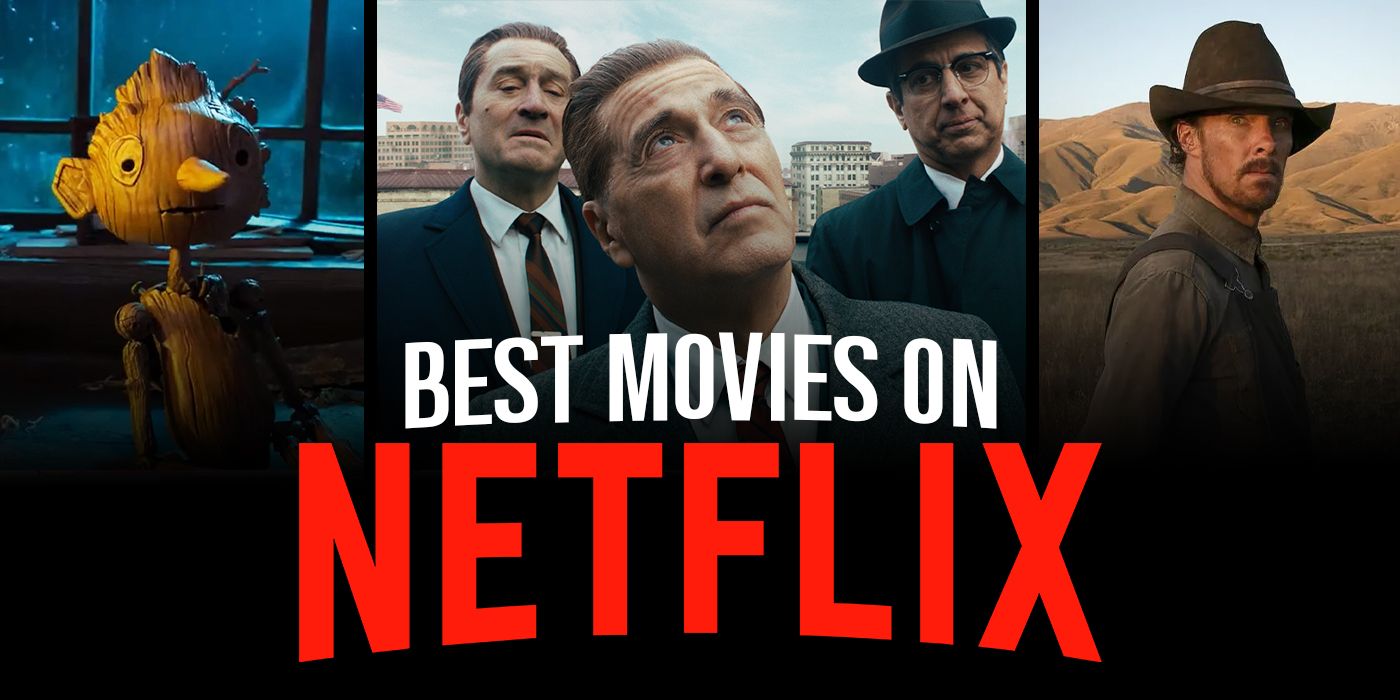
The order and prominence of these rows are also determined by algorithms, aiming to maximize engagement by surfacing the most relevant content at the top. The visual presentation of these rows—thumbnails, descriptions, and trailers—is also optimized to entice viewers.
Artwork and Metadata Optimization
The seemingly simple act of choosing a movie poster or thumbnail is, in fact, a complex A/B testing scenario driven by data. Netflix constantly tests different artwork for the same title across various user segments to determine which imagery is most likely to attract clicks and views. This optimization extends to the title descriptions and trailers, ensuring that the initial presentation is as compelling as possible. The goal is to create a visual and textual hook that resonates with the individual user’s inferred preferences.
- Personalized Artwork: Studies have shown that Netflix can even display different artwork for the same movie to different users. If the algorithm detects that you respond well to romantic imagery, you might see a poster that emphasizes the romantic subplot of a film, whereas another user might see artwork highlighting the action or thriller elements. This level of granular personalization is a testament to the sophistication of their tech.
Beyond the Algorithm: Human Curation and Content Acquisition
While algorithms are the primary drivers of personalized recommendations, human intelligence and strategic content acquisition play vital roles in shaping the overall Netflix experience and defining what constitutes “best” in a broader sense.
Content Curation Teams and Editorial Input
Netflix employs teams of content curators and editors who work alongside the algorithms. These individuals have deep knowledge of film and television and can identify emerging trends, hidden gems, and content that might not be immediately apparent through algorithmic analysis alone. They provide a crucial layer of human oversight, ensuring that the platform offers a diverse and compelling library.
- Identifying Niche Audiences: Human curators can often spot content that appeals to specific, often underserved, niche audiences. Algorithms might struggle to identify these connections if the user base is too small to establish strong collaborative filtering patterns.
- Balancing Trends and Classics: While algorithms can highlight what’s trending, human curators ensure that a rich and diverse catalog of classics and critically acclaimed films remains accessible. They understand the cultural significance and enduring appeal of certain titles.
- Ensuring Quality and Variety: They can champion content that might have a slower burn or a more unconventional narrative, which might be overlooked by algorithms focused on immediate engagement metrics.
Original Content Strategy
Netflix’s massive investment in original content is not just about filling its library; it’s a strategic move to control its destiny and leverage its data. By producing its own movies and series, Netflix has more control over the metadata, production quality, and promotional materials. This allows them to feed their recommendation engines with highly detailed and internally optimized content.
- Data-Driven Greenlighting: Netflix uses its vast data to identify gaps in its content offerings and to predict which types of stories and genres are most likely to resonate with its audience. This data informs their decisions about what original content to produce, aiming to create “must-watch” titles that drive subscriptions.
- Exclusive Content as a Differentiator: Original content serves as a powerful differentiator, attracting new subscribers and retaining existing ones by offering exclusive experiences not available on competing platforms. The “best” movie on Netflix is often one that can only be found on Netflix.
The Evolving Landscape of “Best”
The concept of “best” on Netflix is not static. It’s a constantly evolving target, shaped by technological advancements, shifting user behaviors, and the competitive landscape of the streaming industry.
The Role of AI and Machine Learning Advancements
The sophistication of Netflix’s recommendation engine is continuously being refined. As AI and machine learning technologies advance, we can expect even more nuanced and predictive personalization.
- Deep Learning for Content Understanding: Newer AI models can analyze video and audio content at a deeper level, understanding not just plot and genre but also emotional tone, visual aesthetics, and narrative complexity. This leads to more precise content-based recommendations.
- Reinforcement Learning for Dynamic Adaptation: Reinforcement learning allows the algorithm to learn and adapt its recommendations based on immediate user feedback, making the system more responsive to subtle changes in preference or mood.
- Contextual Awareness: Future iterations of the algorithm might become more contextually aware, considering factors like current events, seasonality, or even the user’s stated mood or activity to suggest the most appropriate viewing experience.
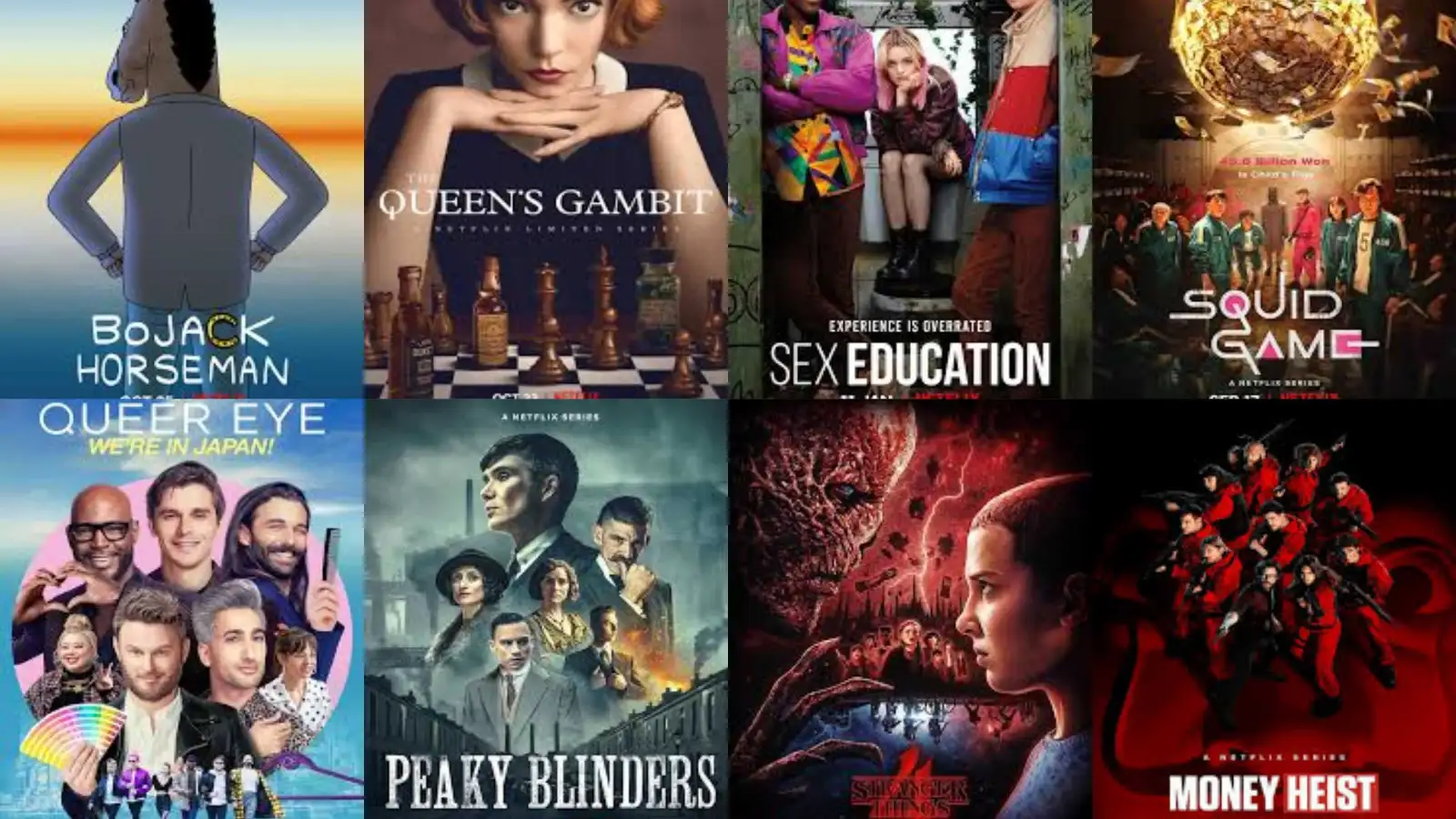
The Future of Discovery
As streaming libraries grow, the challenge of discovery will only intensify. Netflix’s continued focus on its technological infrastructure, particularly its recommendation systems and UI/UX design, will be crucial in helping users navigate the vast ocean of content and find what is, for them, the “best” movie. The platform is not just a repository of films; it’s an intelligent curator, a personalized cinema, and a testament to the power of data-driven technology in shaping our entertainment experiences. The “best” movie on Netflix is ultimately a subjective answer, but the technology behind Netflix’s ability to approximate that answer for millions of individual users is a marvel of modern innovation.
aViewFromTheCave is a participant in the Amazon Services LLC Associates Program, an affiliate advertising program designed to provide a means for sites to earn advertising fees by advertising and linking to Amazon.com. Amazon, the Amazon logo, AmazonSupply, and the AmazonSupply logo are trademarks of Amazon.com, Inc. or its affiliates. As an Amazon Associate we earn affiliate commissions from qualifying purchases.