
The signing of the Abraham Accords in September 2020 marked a seismic shift in the geopolitical landscape of the Middle East. While the initial headlines focused on the diplomatic normalization between Israel and the United Arab Emirates (UAE), followed quickly by Bahrain, Morocco, and Sudan, the true underlying current of this agreement is economic. For investors, financial analysts, and business leaders, the Abraham Accords represent far more than a peace treaty; they are a foundational document for a new regional trade bloc.
By removing historical barriers to entry, the Accords have unlocked a corridor of capital, innovation, and infrastructure development. In the years since their inception, the “Peace for Prosperity” mantra has translated into billions of dollars in bilateral trade, massive sovereign wealth fund deployments, and a fundamental restructuring of how business is conducted in the Eastern Mediterranean and the Gulf.
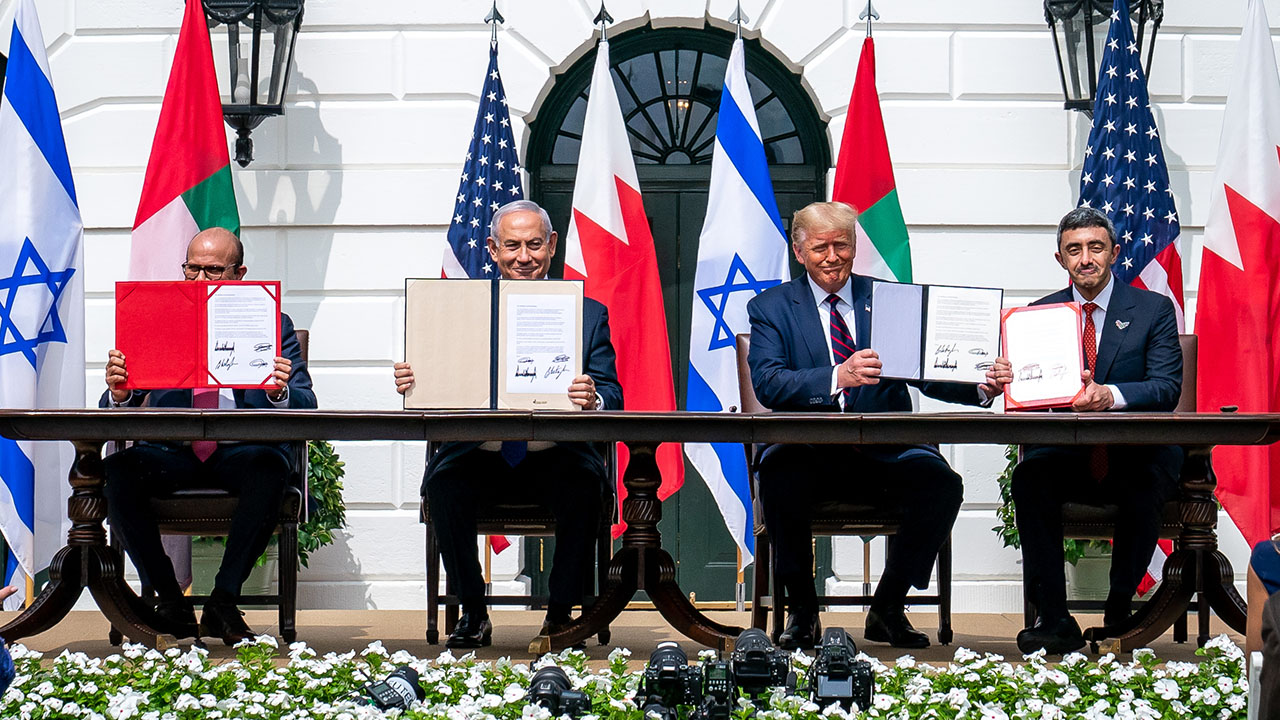
The Economic Architecture of the Accords: Trade and Investment Flow
At the heart of the Abraham Accords is a commitment to economic integration that mimics the early stages of the European common market. For decades, the economic potential of the Middle East was stifled by fragmented markets and the absence of direct trade between the region’s most advanced economy, Israel, and the capital-rich Gulf states.
Bilateral Trade Volumetrics
The most immediate impact of the Accords can be seen in the trade balance between Israel and the UAE. Within the first two years, bilateral trade surpassed $2 billion, a figure that continues to climb as more sectors move from memorandum of understanding (MoU) phases to active operations. The Comprehensive Economic Partnership Agreement (CEPA) signed between Israel and the UAE—the first of its kind between Israel and an Arab nation—aims to push trade beyond $10 billion within five years. This agreement eliminates or reduces tariffs on 96% of goods, signaling a long-term commitment to a frictionless border for capital and commodities.
Foreign Direct Investment (FDI) and Sovereign Wealth
The Abraham Accords have facilitated a unique synergy between Israel’s “Start-up Nation” ecosystem and the massive capital reserves of the Gulf’s sovereign wealth funds (SWFs). Funds like Abu Dhabi’s Mubadala and the Abu Dhabi Investment Office (ADIO) have established a physical presence in Tel Aviv. This isn’t merely symbolic; it represents a strategic shift where Gulf capital is being used to hedge against oil volatility by investing in Israeli deep-tech, cybersecurity, and biotechnology. Conversely, Israeli firms are utilizing the UAE as a global logistics hub to access markets in South Asia and Africa that were previously difficult to reach.
Regional Infrastructure and Logistics
The Accords have paved the way for “The Land Bridge,” a proposed rail and trucking route connecting the UAE’s Jebel Ali port through Saudi Arabia and Jordan to Israel’s Haifa port. From a financial perspective, this is a game-changer for supply chain economics. It reduces the time required for goods to travel from the East to the Mediterranean by up to 10 days compared to the Suez Canal route, offering significant cost savings in insurance and fuel while enhancing the “Money” value of time in global shipping.
Key Growth Sectors: Where the Capital is Moving
The integration sparked by the Abraham Accords is not happening uniformly across all industries. Instead, it is concentrated in high-value sectors where the complementary strengths of the signatory nations create a “1+1=3” effect.
Fintech and the Banking Revolution
Perhaps no sector has transformed as rapidly as banking. Before 2020, there were no direct banking links between Israel and the Gulf. Today, major financial institutions like First Abu Dhabi Bank (FAB) and Emirates NBD have signed agreements with Israel’s Bank Leumi and Bank Hapoalim.
These partnerships are essential for facilitating the “Money” aspect of the Accords. They allow for direct clearing of payments, letters of credit, and currency exchange, which drastically lowers the cost of doing business. Furthermore, the region is seeing a surge in Fintech collaboration. Israeli cybersecurity expertise in financial fraud prevention is being integrated into the rapidly digitizing banking systems of the UAE and Bahrain, creating a more robust financial infrastructure for the entire region.
The Energy Transition and “Green-Blue” Deals
The Abraham Accords have enabled unprecedented cooperation in the energy sector, shifting the focus from traditional hydrocarbons to a diversified energy portfolio. One of the most significant financial arrangements is the “Prosperity Green & Blue” deal involving Israel, the UAE, and Jordan. Under this framework, a UAE-funded solar plant in Jordan exports clean electricity to Israel, while an Israeli-funded desalination plant exports water to Jordan.

For investors, this represents a new asset class: regional ESG (Environmental, Social, and Governance) projects. The financing of these large-scale utilities involves complex multi-national syndications and green bonds, providing a template for how climate finance can be used to stabilize geopolitically sensitive areas.
Tourism and Real Estate Development
The Accords have triggered a “tourism gold rush.” Tens of thousands of Israeli tourists have visited Dubai and Abu Dhabi, while Bahrain and Morocco are seeing similar upticks. This influx of people has direct implications for real estate and hospitality investments. We are seeing Israeli hotel management companies eyeing the Gulf, and Emirati developers looking at the Mediterranean coastline. The financial ripple effect includes increased demand for aviation, with multiple daily flights now connecting Tel Aviv to Dubai, Manama, and Casablanca, turning previously isolated airspaces into lucrative commercial corridors.
Innovation Diplomacy: Scaling the Tech Ecosystem
The Abraham Accords are often described as a merger between “The World’s Gas Station” and “The World’s Research Lab.” This “Innovation Diplomacy” is the primary engine for long-term wealth creation in the region.
Joint Venture Capital and R&D
The financial structure of innovation is changing. We are seeing the rise of joint venture capital (VC) funds specifically designed to bridge the gap between Israeli innovation and Gulf market access. These funds are targeting “dual-use” technologies—solutions that solve local problems (like water scarcity and food security) while being scalable globally. By pooling resources, these nations are creating a regional innovation hub that can compete with Silicon Valley or Singapore, attracting global “Money” from institutional investors who see the Middle East as the next big growth frontier.
AgTech and Food Security
For the Gulf nations, food security is a strategic priority. For Israel, it is a proven expertise. The Abraham Accords have allowed for the commercialization of Israeli AgTech—such as precision irrigation, vertical farming, and protein alternatives—across the arid climates of the GCC. From a business finance perspective, this is an “import-substitution” play. By investing in local production powered by Israeli tech, Gulf nations can reduce their multi-billion dollar food import bills, redirecting that capital toward internal development.
Healthcare and MedTech Collaboration
The COVID-19 pandemic served as an unexpected catalyst for health-related financial cooperation. Joint research into vaccines and genomic sequencing between entities like G42 in Abu Dhabi and the Israeli Ministry of Health set a precedent. Now, we see private equity flowing into MedTech start-ups that leverage the Gulf’s massive data-processing capabilities and Israel’s clinical research excellence. This creates a high-margin export industry for the region, targeting the global healthcare market.
Challenges and the Long-Term Financial Outlook
While the financial trajectory of the Abraham Accords is overwhelmingly positive, navigating this new landscape requires a sophisticated understanding of the risks and the long-term economic shifts.
Navigating Geopolitical Risk
In the world of finance, geopolitical instability is the ultimate “unknown.” The durability of the Abraham Accords is constantly tested by regional conflicts. However, the “Money” perspective suggests a decoupling is occurring. Even during periods of heightened tension, the fundamental economic agreements have remained intact. Investors are increasingly viewing the Accords as a “structural” change rather than a “cyclical” one, though risk premiums remain a factor in long-term project financing.
The Transition to a Post-Oil Economy
For the UAE and Bahrain, the Abraham Accords are a critical pillar of their “Vision” programs (such as UAE Vision 2031). These programs are designed to transition their economies away from oil dependency. The Accords provide a shortcut to high-tech industrialization. For Israel, the Accords provide the “strategic depth” its economy has historically lacked. The long-term financial outlook suggests that as these economies become more intertwined, their credit ratings and attractiveness to global institutional investors will likely improve, creating a virtuous cycle of reinvestment.
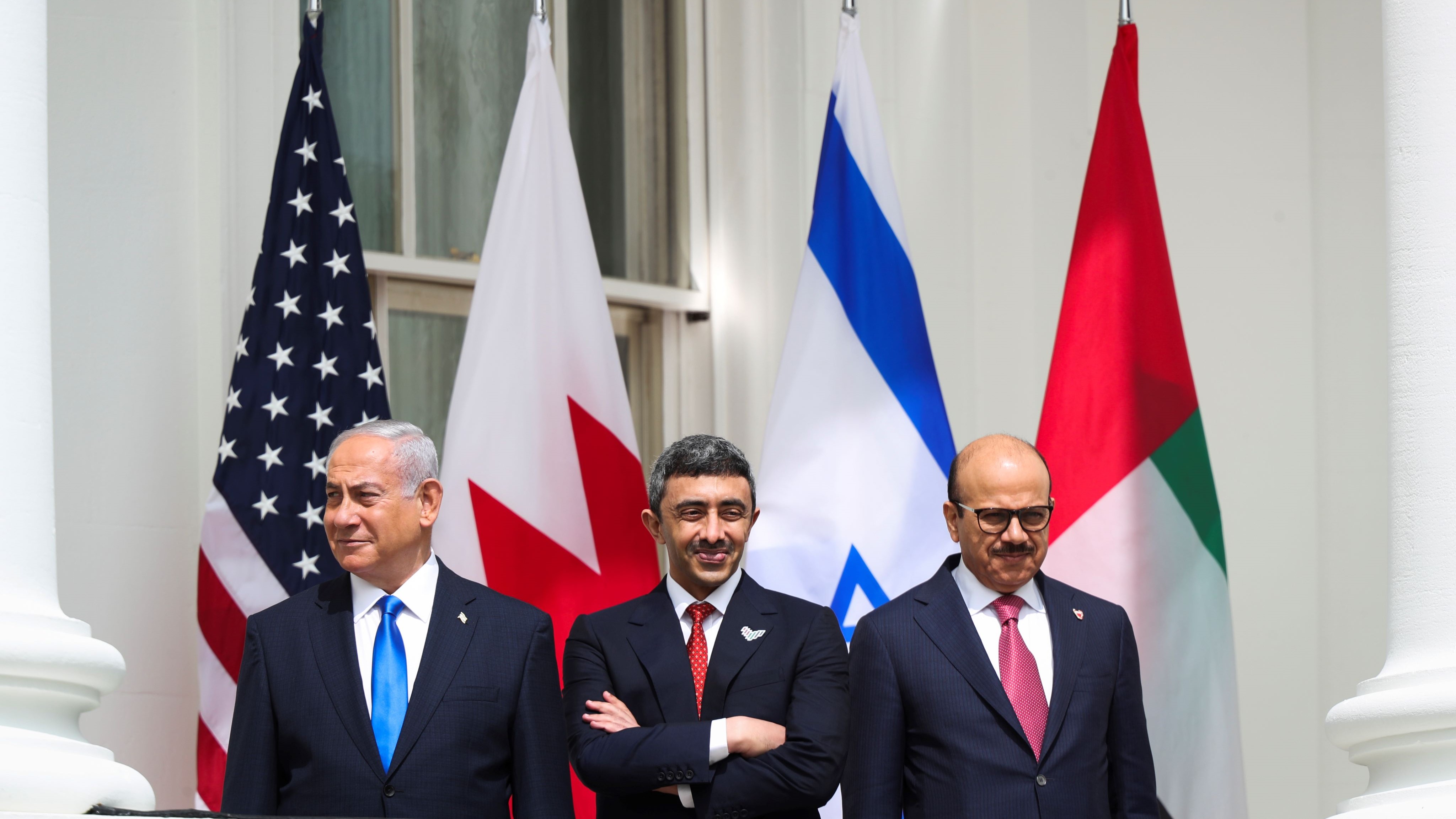
Conclusion: The New Regional ROI
The Abraham Accords have fundamentally redefined the Return on Investment (ROI) for the Middle East. It is no longer just about oil prices or defense spending; it is about the synergy of human capital, financial liquidity, and technological prowess.
For the modern professional in finance or business, “What’s the Abraham Accords” is a question with a multi-trillion dollar answer. It is the emergence of a new economic bloc that is leveraging peace to build a sustainable, tech-driven financial future. As the “Money” continues to flow through these new channels, the regional map is being redrawn—not by generals, but by entrepreneurs, bankers, and visionaries who recognize that the most powerful force for stability is shared prosperity.
aViewFromTheCave is a participant in the Amazon Services LLC Associates Program, an affiliate advertising program designed to provide a means for sites to earn advertising fees by advertising and linking to Amazon.com. Amazon, the Amazon logo, AmazonSupply, and the AmazonSupply logo are trademarks of Amazon.com, Inc. or its affiliates. As an Amazon Associate we earn affiliate commissions from qualifying purchases.