
The digital landscape is constantly evolving, driven by the ever-changing preferences and behaviors of its users. At the forefront of this evolution are the generations that have grown up immersed in technology, seamlessly integrating it into every facet of their lives. Among these, Generation Z, often referred to as “Gen Z,” stands out as a particularly influential demographic. Understanding the precise temporal boundaries that define Gen Z is not merely an academic exercise; it’s a critical imperative for anyone involved in the technology sector, from software developers and app designers to marketing strategists and AI researchers. This deep dive will explore the defined years of Gen Z and, more importantly, the profound technological implications of this cohort’s formative experiences.

Defining the Generational Timeline: The Birth Years of Gen Z
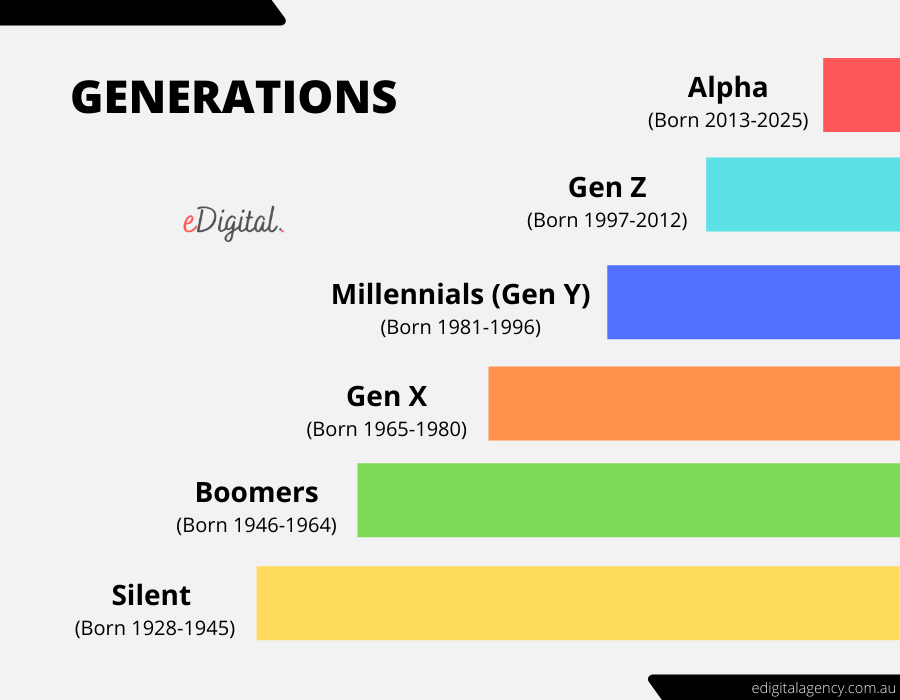
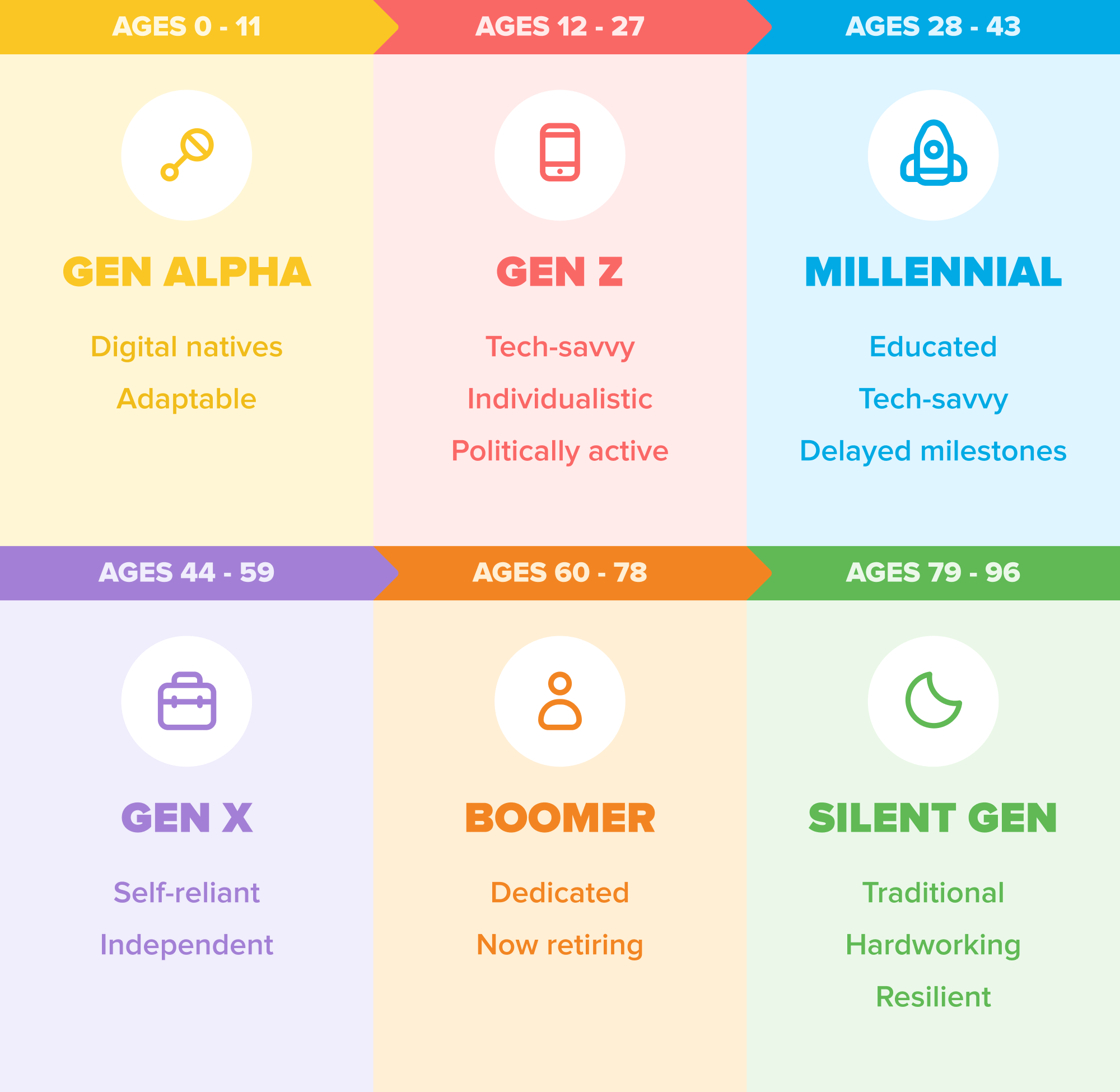
Pinpointing the exact start and end years for any generation can be a fluid concept, subject to demographic shifts and varying research methodologies. However, a widely accepted consensus has emerged, establishing Gen Z as those born roughly between the mid-to-late 1990s and the early to mid-2010s. This temporal window is significant because it encapsulates individuals who have largely come of age with the internet, smartphones, and social media as integral parts of their existence.
The Pre-Internet Echo: The Older Gen Z Boundary
The upper limit of Gen Z’s birth years typically hovers around the mid-to-late 1990s. Individuals born in this period, often cited as starting around 1997, experienced the tail end of a world that was still analog in many ways. They may have memories of dial-up internet, the ubiquity of landline phones, and the transition to early digital technologies. This dual exposure – a partial immersion in the pre-digital era and a full embrace of the digital age during their formative years – imbues them with a unique perspective. They understand the fundamental shifts that technology has brought about, having witnessed the transition firsthand. This allows for a nuanced understanding and adoption of new technologies, often bridging the gap between older and younger digital natives.
The Digital Dawn: The Younger Gen Z Boundary
The lower limit for Gen Z is generally considered to be the early to mid-2010s, often starting around 2010-2012. These younger members of Gen Z have known nothing but a world saturated with advanced digital technologies. Their earliest memories are likely intertwined with touchscreens, high-speed internet, streaming services, and constant connectivity. For them, the digital realm is not a separate space but an extension of their physical reality. This “digital nativity” shapes their cognitive processes, their communication styles, and their expectations of the technological world around them in fundamental ways. This distinction in technological exposure within the Gen Z cohort itself is important for understanding the spectrum of their digital fluency and preferences.
The Spectrum of Digital Nativity: Bridging the Gaps
It’s crucial to recognize that the generational labels are not rigid boxes but represent broad trends and shared experiences. The individuals on the cusp of these defined years, whether slightly older or younger, will share characteristics with both adjacent generations. The older Gen Z might exhibit some traits of Millennials who came before them, while the younger Gen Z might share some emerging behaviors with the nascent Generation Alpha. The true essence of understanding Gen Z lies in appreciating the degree of their digital immersion and how it has shaped their interaction with technology, rather than strictly adhering to precise birth year cutoffs. This spectrum highlights that technology adoption and proficiency are not uniform, even within a defined generation.
Technological Signatures of Gen Z: How Their Birth Years Define Their Digital DNA
The specific years of Gen Z’s birth have profoundly influenced their technological development and expectations. Unlike previous generations who adopted technology as it emerged, Gen Z has grown up with it as an inherent part of their environment. This has led to distinct patterns in their tech usage, preferences, and their very perception of what technology should be.
The Smartphone as a Primary Interface: Mobile-First Everything
For Gen Z, the smartphone is not just a communication device; it’s the primary gateway to the digital world. Their formative years coincided with the explosion of the mobile internet and the widespread adoption of smartphones. This has resulted in a generation that is inherently “mobile-first.” They consume content, socialize, learn, shop, and entertain themselves predominantly through their mobile devices. This has significant implications for the design of applications, websites, and digital services. User interfaces must be intuitive, streamlined, and optimized for smaller screens, with a strong emphasis on touch-based interactions and instant gratification. The expectation for seamless performance and immediate access to information is paramount.
Social Media as a Second Skin: Content Creation and Consumption
Gen Z’s relationship with social media is deeply ingrained and multifaceted. They are not just passive consumers of content; they are active creators, curators, and commentators. Platforms like TikTok, Instagram, YouTube, and Snapchat have been integral to their social development and self-expression. This has fostered a culture of visual communication, short-form video content, and the rapid dissemination of trends. For technology companies, this means understanding the nuances of these platforms, the algorithms that govern them, and the powerful influence of micro-influencers and authentic user-generated content. Brands need to be present and engaging on these platforms in a way that feels genuine and resonates with Gen Z’s desire for peer-to-peer connection and relatable content.
Algorithmic Literacy and Personalization: Expecting the Intelligent Digital Assistant
Having grown up with personalized recommendations on streaming services, social media feeds, and online shopping platforms, Gen Z possesses a sophisticated, albeit often unconscious, understanding of algorithms. They expect technology to anticipate their needs and tailor experiences to their individual preferences. This “algorithmic literacy” means that generic or one-size-fits-all digital solutions are less appealing. They are accustomed to the proactive suggestions of AI-powered tools and the personalized curation of content. This drives demand for intelligent applications, chatbots, and AI assistants that can offer personalized support, recommendations, and problem-solving. The ability of technology to learn and adapt to individual user behavior is a baseline expectation.
The Impact on Technology Development and Innovation: Shaping the Future of Digital Products
The unique technological fingerprint of Gen Z has a tangible impact on how technology is developed, designed, and marketed. Their preferences and expectations are not just a trend; they are a driving force for innovation across the tech industry.
User Experience (UX) and User Interface (UI) Design: Simplicity, Speed, and Interactivity
The emphasis on mobile-first and the expectation of instant gratification mean that UX/UI design for Gen Z must prioritize simplicity, intuitiveness, and speed. Cluttered interfaces, slow loading times, or complex navigation are immediate turn-offs. The rise of short-form video, interactive elements, and gamification in applications reflects Gen Z’s preference for engaging and dynamic experiences. Designing for this generation requires a deep understanding of their attention spans, their visual processing capabilities, and their comfort with gestural controls and touch interactions. The goal is to create seamless, friction-free experiences that feel natural and effortless.
The Rise of Creator Economy Tools: Empowering Digital Content Producers
Gen Z’s active participation in content creation has fueled the “creator economy.” This has led to the development of sophisticated tools for video editing, graphic design, live streaming, and community management. Platforms that empower individuals to build their own brands, monetize their content, and connect with their audiences are highly valued. This trend has also influenced the design of existing social media platforms, which increasingly incorporate features that support content creation and monetization. For technology companies, understanding and catering to the needs of creators is a significant opportunity, as Gen Z’s entrepreneurial spirit and desire for self-expression are transforming how digital content is produced and consumed.
Privacy and Security Expectations: Navigating the Digital Footprint
While Gen Z is highly digitally connected, they are also becoming increasingly aware of privacy concerns. Having grown up with the concept of a digital footprint, they are more attuned to data collection and the potential implications of sharing personal information online. This necessitates that technology developers prioritize robust privacy features and transparent data handling practices. Consumers expect control over their data and clear communication about how it is being used. The development of privacy-enhancing technologies and secure platforms is not just a compliance issue but a crucial element for building trust with this generation. They are looking for technologies that respect their digital boundaries and offer them agency over their online presence.
The Future of Tech: Gen Z as the Architects of Tomorrow’s Digital World
The generational boundaries of Gen Z, typically spanning from the late 1990s to the early 2010s, are more than just dates on a calendar. They represent a period of unprecedented technological integration that has shaped a generation into digital natives with distinct expectations and behaviors. As this demographic matures and enters key positions across industries, their influence on technology will only grow.
Emerging Technologies and Gen Z’s Adoption Curve
Gen Z’s inherent comfort with new technologies suggests they will be early adopters and key influencers of emerging tech trends. From augmented reality (AR) and virtual reality (VR) to the metaverse and advanced AI applications, this generation is poised to drive the adoption and integration of these new frontiers. Their willingness to experiment, their innate understanding of digital interfaces, and their demand for immersive and interactive experiences will shape the development and mainstream appeal of these technologies. Companies that understand Gen Z’s evolving relationship with these nascent digital realms will be best positioned for future success.
The Evolving Definition of “Digital” for Future Generations
The experience of Gen Z has fundamentally redefined what it means to be digitally literate. The lines between the physical and digital worlds continue to blur, and this generation is leading the charge. As they move into adulthood and take on roles in shaping innovation, their perspective will inform the development of technologies that are not just functional but also deeply integrated into the fabric of daily life. The technologies they create and embrace will reflect their values, their communication styles, and their expectations of a connected, personalized, and interactive world. Understanding the formative years of Gen Z is, therefore, not just about understanding a demographic; it’s about understanding the future trajectory of technology itself.
aViewFromTheCave is a participant in the Amazon Services LLC Associates Program, an affiliate advertising program designed to provide a means for sites to earn advertising fees by advertising and linking to Amazon.com. Amazon, the Amazon logo, AmazonSupply, and the AmazonSupply logo are trademarks of Amazon.com, Inc. or its affiliates. As an Amazon Associate we earn affiliate commissions from qualifying purchases.