
The 1988 Tim Burton film Beetlejuice transcended a simple horror-comedy premise to establish a distinct and enduring brand identity within popular culture. At its core, the movie was about the collision of worlds: the mundane and the macabre, life and the afterlife, and the desperate attempts of spectral beings to reclaim their former home from an invading, eccentric living family. More profoundly, it showcased how a unique narrative, unforgettable characters, and a singular aesthetic can forge a powerful, recognizable, and highly marketable brand.
The Genesis of a Macabre Brand Identity
Beetlejuice‘s brand narrative is rooted in its original premise, which skillfully blends elements of dark fantasy, slapstick comedy, and gothic horror. The story begins with Adam and Barbara Maitland, a wholesome, unassuming couple whose idyllic life in their charming New England home is abruptly cut short by a freak car accident. Upon realizing they are deceased, they find themselves stuck as ghosts within the very house they cherish. Their post-mortem existence is complicated when a new, flamboyant, and utterly unbearable family, the Deetzes (Charles, Delia, and Lydia), purchases their home and begins to redecorate it in a garish, avant-garde style that offends the Maitlands’ traditional sensibilities.

The film’s central conflict thus becomes the Maitlands’ struggle to scare the Deetzes away, allowing them to enjoy their afterlife in peace. Their attempts, however, are hilariously inept, highlighting a core brand message: the afterlife is not always what it seems, and even ghosts can be outmaneuvered by the living’s sheer audacity. This initial setup effectively creates a distinct brand tension—a battle for domestic space that escalates into a supernatural turf war.
Tim Burton’s Signature Aesthetic
A pivotal element in establishing the Beetlejuice brand was director Tim Burton’s distinctive visual style. The film’s aesthetic is a deliberate contrast between the quaint, autumnal world of the Maitlands and the stark, exaggerated, and often bizarre modernism of the Deetzes. Burton’s art direction, characterized by stop-motion animation, fantastical creature design, and an overall gothic sensibility, became an integral part of the brand’s visual language.
The afterlife itself is branded as a bureaucratic nightmare, complete with surreal waiting rooms populated by grotesque figures, and a handbook for the recently deceased that is frustratingly unhelpful. This darkly comedic portrayal of the supernatural realm became a trademark of the Beetlejuice brand, setting it apart from more conventional ghost stories. This aesthetic wasn’t merely decorative; it was functional, serving to amplify the narrative’s themes of alienation and the absurdity of existence, both living and dead. It carved out a specific niche: a world where the strange is beautiful, and the mundane is truly terrifying.
Unconventional Narrative Structure
The narrative structure further contributed to the brand’s unconventional appeal. Rather than a linear horror story, Beetlejuice operates more as a dark fairytale with comedic flourishes, where the antagonists (the living Deetzes, from the Maitlands’ perspective) are less evil and more simply annoying. The introduction of Betelgeuse (pronounced Beetlejuice), a crude, lecherous “bio-exorcist” ghost, shifts the brand dynamic from a gentle haunting to a chaotic, unpredictable free-for-all.
The Maitlands’ decision to hire Betelgeuse, despite warnings about his untrustworthy nature, introduces an element of desperate risk-taking into their brand journey. His arrival turns the narrative into a whirlwind of visual gags, gross-out humor, and increasingly surreal events. This unpredictable, boundary-pushing storytelling became a hallmark of the Beetlejuice brand, cultivating an audience that appreciated its irreverence and refusal to conform to genre expectations. The film, therefore, wasn’t just about ghosts; it was about brand disruption, using an established horror trope to create something entirely new and unique.
Character Archetypes and Their Branding Impact
The enduring brand power of Beetlejuice is largely attributable to its memorable cast of characters, each contributing a distinct persona that resonated with audiences and shaped the overall brand identity.
Beetlejuice: The Chaotic Anti-Hero
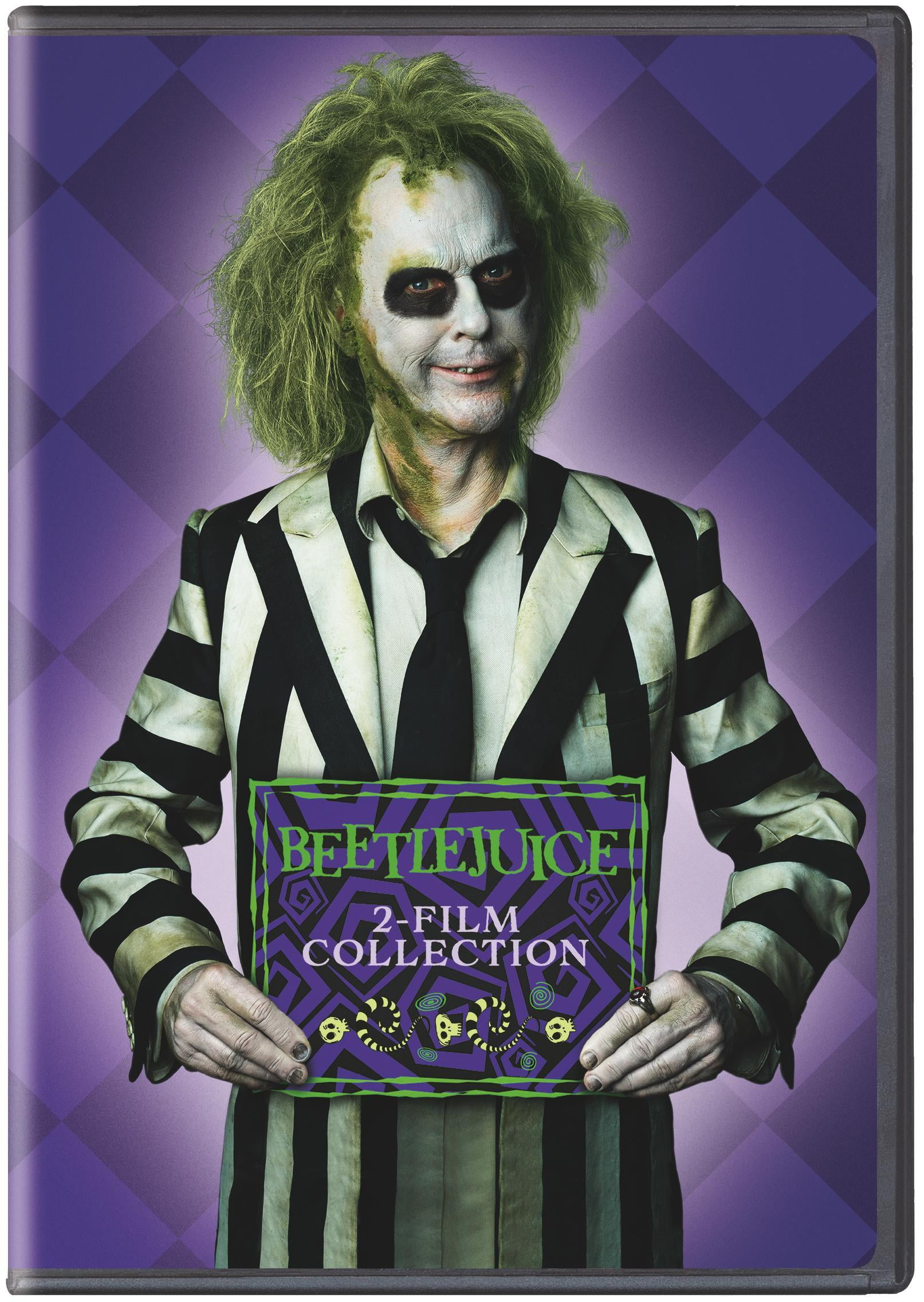
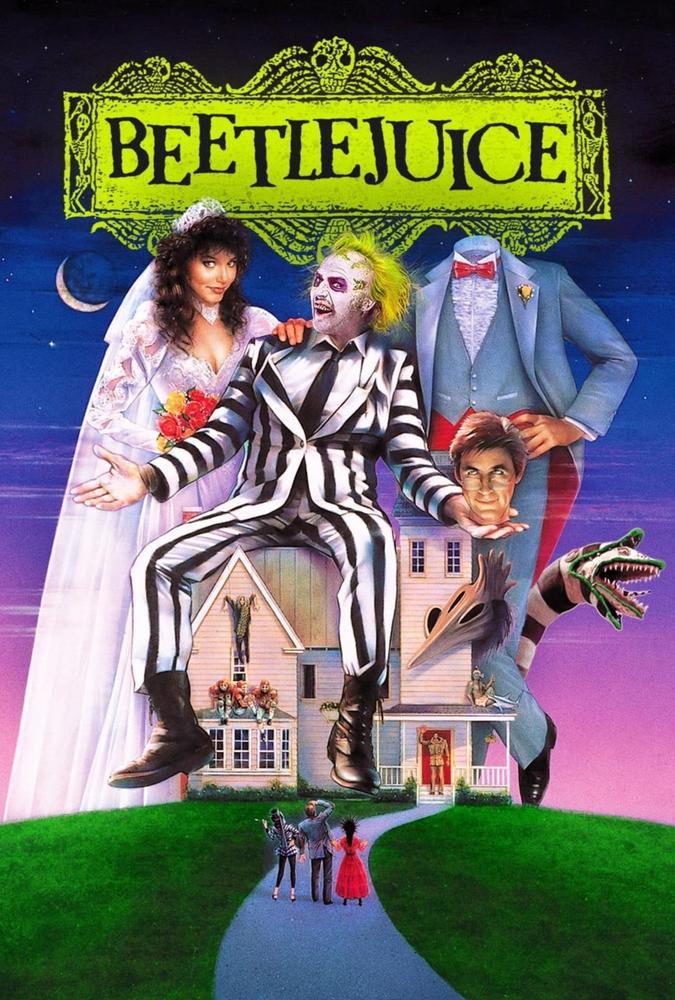
The titular character, Betelgeuse, is arguably the most recognizable face of the brand. Portrayed by Michael Keaton with unrestrained, manic energy, he is a vulgar, shape-shifting poltergeist whose services are enlisted to rid homes of the living. His distinctive green hair, striped suit, and decaying appearance immediately communicate his chaotic, mischievous brand persona. Beetlejuice embodies the anti-establishment spirit, a trickster archetype that appeals to those who enjoy dark humor and unconventional heroes. His memorable catchphrases and exaggerated antics made him an instant icon, solidifying his status as the brand’s wild card and a masterclass in developing a compelling, if morally ambiguous, character brand. His persona single-handedly broadened the film’s appeal beyond traditional horror fans, drawing in those who appreciated its comedic genius and unique visual style.
Lydia Deetz: The Relatable Outsider
Winona Ryder’s portrayal of Lydia Deetz provided the brand with its emotional anchor and its most relatable human element. A morbid, artistic, and misunderstood teenager, Lydia feels like an outsider within her own eccentric family and the world at large. Her ability to see ghosts makes her the only living character who can communicate with the Maitlands, establishing a crucial bridge between the film’s two primary worlds.
Lydia’s brand persona is one of dark romanticism and empathy. She represents the audience’s inner goth, the sensitive soul who finds beauty in the macabre and connects with the supernatural on a deeper level. Her alienation from her materialistic stepmother and indifferent father creates an emotional core that grounds the film’s fantastical elements. Her iconic black clothing and serious demeanor made her a fashion statement for a generation, solidifying her status as a cultural brand icon that resonated with countless young people. She is the brand’s heart, proving that even a fantastical narrative needs a character with whom the audience can genuinely empathize.
The Maitlands: Sympathetic Straightmen
Adam (Alec Baldwin) and Barbara (Geena Davis) Maitland function as the brand’s sympathetic protagonists. Their wholesome, innocent nature and their distress at being displaced after death make them incredibly endearing. They represent the “everyman” thrust into extraordinary circumstances, trying to navigate the bewildering bureaucracy of the afterlife while longing for the simple comforts of home. Their struggles to adapt to their spectral existence and their bumbling attempts at haunting provide much of the film’s foundational comedy. As the brand’s emotional core, they ground the wild antics of Beetlejuice and the Deetzes, offering a sense of normalcy against which the supernatural chaos can truly shine. Their brand promise is relatability, reminding the audience that even in the most outlandish scenarios, human (or post-human) desires for peace and belonging remain universal.
Marketing the Undead: Cultivating a Niche Audience
The Beetlejuice brand’s marketing strategy cleverly leveraged its unique visual style and unconventional tone to appeal to a distinct audience segment, moving beyond traditional horror or comedy demographics.
Visual Marketing and Iconic Imagery
The film’s marketing materials heavily emphasized its distinctive visual identity. The iconic imagery of Beetlejuice in his striped suit, the surreal landscapes of the afterlife, and the grotesque yet comical creature designs became synonymous with the brand. Posters and trailers showcased the film’s dark humor and whimsical horror, differentiating it from mainstream releases. This visual-first approach effectively communicated the brand’s promise of a quirky, darkly comedic supernatural experience. The “three times” rule for summoning Beetlejuice also created an interactive and memorable element, contributing to its virality and cult status long before the age of digital marketing.
Word-of-Mouth and Cult Status
Beetlejuice didn’t just rely on traditional advertising; it built its brand through word-of-mouth and cultivated a strong cult following. Its irreverent humor, unique aesthetic, and anti-hero protagonist resonated deeply with audiences looking for something outside the norm. This organic growth allowed the brand to solidify its niche, turning casual viewers into fervent fans who actively championed the film. This grassroots branding strategy proved incredibly effective in creating a long-lasting and dedicated consumer base, demonstrating that a strong, unique product can often market itself through genuine audience connection.
Lasting Legacy: Brand Extension and Enduring Appeal
The narrative and character foundations laid by Beetlejuice in 1988 proved robust enough to support significant brand extension and maintain enduring appeal for decades.
Franchising and Merchandising
The success of the film led to the creation of an animated television series, video games, and a highly successful Broadway musical. This extensive franchising demonstrates the strength of the Beetlejuice brand and its ability to adapt across different media. Each adaptation carefully retained the core brand elements—Tim Burton’s aesthetic, the dark humor, the iconic characters—while expanding the narrative universe. Merchandising, from action figures to apparel, further solidified Beetlejuice’s position as a recognizable and collectible brand. This brand resilience speaks to the universal appeal of its themes and the timeless nature of its character design.
Cultural Resonance and Reinvention
Beetlejuice‘s ongoing cultural resonance highlights its successful brand strategy. Its characters and visual motifs frequently appear in pop culture references, Halloween costumes, and fan art. The film’s themes of feeling like an outsider, confronting the unknown, and finding connection in unlikely places continue to resonate with new generations. The anticipation surrounding potential sequels or reboots decades after its initial release is a testament to the brand’s enduring power and the audience’s continued affection for its unique blend of the bizarre and the heartwarming. The movie wasn’t just about a ghost haunting a house; it was about establishing a cultural touchstone that could be endlessly reinterpreted and celebrated, a true masterclass in brand longevity through narrative and aesthetic innovation.
aViewFromTheCave is a participant in the Amazon Services LLC Associates Program, an affiliate advertising program designed to provide a means for sites to earn advertising fees by advertising and linking to Amazon.com. Amazon, the Amazon logo, AmazonSupply, and the AmazonSupply logo are trademarks of Amazon.com, Inc. or its affiliates. As an Amazon Associate we earn affiliate commissions from qualifying purchases.