
The digital world often feels like an unshakeable monolith, a constant hum of interconnected services powering our daily lives. When a significant outage occurs, particularly from a titan like Microsoft, it sends ripples of disruption and concern across a vast user base. Understanding the nature of these events, their technical underpinnings, and their broader implications is crucial for anyone reliant on the digital infrastructure that Microsoft provides. This article delves into the recent Microsoft outage, dissecting its causes, impacts, and the lessons learned by the tech industry.
Understanding the Scope of the Outage
When a service as pervasive as Microsoft’s experiences an outage, the effects are far-reaching. It’s not just about one application failing; it’s about a potential domino effect that can cascade through various interconnected systems.
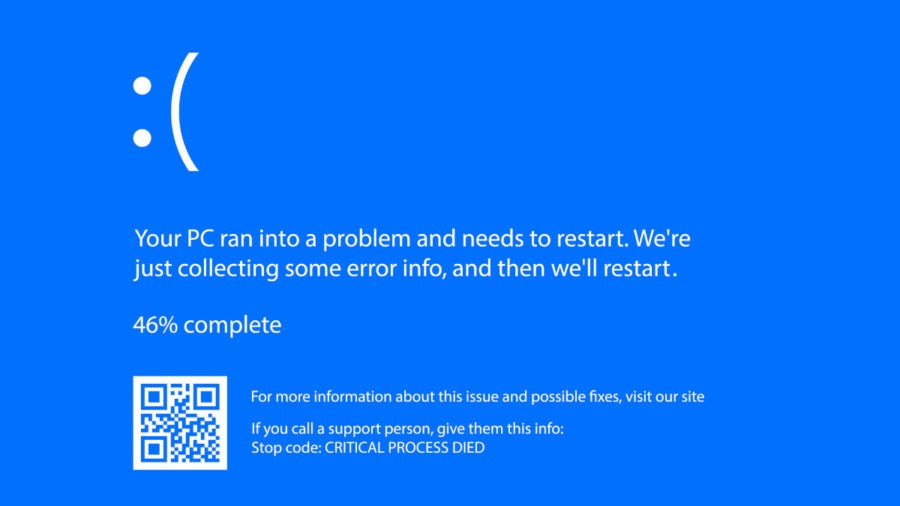
The Breadth of Affected Services
Microsoft’s cloud computing platform, Azure, underpins a staggering array of services, from small business applications to critical enterprise infrastructure. When Azure experiences issues, the potential for disruption is immense. This can manifest in several ways:
- Productivity Suites: Services like Microsoft 365, which includes Word, Excel, PowerPoint, Outlook, and Teams, are often heavily reliant on Azure for their functionality. Users might find themselves unable to access documents, send emails, or participate in collaborative meetings. This directly impacts daily workflow for millions.
- Cloud Infrastructure: Many businesses of all sizes leverage Azure for hosting their websites, running their databases, and deploying custom applications. An outage here can mean downtime for entire organizations, leading to lost revenue, customer dissatisfaction, and operational paralysis.
- Gaming and Entertainment: Services like Xbox Live, a cornerstone of the online gaming community, can also be affected. This disrupts the ability of gamers to connect with friends, play online multiplayer games, and access purchased digital content.
- Developer Tools and Services: Microsoft also provides a suite of tools for developers, such as GitHub and Azure DevOps. Outages in these areas can halt development pipelines, impacting the creation and deployment of new software.
The interconnected nature of these services means that a single point of failure within Azure can have a cascading effect, impacting users and organizations far beyond the immediate scope of the initial problem. The complexity of modern cloud architectures, while offering immense benefits, also presents significant challenges when it comes to maintaining stability.
The Immediate User Experience
For the average user, an outage is experienced as a sudden and frustrating lack of access. Websites may fail to load, applications may crash or refuse to open, and communication channels might go silent. This can range from minor inconvenconveniences to critical disruptions depending on the user’s reliance on the affected service.
- Frustration and Lost Productivity: Employees relying on Microsoft Teams for communication might find themselves unable to connect with colleagues, halting project progress. Businesses unable to access their cloud-hosted applications or customer databases face direct financial losses and reputational damage.
- Impact on Critical Functions: In some cases, Microsoft services are used for mission-critical functions. For instance, healthcare providers might use Azure for storing patient data or running administrative systems. An outage in such scenarios can have serious consequences, impacting patient care.
- Erosion of Trust: While occasional outages are almost inevitable in complex systems, repeated or prolonged disruptions can erode user trust in the reliability of Microsoft’s services. This can lead to users and organizations considering alternative solutions, even if the switching costs are high.
Deconstructing the Technical Causes
Understanding why an outage occurs is a critical part of the post-mortem process for any tech company. These events are rarely caused by a single, simple error but rather a confluence of factors within highly complex systems.
Network and Infrastructure Failures
At the most fundamental level, cloud services rely on a robust and interconnected network of data centers, servers, and networking equipment. Failures in any of these components can trigger widespread disruption.
- Hardware Malfunctions: Like any complex machinery, servers and networking devices can fail. A faulty switch, a malfunctioning router, or a power supply unit failure in a critical data center could have significant repercussions.
- Software Bugs in Network Management: The software that manages the routing of traffic and the allocation of resources within a data center is incredibly complex. A bug in this software, especially one that is triggered under specific conditions, can lead to network instability or complete failure.
- Configuration Errors: Human error is a persistent factor in technology. Incorrectly configured network devices or misapplied software updates can inadvertently disrupt traffic flow and lead to service unavailability. The sheer scale of Microsoft’s infrastructure means that even a small configuration error can have an outsized impact.
- Denial-of-Service (DoS) Attacks: While often associated with malicious intent, DoS attacks can also occur as a result of external factors or even internal misconfigurations that inadvertently mimic attack patterns. These attacks aim to overwhelm systems with traffic, making them inaccessible to legitimate users.
Software Updates and Deployments Gone Awry

The continuous development and deployment of new features and updates are essential for any tech company. However, this process also carries inherent risks.
- Faulty Code Deployments: A bug introduced in a new code release can have unintended consequences for the entire service. This might manifest as performance degradation, unexpected crashes, or complete service failure. The complexity of modern software, with its numerous dependencies, makes it challenging to predict all potential interactions.
- Rollback Failures: When a problematic update is identified, companies often have mechanisms to “roll back” to a previous stable version. If these rollback procedures themselves fail or are insufficient, the faulty update can remain in place, prolonging the outage.
- Interdependencies and Unforeseen Interactions: Modern software systems are not monolithic. They consist of numerous interconnected microservices and components. An update to one component might have unforeseen negative interactions with another, leading to a cascade of failures that are difficult to diagnose.
Human Error and Operational Challenges
Despite advancements in automation, human oversight and intervention remain critical in managing large-scale cloud infrastructure. This is also where some of the most challenging outages can originate.
- Accidental Deletion or Modification: A system administrator or engineer might accidentally delete a critical configuration file, modify a vital setting incorrectly, or disable a necessary service while attempting to perform routine maintenance. The sheer volume of commands and actions performed daily increases the probability of such an event.
- Misinterpretation of Alerts or Logs: Complex systems generate a vast amount of data in the form of logs and alerts. Misinterpreting these signals, or failing to act on them promptly, can allow a minor issue to escalate into a major outage.
- Over-reliance on Automation Without Adequate Safeguards: While automation is essential for efficiency, systems that are entirely automated without robust human oversight and fail-safes can be vulnerable to unexpected scenarios that the automation was not designed to handle.
Impact and Lessons Learned
Outages, while disruptive, serve as critical learning opportunities for the tech industry. They highlight areas of vulnerability and drive improvements in resilience and operational processes.
Business Continuity and Disaster Recovery
The most immediate impact of a significant outage is on business continuity. Organizations that rely on Microsoft services for their core operations must have robust disaster recovery plans in place.
- Rethinking Redundancy and Failover: Outages prompt a re-evaluation of redundancy strategies. Are systems truly designed for high availability? How quickly can failover to secondary systems occur? This often leads to investments in more geographically diverse data centers and more sophisticated load balancing mechanisms.
- Developing Comprehensive Backup Strategies: Beyond simply backing up data, businesses need to consider how to restore operations. This involves not just data recovery but also the re-establishment of application functionality and network connectivity.
- Improving Communication and Crisis Management: During an outage, clear and timely communication is paramount. Companies learn to refine their crisis management protocols, ensuring that information flows effectively to stakeholders, employees, and customers. This includes developing pre-approved communication templates and identifying key personnel responsible for disseminating updates.
Enhancing System Resilience and Monitoring
The aftermath of an outage invariably leads to a push for improved monitoring and proactive threat detection.
- Advanced Monitoring and Alerting: Investments are often made in more sophisticated monitoring tools that can detect subtle anomalies and potential issues before they escalate. This includes real-time performance metrics, anomaly detection algorithms, and predictive analytics.
- Chaos Engineering Practices: To proactively identify weaknesses, some organizations adopt “chaos engineering,” where they deliberately inject failures into their systems in a controlled environment to test their resilience and identify potential points of failure before they impact real users.
- Strengthening Deployment Pipelines: The process of deploying software updates is scrutinized to ensure that it includes rigorous testing, phased rollouts, and automated rollback capabilities. This minimizes the risk of faulty code causing widespread disruption.

The Evolving Landscape of Cloud Reliability
The Microsoft outage, like others experienced by major tech providers, underscores the dynamic and ever-evolving nature of cloud computing.
- The Trade-off Between Innovation and Stability: Cloud providers constantly balance the need to innovate and introduce new features with the imperative to maintain rock-solid stability. This is an ongoing challenge, as complexity inherently increases the potential for errors.
- The Importance of Transparency and Communication: In the wake of an outage, a company’s transparency and communication strategy are critical for rebuilding trust. Detailed post-mortems, clear explanations of what happened, and concrete steps being taken to prevent future occurrences are vital.
- User Education and Best Practices: Users and businesses also have a role to play. Understanding the shared responsibility model of cloud computing, implementing their own resilience measures, and staying informed about potential issues can mitigate the impact of future outages.
In conclusion, while the term “Microsoft outage” might sound simple, it represents a complex interplay of technical systems, human operations, and the inherent challenges of maintaining massive, interconnected digital infrastructure. The lessons learned from such events are not confined to a single company; they contribute to the ongoing effort across the entire tech industry to build more reliable, resilient, and trustworthy digital services for everyone.
aViewFromTheCave is a participant in the Amazon Services LLC Associates Program, an affiliate advertising program designed to provide a means for sites to earn advertising fees by advertising and linking to Amazon.com. Amazon, the Amazon logo, AmazonSupply, and the AmazonSupply logo are trademarks of Amazon.com, Inc. or its affiliates. As an Amazon Associate we earn affiliate commissions from qualifying purchases.