
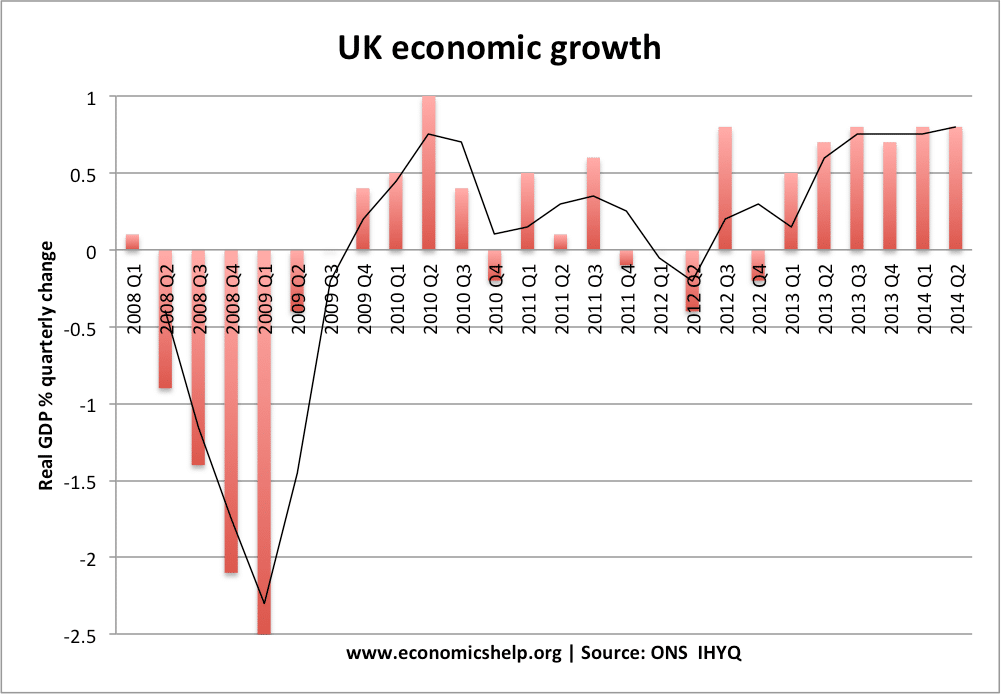
The year 2008 is etched in the minds of many as a period of profound economic upheaval. The global financial crisis, often referred to as the 2008 recession, was a complex and far-reaching event that originated in the United States and rapidly spread across the world. It wasn’t a sudden collapse but rather the culmination of years of brewing financial instability, primarily driven by a housing market bubble and risky lending practices. Understanding the causes, impacts, and the eventual recovery is crucial for navigating current and future economic landscapes. This article delves into the multifaceted nature of the 2008 recession, exploring its origins, the domino effect it triggered, and the long-term implications for personal finance, business, and the broader economy.
The Roots of the Crisis: A Bubble Built on Sand
The 2008 recession was not an isolated incident; it was the predictable outcome of a confluence of factors that created an unsustainable economic environment. At its core lay the American housing market, which experienced a dramatic boom in the early to mid-2000s. This period was characterized by readily available credit, low interest rates, and a widespread belief that housing prices would continue to climb indefinitely. This optimistic outlook fueled a surge in demand, driving prices to unprecedented levels and creating a speculative bubble.
The Subprime Mortgage Phenomenon
A key driver of the housing bubble was the proliferation of subprime mortgages. These were loans issued to borrowers with poor credit histories, who were considered a higher risk of defaulting. Lenders, eager to capitalize on the booming housing market and driven by government policies encouraging homeownership, relaxed their lending standards significantly. This included offering “NINJA” loans (No Income, No Job, or Assets), adjustable-rate mortgages (ARMs) with low initial “teaser” rates that would later skyrocket, and interest-only loans. The assumption was that even if borrowers couldn’t repay, the ever-increasing value of their homes would allow them to refinance or sell at a profit.
Securitization and the Spread of Risk
The real danger, however, lay in the way these subprime mortgages were packaged and sold. Financial institutions engaged in a process called securitization, where thousands of individual mortgages, including the risky subprime ones, were bundled together into complex financial products known as Mortgage-Backed Securities (MBS). These MBS were then sold to investors worldwide, including pension funds, insurance companies, and other financial institutions.
The innovation of Credit Default Swaps (CDS) further complicated matters. A CDS is essentially an insurance policy against a borrower defaulting on a debt. These were often bought without owning the underlying asset, allowing for massive speculation on the failure of these MBS. This created a situation where the interconnectedness of the financial system meant that the failure of a few thousand subprime borrowers could trigger a cascade of defaults throughout the global financial system. The risk was no longer isolated to individual lenders but was distributed and amplified across countless institutions.
Deregulation and Lax Oversight
Adding to the perilous environment was a period of financial deregulation. Over the years leading up to 2008, many of the regulations that had been put in place after the Great Depression to prevent such crises were weakened or repealed. This allowed financial institutions to engage in riskier practices, such as excessive leverage (borrowing heavily to invest), and reduced transparency in financial markets. The lack of robust oversight meant that the burgeoning risks within the subprime mortgage market and the complex financial instruments built upon them went largely unchecked.
The Unraveling: From Housing Crash to Global Meltdown
As interest rates began to rise in the mid-2000s, many borrowers with ARMs found themselves unable to afford their escalating monthly payments. This led to a surge in mortgage defaults, and as more homeowners defaulted, the supply of homes on the market increased, while demand dwindled. The housing market bubble began to deflate, and housing prices started to fall. This marked the critical turning point where the underlying weakness of the financial system was exposed.
The Domino Effect: Bankruptcies and Bailouts
The falling housing prices had a devastating impact on the value of MBS and related derivatives. Financial institutions that held these assets saw their balance sheets decimated. As the value of their investments plummeted, many institutions faced severe liquidity shortages, meaning they didn’t have enough cash to meet their short-term obligations. Fear and uncertainty gripped the financial markets, leading to a severe credit crunch. Banks became unwilling to lend to each other, fearing that their counterparties might collapse.
This fear manifested in the spectacular failures of major financial institutions. Lehman Brothers, a prominent investment bank, declared bankruptcy in September 2008, sending shockwaves through the global financial system. Other institutions, such as Bear Stearns and Merrill Lynch, were acquired under duress, while others, like AIG, the world’s largest insurance company, required massive government bailouts to avoid collapse. The interconnectedness of the global financial system meant that the crisis in the US quickly spread, impacting banks and economies worldwide.
The Impact on the Real Economy
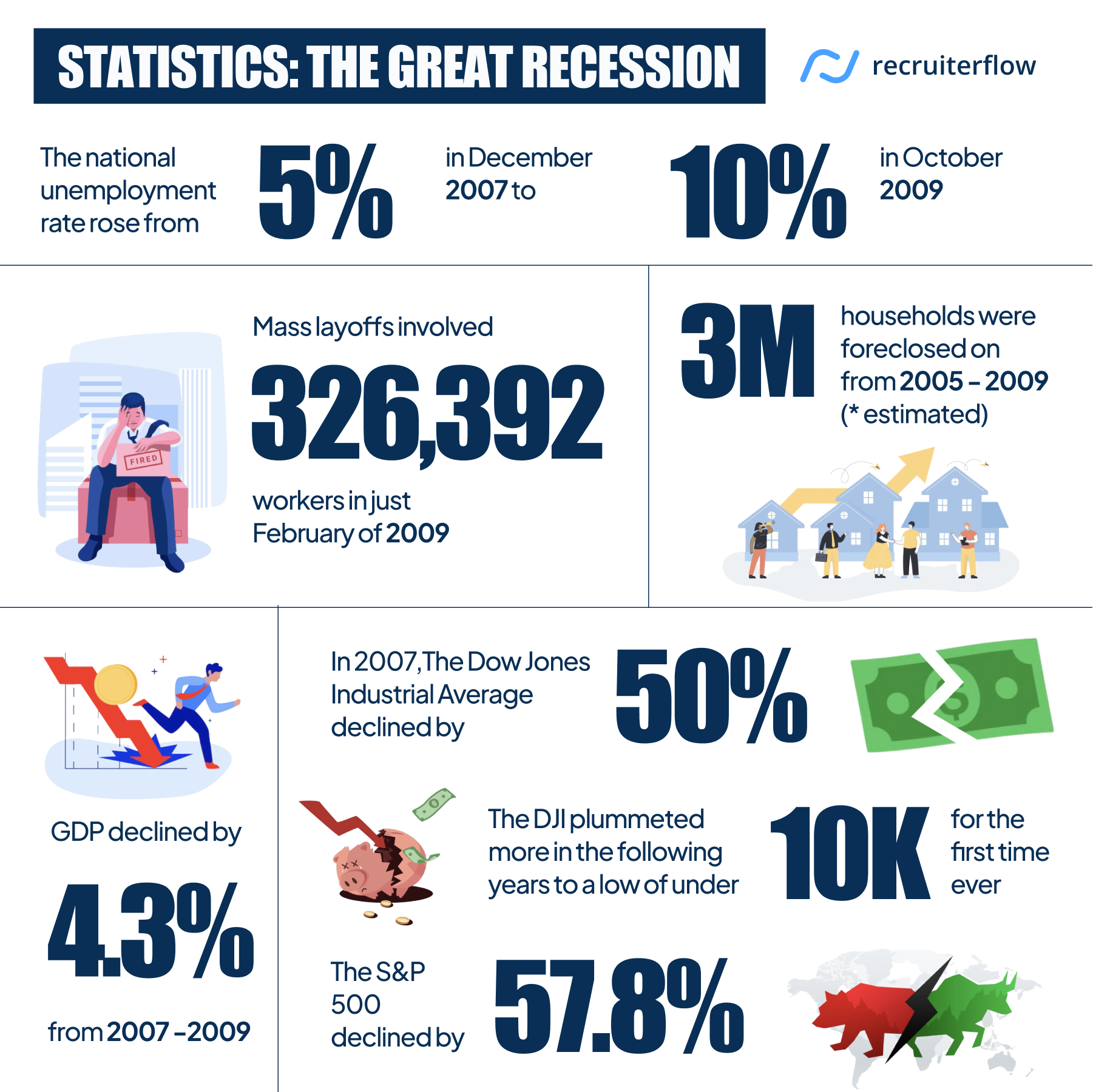
The financial crisis had a profound and immediate impact on the broader economy. As credit dried up, businesses found it difficult to secure the funding they needed to operate, invest, and hire. This led to widespread layoffs and a sharp increase in unemployment. Consumer confidence plummeted, and spending on goods and services declined significantly. This created a vicious cycle: job losses led to reduced spending, which in turn led to more job losses and a further contraction of economic activity.
The stock markets experienced dramatic plunges as investors panicked and sold off their holdings. This wiped out trillions of dollars in wealth, further eroding consumer and business confidence. Industries heavily reliant on credit, such as the automotive and housing sectors, were particularly hard hit. The global nature of the crisis meant that developed and developing nations alike experienced economic slowdowns, trade disruptions, and rising unemployment.
The Path to Recovery and Lasting Legacies
The aftermath of the 2008 recession was a period of significant government intervention and a long, arduous journey towards economic recovery. The scale of the crisis necessitated unprecedented measures to stabilize the financial system and stimulate economic growth. The lessons learned from this period continue to shape financial regulation and personal financial planning today.
Government Interventions and Stimulus Measures
Governments and central banks around the world implemented a range of measures to combat the crisis. In the United States, the Troubled Asset Relief Program (TARP) was enacted, providing financial assistance to struggling banks and other financial institutions to prevent a complete collapse of the financial system. The Federal Reserve, the US central bank, aggressively lowered interest rates to near zero and engaged in quantitative easing (QE), a program of purchasing government bonds and other securities to inject liquidity into the economy.
Fiscal stimulus packages were also implemented, involving government spending on infrastructure projects and tax cuts to boost demand. These measures, while controversial at the time, are widely credited with preventing a complete meltdown of the global economy and laying the groundwork for recovery. However, they also led to a significant increase in government debt in many countries.
Regulatory Reforms and Financial Oversight
The 2008 recession highlighted critical flaws in financial regulation and oversight. In response, governments enacted significant reforms aimed at preventing future crises. The Dodd-Frank Wall Street Reform and Consumer Protection Act in the United States, for example, introduced stricter regulations on banks, increased oversight of derivatives, and established the Consumer Financial Protection Bureau (CFPB) to protect consumers from predatory financial practices.
These reforms aimed to increase transparency, reduce systemic risk, and ensure that financial institutions operate with greater prudence. The debate over the effectiveness and scope of these regulations continues, but they represent a significant shift towards a more regulated financial environment compared to the pre-crisis era.

Long-Term Impacts on Personal Finance and the Economy
The 2008 recession left an indelible mark on personal finance and the broader economic landscape. Many individuals experienced significant losses in their retirement savings due to the stock market crash. Homeowners who lost their homes to foreclosure faced immense financial hardship and often struggled to secure new housing. The prolonged period of high unemployment and stagnant wage growth that followed the crisis had a lasting impact on household finances and contributed to increased income inequality.
For businesses, the recession led to a period of cautious investment and a re-evaluation of risk management strategies. The crisis also spurred innovation in the financial technology (fintech) sector, as companies sought to provide more transparent, accessible, and efficient financial services.
In conclusion, the 2008 recession was a complex and devastating economic event that stemmed from a housing bubble fueled by risky lending practices and amplified by the securitization of mortgages and deregulation. Its impact was felt globally, leading to widespread job losses, financial institution failures, and a global credit crunch. While government interventions and regulatory reforms helped steer the world back from the brink, the recession served as a stark reminder of the fragility of the financial system and the profound consequences of unchecked risk-taking, leaving a legacy that continues to shape economic policies and personal financial decisions.
aViewFromTheCave is a participant in the Amazon Services LLC Associates Program, an affiliate advertising program designed to provide a means for sites to earn advertising fees by advertising and linking to Amazon.com. Amazon, the Amazon logo, AmazonSupply, and the AmazonSupply logo are trademarks of Amazon.com, Inc. or its affiliates. As an Amazon Associate we earn affiliate commissions from qualifying purchases.