
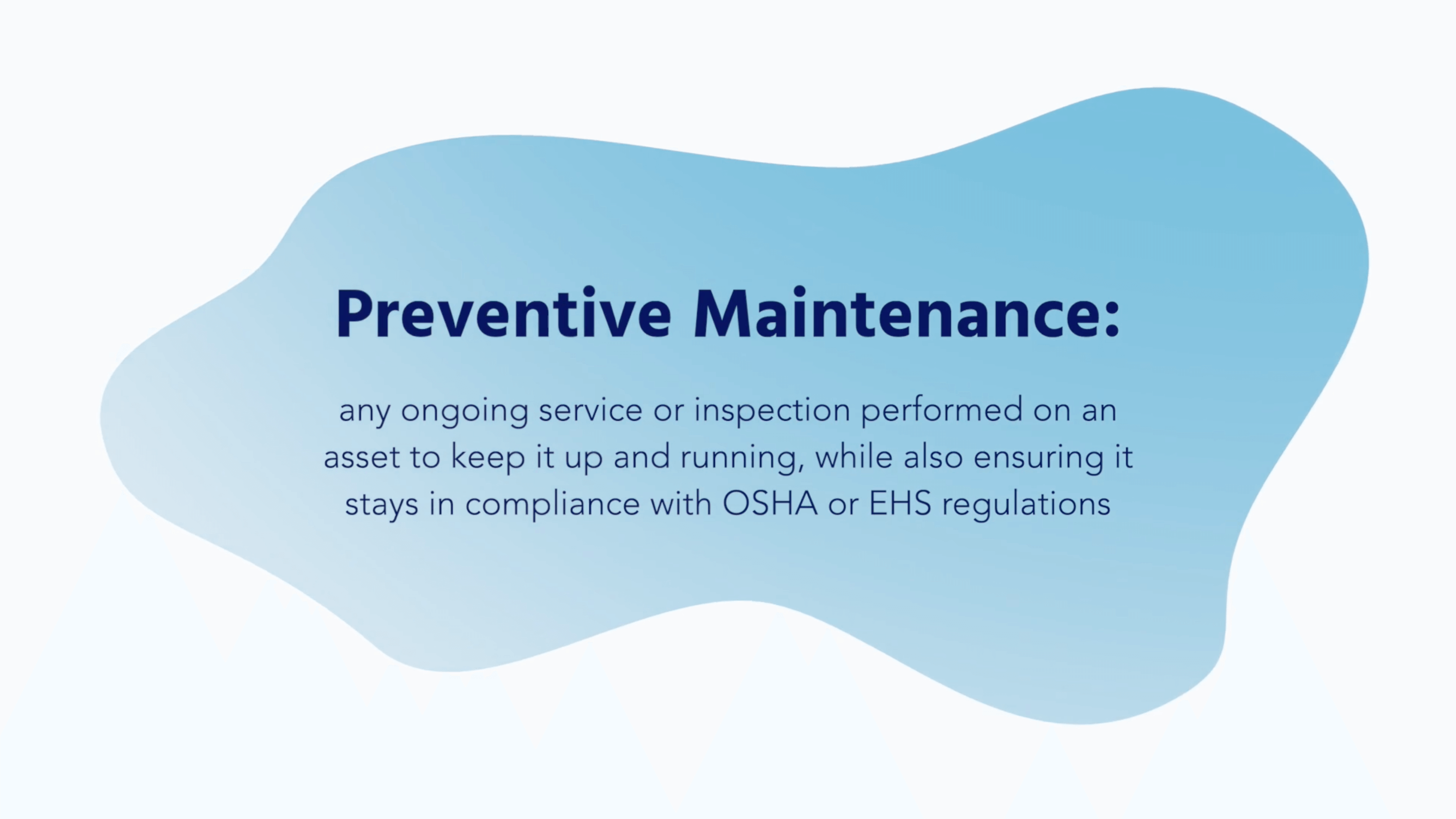
Preventive maintenance. The term itself conjures images of scheduled oil changes for cars or routine check-ups for machinery. But in today’s rapidly evolving digital landscape, its meaning extends far beyond the physical. For professionals navigating the realms of Tech, Brand, and Money, preventive maintenance is not just about avoiding breakdowns; it’s about proactively safeguarding, optimizing, and future-proofing your most valuable assets – your technology, your reputation, and your financial well-being.
This isn’t about reacting to problems as they arise, but about cultivating a mindset of foresight and strategic action. It’s about investing time and resources today to prevent costly disruptions, missed opportunities, and financial setbacks tomorrow. Let’s delve into what preventive maintenance truly signifies across these interconnected domains, and how adopting a proactive approach can lead to sustained success and resilience.
Preventive Maintenance in the Tech Ecosystem
In the fast-paced world of technology, staying ahead is paramount. The “break-fix” mentality – waiting for something to fail before addressing it – is a recipe for disaster. Preventive maintenance in tech is about a continuous cycle of observation, assessment, and proactive intervention to ensure systems, software, and digital assets function optimally and securely.
1. Proactive Digital Security: Fortifying Your Virtual Walls
Digital security is no longer an afterthought; it’s the bedrock of any successful tech operation. Preventive maintenance in this domain focuses on creating a robust defense against evolving cyber threats.
1.1. Regular Software Updates and Patch Management:
The most fundamental aspect of digital security is keeping your software up-to-date. Every update and patch released by software vendors addresses vulnerabilities discovered since the last version. Neglecting these updates is akin to leaving your front door wide open to potential intruders.
- Why it matters: Exploits often target known vulnerabilities in outdated software. By applying patches promptly, you close these security holes, making it significantly harder for malware, ransomware, and other malicious actors to infiltrate your systems.
- Proactive steps: Implement an automated update schedule for your operating systems, applications, and plugins. Regularly audit your software inventory to ensure all critical components are accounted for and updated. For businesses, this might involve using dedicated patch management tools.
- AI’s role: AI-powered tools can now scan for and prioritize critical patches based on threat intelligence and your specific system configuration, making the process more efficient and effective.
1.2. Robust Backup and Disaster Recovery Strategies:
Data loss can be catastrophic, whether it’s due to hardware failure, cyberattacks, or accidental deletion. Preventive maintenance here means establishing and regularly testing comprehensive backup and disaster recovery plans.
- Why it matters: A solid backup strategy ensures that you can restore your data and systems to a functional state in the event of an unforeseen incident. Without it, business operations can grind to a halt, leading to significant financial losses and reputational damage.
- Proactive steps: Implement the “3-2-1” backup rule: at least three copies of your data, on two different media, with one copy offsite. Regularly test your backup restoration process to confirm its integrity and speed. Consider cloud-based backup solutions for offsite storage and accessibility.
- AI’s role: AI can analyze backup data for anomalies, detect potential corruption early, and even optimize backup schedules based on data change rates.
1.3. Network Monitoring and Intrusion Detection:
Your network is the highway of your digital life. Preventive maintenance involves constant vigilance to detect unusual activity that might indicate a security breach or performance issue.
- Why it matters: Real-time monitoring allows you to spot suspicious traffic patterns, unauthorized access attempts, or performance bottlenecks before they escalate into major problems.
- Proactive steps: Utilize network monitoring tools to track bandwidth usage, identify unusual connections, and alert you to potential threats. Implement intrusion detection systems (IDS) and intrusion prevention systems (IPS) to automatically identify and block malicious activity.
- AI’s role: AI-driven security analytics can learn normal network behavior and flag deviations with higher accuracy, reducing false positives and enabling quicker response to genuine threats.
2. System Optimization and Performance Tuning:
Beyond security, preventive maintenance in tech is about ensuring your systems run at peak efficiency. Sluggish performance or frequent glitches can lead to lost productivity, frustrated users, and ultimately, missed business opportunities.
2.1. Regular System Audits and Performance Reviews:
Think of this as a regular health check-up for your digital infrastructure. It involves scrutinizing your systems for inefficiencies, outdated configurations, and potential bottlenecks.
- Why it matters: Identifying and addressing performance issues before they become critical ensures smooth operation, faster processing, and a better user experience. This can directly translate to increased productivity and revenue.
- Proactive steps: Schedule regular performance reviews of your servers, applications, and databases. Analyze system logs for errors and warnings. Identify and uninstall unused software or unnecessary background processes that consume resources.
- AI’s role: AI can analyze vast amounts of performance data to pinpoint subtle inefficiencies that human analysis might miss, suggesting specific optimizations for hardware and software.
2.2. Data Defragmentation and Cleanup:
Over time, data fragmentation and the accumulation of temporary files can slow down your systems. Preventive maintenance addresses this through regular cleanup and optimization.
- Why it matters: A clean and organized digital environment leads to faster file access, quicker application loading times, and overall improved system responsiveness.
- Proactive steps: Implement regular disk defragmentation (for traditional hard drives) and disk cleanup routines to remove temporary files, cached data, and system junk. For Solid State Drives (SSDs), TRIM commands perform a similar function.
- AI’s role: While less direct, AI can influence storage management by predicting data access patterns and optimizing file placement for quicker retrieval.
2.3. Hardware Health Checks and Lifecycle Management:
Even the most advanced software relies on robust hardware. Preventive maintenance extends to ensuring your physical tech assets are in good working order and planning for their eventual replacement.
- Why it matters: Unexpected hardware failures can cause significant downtime. Proactive monitoring and planning can prevent these costly interruptions.
- Proactive steps: Implement monitoring tools that track hardware health metrics like temperature, fan speed, and disk health. Develop a hardware lifecycle management plan to track the age and performance of your equipment, planning for upgrades before failure becomes likely.
- AI’s role: AI can analyze sensor data from hardware to predict potential failures with a higher degree of accuracy, allowing for proactive replacement or repair.
Preventive Maintenance in Branding and Reputation Management
Your brand is your most valuable intangible asset. In today’s interconnected world, a single negative incident can have a devastating impact on your reputation. Preventive maintenance in this domain is about actively cultivating a positive brand image and mitigating potential risks before they materialize.
3. Proactive Brand Reputation Management:
This is about consistently projecting a positive and authentic brand image, and being prepared for any storms that might arise.
3.1. Consistent Brand Messaging and Voice:
Maintaining a clear, consistent, and authentic brand voice across all platforms is a form of preventive maintenance. It builds trust and recognition over time.
- Why it matters: Inconsistent messaging leads to confusion and a diluted brand identity. A strong, unified voice reinforces your brand’s values and strengthens customer loyalty.
- Proactive steps: Develop clear brand guidelines that outline your brand’s voice, tone, and visual identity. Train your team to adhere to these guidelines in all communications. Regularly review your marketing materials and social media content to ensure consistency.
- AI’s role: AI-powered content analysis tools can identify deviations in brand voice across different platforms and even suggest revisions to align with established guidelines.
3.2. Social Media Listening and Engagement:
Actively monitoring what people are saying about your brand online is crucial for understanding public perception and identifying potential issues early.
- Why it matters: Social media listening allows you to gauge sentiment, identify emerging trends, address customer concerns proactively, and even discover new opportunities. Ignoring what’s being said is a major risk.
- Proactive steps: Utilize social media monitoring tools to track mentions of your brand, products, and relevant keywords. Respond promptly and thoughtfully to both positive and negative feedback. Engage in conversations to build community and demonstrate transparency.
- AI’s role: AI can analyze large volumes of social media data to identify sentiment trends, detect potential crises, and even automate responses to common inquiries, freeing up human resources for more complex issues.

3.3. Crisis Communication Preparedness:
No brand is immune to negative events. Preventive maintenance here involves having a well-defined plan in place to manage crises effectively.
- Why it matters: A swift, transparent, and well-executed crisis response can mitigate reputational damage and rebuild trust. A chaotic or delayed response can amplify the negative impact.
- Proactive steps: Develop a comprehensive crisis communication plan that outlines roles, responsibilities, communication channels, and key messages for various scenarios. Conduct mock crisis drills to test the plan and train your team. Identify and build relationships with key stakeholders and media contacts.
- AI’s role: AI can assist in real-time crisis monitoring, identifying key influencers and sentiment, and even drafting initial holding statements or FAQs based on the unfolding situation.
4. Strategic Brand Development and Positioning:
Preventive maintenance in branding also involves looking ahead and ensuring your brand remains relevant and competitive.
4.1. Market Research and Trend Analysis:
Understanding your market and anticipating shifts in consumer behavior is vital for long-term brand health.
- Why it matters: Staying informed about industry trends and competitor activities allows you to adapt your strategies, innovate, and maintain a competitive edge.
- Proactive steps: Conduct regular market research to understand your target audience, their needs, and evolving preferences. Monitor industry publications, competitor activities, and emerging technologies.
- AI’s role: AI can analyze vast datasets from market research, social media, and news to identify emerging trends and predict future consumer behavior with greater accuracy.
4.2. Consistent Brand Experience Across Touchpoints:
Ensuring that every interaction a customer has with your brand is positive and consistent is a crucial form of preventive maintenance for customer loyalty.
- Why it matters: A fragmented or negative customer experience can lead to churn and damage your reputation. A seamless, positive experience fosters loyalty and advocacy.
- Proactive steps: Map out your customer journey and identify all touchpoints. Ensure that your website, social media, customer service, and physical locations (if applicable) all reflect your brand’s values and offer a consistent experience.
- AI’s role: AI-powered chatbots and personalization engines can help deliver consistent and efficient customer service across various digital channels.
Preventive Maintenance in Personal and Business Finance
Financial stability is not an accident; it’s the result of deliberate planning and consistent effort. Preventive maintenance in finance is about safeguarding your assets, optimizing your financial health, and preparing for unexpected financial challenges.
5. Personal Financial Health and Security:
For individuals, preventive financial maintenance is about building a secure future and avoiding the pitfalls of poor financial management.
5.1. Regular Budgeting and Financial Planning:
Just as you schedule maintenance for your car, regular financial planning is essential for keeping your personal finances in check.
- Why it matters: A well-managed budget provides a clear picture of your income and expenses, allowing you to identify areas for savings, track progress towards financial goals, and avoid debt.
- Proactive steps: Create a detailed budget, track your spending meticulously, and regularly review your financial progress. Set realistic short-term and long-term financial goals (e.g., saving for a down payment, retirement).
- AI’s role: AI-powered personal finance apps can automate budget tracking, identify spending patterns, offer personalized savings tips, and even alert you to potential overdrafts.
5.2. Debt Management and Credit Score Maintenance:
Proactive management of debt and maintaining a good credit score are critical for financial well-being and access to future opportunities.
- Why it matters: High-interest debt can cripple your financial progress. A strong credit score is essential for securing loans, mortgages, and even some job opportunities.
- Proactive steps: Prioritize paying down high-interest debt. Avoid unnecessary borrowing. Regularly check your credit report for errors and take steps to improve your score, such as making on-time payments and keeping credit utilization low.
- AI’s role: AI can analyze your spending habits and offer personalized strategies for debt reduction, as well as alert you to potential impacts on your credit score.
5.3. Emergency Fund Building and Insurance Review:
Life is unpredictable. Preventive financial maintenance involves building a safety net for unexpected events.
- Why it matters: An emergency fund can cover unforeseen expenses like medical bills, job loss, or major repairs, preventing you from going into debt. Adequate insurance protects against significant financial loss.
- Proactive steps: Aim to build an emergency fund that covers 3-6 months of living expenses. Regularly review your insurance policies (health, auto, home, life) to ensure they provide adequate coverage for your current needs and circumstances.
- AI’s role: AI can help you calculate the optimal size for your emergency fund based on your income and expenses, and analyze insurance options to suggest the best fit for your risk profile.
6. Business Financial Resilience and Growth:
For businesses, preventive financial maintenance is about ensuring financial stability, profitability, and the capacity for growth.
6.1. Regular Financial Auditing and Forecasting:
Just as you perform routine checks on your IT systems, regular financial audits and accurate forecasting are vital for business health.
- Why it matters: Audits identify financial irregularities and ensure compliance, while accurate forecasting helps in strategic decision-making, resource allocation, and risk management.
- Proactive steps: Conduct regular internal audits of your financial records. Engage external auditors for periodic reviews. Develop robust financial forecasting models to predict future revenue, expenses, and cash flow.
- AI’s role: AI can automate financial data analysis, identify discrepancies, improve the accuracy of financial forecasts, and even flag potential areas of financial risk.
6.2. Cash Flow Management and Optimization:
Cash flow is the lifeblood of any business. Preventive maintenance ensures a healthy and predictable flow of funds.
- Why it matters: Poor cash flow management can lead to a business’s demise, even if it’s profitable on paper. Ensuring you have enough cash on hand to meet obligations is crucial for day-to-day operations and growth.
- Proactive steps: Implement strategies for efficient accounts receivable and payable management. Monitor your cash flow projections regularly and take steps to improve it, such as offering early payment discounts or negotiating better payment terms with suppliers.
- AI’s role: AI can analyze historical data to predict future cash flow patterns, identify potential shortages, and suggest strategies for optimization, such as dynamic pricing or inventory management.
6.3. Investment in Scalable Financial Tools and Systems:
As businesses grow, so too do their financial needs. Investing in appropriate financial technology is a form of preventive maintenance for future scalability.
- Why it matters: Relying on outdated or inadequate financial systems can hinder growth, create inefficiencies, and increase the risk of errors.
- Proactive steps: Research and implement scalable accounting software, expense management tools, and payment processing systems that can grow with your business. Regularly evaluate your existing financial technology to ensure it still meets your needs.
- AI’s role: AI is increasingly integrated into financial software, offering advanced features like automated invoicing, fraud detection, and personalized financial insights that support scalability.
Conclusion: The Power of Proactive Strategy
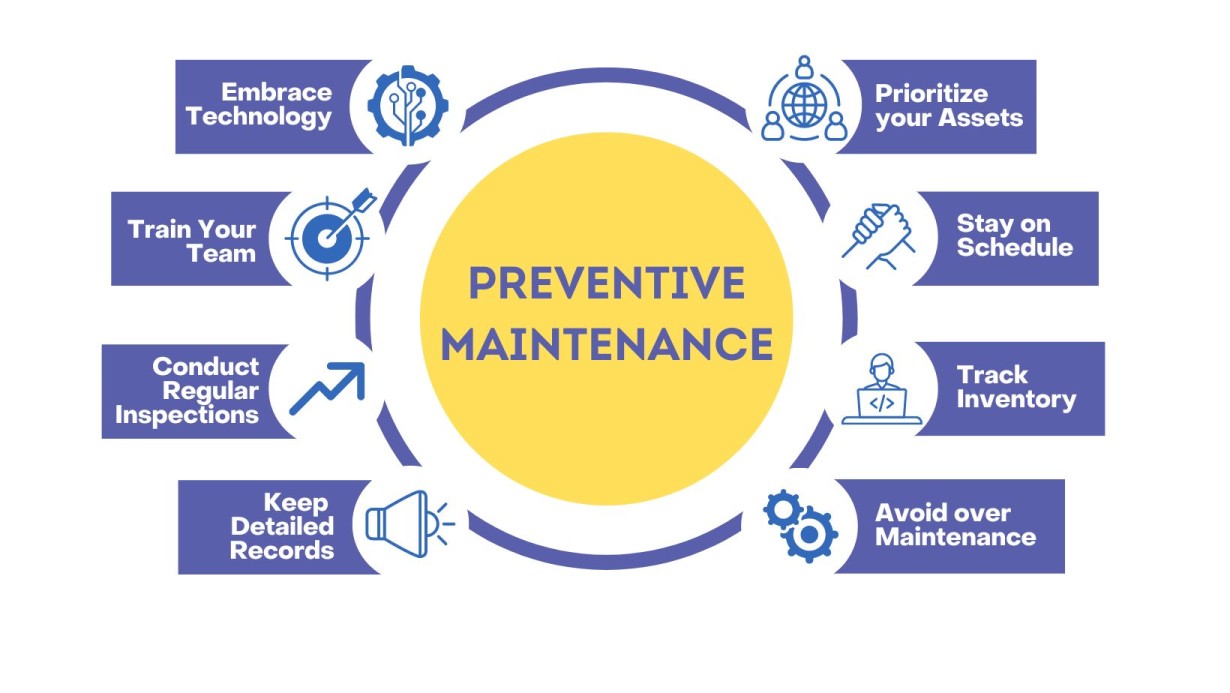
In conclusion, preventive maintenance is a dynamic and multifaceted concept that extends far beyond its traditional understanding. For those operating within the spheres of Tech, Brand, and Money, it represents a fundamental shift in approach – from reactive problem-solving to proactive strategic implementation.
By embracing preventive maintenance in your digital security, system optimization, brand reputation, financial planning, and business operations, you are not just avoiding potential breakdowns; you are actively building resilience, fostering growth, and securing a more prosperous future. It’s an investment in your long-term success, ensuring that your technology remains robust, your brand shines brightly, and your finances remain strong, no matter the challenges that lie ahead. The question is no longer “what do you mean by preventive maintenance,” but rather, “how can you afford not to practice it?”
aViewFromTheCave is a participant in the Amazon Services LLC Associates Program, an affiliate advertising program designed to provide a means for sites to earn advertising fees by advertising and linking to Amazon.com. Amazon, the Amazon logo, AmazonSupply, and the AmazonSupply logo are trademarks of Amazon.com, Inc. or its affiliates. As an Amazon Associate we earn affiliate commissions from qualifying purchases.