
Phentermine, a prescription medication, often surfaces in discussions surrounding weight management. While its medical efficacy is well-documented, understanding its classification from a financial perspective is crucial for individuals and the healthcare system alike. This article delves into phentermine not just as a pharmaceutical, but as a product that carries significant financial implications, impacting personal budgets, healthcare spending, and the broader economic landscape of diet and wellness.
The Financial Landscape of Weight Management Medications
The pursuit of a healthy weight is a significant driver of consumer spending and healthcare expenditure. Phentermine, as a widely prescribed appetite suppressant, occupies a specific segment within this vast market. Its cost, availability, and reimbursement pathways are all critical factors that influence accessibility and affordability.
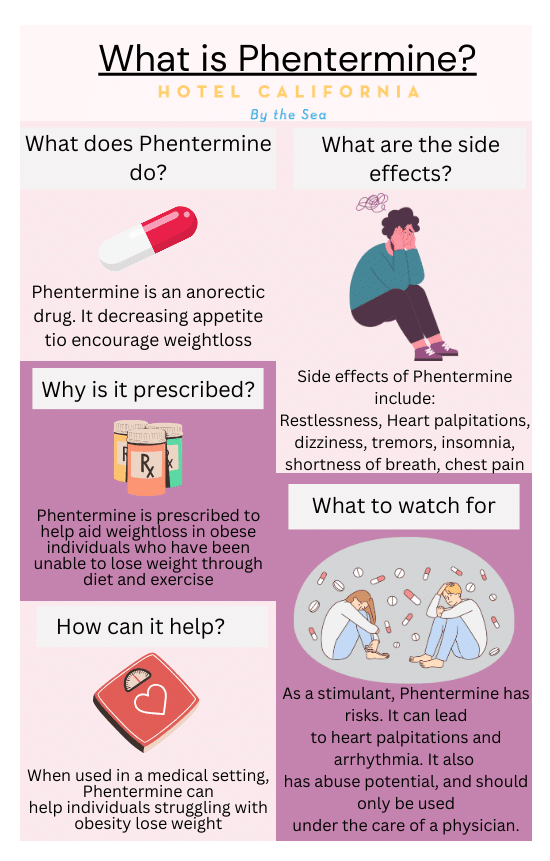
Phentermine’s Role in the Prescription Market
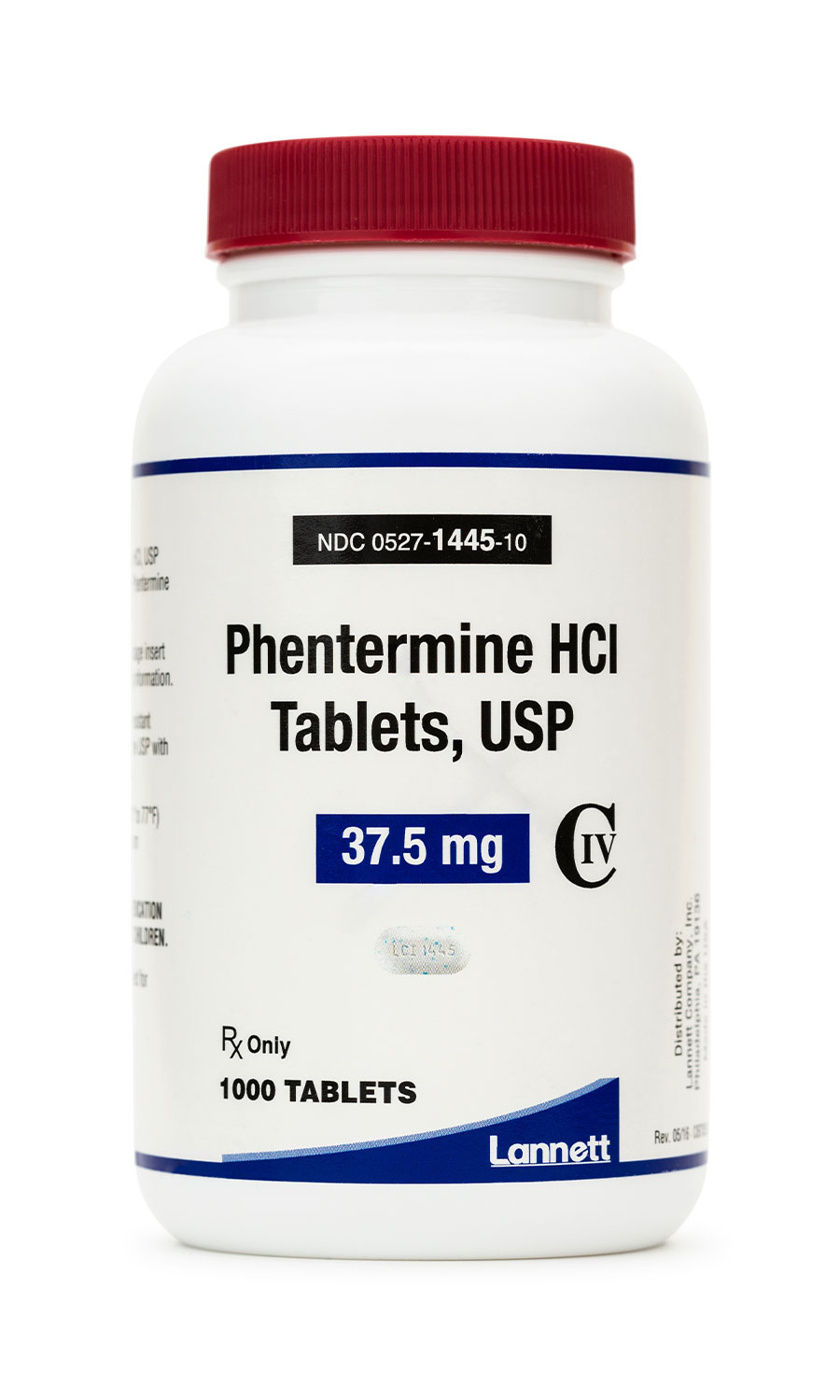
Phentermine is classified as a Schedule IV controlled substance by the U.S. Drug Enforcement Administration (DEA), indicating a low potential for abuse and dependence compared to other controlled substances. This classification impacts how it is prescribed and dispensed, and consequently, its market dynamics. Unlike over-the-counter supplements or general health products, phentermine requires a physician’s prescription, necessitating a doctor’s visit and associated consultation fees. This upfront cost, before even considering the medication itself, is a fundamental aspect of its financial profile.
The prescription drug market is a complex ecosystem driven by research and development, manufacturing costs, marketing, regulatory approvals, and patent protection. Phentermine, a well-established drug, has navigated these stages, leading to its current position in the market. Its generic availability contributes to its relative affordability compared to newer, patented weight-loss medications. However, this affordability is also relative to the broader spectrum of health interventions and lifestyle changes that individuals might undertake for weight management.
Cost Factors: From Prescription to Personal Budget
The direct cost of phentermine varies significantly depending on factors such as the pharmacy, dosage, insurance coverage, and whether a generic or brand-name version is prescribed (though brand-name phentermine is less common due to the prevalence of its generic form). Patients can expect to pay anywhere from a few dollars to several tens of dollars per month out-of-pocket, even with insurance. Without insurance, the cost can be considerably higher, potentially making it an inaccessible option for some.
Beyond the sticker price of the medication, individuals considering phentermine must also account for the associated costs of weight management. These often include:
- Doctor’s Visits: Regular check-ups are required to monitor progress, manage side effects, and renew prescriptions. These consultations incur co-pays or full service fees.
- Diagnostic Tests: In some cases, physicians may order blood tests or other screenings to assess overall health and suitability for the medication, adding to the overall expense.
- Lifestyle Modifications: While phentermine can be a tool, sustainable weight loss typically involves dietary changes and increased physical activity. This can translate into expenses for healthier food options, gym memberships, fitness classes, or personal training.
- Potential Side Effects Management: Although phentermine is generally safe when used as prescribed, some individuals may experience side effects that require further medical attention or over-the-counter remedies.
Therefore, viewing phentermine solely as a drug cost is an incomplete financial picture. It’s an investment within a broader strategy for health, and its true financial burden must be assessed holistically.
Insurance and Reimbursement: Navigating the Coverage Landscape
The extent to which phentermine is covered by health insurance is a critical determinant of its affordability and accessibility for many. This aspect highlights the intersection of pharmaceutical economics and personal finance, where policy decisions and market forces play a significant role.
Insurance Coverage Policies for Weight Management Drugs
Historically, weight management medications have faced more stringent insurance coverage policies compared to treatments for other chronic conditions. This is partly due to the complex etiology of obesity and the perception that lifestyle factors are the primary drivers. Many insurance plans do not cover phentermine or other appetite suppressants as a standalone treatment for obesity, especially if the patient does not have a significant co-morbidity directly linked to their weight.
However, this landscape is evolving. With increasing recognition of obesity as a chronic disease with significant health risks, some insurers are beginning to broaden their coverage for weight management interventions, including prescription medications. The criteria for coverage often depend on the individual’s Body Mass Index (BMI), the presence of obesity-related health conditions (such as diabetes, hypertension, or sleep apnea), and whether the medication is part of a comprehensive weight management program that includes diet and exercise.
The Impact of Formulary Placement and Prior Authorization
Even when covered, the specific placement of phentermine on an insurance company’s formulary (a list of covered drugs) can impact out-of-pocket costs. Drugs placed on lower tiers of a formulary typically have lower co-pays. Conversely, drugs on higher tiers, or those that require prior authorization, can incur higher costs or necessitate additional steps for approval.
Prior authorization is a process where an insurer requires a physician to obtain approval before prescribing a particular medication. This is often a requirement for more expensive drugs or those with a history of off-label use or potential for abuse. For phentermine, prior authorization may be sought to ensure that the patient meets specific clinical criteria for its use, such as a BMI threshold or the presence of co-morbidities. Navigating this process can be time-consuming for both patients and healthcare providers and can sometimes lead to delays or denials, impacting the financial planning for treatment.
Economic Implications: Beyond Individual Wallets
The financial considerations surrounding phentermine extend beyond individual patients to influence broader economic trends within the healthcare sector and the wellness industry.
The Market for Weight Management Solutions
Phentermine is just one piece of a much larger market dedicated to weight management. This market encompasses a wide array of products and services, including:
- Diet Programs and Meal Replacements: From commercial diet plans to specialized food products.
- Fitness Equipment and Services: Gym memberships, home exercise machines, personal trainers, and fitness apps.
- Surgical Interventions: Bariatric surgery, which can be a significant financial undertaking.
- Nutritional Supplements: Vitamins, minerals, and herbal supplements marketed for weight loss.
- Other Prescription Medications: A growing number of newer weight-loss drugs with varying price points and coverage.
Phentermine’s pricing and accessibility place it as a more budget-friendly option compared to some of the newer, blockbuster weight-loss medications that can cost hundreds of dollars per month. This economic differentiation can influence consumer choices and the overall market dynamics. The demand for affordable and effective weight management solutions ensures a consistent market for drugs like phentermine.
Cost-Effectiveness and Healthcare System Impact
From a healthcare system perspective, the cost-effectiveness of medications like phentermine is a crucial consideration. While the direct cost of the drug itself might be moderate, its impact on reducing the burden of obesity-related diseases (such as type 2 diabetes, cardiovascular disease, and certain cancers) can lead to significant long-term healthcare savings.
Studies on the cost-effectiveness of weight management interventions aim to determine whether the financial investment in these treatments yields a return in terms of improved health outcomes and reduced healthcare expenditures. When phentermine, in conjunction with lifestyle changes, helps individuals achieve and maintain a healthy weight, it can lead to fewer doctor visits for chronic conditions, reduced medication needs for comorbidities, and a lower overall healthcare utilization. Therefore, understanding phentermine’s “type” from a financial viewpoint involves acknowledging its potential as a cost-saving measure for the healthcare system, despite its initial outlay.

The Role of Generics and Pharmaceutical Pricing
The availability of generic phentermine has played a crucial role in keeping its price point accessible. This highlights the economic benefit of generic competition in the pharmaceutical industry. Once a patent expires on a brand-name drug, other manufacturers can produce and sell generic versions, driving down prices significantly. This economic principle is vital for ensuring that essential medications remain affordable for a wider population.
However, the debate around pharmaceutical pricing remains a contentious issue. While generics offer affordability, the initial costs of drug development, research, and marketing by the innovator company are substantial. Understanding the lifecycle of a drug like phentermine, from its initial development and patent protection to its eventual genericization, provides a clear picture of the economic forces at play and how they impact its classification and accessibility within the “Money” niche. It underscores the financial realities that shape how individuals access and afford critical health tools.
aViewFromTheCave is a participant in the Amazon Services LLC Associates Program, an affiliate advertising program designed to provide a means for sites to earn advertising fees by advertising and linking to Amazon.com. Amazon, the Amazon logo, AmazonSupply, and the AmazonSupply logo are trademarks of Amazon.com, Inc. or its affiliates. As an Amazon Associate we earn affiliate commissions from qualifying purchases.