
California, a state synonymous with innovation, opportunity, and a seemingly endless summer, is also a place where weather plays a surprisingly significant role. While its iconic sunshine often dominates the narrative, understanding the nuances of California’s diverse climate is crucial for more than just packing for a beach trip. For tech companies, this meteorological tapestry directly impacts everything from product development and supply chain logistics to user experience and the very infrastructure that powers their operations.
The Technological Interplay with California’s Climate
The tech industry, often perceived as existing in a purely digital realm, is deeply intertwined with the physical environment. California’s varied weather patterns present both challenges and opportunities for technology companies, influencing their strategies, innovations, and even their operational resilience. From the subtle but significant impact of temperature on data center performance to the dramatic implications of extreme weather events on infrastructure, a comprehensive understanding of the state’s climate is a strategic imperative.
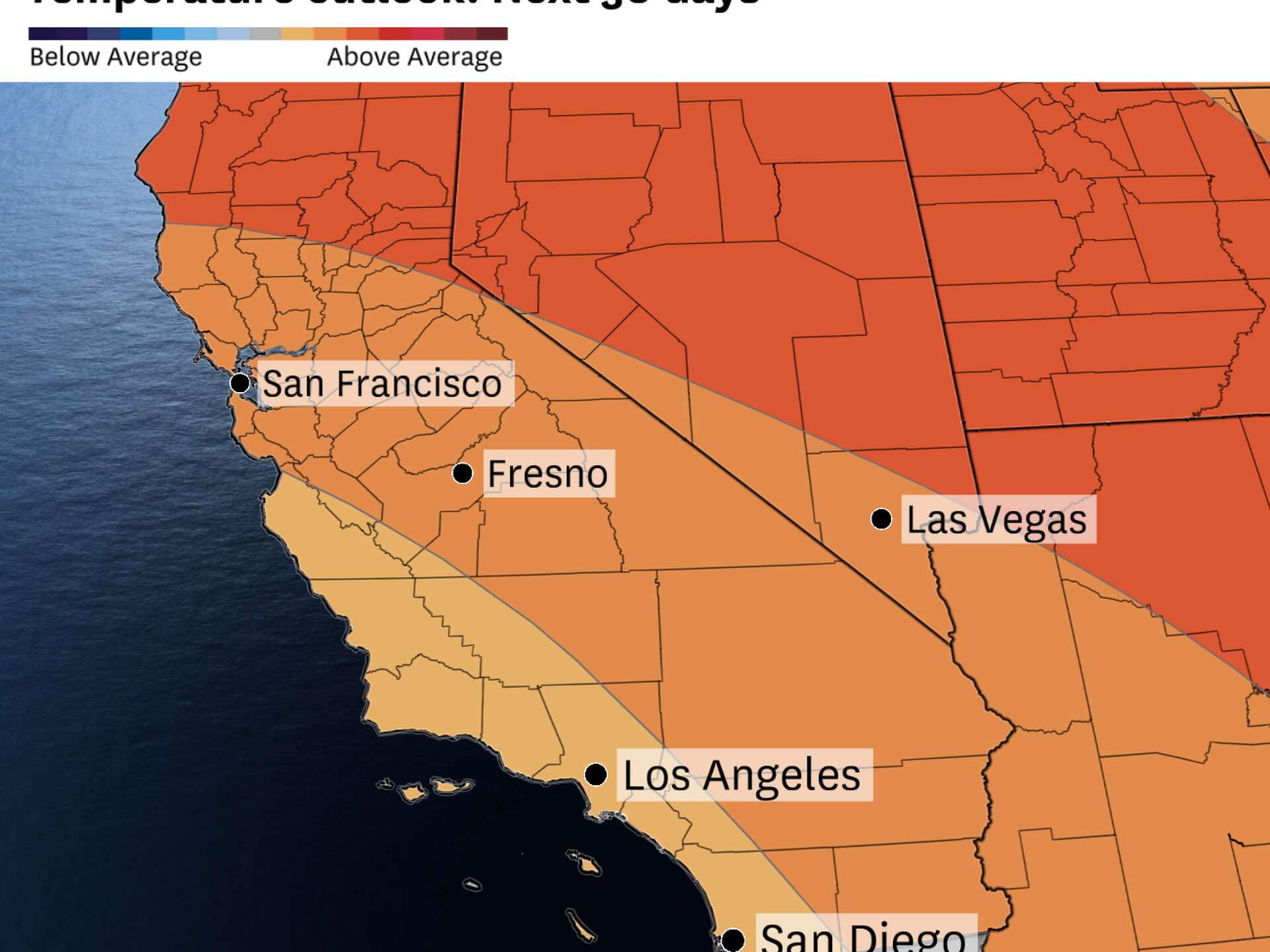
Data Centers and Environmental Extremes
One of the most direct links between technology and weather lies in the operation of data centers. These critical hubs of digital infrastructure are highly sensitive to temperature fluctuations. California’s diverse climate, ranging from the arid heat of the desert to the cooler coastal regions, necessitates sophisticated cooling systems and robust energy management strategies.
Optimizing Cooling Systems for Efficiency and Reliability
The energy required to cool data centers is substantial, often accounting for a significant portion of their operational costs. Extreme heat waves, increasingly common in parts of California due to climate change, can push cooling systems to their limits, increasing energy consumption and the risk of equipment failure. Tech companies are investing heavily in advanced cooling technologies, such as liquid cooling and free cooling (utilizing outside air), to mitigate these risks and improve energy efficiency. Predictive analytics, powered by AI, are also being deployed to forecast temperature spikes and proactively adjust cooling protocols, ensuring optimal performance and preventing costly downtime. The effectiveness of these systems is directly tied to real-time weather data, highlighting the critical role of accurate meteorological information in the tech sector.
Resilience Against Wildfires and Drought
California’s arid regions are also prone to wildfires, a phenomenon exacerbated by drought conditions and climate change. These events pose a direct threat to physical infrastructure, including power grids that supply data centers and communication networks that connect them. Tech companies are increasingly focusing on building resilience into their operations. This includes diversifying power sources, investing in backup generators, and situating data centers in locations with lower wildfire risk. Furthermore, companies are leveraging meteorological data and AI-powered prediction models to anticipate wildfire threats and develop contingency plans, including pre-emptive shutdowns and data migration strategies to ensure business continuity. The increasing frequency and intensity of these events necessitate a proactive and data-driven approach to risk management.
Smart Infrastructure and Weather-Dependent Technologies
The integration of smart technologies into everyday life and critical infrastructure is another area where weather plays a pivotal role. From smart grids that manage energy distribution to autonomous vehicles navigating complex environments, these systems rely on accurate, real-time environmental data.
The Impact on Renewable Energy Integration
California is a leader in renewable energy, with a significant portion of its power derived from solar and wind sources. However, the output of these resources is inherently weather-dependent. Sunshine is essential for solar power generation, and wind speed dictates the efficiency of turbines. Tech companies developing grid management software, energy storage solutions, and AI-powered forecasting tools are crucial for integrating these variable sources effectively. Understanding the microclimates and diurnal weather patterns across California allows for more accurate predictions of renewable energy availability, optimizing grid stability and reducing reliance on fossil fuel backups. This requires sophisticated data analysis of weather patterns, from hourly to seasonal forecasts.
Enhancing the Functionality of Autonomous Systems
The development and deployment of autonomous vehicles and drones in California are also heavily influenced by weather. These systems rely on a suite of sensors, including cameras, lidar, and radar, to perceive their surroundings. Adverse weather conditions such as heavy rain, fog, or snow can degrade sensor performance, impacting the safety and reliability of autonomous operations. Tech companies are developing advanced algorithms and sensor fusion techniques to compensate for these limitations. This includes leveraging weather data to inform operational decisions – for example, an autonomous vehicle might reduce its speed or activate additional safety protocols during periods of heavy rain. Furthermore, weather forecasting is essential for planning drone delivery routes and ensuring the safety of aerial operations.
Leveraging Weather Data for Innovation and Optimization
The proactive use of weather data is no longer just a consideration for operational resilience; it is becoming a significant driver of innovation and a competitive advantage for tech companies in California.
Predictive Analytics and AI-Driven Solutions
The sheer volume of weather data generated globally, combined with advancements in AI and machine learning, has opened up new frontiers for predictive analytics. Tech companies are leveraging these capabilities to develop sophisticated solutions that address weather-related challenges and create new opportunities.
Forecasting for Resource Management and Supply Chains
Accurate weather forecasts are invaluable for optimizing resource management across various sectors that rely on technology. For instance, agricultural technology (AgTech) companies use weather data to inform irrigation schedules, predict crop yields, and optimize pesticide application, thereby reducing waste and increasing efficiency. Logistics and supply chain management companies utilize weather forecasts to predict delivery times, reroute shipments around adverse weather, and optimize inventory levels, minimizing disruptions and costs. The ability to predict the impact of weather on transportation networks, from road conditions to port operations, allows for more agile and resilient supply chains.
Developing Climate-Resilient Products and Services
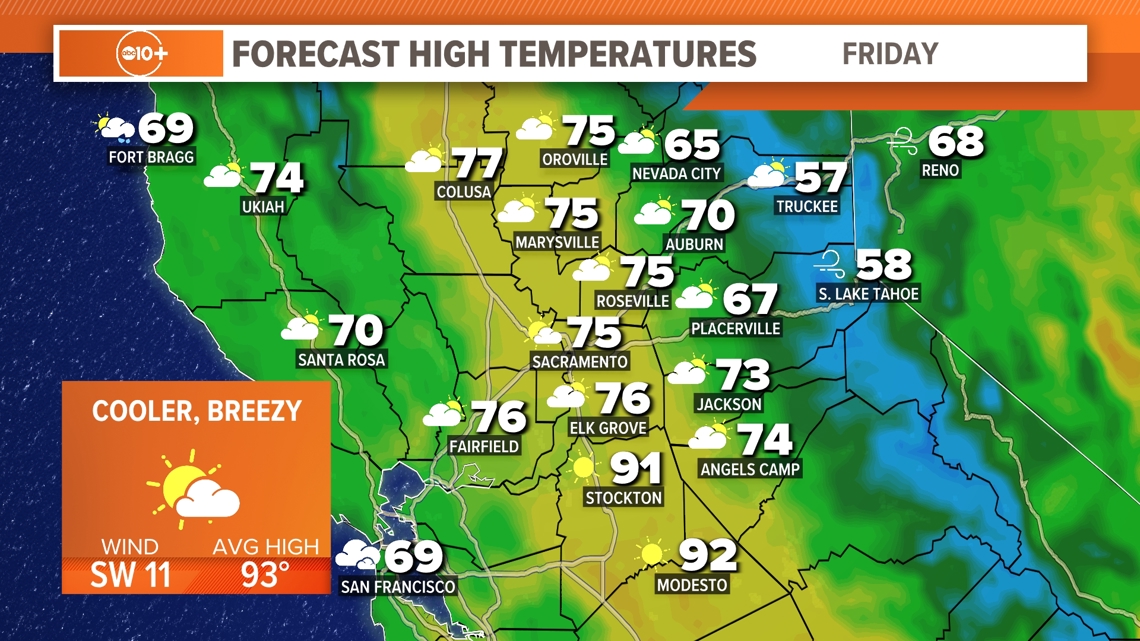
The increasing awareness of climate change and its impact is driving demand for products and services that are resilient to extreme weather events. Tech companies are at the forefront of developing solutions in this area. This includes the creation of advanced weather monitoring and alert systems, smart home devices that can adapt to changing conditions (e.g., smart thermostats that optimize energy use based on temperature forecasts), and building materials integrated with sensors for monitoring structural integrity during extreme weather. Furthermore, software platforms that help businesses and individuals understand and mitigate their climate risk are gaining traction, fueled by detailed weather and climate data analysis.
The Role of Big Data and Cloud Computing
The infrastructure required to collect, process, and analyze the vast amounts of weather data is a testament to the advancements in big data and cloud computing. These technologies are fundamental to the meteorological insights that power many tech innovations.
Storing and Processing Global Meteorological Data
Global weather patterns are incredibly complex, and to understand California’s specific climate, it’s essential to analyze data from a wide range of sources, including satellites, ground sensors, and weather balloons. Cloud computing platforms provide the scalable and flexible infrastructure necessary to store and process this enormous volume of data. Companies are building sophisticated data lakes and warehouses, enabling them to ingest real-time weather feeds, historical data, and model outputs. This accessibility allows for rapid analysis and the development of specialized weather applications.
Democratizing Access to Weather Intelligence
Cloud-based platforms are also playing a key role in democratizing access to advanced weather intelligence. Previously, sophisticated weather modeling and analysis were the domain of specialized agencies. Now, tech companies are building APIs and user-friendly interfaces that allow businesses of all sizes, as well as individuals, to access and utilize detailed weather data. This empowers a wider range of industries to make data-driven decisions, from small businesses planning outdoor events to large corporations optimizing energy consumption. The ability to layer weather data with other datasets, such as traffic patterns or economic indicators, opens up even more powerful analytical possibilities.
The Future of Weather and Technology in California
As California continues to push the boundaries of technological innovation, its relationship with its dynamic weather will only deepen. The challenges posed by a changing climate, coupled with the opportunities for technological advancement, will shape the future of both the state and the tech industry within it.
AI-Powered Climate Modeling and Forecasting
Artificial intelligence is poised to revolutionize climate modeling and weather forecasting. By analyzing vast datasets with unprecedented speed and accuracy, AI can identify subtle patterns and predict future trends with greater precision.
Enhancing Prediction Accuracy and Lead Times
Current weather forecasting models are already highly sophisticated, but AI can take them to the next level. Machine learning algorithms can learn from historical data and real-time observations to improve the accuracy of short-term forecasts (e.g., predicting localized thunderstorms) and extend the lead times for longer-term predictions (e.g., anticipating seasonal drought conditions). This enhanced accuracy is critical for planning in sectors that are highly sensitive to weather, such as agriculture, energy, and disaster preparedness.
Simulating Complex Climate Scenarios
Beyond forecasting, AI is proving invaluable for simulating complex climate scenarios. This allows researchers and tech companies to better understand the potential impacts of climate change on California, from sea-level rise in coastal cities to the increased frequency of heatwaves inland. This understanding is essential for developing adaptive strategies and informing policy decisions, enabling the tech industry to contribute to building a more resilient future.
Innovations in Weather-Resilient Infrastructure and Products
The ongoing need for weather resilience will continue to drive innovation in both physical and digital infrastructure, as well as consumer products.
Smart Cities and Sustainable Urban Development
California’s urban centers are increasingly embracing the concept of “smart cities,” where technology is used to improve urban living. Weather plays a crucial role in the design and operation of these cities. Smart grids that can dynamically adjust to renewable energy availability, intelligent transportation systems that adapt to real-time traffic and weather conditions, and resilient urban planning that accounts for flood risks and heat island effects are all areas where technology and weather intersect. Tech companies are developing the platforms and tools that enable these sustainable urban developments.
Personalized Weather Services and Disaster Preparedness Apps
As weather becomes more extreme, the demand for personalized weather information and effective disaster preparedness tools will grow. Tech companies are developing highly localized weather apps that provide tailored alerts and recommendations based on an individual’s location and specific needs. Furthermore, innovative disaster preparedness apps can offer real-time emergency information, evacuation routes, and communication tools, helping individuals and communities stay safe during severe weather events. The integration of weather data with other personal information, such as health conditions or mobility limitations, can lead to even more targeted and effective preparedness solutions.

The Growing Interdependence: A Symbiotic Relationship
The relationship between technology and weather in California is evolving into a deeply symbiotic one. The state’s diverse and dynamic climate provides a fertile ground for technological innovation, while technology offers increasingly sophisticated solutions to understand, predict, and mitigate the impacts of weather. As climate change continues to present new challenges, this interdependence will only strengthen, driving further advancements and shaping a more resilient and technologically advanced future for California and beyond. The weather in California is not merely a backdrop; it is an active participant in the technological landscape, demanding constant adaptation, innovation, and a data-driven approach to success.
aViewFromTheCave is a participant in the Amazon Services LLC Associates Program, an affiliate advertising program designed to provide a means for sites to earn advertising fees by advertising and linking to Amazon.com. Amazon, the Amazon logo, AmazonSupply, and the AmazonSupply logo are trademarks of Amazon.com, Inc. or its affiliates. As an Amazon Associate we earn affiliate commissions from qualifying purchases.