
Constipation is a common and often frustrating ailment that impacts millions worldwide. While traditional remedies like dietary changes and increased physical activity remain foundational, the landscape of health and wellness is increasingly being shaped by technological advancements. This article explores how individuals can leverage technology to understand, manage, and ultimately overcome constipation, offering a modern, proactive approach to digestive health. We will delve into the realm of tech-driven solutions, from sophisticated tracking apps to wearable devices and smart home integration, providing actionable insights for those seeking relief.
Harnessing Digital Tools for Insight and Tracking
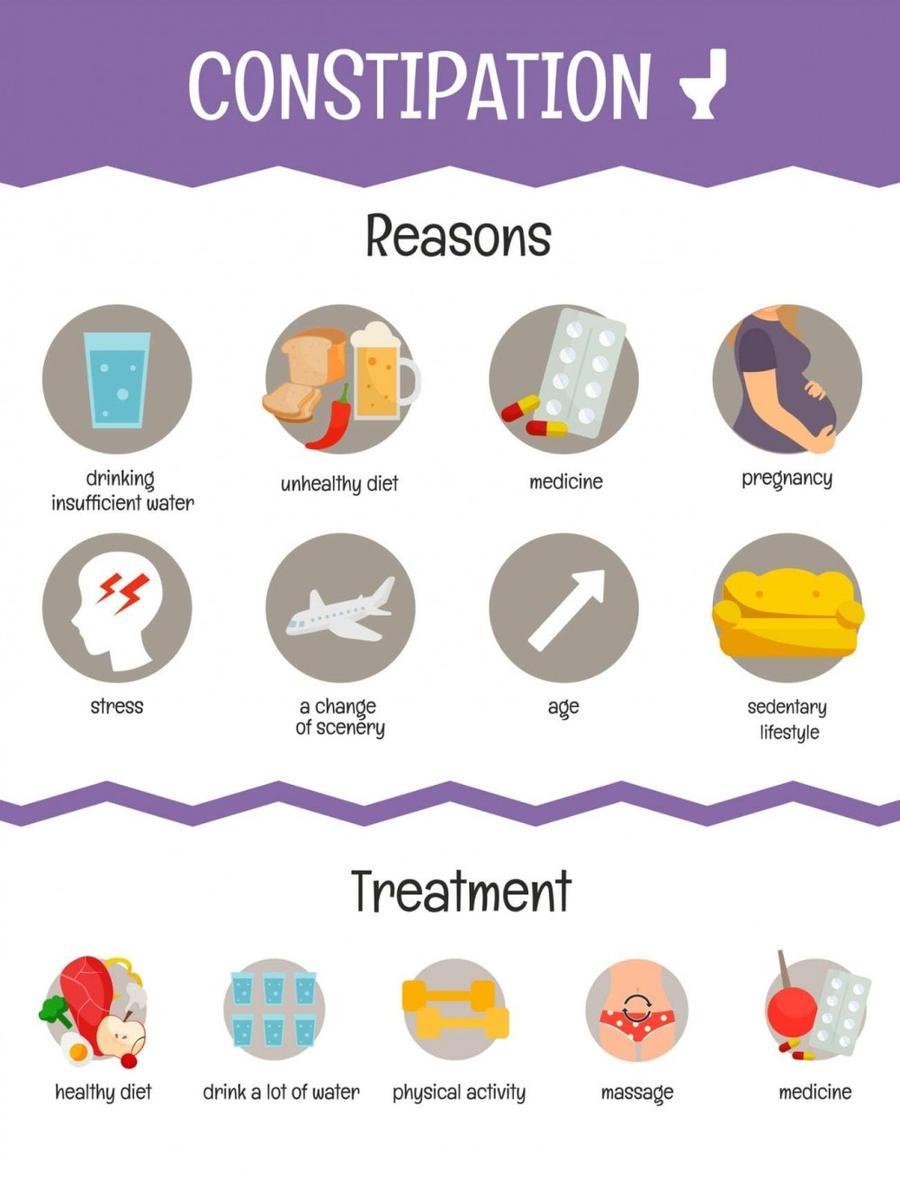
The first step in effectively managing constipation is understanding its patterns and potential triggers. Fortunately, a wealth of digital tools can empower individuals with this crucial insight. From sophisticated mobile applications to wearable biosensors, technology offers unprecedented opportunities for self-monitoring and data-driven decision-making regarding digestive health.
Mobile Applications for Symptom Tracking and Analysis
The proliferation of smartphones has given rise to a diverse ecosystem of health and wellness applications. For constipation, several apps are specifically designed to help users track their symptoms, dietary intake, fluid consumption, and physical activity levels. These apps often employ intuitive interfaces that allow for quick logging of bowel movements, stool consistency (using scales like the Bristol Stool Scale), and associated discomfort or pain.
Beyond simple logging, advanced applications can analyze this data over time to identify potential correlations and trends. For instance, an app might notice that your constipation episodes consistently occur after consuming specific foods or during periods of reduced water intake. This personalized data can be invaluable when discussing your condition with a healthcare provider, moving beyond subjective descriptions to objective, quantifiable information. Some apps even integrate with smart scales to track weight fluctuations that might be related to fluid retention or digestive issues. The ability to visualize your progress and patterns can be highly motivating, encouraging adherence to management strategies and fostering a sense of control over your health. Furthermore, many of these apps offer educational resources and personalized tips based on your tracked data, acting as a digital health coach.
Wearable Technology for Physiological Monitoring
While not exclusively focused on digestion, wearable devices like smartwatches and fitness trackers can indirectly contribute to managing constipation. These devices excel at monitoring fundamental health metrics such as step count, distance walked, heart rate, and sleep patterns. Increased physical activity is a well-established remedy for constipation, and wearables provide constant encouragement and detailed feedback on your activity levels. By setting daily step goals and receiving reminders to move, individuals can proactively incorporate more exercise into their routines, which can stimulate bowel motility.
Furthermore, some advanced wearables are beginning to incorporate sensors that can indirectly gauge physiological states that might influence digestion. For example, stress levels, often measured through heart rate variability (HRV), can significantly impact gut function. By monitoring stress through a wearable, individuals can become more aware of the connection between their mental state and digestive discomfort, prompting them to implement stress-management techniques that can, in turn, alleviate constipation. Sleep quality is another critical factor for overall health, including digestive regularity, and wearables offer detailed insights into sleep duration and cycles, enabling users to optimize their sleep hygiene.
Smart Devices for Hydration and Environmental Monitoring
Hydration is paramount for preventing and managing constipation. Smart water bottles and smart home devices can play a significant role in ensuring adequate fluid intake. Smart water bottles often have built-in sensors that track how much water you drink throughout the day and sync this data with a companion app. They can send gentle reminders to drink, helping users reach their daily hydration targets consistently. This gamified approach to hydration can be particularly effective for individuals who struggle to remember to drink enough water.
Beyond personal hydration, smart home devices can also contribute to a more conducive environment for digestive health. For example, smart humidifiers can help maintain optimal indoor humidity levels, which can prevent dehydration, especially in dry climates or during winter months. While less direct, a comfortable and healthy living environment can contribute to overall well-being, which indirectly supports digestive function. The integration of these devices into a smart home ecosystem allows for automated routines, such as adjusting room temperature or humidity based on your activity levels or time of day, further supporting a holistic approach to health.
Embracing Digital Health Platforms and Telemedicine
Beyond tracking and monitoring, technology offers direct pathways to professional guidance and support for constipation management. Digital health platforms and telemedicine services are revolutionizing how individuals access healthcare, making it more convenient and often more efficient to seek advice and treatment.
Telemedicine Consultations with Healthcare Professionals
The advent of telemedicine has made it significantly easier to consult with doctors, gastroenterologists, and registered dietitians from the comfort of your home. For individuals experiencing persistent or severe constipation, scheduling a virtual appointment can be a crucial first step. During a telemedicine consultation, you can share the data you’ve collected through your tracking apps and wearables, providing your healthcare provider with a comprehensive picture of your symptoms and lifestyle. This objective data can lead to more accurate diagnoses and personalized treatment plans.
Telemedicine consultations are particularly beneficial for initial assessments, follow-up appointments, and medication management. They eliminate the need for travel, reduce waiting times, and offer greater flexibility in scheduling. Many telemedicine platforms also allow for secure sharing of medical records and test results, ensuring that your healthcare team has access to all necessary information. For ongoing management, regular virtual check-ins can help monitor your progress, adjust your treatment plan as needed, and provide continued support and education.

Online Health Resources and AI-Powered Symptom Checkers
The internet is a vast repository of health information, and for constipation, numerous reputable online resources can provide valuable insights. Websites of major health organizations, medical institutions, and patient advocacy groups offer evidence-based information on causes, symptoms, and treatment options for constipation. It’s crucial to rely on credible sources to avoid misinformation.
Furthermore, AI-powered symptom checkers are becoming increasingly sophisticated. These tools can take your reported symptoms, including details about your bowel movements, pain, and other related issues, and provide potential explanations and recommendations. While they are not a substitute for professional medical advice, they can serve as a valuable starting point for understanding your condition and preparing for a conversation with a healthcare provider. Some advanced AI tools can even suggest lifestyle modifications or over-the-counter remedies that might be appropriate based on your input, always with a disclaimer to consult a doctor. The interactive nature of these tools can empower individuals to take a more proactive role in their health journey.
Utilizing Smart Devices for Enhanced Lifestyle Management
Beyond direct health monitoring, technology can also be integrated into daily routines to indirectly support digestive health and alleviate constipation. This encompasses a range of smart devices and platforms designed to optimize lifestyle choices that are critical for gut regularity.
Smart Kitchen Appliances and Meal Planning Apps
Dietary choices are central to managing constipation. Smart kitchen appliances, such as smart ovens and refrigerators, can assist in meal preparation and adherence to dietary recommendations. For instance, smart refrigerators can help track inventory, suggest recipes based on available ingredients, and even remind you when certain foods are nearing their expiration date. This can facilitate healthier meal planning and reduce reliance on convenience foods that may be low in fiber.
Meal planning apps, often integrated with smart devices, can further streamline dietary management. These apps allow users to create customized meal plans, generate shopping lists, and often provide nutritional information for each meal, emphasizing fiber content and hydration. By making healthy eating more organized and accessible, these tools can significantly impact the effectiveness of dietary interventions for constipation. Some apps can even be programmed to alert you about the fiber content of specific meals or to remind you to drink water with meals, reinforcing good habits.
Fitness Trackers and Gamified Exercise Programs
As mentioned earlier, physical activity is a cornerstone of constipation management. Fitness trackers can be used to engage users in gamified exercise programs, making physical activity more enjoyable and sustainable. Many fitness apps and platforms offer challenges, leaderboards, and rewards for achieving activity milestones. This can be particularly motivating for individuals who find exercise to be a chore.
These programs can guide users through various types of exercises known to promote bowel regularity, including aerobic activities, yoga, and core strengthening exercises. Some apps even offer personalized exercise routines based on user preferences and fitness levels. The social aspect of many fitness apps, where users can connect with friends and share their progress, can also provide an added layer of accountability and encouragement.
Preparing for and Engaging with Digital Health Solutions
While the technological solutions for constipation are abundant, optimal utilization requires a mindful and prepared approach. Understanding how to effectively engage with these tools and platforms can maximize their benefits and ensure a positive experience.
Data Privacy and Security in Health Apps
When using any digital health tool, it is crucial to be aware of data privacy and security. Health applications, especially those that collect sensitive personal information, should adhere to strict privacy policies and employ robust security measures to protect your data. Before downloading and using an app, take the time to review its privacy policy and understand how your data will be collected, stored, and used. Look for apps that comply with relevant data protection regulations, such as HIPAA in the United States or GDPR in Europe.
Choosing reputable apps from well-known health organizations or established technology companies can offer greater assurance of data security. Be cautious of apps that request excessive permissions or that have unclear privacy practices. Many platforms offer options for anonymizing your data or controlling who can access it. It’s also good practice to regularly review your account settings and app permissions to ensure your data remains protected.

Integrating Tech Solutions into a Holistic Health Strategy
Technology should be viewed as a complementary tool within a broader, holistic health strategy, not a replacement for professional medical advice or fundamental healthy habits. The most effective approach to managing constipation involves integrating digital solutions with established medical guidance, dietary adjustments, and lifestyle changes.
Start by consulting with your doctor to understand the underlying causes of your constipation and to receive personalized recommendations. Then, explore how technology can support these recommendations. For example, if your doctor advises increased fiber intake, use a meal planning app to create high-fiber meals. If increased physical activity is recommended, use a fitness tracker to monitor your progress and stay motivated. The key is to create a synergistic relationship between technology and your personal health goals, ensuring that digital tools empower you to make informed decisions and adhere to a comprehensive plan for digestive wellness. By embracing these technological advancements, individuals can gain greater insight, take more control, and ultimately find more effective relief from the challenges of constipation.
aViewFromTheCave is a participant in the Amazon Services LLC Associates Program, an affiliate advertising program designed to provide a means for sites to earn advertising fees by advertising and linking to Amazon.com. Amazon, the Amazon logo, AmazonSupply, and the AmazonSupply logo are trademarks of Amazon.com, Inc. or its affiliates. As an Amazon Associate we earn affiliate commissions from qualifying purchases.