
Often relegated to a summer role of providing a cooling breeze, the humble ceiling fan holds a powerful, yet frequently overlooked, secret weapon for enhancing comfort and saving energy during the colder months. Far from being a seasonal gadget, understanding how to properly utilize your ceiling fan in winter can dramatically alter your home’s microclimate, reduce your heating bills, and even integrate seamlessly into a sophisticated smart home ecosystem. This isn’t just about flipping a switch; it’s about leveraging basic physics, embracing modern technology, making financially savvy decisions, and recognizing the brand innovations driving efficiency and design in home appliances.
The answer to the central question is straightforward: in winter, your ceiling fan should spin clockwise at a low speed. This seemingly simple adjustment triggers a cascade of benefits, from creating a more evenly heated living space to significant reductions in your energy consumption. But the journey to fully appreciate this winter utility extends beyond the mere mechanical action. It delves into the thermodynamics that govern heat distribution, the technological advancements that put control at your fingertips, the financial implications for your household budget, and the strategic branding efforts of manufacturers seeking to redefine the role of the ceiling fan in the modern home.
The Science of Seasonal Airflow: Why Direction Matters
To truly grasp why a ceiling fan’s direction is critical in winter, we must first appreciate the fundamental principles of thermodynamics, specifically convection and heat stratification. Air movement is not just about creating a draft; it’s about strategically manipulating the natural tendencies of warm and cool air within an enclosed space.
Decoding the Draft: Summer vs. Winter Modes
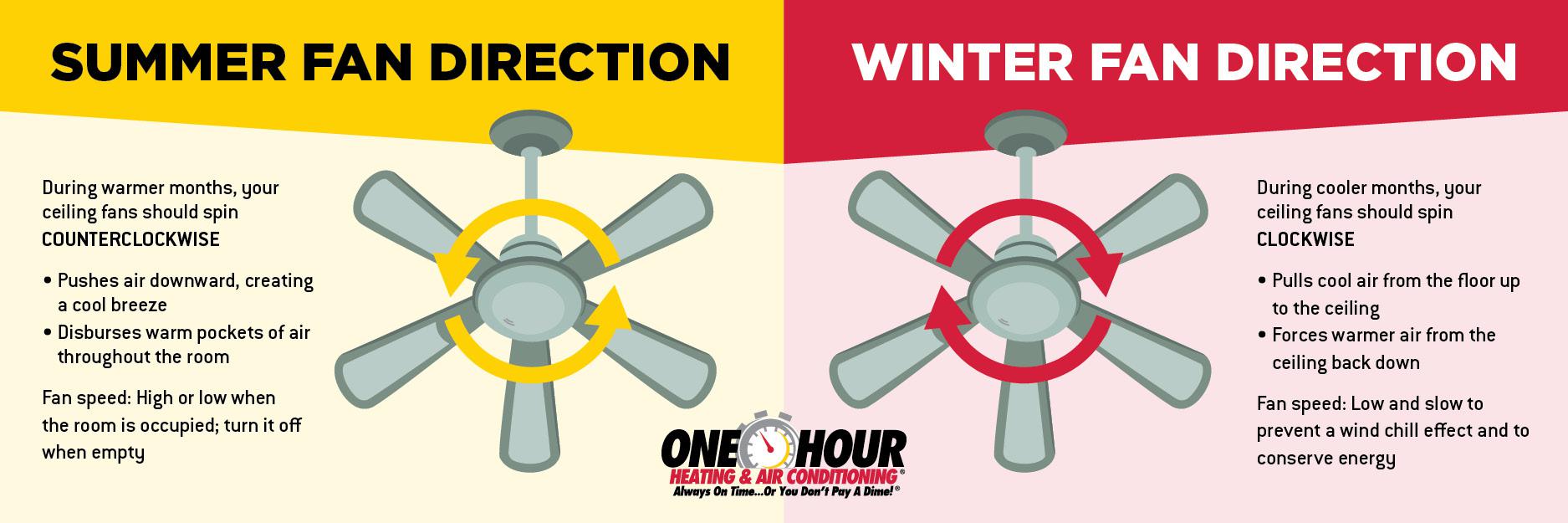
The difference between a ceiling fan’s summer and winter operation boils down to reversing its rotational direction to achieve opposite goals.
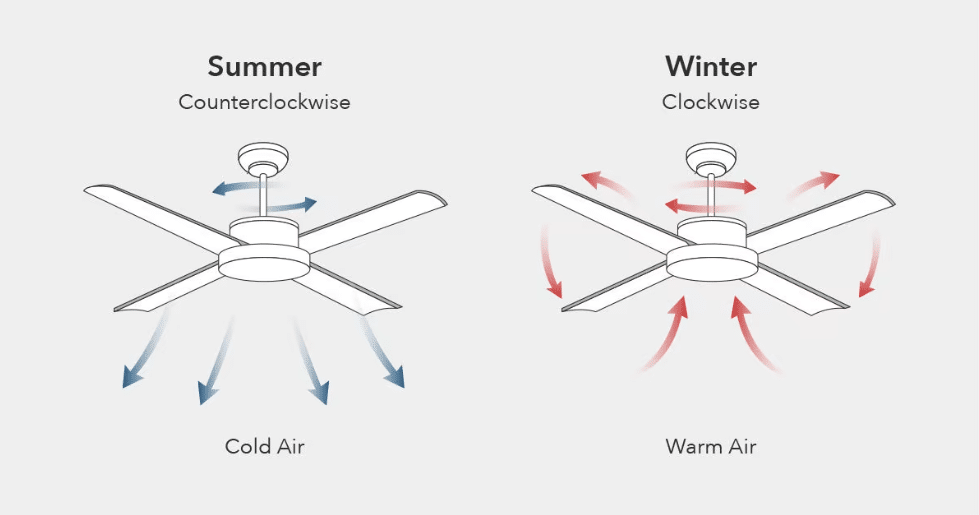
In summer, a ceiling fan operates in a counter-clockwise direction (when viewed from below), typically at a higher speed. This action creates a direct downdraft, pushing air straight down onto the occupants. This moving air accelerates the evaporation of moisture from our skin, producing a “wind chill” effect that makes us feel cooler. It’s designed to provide a direct, refreshing breeze, making warm rooms more bearable without necessarily changing the ambient air temperature.
In winter, the goal shifts entirely. Instead of cooling, we want to distribute existing heat more efficiently. For this, the fan blades must spin in a clockwise direction, and crucially, at a low speed. When operating clockwise, the fan pulls air upwards towards the ceiling. This upward motion then pushes the warm air, which naturally rises and collects at the ceiling (due to its lower density), outwards and down along the walls. This creates a gentle, indirect updraft, recirculating the stratified warm air back down into the living space without creating an uncomfortable draft. The key is the slow speed, which ensures a gentle redistribution rather than a forceful, chilling blast.
The Thermodynamics of Home Comfort
Understanding why this clockwise, low-speed operation is so effective requires a brief delve into the science of heat. In any heated room, warm air, being less dense than cool air, naturally rises and accumulates at the ceiling. This phenomenon is known as heat stratification. Consequently, the air near the ceiling can be several degrees warmer than the air at floor level, where you and your family are living. This means your heating system works harder to heat the lower parts of the room, while a significant portion of the heat energy is “wasted” lingering above your heads.
By operating the ceiling fan clockwise at a low speed, you gently disrupt this stratification. The fan acts as a subtle air mixer, drawing the cooler air from below upwards and simultaneously pushing the trapped warm air away from the ceiling and down the walls. This continuous, gentle circulation ensures that the heat produced by your furnace or heating system is more evenly distributed throughout the entire room. The result is a more uniform temperature from floor to ceiling, eliminating cold spots and making the room feel warmer overall. This improved thermal comfort means you can often lower your thermostat by a degree or two without noticing a drop in comfort, directly translating into tangible energy savings.
Tech Integration: Smart Fans and the Connected Home
The modern ceiling fan is far removed from its purely mechanical predecessors. Today, these devices are increasingly sophisticated gadgets, embodying the latest in technology trends and offering unparalleled control and efficiency. Integrating seamlessly into the smart home ecosystem, these intelligent fans are no longer just about moving air; they’re about optimizing environments with software, AI, and connectivity.
Beyond the Switch: Gadgets, Apps, and AI for Optimal Control
The advancement of smart home technology has transformed the humble ceiling fan into a core component of connected living. Today’s “smart fans” are prime examples of innovative gadgets, offering a level of control and automation that was once unimaginable.
Many contemporary ceiling fans come equipped with Wi-Fi connectivity, allowing them to be controlled remotely via dedicated smartphone apps. These apps, representing a vital piece of software, enable users to adjust fan speed, change direction, set timers, and even integrate with other smart home devices. Imagine being able to reverse your fan’s direction from summer to winter mode with a tap on your phone, or scheduling it to activate at specific times to complement your heating schedule, even when you’re away from home.
Beyond simple remote control, the integration of AI tools and algorithms is taking fan functionality to the next level. Some advanced smart fans can learn your preferences over time, adjusting their settings based on your habits, room occupancy sensors, or even external weather data. For instance, a fan might automatically switch to winter mode and a low speed when the outdoor temperature drops below a certain threshold, or optimize its operation based on the readings from a smart thermostat. This level of automation, fueled by artificial intelligence, ensures optimal energy usage and consistent comfort without constant manual intervention.
Furthermore, these smart fans are often designed to be part of a larger Internet of Things (IoT) network. They can communicate with and be controlled by popular AI assistants like Google Home, Amazon Alexa, or Apple HomeKit. This means you can manage your fan with simple voice commands, or set up complex routines where the fan works in conjunction with your smart thermostat, lighting, and other HVAC components to create a perfectly synchronized climate control system. This convergence of gadgets, apps, and AI not only enhances convenience but also significantly boosts the overall productivity of your home’s energy management. While digital security is paramount in any connected home, ensuring your smart fan network is secure protects your data and controls.
The Future of Air Circulation: Efficiency and Innovation
The evolution of ceiling fan technology isn’t just about smart control; it’s also about pushing the boundaries of efficiency and design. Manufacturers are continually innovating, driven by both consumer demand for greener solutions and a competitive market.
A significant technological leap has been the widespread adoption of Brushless DC (BLDC) motors. Unlike traditional AC motors, BLDC motors are incredibly energy-efficient, consuming significantly less power while operating much quieter. This translates directly into lower electricity bills and a more peaceful home environment, without sacrificing airflow performance. These motors are a testament to how meticulous engineering can lead to superior functionality and reduced environmental impact, a key aspect often highlighted in product reviews and tutorials.
Beyond motors, innovation extends to blade design and aerodynamics. Manufacturers are experimenting with new materials and shapes to optimize airflow, allowing fans to move more air with less energy. While still niche, some concepts explore bladeless designs or integrated lighting systems that offer both aesthetic appeal and enhanced utility.
The focus on efficiency and innovative design reflects a broader technology trend towards sustainable living and smart resource management. From robust hardware to intuitive software interfaces, the ceiling fan is steadily transforming from a basic appliance into a sophisticated climate control device. This ongoing innovation promises even more effective and energy-saving solutions for home comfort, further emphasizing the importance of informed choices when selecting and utilizing these essential home gadgets.
The Money-Saving Mandate: Reducing Energy Bills and Boosting Personal Finance
Beyond the immediate comfort, the correct use of ceiling fans in winter carries substantial financial benefits. In an era where energy costs are a significant portion of household budgets, understanding how to leverage your fan for heating efficiency can translate into meaningful savings, directly impacting your personal finance.
The Dollars and Sense of Downward Drafts
The most compelling argument for reversing your ceiling fan in winter is the direct impact it has on your energy bill. As established, warm air rises and collects at the ceiling. Your heating system, whether it’s a furnace, heat pump, or electric baseboard, works to warm the air in your living space. If a significant portion of that heat remains trapped at the ceiling, your thermostat will continue to call for more heat, burning more fuel or consuming more electricity to bring the lower, occupied parts of the room to your desired temperature.
By setting your ceiling fan to spin clockwise at a low speed, you effectively push that stratified warm air back down into the room. This process allows for a more uniform distribution of heat, which means the room feels warmer at occupant level. Crucially, this improved perceived warmth often allows you to lower your thermostat setting by one to three degrees Fahrenheit without any noticeable decrease in comfort.
Let’s consider the financial implications: for every degree you lower your thermostat during heating season, you can typically save between 1% and 3% on your heating costs. Over several months of winter, these percentages accumulate into substantial savings. For a household with an average heating bill of $200-$300 per month, a 5% saving (by lowering the thermostat by just 2 degrees) could mean $10-$15 per month, or $50-$75 over a five-month winter. This might seem modest individually, but it adds up, contributing directly to your personal finance by freeing up funds for other priorities or investments. The “dollars and sense” are clear: a small, almost effortless adjustment to your fan can put money back into your pocket. Businesses, particularly those with high ceilings like warehouses or large offices, can realize even more significant operational cost savings by optimizing their fan usage.
Investing in Comfort: ROI of Smart Fans and Energy Monitoring
While the immediate savings from a simple fan direction change are appealing, a broader financial perspective involves considering the return on investment (ROI) for more advanced ceiling fan solutions and energy management tools.
Upgrading to an energy-efficient smart fan might involve a higher upfront cost compared to a basic model. However, these newer fans, particularly those with DC motors and smart features, consume significantly less electricity to operate. When factoring in the reduced heating costs achievable by using them effectively, the initial investment can pay for itself over time, demonstrating a clear ROI through long-term utility bill reductions. This strategic investment in efficient home technology aligns perfectly with sound personal finance principles, emphasizing long-term value over short-term expense.
Moreover, leveraging energy monitoring apps and financial tools can further enhance these savings. Many smart home platforms and dedicated energy management apps allow you to track your electricity consumption in real-time. By observing how correctly using your ceiling fan impacts your heating system’s energy draw, you gain tangible proof of its effectiveness. This data empowers you to fine-tune your settings, identify peak usage times, and make more informed decisions about your energy consumption habits. Integrating these insights with budgeting apps can help you track your overall utility expenses, highlight the savings generated by smart fan usage, and allocate those saved funds more effectively within your personal budget. This holistic approach transforms a simple appliance into a powerful financial tool for managing household expenses.
Branding and Design: The Aesthetic and Ethical Dimensions of Ceiling Fans
In a market saturated with options, ceiling fan manufacturers are increasingly focusing on branding and design to differentiate themselves. It’s not just about functionality anymore; it’s about how a fan looks, its environmental footprint, and the values it represents, all of which resonate with modern consumers and their understanding of corporate identity.
Crafting a Brand Identity: Innovation and Sustainability
For fan manufacturers, creating a compelling brand identity means more than just putting a logo on a box. It involves strategically marketing their products based on innovation, sustainability, and user experience. Brands that lead in smart fan technology, for instance, highlight features like app control, AI integration, and energy efficiency in their marketing campaigns. They aim to position themselves as pioneers in connected living, appealing to tech-savvy consumers who value convenience and cutting-edge solutions.
Corporate identity plays a crucial role here. Companies that commit to sustainable manufacturing practices, use recycled materials, or design products that significantly reduce energy consumption, build a strong brand reputation around environmental responsibility. They market their fans not just as home appliances, but as components of a greener, more sustainable lifestyle. Through thoughtful design and transparent communication, these brands aim to capture the hearts and minds of environmentally conscious consumers. Case studies highlighting successful adoption of smart, energy-efficient fans in commercial spaces, or showcasing testimonials from homeowners delighted by their reduced carbon footprint and utility bills, further solidify this brand image. This not only drives sales but also fosters brand loyalty by aligning with the ethical values of their target audience.
The Design Element: Form Meets Function
Beyond the technical specifications and energy savings, the aesthetic appeal of a ceiling fan is a primary consideration for many consumers. Modern ceiling fans are no longer purely utilitarian; they are integral parts of home decor, reflecting personal taste and architectural style. Brands invest heavily in design, offering a diverse range of styles, finishes, and materials to complement any interior. From sleek, minimalist designs that blend into contemporary spaces to rustic, industrial, or traditional models, the design element is critical to a fan’s market success.
This focus on design contributes significantly to a brand’s reputation. Companies known for their aesthetically pleasing and well-crafted fans often command a premium, building a reputation for quality and design excellence. This ensures that the functional benefits, like energy efficiency, are packaged in a way that enhances the overall home environment. For homeowners, choosing an efficient, stylish fan also contributes to their personal branding – it reflects a preference for thoughtful living spaces that are both practical and beautiful. The balance of form and function ensures that ceiling fans serve not only as tools for climate control but also as statements of style and a commitment to smart, sustainable living.

Conclusion
The seemingly simple question “what direction should ceiling fans go in the winter?” unravels a multifaceted discussion that touches upon critical aspects of modern living. The core answer – spinning clockwise at a low speed – is more than just a setting; it’s a gateway to a cascade of benefits that profoundly impact home comfort, financial well-being, and technological integration.
By understanding the basic thermodynamics of heat stratification, homeowners can transform their ceiling fans from seasonal props into year-round allies. This simple adjustment ensures warm air, which naturally rises, is gently recirculated back into the living space, creating a more uniform temperature and eliminating cold spots. The tangible result is enhanced comfort, allowing thermostats to be lowered without sacrificing warmth.
This optimized usage directly translates into significant energy savings, offering a clear and immediate boost to personal finance. Lowering heating bills, even by a few percentage points, can accumulate into substantial savings over a winter season, making the ceiling fan a valuable financial tool. Furthermore, investing in smart, energy-efficient fans with advanced DC motors offers a compelling return on investment, reducing long-term operational costs and contributing to a more sustainable household budget.
Beyond the practical, the modern ceiling fan embodies the convergence of technology, branding, and design. Today’s smart fans, integrating with apps, AI assistants, and broader IoT ecosystems, elevate home climate control to an unprecedented level of convenience and efficiency. Manufacturers, in turn, leverage innovation and sustainability in their branding and marketing, positioning their products as essential components of a smart, eco-conscious home.
In essence, the humble ceiling fan, when properly understood and optimized, transcends its basic function. It becomes a key player in a sustainable, smart, and financially savvy household, demonstrating that sometimes, the simplest adjustments can yield the most profound and far-reaching benefits.
aViewFromTheCave is a participant in the Amazon Services LLC Associates Program, an affiliate advertising program designed to provide a means for sites to earn advertising fees by advertising and linking to Amazon.com. Amazon, the Amazon logo, AmazonSupply, and the AmazonSupply logo are trademarks of Amazon.com, Inc. or its affiliates. As an Amazon Associate we earn affiliate commissions from qualifying purchases.