
The question of what percentage of the US population is incarcerated is not just a statistic about the justice system; it is a profound indicator of significant economic realities. Mass incarceration in the United States, a phenomenon that has dramatically reshaped its social and economic landscape over the past several decades, carries staggering financial implications. Beyond the direct costs of operating correctional facilities, the economic ramifications ripple through communities, labor markets, and government budgets at local, state, and federal levels. Understanding the percentage of the US population behind bars is intrinsically linked to understanding the immense financial burden it imposes.
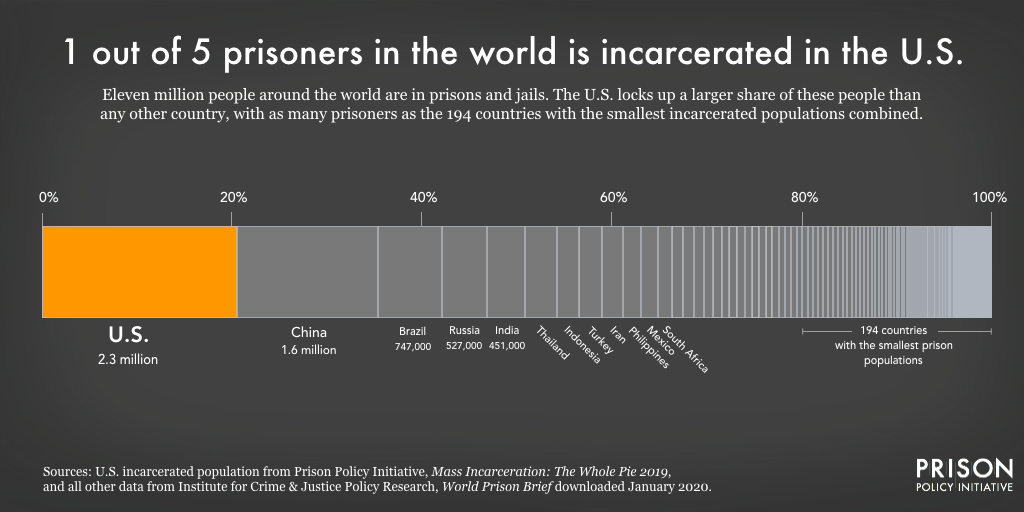
This article delves into the economic dimensions of incarceration in the United States, exploring the multifaceted costs associated with this system and its tangible impact on national and individual financial well-being.
The Direct Financial Burden of Incarceration
The most immediate and quantifiable economic impact of a large incarcerated population is the direct cost of maintaining the prison system itself. This encompasses a vast array of expenditures, from the construction and upkeep of facilities to the daily operational expenses required to house, feed, clothe, and provide healthcare for millions of individuals. These costs are not merely abstract figures; they represent real dollars diverted from other public services or funded through taxation.
Operational Costs: Housing and Sustaining Inmates
The daily cost of keeping an inmate incarcerated varies significantly by state and type of facility, but the aggregate expenditure is immense. These operational costs include:
- Food and Provisions: Providing meals for millions of inmates three times a day, every day, represents a substantial logistical and financial undertaking. Procurement, preparation, and distribution of food contribute to significant annual budgets.
- Staffing: Correctional facilities require a large and diverse workforce, including guards, administrators, medical personnel, educational staff, and maintenance crews. Salaries, benefits, and training for this workforce constitute a major portion of operational budgets. The demand for security personnel alone necessitates significant investment in human capital.
- Healthcare: Incarcerated individuals, like any population group, require medical care. This includes routine check-ups, treatment for chronic illnesses, emergency medical services, and mental health support. The aging prison population, in particular, presents increasing healthcare demands and costs. Facilities must maintain medical infrastructure, employ healthcare professionals, and manage prescription drug costs.
- Utilities and Maintenance: Prisons are large, complex structures that require constant maintenance and reliable access to utilities such as electricity, water, and heating/cooling. Repairing infrastructure, managing waste, and ensuring the safety and security of the facilities add to the ongoing financial commitment.
- Security and Technology: Modern correctional facilities employ various security measures and technologies to prevent escapes, manage inmate populations, and maintain order. This includes surveillance systems, communication technologies, and physical security enhancements, all of which require initial investment and ongoing upgrades.
Capital Expenditures: Building and Renovating Prisons
Beyond day-to-day operations, significant capital expenditures are necessary for the construction of new correctional facilities and the renovation or expansion of existing ones. As the incarcerated population has grown, so too has the need for more bed space. Building a new prison is a multi-million or even billion-dollar project, involving land acquisition, architectural design, construction, and furnishing. These massive infrastructure investments represent long-term financial commitments, often funded through municipal bonds or state appropriations, which can place a strain on public finances for decades.
The Hidden Economic Costs of Mass Incarceration
While the direct costs of prisons are substantial, the indirect and hidden economic costs of mass incarceration are arguably more profound and far-reaching. These costs impact individuals, families, communities, and the broader economy in ways that are often not immediately apparent but contribute to significant economic disenfranchisement and inefficiency.
Lost Labor and Productivity
When a significant portion of the adult population is incarcerated, the nation loses a substantial amount of potential labor and productivity. These individuals, if not incarcerated, could be contributing to the economy through employment, entrepreneurship, and consumption. This lost human capital represents a direct reduction in the Gross Domestic Product (GDP) and limits the overall economic output of the country. Furthermore, the skills and talents of these individuals are not being utilized, which is a missed opportunity for innovation and economic growth.
Economic Disruption in Communities
The impact of incarceration is not confined to prison walls; it profoundly affects the communities from which individuals are removed. High rates of incarceration in specific neighborhoods, often disproportionately affecting low-income and minority communities, lead to:
- Reduced Tax Base: When a significant portion of the working-age population is incarcerated, local tax revenues can decline due to lost income and sales taxes. This can weaken local economies and reduce the funding available for essential public services such as education, infrastructure, and social programs.
- Family Economic Strain: Incarceration often leads to the loss of a primary breadwinner, placing immense financial strain on families. The remaining family members, often women and children, may struggle to maintain housing, afford basic necessities, and access opportunities for economic advancement. This can perpetuate cycles of poverty and create long-term economic disadvantages.
- Barriers to Re-entry and Employment: Upon release, formerly incarcerated individuals face significant barriers to employment due to their criminal records. This “felon stigma” limits their access to well-paying jobs, leading to higher rates of unemployment and underemployment among this population. This not only impacts their individual financial well-being but also places a burden on social welfare programs and can contribute to recidivism.

The Cost of Recidivism
Recidivism, the rate at which formerly incarcerated individuals re-offend and return to prison, represents a significant ongoing economic burden. Each instance of re-arrest, re-prosecution, and re-incarceration incurs further direct and indirect costs for the justice system and society. High recidivism rates suggest that current rehabilitation and reintegration programs may be insufficient or that the barriers to successful re-entry are too high, leading to a continuous cycle of expense. Investing in effective re-entry programs that focus on job training, education, mental health services, and housing can significantly reduce recidivism and, in turn, lower long-term economic costs.
The Economic Burden on Government Budgets
The sheer scale of incarceration in the US translates into massive government expenditures, impacting federal, state, and local budgets. This diverts taxpayer money from other critical areas such as education, healthcare, infrastructure development, and scientific research.
State and Federal Budget Allocations
A significant portion of state budgets, and a considerable amount of federal spending, is allocated to corrections. This expenditure often rivals or exceeds funding for other essential public services. For example, many states spend more on prisons than on higher education. This allocation strategy has profound implications for the overall economic development and social well-being of these states. When a large percentage of a budget is dedicated to incarceration, there are fewer resources available for investments that could foster long-term economic growth and improve the quality of life for citizens.
Opportunity Costs of Public Spending
The substantial financial resources poured into the correctional system represent a significant opportunity cost. The money spent on prisons could be invested in programs and initiatives that promote economic growth, reduce poverty, improve public health, and enhance educational outcomes. For instance, investing in early childhood education, job training programs, or affordable housing initiatives could have a far greater return on investment in terms of long-term economic prosperity and reduced social problems than simply building and maintaining more prison cells. The decision to prioritize incarceration over these preventative and developmental investments has a tangible negative impact on the nation’s overall economic potential.
The Financial Implications for Individuals and Families
Beyond the macro-economic and governmental perspectives, mass incarceration carries profound and often devastating financial consequences for the individuals involved and their families. These impacts can have a lasting legacy, perpetuating cycles of poverty and limiting future economic opportunities.
Loss of Income and Earning Potential
The most direct financial consequence of incarceration for an individual is the complete loss of earned income. This immediate cessation of wages has a ripple effect, impacting their ability to support themselves and their families, pay debts, and save for the future. Furthermore, the period of incarceration often leads to a decline in marketable skills and a gap in employment history, making it exceedingly difficult to secure comparable employment upon release. This diminished earning potential can persist for years, even decades, after an individual has served their sentence.
Debt and Financial Hardship
Incarceration often exacerbates existing financial difficulties and can create new ones. Individuals may accrue debt while incarcerated, such as court fees, fines, restitution, and even costs associated with their imprisonment. Upon release, they often face the daunting task of repaying these financial obligations without a stable income. This can lead to overwhelming debt burdens, damaged credit scores, and limited access to financial services such as loans or mortgages, further hindering their ability to achieve financial stability and economic independence.

Intergenerational Economic Disparities
The financial strain of incarceration can extend across generations. When parents are incarcerated, their children are more likely to experience poverty, reduced educational attainment, and limited economic opportunities. The loss of parental income, the emotional toll of separation, and the stigma associated with having an incarcerated family member can create long-term disadvantages that are difficult to overcome. This contributes to intergenerational cycles of poverty and economic inequality, perpetuating disparities within communities.
In conclusion, understanding the percentage of the US population in prison is not merely an academic exercise in demography or criminology. It is a critical lens through which to examine the immense and often hidden economic costs associated with mass incarceration. From the direct financial burden of operating correctional facilities to the profound societal and individual economic disruptions, the financial implications of the current system are staggering. Addressing this issue requires not only a focus on criminal justice reform but also a deep consideration of the economic consequences and the potential for reinvestment in strategies that foster human capital, strengthen communities, and promote genuine economic opportunity for all.
aViewFromTheCave is a participant in the Amazon Services LLC Associates Program, an affiliate advertising program designed to provide a means for sites to earn advertising fees by advertising and linking to Amazon.com. Amazon, the Amazon logo, AmazonSupply, and the AmazonSupply logo are trademarks of Amazon.com, Inc. or its affiliates. As an Amazon Associate we earn affiliate commissions from qualifying purchases.