
Understanding the optimal percentage of fat in your diet is not merely a matter of personal health and wellness; it carries tangible financial implications. From the cost of food choices to potential long-term healthcare expenses, how we approach macronutrient intake can significantly impact our financial well-being. This article will delve into the financial considerations surrounding dietary fat, exploring how informed decisions can lead to better financial outcomes.
The Economic Landscape of Dietary Fat Consumption
The cost of food is a primary concern for any household budget. When we talk about dietary fat, we are often referring to a broad spectrum of food sources, each with its own price point and economic implications. Understanding these nuances can help us make more budget-conscious and financially sound dietary choices.
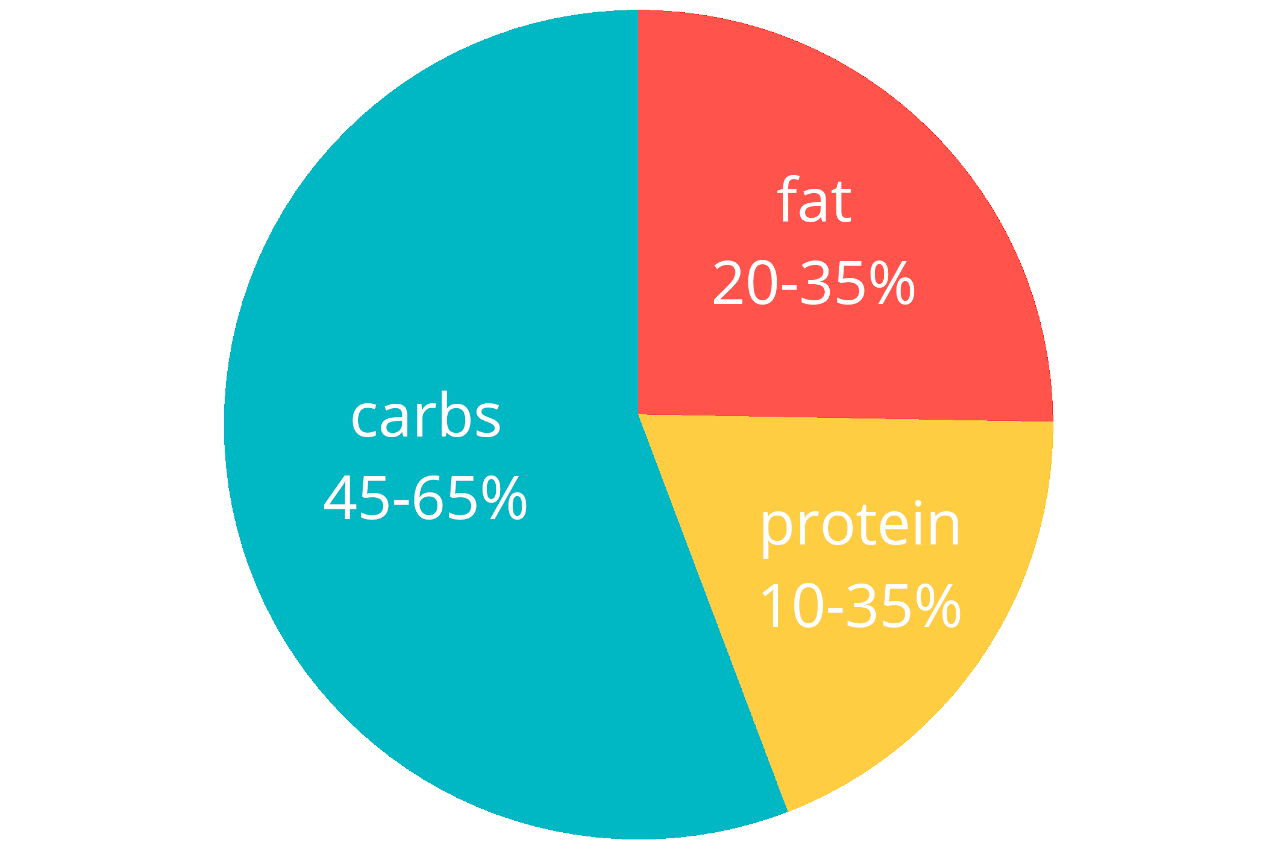
The Cost of “Good” Fats vs. “Bad” Fats
The distinction between unsaturated (“good”) fats and saturated/trans (“bad”) fats is well-established from a health perspective. However, this distinction also plays out in the marketplace. Typically, nutrient-dense sources of unsaturated fats – such as avocados, nuts, seeds, and fatty fish like salmon – tend to be more expensive on a per-unit basis than processed foods often laden with saturated and trans fats, like fried snacks, processed meats, and certain baked goods.
For instance, a pound of lean ground beef, which contains a moderate amount of saturated fat, might be more affordable than a pound of wild-caught salmon, a rich source of omega-3 fatty acids. Similarly, a bag of potato chips, high in unhealthy fats, often costs less than a handful of almonds, packed with beneficial monounsaturated fats. This price disparity can create a financial barrier for individuals aiming for a diet richer in healthier fat sources, especially those on tight budgets.
However, a closer financial examination reveals that the perceived cost difference can be misleading when considering the long-term value. While the initial outlay for healthier fat options might be higher, their nutritional density and satiating properties can contribute to better overall health, potentially reducing future healthcare expenditures. Investing in quality fats, in this sense, can be viewed as a form of financial preventative care.
The Hidden Costs of Unhealthy Fats
The economic burden of diets high in unhealthy fats extends far beyond the grocery bill. The detrimental health effects associated with excessive consumption of saturated and trans fats – including increased risk of heart disease, type 2 diabetes, obesity, and certain cancers – translate into significant financial liabilities.
Direct Healthcare Costs: Individuals with diet-related chronic diseases often face escalating medical expenses. This includes doctor’s visits, prescription medications, hospital stays, and the cost of managing long-term conditions. These costs can deplete savings, strain retirement funds, and even lead to insurmountable debt for some. For example, the average annual cost of managing cardiovascular disease in the United States is substantial, impacting both individuals and the broader healthcare system.
Lost Productivity and Income: Chronic health issues stemming from poor dietary habits can lead to reduced work capacity, absenteeism, and even early retirement. This directly impacts earning potential and can diminish overall financial security. The economic cost of lost productivity due to non-communicable diseases, many of which are linked to diet, is estimated to be trillions of dollars globally.
Insurance Premiums: For individuals with pre-existing health conditions that are exacerbated by diet, health insurance premiums can be significantly higher. This adds a recurring financial burden that could potentially be mitigated by adopting a healthier dietary pattern.
Therefore, while the upfront cost of nutrient-dense, healthy fat sources might seem higher, a holistic financial assessment suggests that avoiding the long-term health consequences of unhealthy fats is often the more economically prudent choice.
Budgeting for Optimal Fat Intake: Smart Financial Strategies
Achieving an optimal balance of dietary fat, particularly favoring healthier sources, doesn’t necessarily require a drastic overhaul of your budget. With strategic planning and informed purchasing decisions, it’s possible to integrate these beneficial fats without breaking the bank.
Maximizing Value: Buying Smarter, Not More Expensive
The key to financially managing a diet that includes adequate healthy fats lies in intelligent purchasing. This involves understanding where to find value and how to make your food budget work harder.
Seasonal and Sales: Purchasing produce like avocados or nuts when they are in season and on sale can lead to significant savings. Many grocery stores offer weekly flyers and digital coupons that can be leveraged to acquire these items at lower prices.

Bulk Buying: For non-perishable healthy fat sources like nuts, seeds, and olive oil, buying in bulk can often result in a lower per-unit cost. Ensure you have adequate storage space and consider sharing bulk purchases with friends or family to further reduce individual outlays.
Frozen and Canned Options: Fatty fish like salmon are often available in frozen or canned varieties, which can be more affordable than fresh options. While there might be some minor differences in nutrient content or texture, these options can still provide excellent sources of omega-3 fatty acids without the premium price tag.
Exploring Different Sources: Not all healthy fats come from the most expensive sources. Consider incorporating more affordable options like:
- Peanut butter: A good source of monounsaturated fats (choose natural varieties without added sugar and oils).
- Seeds: Sunflower seeds and pumpkin seeds are generally less expensive than many nuts and provide healthy fats.
- Oils: While olive oil is popular, consider other affordable healthy oils like canola oil or grapeseed oil for cooking.
Home Cooking and Meal Prepping: Eating out or relying on convenience foods, which are often high in unhealthy fats and lower in nutritional value, is almost always more expensive than preparing meals at home. Dedicating time to meal prepping can help you control your ingredient choices and manage your budget more effectively, ensuring you are incorporating healthy fats into your planned meals.
The Investment Approach: Long-Term Financial Returns
Viewing dietary fat choices through an investment lens can shift the perspective from immediate cost to long-term gain. Just as one invests in stocks or real estate for future returns, investing in a diet that supports health can yield significant financial dividends over a lifetime.
Reduced Healthcare Costs: As previously discussed, a diet rich in healthy fats contributes to better cardiovascular health, a stronger immune system, and a reduced risk of chronic diseases. The cumulative savings from fewer doctor visits, prescriptions, and hospitalizations over decades can be substantial. This is a direct return on investment in your well-being.
Enhanced Productivity and Earning Potential: When your body functions optimally, your mind is sharper, your energy levels are higher, and your focus is improved. This translates to greater productivity in your professional life, potentially leading to better job performance, promotions, and increased earning potential. A healthy diet, therefore, can be seen as an investment in your human capital.
Increased Longevity and Quality of Life: While harder to quantify financially, living a longer, healthier, and more active life is arguably the greatest return on any investment. This allows for more time to enjoy relationships, pursue hobbies, and continue contributing to society, all of which have intrinsic and indirect financial benefits (e.g., continued engagement in the workforce, mentoring opportunities).
Ultimately, the financial decision-making around dietary fat intake is a balance between immediate affordability and long-term financial resilience. By adopting smart budgeting strategies and recognizing the long-term value of healthy fats, individuals can make choices that benefit both their health and their financial future.
The Role of Financial Literacy in Dietary Fat Decisions
The intersection of dietary choices and financial well-being highlights the crucial role of financial literacy. Understanding not only the nutritional science but also the economic realities of food choices empowers individuals to make decisions that are both health-conscious and financially responsible.
Educating Yourself on Nutritional Economics
Financial literacy in the context of diet involves more than just tracking grocery expenses. It requires an understanding of the “nutritional economics” of different foods. This means considering:
- Cost per Nutrient: Which foods offer the most beneficial nutrients (including healthy fats) for the lowest cost? This involves looking beyond the price tag and considering the density of vitamins, minerals, fiber, and healthy fats per dollar spent.
- Satiety and Calorie Density: Foods rich in healthy fats are often more satiating, meaning they help you feel fuller for longer. This can lead to reduced overall calorie intake and fewer impulsive purchases of less healthy, often more expensive, snack foods. Understanding this relationship can prevent unnecessary spending on extra food items.
- Long-Term Cost of Poor Choices: As elaborated, understanding the potential future healthcare costs associated with diets high in unhealthy fats is a critical component of financial literacy. This foresight allows for better long-term financial planning.
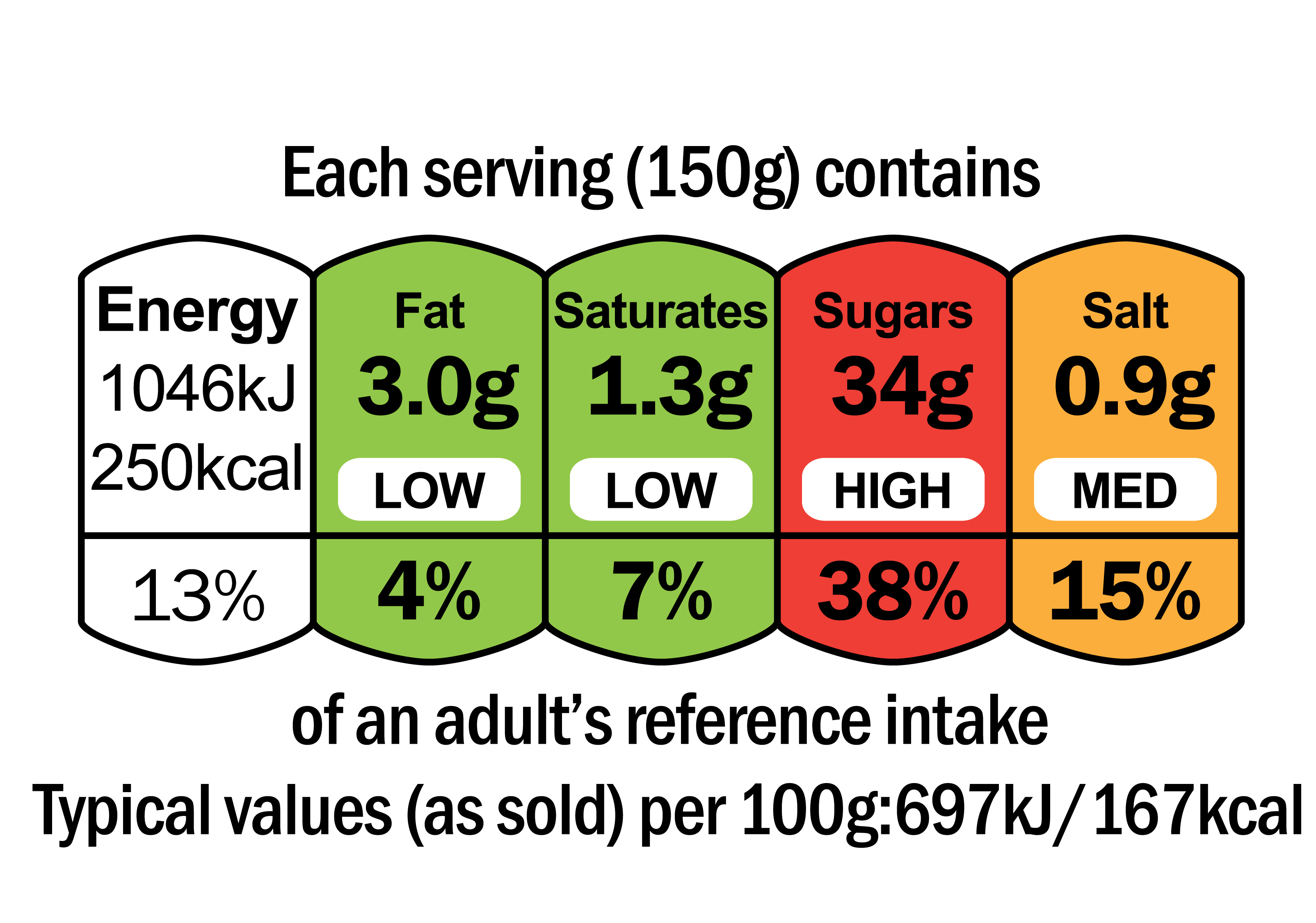
Budgeting Tools and Resources for Health-Conscious Spending
Numerous financial tools and resources can aid in making healthier dietary fat choices without compromising a budget:
- Budgeting Apps: Many personal finance apps allow users to categorize spending, track grocery expenses, and set food budgets. By diligently tracking where money is spent on food, individuals can identify areas for improvement and reallocate funds towards healthier options.
- Online Grocery Comparison Tools: Websites and apps that compare prices across different grocery stores can help identify the most affordable sources of healthy fats.
- Recipe and Meal Planning Websites: Many free online resources offer budget-friendly recipes that incorporate healthy fats. These can provide practical guidance for incorporating these ingredients into daily meals.
- Community Resources: Local food banks, community gardens, and farmers’ markets can sometimes offer more affordable access to fresh produce and healthy staples.
By actively engaging with these tools and resources, individuals can develop a more sophisticated approach to managing their food budget, ensuring that their pursuit of a balanced diet, including appropriate fat intake, is financially sustainable and ultimately rewarding. The ability to integrate health and financial planning is a hallmark of true financial literacy in the modern era.
aViewFromTheCave is a participant in the Amazon Services LLC Associates Program, an affiliate advertising program designed to provide a means for sites to earn advertising fees by advertising and linking to Amazon.com. Amazon, the Amazon logo, AmazonSupply, and the AmazonSupply logo are trademarks of Amazon.com, Inc. or its affiliates. As an Amazon Associate we earn affiliate commissions from qualifying purchases.