
Defense spending, a significant component of national budgets globally, represents a complex interplay of security imperatives and economic realities. Understanding what percentage of a nation’s Gross Domestic Product (GDP) is allocated to defense is crucial for comprehending its fiscal priorities, its geopolitical stance, and its broader economic impact. This analysis delves into the multifaceted nature of defense spending as a percentage of GDP, exploring its historical trends, the factors influencing its allocation, and the significant economic considerations involved.
The Global Landscape of Defense Expenditure
Defense spending is a global phenomenon, with varying levels of investment across different nations. While the need for national security is universal, the resources dedicated to it are heavily influenced by a country’s geopolitical position, regional stability, technological advancements, and economic capacity.
Historical Trends and Fluctuations
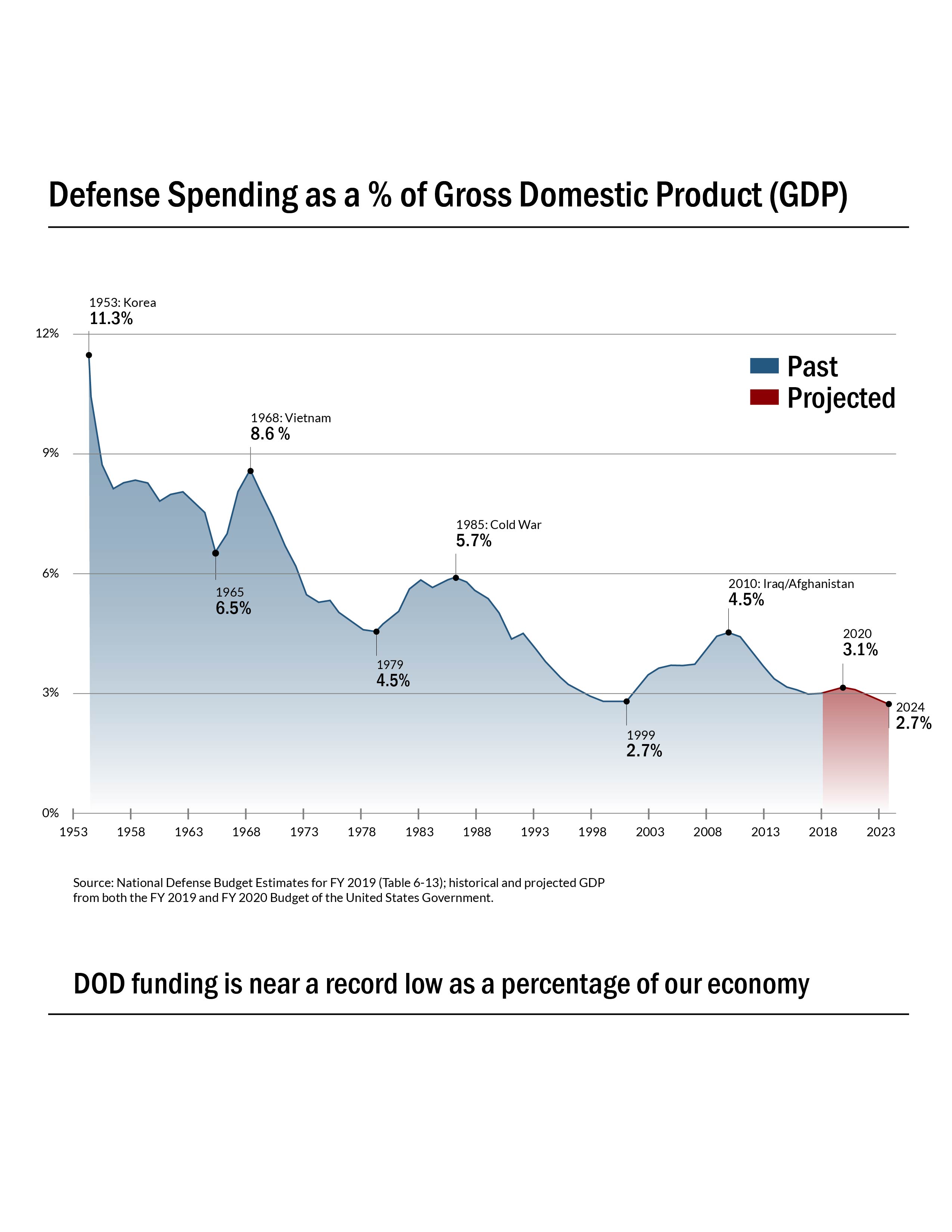
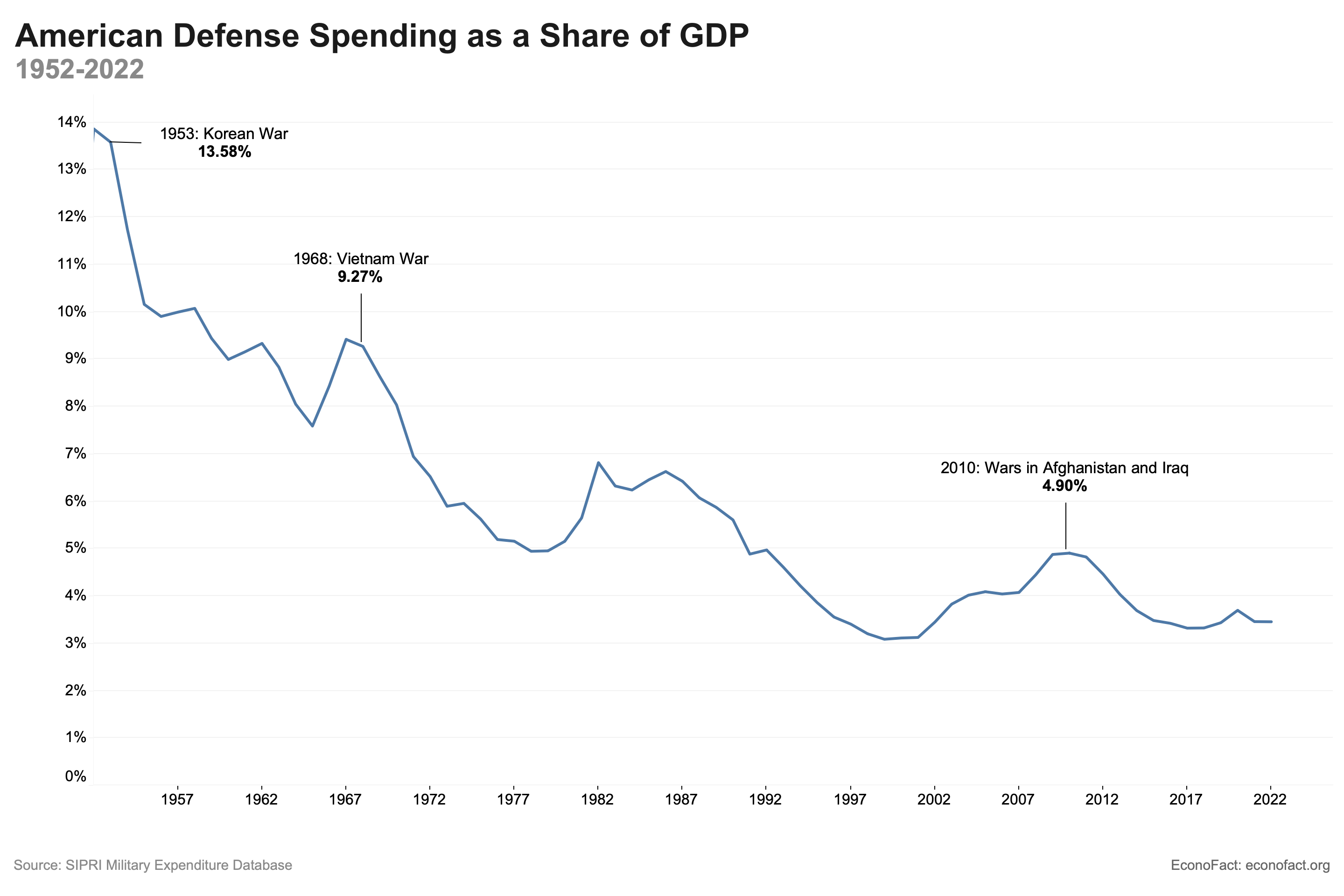
The percentage of GDP dedicated to defense has experienced significant fluctuations throughout history, often mirroring periods of global conflict, geopolitical tension, or shifts in national priorities. Following World War II, many nations significantly reduced their defense budgets. However, the Cold War era saw a substantial increase in defense spending as the United States and the Soviet Union engaged in a protracted arms race. This period witnessed defense budgets reaching exceptionally high percentages of GDP in many developed nations.
The end of the Cold War brought about a “peace dividend” for many countries, leading to a decline in defense expenditures. However, the early 21st century witnessed a resurgence in defense spending driven by events such as the September 11th attacks and subsequent global security challenges. This has led to a renewed focus on military preparedness and the allocation of substantial resources to defense.
Regional Variations and Key Players
Examining defense spending as a percentage of GDP reveals significant regional disparities. Developed economies in North America and parts of Europe historically have allocated a considerable portion of their GDP to defense, though this trend has seen some moderation in recent decades. Conversely, regions experiencing ongoing conflict or significant geopolitical rivalries often exhibit higher defense spending as a proportion of their GDP.
The United States, as a global superpower, consistently allocates a significant portion of its GDP to defense, often exceeding the average for developed nations. This reflects its extensive military commitments, technological superiority, and global security role. Other major global powers also maintain substantial defense budgets, influencing regional and global security dynamics. Emerging economies, as they grow and their security concerns evolve, are also increasingly investing in their defense capabilities, which can lead to shifts in the global distribution of defense spending as a percentage of GDP.
Factors Influencing Defense Spending as a Percentage of GDP
Several interconnected factors drive the decision-making process behind allocating a nation’s GDP to defense. These factors range from immediate security threats to long-term strategic considerations and economic realities.
Geopolitical Environment and Security Threats
The most direct driver of defense spending is the perceived level of threat to national security. Countries facing active territorial disputes, regional instability, or the presence of hostile state or non-state actors are likely to allocate a larger percentage of their GDP to defense. This can include maintaining large standing armies, investing in advanced weaponry, and participating in international security alliances. The nature and intensity of these threats often dictate the urgency and scale of defense investments.
For instance, countries bordering volatile regions or those involved in active conflicts will inevitably see their defense budgets rise as a proportion of their GDP. Similarly, the rise of new security challenges, such as cyber warfare or terrorism, can prompt shifts in defense spending priorities, requiring investment in new technologies and specialized capabilities.
Technological Advancements and the Arms Race
The relentless pace of technological innovation in the military sphere significantly impacts defense spending. The development of new weapon systems, surveillance technologies, and communication networks often necessitates substantial investment to maintain a qualitative edge over potential adversaries. This can lead to what is sometimes referred to as a “technological arms race,” where nations feel compelled to invest heavily to avoid falling behind.
The cost of developing, acquiring, and maintaining advanced military hardware can be astronomical, directly translating into a higher percentage of GDP dedicated to defense. This is particularly true for nations aiming to project power or maintain strategic deterrence. Research and development (R&D) in defense is a crucial area, and significant budgets are allocated to ensure future military capabilities remain at the forefront.
Economic Capacity and Fiscal Priorities
A nation’s overall economic strength, measured by its GDP, plays a pivotal role in determining the absolute and relative size of its defense budget. A larger and more robust economy can support higher levels of defense spending without it constituting an overwhelming burden on other essential public services. However, even with a strong economy, defense spending represents a choice. Governments must balance the demands of national security with other crucial areas such as healthcare, education, infrastructure, and social welfare.
The decision to allocate a certain percentage of GDP to defense is therefore a reflection of a government’s broader fiscal priorities and its assessment of the trade-offs involved. Countries with limited economic resources may find it challenging to allocate a significant percentage of their GDP to defense, even if facing considerable security threats. Conversely, wealthy nations may choose to invest more heavily in defense to project power or ensure regional stability.
The Economic Ramifications of Defense Spending
The allocation of a nation’s GDP to defense is not merely a matter of security; it carries profound economic consequences, both positive and negative. Understanding these ramifications is essential for a comprehensive assessment of defense spending.
Economic Stimulus and Job Creation
Defense spending, particularly on procurement and R&D, can act as a significant economic stimulus. Large defense contracts often involve substantial investment in manufacturing, technology, and skilled labor, leading to job creation across various sectors. The defense industry can foster innovation and drive advancements in fields like aerospace, materials science, and information technology, with potential spillover effects into the civilian economy.
Furthermore, military personnel represent a significant workforce, and their salaries and expenses contribute to economic activity. Military bases and installations also generate local economic benefits through procurement and employment. The economic multiplier effect of defense spending can therefore be substantial, contributing to overall GDP growth.
Opportunity Costs and Resource Allocation
Conversely, significant defense spending comes with considerable opportunity costs. Every dollar spent on military capabilities is a dollar that cannot be allocated to other vital areas such as education, healthcare, infrastructure development, or renewable energy. This trade-off is a central consideration for policymakers.
High defense spending can divert resources and talent away from civilian sectors, potentially hindering innovation and economic growth in those areas. For example, investing heavily in military R&D might draw top scientific talent away from developing civilian technologies. The long-term economic implications of these opportunity costs need to be carefully weighed against the perceived benefits of robust defense capabilities.
Impact on National Debt and Fiscal Stability
Sustained high levels of defense spending can contribute to growing national debt, especially if not matched by sufficient government revenue. This can strain public finances, limit future policy options, and potentially lead to fiscal instability. The burden of servicing this debt can divert funds from other essential public services, creating a cycle of fiscal constraint.
The economic impact of defense spending as a percentage of GDP is therefore intricately linked to a nation’s overall fiscal health. Governments must carefully manage their defense budgets to ensure they are sustainable and do not jeopardize long-term economic stability. The debate often revolves around finding the optimal balance between national security needs and fiscal responsibility.
Measuring and Interpreting Defense Spending as a Percent of GDP
Understanding the nuances of defense spending as a percentage of GDP requires a clear grasp of how it is measured and the limitations of this metric. Consistent and transparent reporting is crucial for meaningful analysis and international comparison.
Data Collection and Reporting Standards
International organizations like the Stockholm International Peace Research Institute (SIPRI) and the International Institute for Strategic Studies (IISS) are key sources for data on global defense spending. These organizations collect and analyze data from national governments, employing standardized methodologies to ensure comparability. However, differences in accounting practices and the definition of what constitutes “defense spending” can still lead to variations in reported figures across countries.
Key components typically included in defense spending figures are personnel costs, operations and maintenance, procurement of new equipment, research and development, and military construction. Some definitions may also include paramilitary forces or other security-related expenditures, which can affect the final percentage of GDP.
Benchmarking and International Comparisons
Benchmarking defense spending as a percentage of GDP against international norms and peer nations is a common practice. This allows policymakers to assess whether their nation’s expenditure is in line with regional or global trends and to identify potential areas for adjustment. However, it’s crucial to remember that direct comparisons can be misleading due to differing strategic environments, alliance commitments, and economic structures.
For example, a small nation with significant border security concerns might have a higher defense spending percentage than a larger, more secure nation, even if the latter possesses a more technologically advanced military. Therefore, while percentages provide a useful starting point, a deeper analysis of the specific security context and strategic objectives is essential for accurate interpretation.

The “Peace Dividend” and the Cost of Security
The concept of the “peace dividend” refers to the potential economic benefits realized when governments reduce military spending following a period of reduced conflict. Conversely, increased geopolitical tensions or emerging threats can lead to a “security cost,” where resources are diverted to defense, potentially at the expense of other economic priorities.
The ongoing debate about defense spending as a percentage of GDP often centers on this fundamental trade-off. Societies must continually assess their security needs and the economic implications of meeting those needs. The pursuit of security is a necessary function of the state, but its cost, measured as a percentage of GDP, requires careful and continuous evaluation in light of evolving global dynamics and domestic economic realities.
In conclusion, understanding “what percent GDP is defense spending” is a critical exercise for comprehending a nation’s economic priorities, its security posture, and its place in the global landscape. This figure is not static; it is a dynamic indicator influenced by a complex array of geopolitical, technological, and economic factors. By analyzing historical trends, the drivers of spending, and the economic ramifications, one can gain a more profound insight into the intricate relationship between defense and the broader economy.
aViewFromTheCave is a participant in the Amazon Services LLC Associates Program, an affiliate advertising program designed to provide a means for sites to earn advertising fees by advertising and linking to Amazon.com. Amazon, the Amazon logo, AmazonSupply, and the AmazonSupply logo are trademarks of Amazon.com, Inc. or its affiliates. As an Amazon Associate we earn affiliate commissions from qualifying purchases.