
The Star Wars saga, a cultural phenomenon that has captivated audiences for decades, is more than just a collection of space operas. It’s a masterclass in brand building, narrative architecture, and strategic intellectual property management. For the uninitiated, or even for long-time fans seeking to revisit the universe, the question of “what order do the Star Wars films go in?” is not merely about chronological storytelling. It’s about understanding the deliberate construction of a universe, the evolution of its brand identity, and the strategic decisions that have shaped its enduring appeal. This article will explore the Star Wars films not just as a sequence of stories, but as a carefully curated brand experience, dissecting the various viewing orders through the lens of brand strategy, marketing, and the construction of an immersive narrative universe.

The Cinematic Birth of a Galactic Brand: The Original Trilogy
The inception of the Star Wars brand lies firmly within the groundbreaking Original Trilogy (Episodes IV, V, and VI). This era was characterized by a bold, innovative approach to filmmaking and storytelling that laid the foundation for an unprecedented cultural impact. From a brand perspective, this was about establishing a core identity, a set of archetypes, and a compelling mythology that resonated with audiences on a primal level.
Episode IV: A New Hope (1977) – The Genesis of Archetypes and Mythos
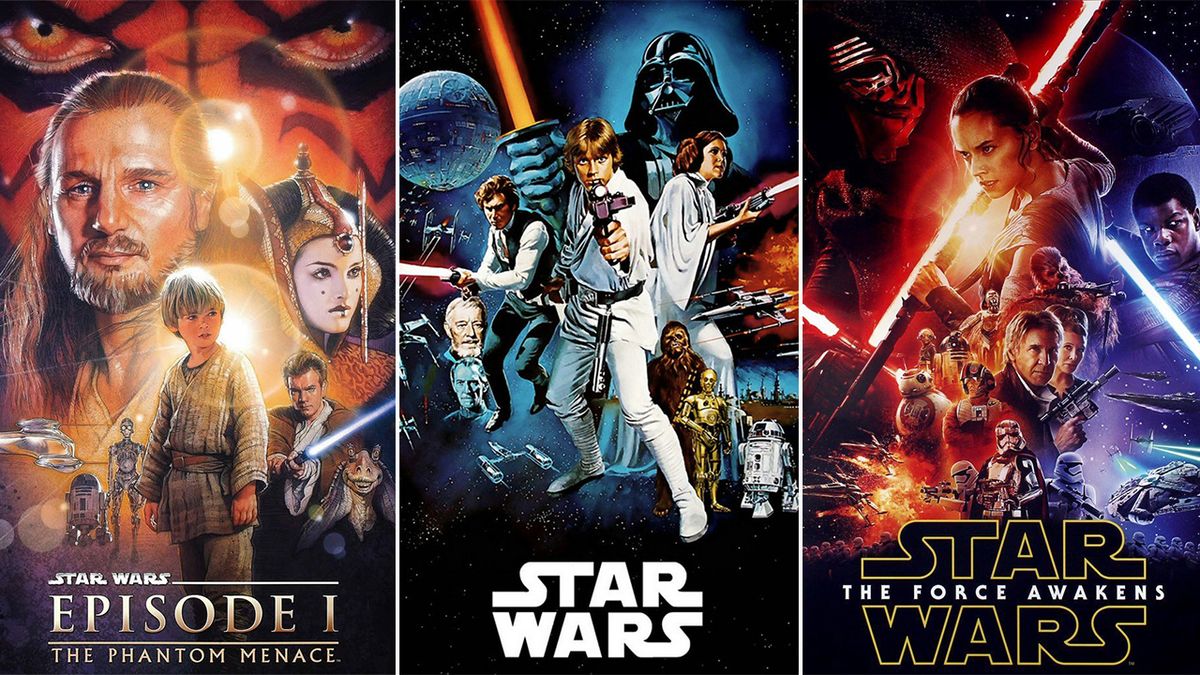
The genesis of the Star Wars brand is irrevocably tied to A New Hope. Released in 1977, this film didn’t just introduce a galaxy far, far away; it introduced a potent blend of classic mythology, science fiction tropes, and unforgettable characters. The brand’s core elements – the struggle between good and evil, the hero’s journey, the concept of the Force, and the iconic imagery of spaceships and droids – were all established here. The marketing of A New Hope was equally revolutionary. Unlike the typical movie promotion of the era, which focused on star power, Star Wars leveraged its unique concept and visual spectacle. Posters depicted a grand adventure, hinting at a vast universe ripe for exploration. The success of A New Hope wasn’t just a box office triumph; it was the successful launch of a powerful and versatile brand. The film’s narrative structure, rooted in Joseph Campbell’s monomyth, provided a universal appeal that transcended genre. This foundational story provided the brand with its essential DNA, a blueprint that would be expanded upon and reinterpreted for decades to come. The characters of Luke Skywalker, Princess Leia, Han Solo, Darth Vader, and Obi-Wan Kenobi became instant icons, embodying archetypal roles that would define the brand’s narrative potential. The visual design, from the Millennium Falcon to the Death Star, created a tangible and aspirational universe.
Episodes V & VI: The Brand’s Expansion and Consolidation
The Empire Strikes Back (Episode V, 1980) and Return of the Jedi (Episode VI, 1983) were crucial in solidifying and expanding the Star Wars brand. The Empire Strikes Back is often lauded for its darker tone and complex narrative turns, which deepened the mythos and challenged audience expectations. This film demonstrated the brand’s capacity for sophisticated storytelling, introducing moral ambiguity and unexpected betrayals. The reveal of Darth Vader’s parentage was a masterful narrative twist that not only elevated the character but also added layers of complexity to the central conflict. From a brand perspective, this was about demonstrating depth and maturity within the universe.
Return of the Jedi served as the grand finale of the original arc, providing a sense of closure while also leaving the door open for future expansion. It reinforced the core brand message of hope triumphing over darkness and solidified the iconic status of its characters. The introduction of new elements like the Ewoks and the Jabba the Hutt storyline showcased the brand’s ability to introduce diverse elements without compromising its core identity. The marketing for these films continued to capitalize on the established mythology and visual appeal, further embedding Star Wars into popular culture. The success of the Original Trilogy established Star Wars as more than a film franchise; it was a burgeoning media empire with a distinct and universally recognized brand identity. The consistent quality and narrative coherence of these initial films were instrumental in building trust and anticipation for whatever came next.
The Prequel Era: Reimagining the Brand for a New Generation
The release of the Prequel Trilogy (Episodes I, II, and III) in the late 1990s and early 2000s represented a significant strategic pivot for the Star Wars brand. This era was about reintroducing the universe to a new generation of fans while also providing context and backstory for the original narrative. From a brand strategy standpoint, it was a deliberate attempt to expand the lore, explore the origins of key characters, and leverage new technological advancements in filmmaking to offer a fresh perspective.
Episode I: The Phantom Menace (1999) – Navigating Nostalgia and Introducing New Elements
The Phantom Menace faced the monumental task of recapturing the magic of the original films while also introducing a prequel narrative. From a brand perspective, this was a delicate balancing act. The film aimed to explore the political machinations leading to the Clone Wars and the rise of the Empire, offering a glimpse into a galaxy before the iconic events of A New Hope. The introduction of new characters like Anakin Skywalker, Padmé Amidala, and Jar Jar Binks, alongside familiar elements like the Jedi Order and Darth Maul, was a strategic decision to broaden the brand’s appeal and create new points of engagement. The marketing campaign for The Phantom Menace was immense, building on the pre-existing Star Wars brand equity. It generated enormous anticipation, demonstrating the enduring power of the franchise. The film’s visual design and action sequences showcased the advancements in CGI, indicating the brand’s willingness to evolve technologically. However, the critical reception of The Phantom Menace also highlighted the challenges of maintaining narrative consistency and character development while expanding a beloved brand.
Episodes II & III: Deepening the Lore and Completing the Arc
Attack of the Clones (Episode II, 2002) and Revenge of the Sith (Episode III, 2005) continued to build out the Prequel Trilogy’s narrative, tracing Anakin Skywalker’s descent into darkness and the fall of the Republic. From a brand strategy perspective, these films were about providing the necessary context for the transformation of Anakin into Darth Vader, a pivotal element of the overarching Star Wars narrative. Attack of the Clones focused on Anakin’s burgeoning romance with Padmé and the early stages of the Clone Wars, further fleshing out the political landscape of the galaxy. The introduction of the Separatist movement and the Jedi Council’s complex role in the conflict added layers of political intrigue to the brand.
Revenge of the Sith served as the dramatic culmination of the Prequel Trilogy, depicting the execution of Order 66 and the birth of the Galactic Empire. This film was crucial for the brand as it directly bridged the gap between the Prequel and Original Trilogies, explaining the origins of Darth Vader and the reasons for the Jedi’s downfall. The thematic resonance of betrayal, corruption, and the loss of innocence was central to this film’s brand impact. The marketing for these films emphasized the epic scope of the Clone Wars and the tragic transformation of Anakin, appealing to both existing fans and newcomers. The Prequel Trilogy, despite its mixed reception, was a strategic success in terms of expanding the Star Wars universe, deepening its lore, and demonstrating the brand’s adaptability to evolving filmmaking technologies and narrative complexities. It provided crucial backstory that enriched the understanding of the Original Trilogy and set the stage for future installments.
The Sequel Trilogy and Beyond: Reinvigorating the Brand for a New Era
Following the acquisition of Lucasfilm by Disney, the Star Wars brand embarked on a new phase of expansion with the Sequel Trilogy (Episodes VII, VIII, and IX) and a series of standalone films and Disney+ series. This era represents a strategic effort to revitalize the brand, appeal to a new generation of storytellers and audiences, and explore diverse narrative avenues within the established universe.
Episodes VII, VIII, & IX: A Modern Reimagining and Legacy Building
The Sequel Trilogy, beginning with The Force Awakens (Episode VII, 2015), was a deliberate attempt to recapture the spirit of the Original Trilogy while introducing a new generation of heroes and villains. From a brand perspective, this was about leveraging nostalgia while simultaneously forging a new path. The Force Awakens skillfully reintroduced iconic characters and themes, effectively reigniting the passion of long-time fans and drawing in new audiences. The film’s narrative was designed to mirror the structure of A New Hope, offering a familiar yet fresh entry point.
The Last Jedi (Episode VIII, 2017) took a more experimental approach to brand storytelling, challenging established conventions and exploring complex character arcs. This film demonstrated the brand’s willingness to take creative risks and push narrative boundaries, even if it proved divisive among some segments of the fanbase. From a brand strategy viewpoint, the diversity of opinion generated by The Last Jedi also indicated the brand’s continued ability to spark conversation and engagement.
The Rise of Skywalker (Episode IX, 2019) aimed to provide a conclusive end to the Skywalker saga, tying together the threads of all three trilogies. This film was crucial for consolidating the brand’s overarching narrative, seeking to offer a sense of closure while also emphasizing the enduring legacy of the Star Wars universe. The marketing for the Sequel Trilogy was massive, leveraging the established global recognition of the Star Wars brand. It showcased new characters like Rey, Finn, and Poe Dameron, positioning them as the future of the franchise and ensuring the brand’s continued relevance for years to come.

Expanding the Galaxy: Standalone Films and Disney+ Series
Beyond the core trilogies, the Star Wars brand has strategically expanded its reach through standalone films like Rogue One (2016) and Solo (2018), and a rapidly growing slate of Disney+ series such as The Mandalorian, Andor, and Obi-Wan Kenobi. From a brand perspective, these ventures are crucial for diversifying the types of stories told within the Star Wars universe and for exploring different genres and tones.
Rogue One offered a gritty, war-movie aesthetic, demonstrating the brand’s capacity for exploring the less glamorous, more human aspects of the galactic conflict. Its success validated the strategy of creating interconnected, yet distinct, narratives that enrich the overall Star Wars lore. Solo explored the origin story of a beloved character, showcasing the brand’s ability to delve into the past and humanize its iconic figures.
The Disney+ series have been particularly instrumental in revitalizing the brand. The Mandalorian, with its unique blend of western and samurai influences, introduced a compelling new character and expanded the universe into uncharted territories. The success of The Mandalorian paved the way for other critically acclaimed series like Andor, which offered a more mature and politically charged narrative, and Obi-Wan Kenobi, which provided long-awaited closure for a fan-favorite character. These projects demonstrate a sophisticated brand strategy that embraces diverse storytelling formats and thematic explorations, ensuring the Star Wars universe remains vibrant, engaging, and relevant for a constantly evolving global audience. The strategic deployment of these various media allows the brand to cater to a wider range of fan interests and to continuously introduce new elements that keep the universe fresh and exciting.
aViewFromTheCave is a participant in the Amazon Services LLC Associates Program, an affiliate advertising program designed to provide a means for sites to earn advertising fees by advertising and linking to Amazon.com. Amazon, the Amazon logo, AmazonSupply, and the AmazonSupply logo are trademarks of Amazon.com, Inc. or its affiliates. As an Amazon Associate we earn affiliate commissions from qualifying purchases.