
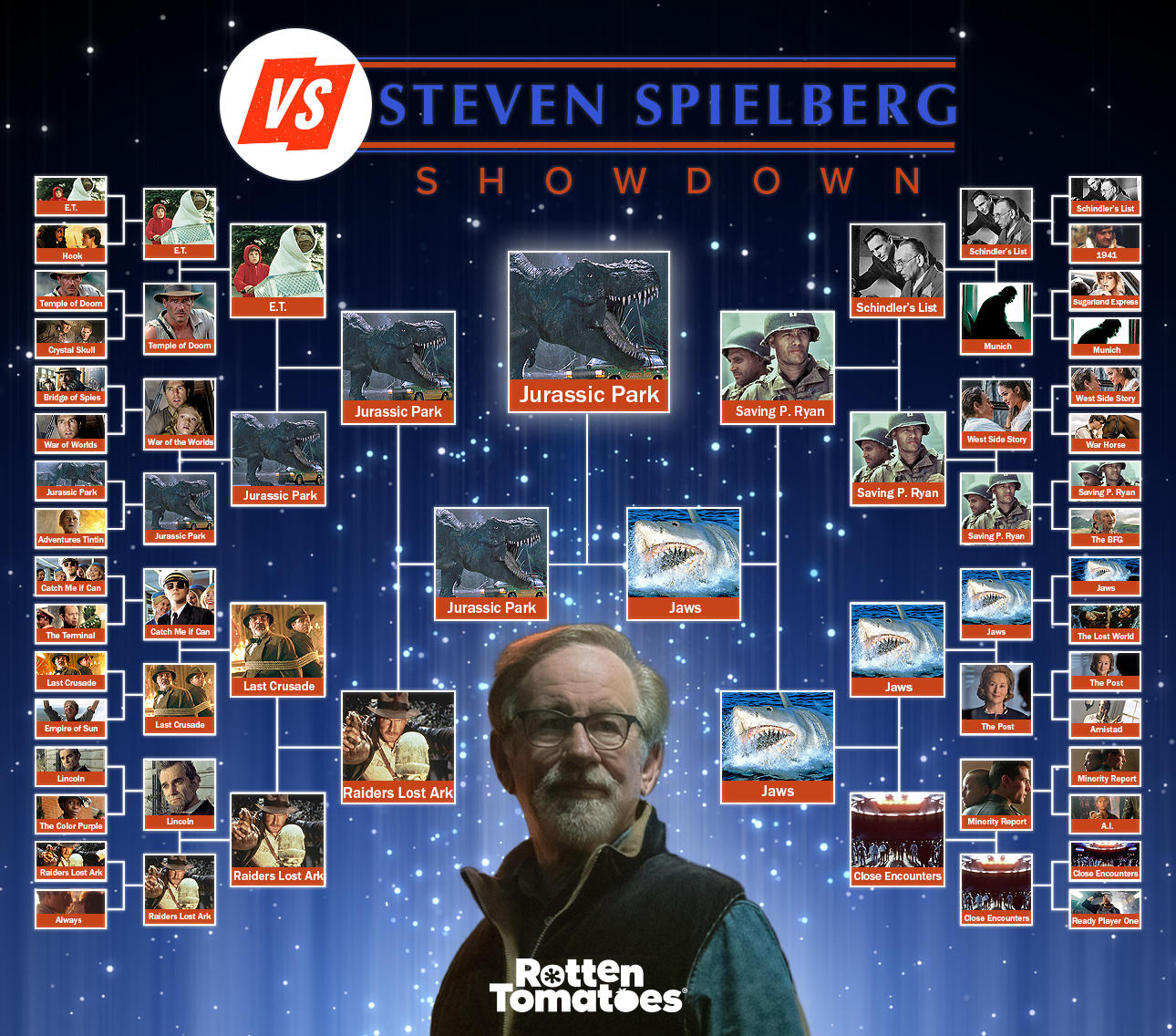
In the world of global marketing and corporate identity, few names carry as much equity as “Steven Spielberg.” While the casual observer might ask, “What movies did Steven Spielberg make?” a brand strategist looks at his filmography and sees a masterclass in personal branding, product diversification, and market dominance. Spielberg is not merely a director; he is a premier brand that has maintained market leadership for over five decades.
His filmography serves as a portfolio of high-value assets that have defined and redefined the “Blockbuster” category. By examining the movies Steven Spielberg made through the lens of brand strategy, we can uncover the principles of consistency, emotional resonance, and strategic pivot that allowed him to build a cinematic empire.
Building the Master Brand: Consistency and the Spielberg “Aesthetic”
Every successful brand has a “signature”—a set of recognizable traits that tell the consumer exactly what to expect. In the tech world, it might be Apple’s minimalism; in the automotive world, it’s Volvo’s safety. For the Spielberg brand, the signature is “Wonder.” Whether he is depicting a terrifying shark or a friendly alien, his movies are built on a foundation of visual and emotional cues that constitute his brand identity.
The Visual Signature: Lighting, Framing, and Movement
From a branding perspective, Spielberg’s visual style acts as a “logo” for his films. The “Spielberg Face”—a slow zoom-in on a character looking off-camera in awe—is a recurring motif that signals the brand’s core value: the human experience of the extraordinary. By maintaining this visual consistency across films as diverse as Close Encounters of the Third Kind and Jurassic Park, he created a visual language that audiences instantly associate with his brand. This consistency builds trust; the audience knows that a Spielberg film will provide a specific level of craftsmanship and cinematic “polish.”
Emotional Resonance: The Brand Promise of Wonder
A brand is a promise. Spielberg’s brand promise is to make the audience “feel” something profound. Early in his career, movies like E.T. the Extra-Terrestrial established his niche: the suburban ordinary meeting the fantastic. This emotional “sweet spot” became his brand’s primary value proposition. By anchoring high-concept sci-fi in relatable human emotions—specifically the themes of broken families and fatherhood—he ensured that his products (the movies) appealed to the widest possible demographic, achieving a level of mass-market penetration rarely seen in any industry.
Diversification and Portfolio Management: From Blockbusters to Prestige Dramas
In business, relying on a single product line is risky. Long-term brand survival requires diversification. After dominating the “popcorn movie” market in the 1970s and 80s, Spielberg executed a brilliant brand pivot in the 1990s. He successfully expanded his portfolio to include “Prestige Dramas,” proving that his brand could handle serious, historical, and socially significant content without losing its core identity.
The Popcorn Brand: Redefining the Summer Blockbuster
The movie Jaws (1975) didn’t just make Spielberg a household name; it invented the modern “Summer Blockbuster” business model. This was a strategic shift in how films were marketed and distributed. By releasing the film wide across hundreds of theaters simultaneously and backing it with a massive television advertising campaign, the Spielberg brand became synonymous with the “must-see event.” His subsequent hits, like the Indiana Jones series, solidified this market position. In branding terms, he owned the “Action-Adventure” category.
The Historical Authority: Elevating the Brand through Oscar-Winning Social Impact
In 1993, Spielberg pulled off one of the greatest “brand extensions” in history. Within the same calendar year, he released Jurassic Park (a quintessential summer blockbuster) and Schindler’s List (a harrowing Holocaust drama). This dual release demonstrated incredible brand elasticity. Schindler’s List and later Saving Private Ryan repositioned the Spielberg brand as an authority on history and morality. This move into the “Prestige” niche allowed him to capture a different market segment—critics and award bodies—thereby increasing his brand’s overall cultural capital and longevity.

Corporate Identity: The Rise of Amblin and DreamWorks SKG
A personal brand is powerful, but a corporate identity is scalable. Spielberg understood that to truly control his output and legacy, he needed to move from being a “talent” to being a “founder.” This led to the creation of Amblin Entertainment and later DreamWorks SKG, which served as the corporate vehicles for his creative vision.
Amblin Entertainment: Licensing and Child-Like Wonder
The Amblin logo—the silhouette of Elliot and E.T. flying across the moon—is one of the most recognized corporate marks in entertainment. Through Amblin, Spielberg was able to “franchise” his brand. He didn’t have to direct every movie for it to feel like a “Spielberg movie.” Films like The Goonies, Back to the Future, and Gremlins were produced under the Amblin banner. This allowed the brand to occupy more “shelf space” in the consumer’s mind. Amblin became a seal of quality, a sub-brand that signaled a specific type of family-friendly adventure.
DreamWorks SKG: Challenging the Studio Monolith
In 1994, Spielberg co-founded DreamWorks SKG, a move that represented the ultimate corporate statement. By launching a full-scale studio, he was no longer just a content creator; he was a market disruptor. This allowed him to verticalize his business, controlling everything from production to distribution. The movies he made during this era, such as Gladiator (as a producer) and Minority Report (as a director), reflected a more mature, tech-forward, and aggressive corporate identity. This period showed how a strong personal brand could be leveraged to secure billions in venture capital and challenge established industry giants like Disney and Warner Bros.
Legacy Branding: Marketing Nostalgia and Future-Proofing the Name
As brands age, they face the challenge of staying relevant to younger generations while maintaining their original “core” customers. Spielberg has managed this transition by leaning into “Legacy Branding”—using nostalgia as a marketing tool while simultaneously adopting new technologies to stay at the cutting edge of the industry.
The Power of Collaboration: Brand Synergy with John Williams and Tom Hanks
Successful branding often relies on strategic partnerships. Spielberg’s long-term collaboration with composer John Williams is a prime example of brand synergy. The music of Star Wars, Jaws, and Indiana Jones is inextricably linked to the visual brand. Similarly, his frequent casting of Tom Hanks creates a “brand duo” that communicates reliability, Americana, and Everyman integrity. These partnerships create a halo effect, where the positive attributes of one brand (Hanks) reinforce the attributes of the other (Spielberg).
Adapting to the Digital Era: Staying Relevant in a Shifting Media Landscape
In the 21st century, the way we consume “products” has changed, and Spielberg has adapted. From the high-tech motion capture of The Adventures of Tintin to the VR-centric themes of Ready Player One, he has ensured that his brand remains part of the conversation regarding the future of tech and storytelling. Even his recent foray into streaming partnerships and his autobiographical film The Fabelmans show a brand that is comfortable looking backward to its origin story while moving forward into new distribution models.

Conclusion: The Spielberg Brand Equity
When we ask “what movies did Steven Spielberg make,” we are really asking “how did one man build the most successful creative brand in history?” From the terrifying depths of Jaws to the historical weight of Lincoln, Spielberg’s filmography is a testament to the power of a clear brand identity.
He mastered the art of the “High Concept”—a product that can be explained in a single sentence and marketed to millions. He successfully navigated brand pivots, moving from “The Kid Who Made Shark Movies” to “The Statesman of American Cinema.” Most importantly, he built a corporate infrastructure that ensured his brand would outlast any single film.
In the competitive landscape of global media, Spielberg remains the gold standard for personal branding. He proved that if you build a brand on a foundation of quality, emotional connection, and constant innovation, you don’t just make movies; you make history.
aViewFromTheCave is a participant in the Amazon Services LLC Associates Program, an affiliate advertising program designed to provide a means for sites to earn advertising fees by advertising and linking to Amazon.com. Amazon, the Amazon logo, AmazonSupply, and the AmazonSupply logo are trademarks of Amazon.com, Inc. or its affiliates. As an Amazon Associate we earn affiliate commissions from qualifying purchases.