
In the dynamic world of telecommunications, where blazing-fast 5G networks and ubiquitous coverage are the new benchmarks, consumers often find themselves navigating a complex web of carriers and plans. While titans like AT&T, Verizon, and T-Mobile dominate the airwaves with their proprietary infrastructure, a lesser-known but equally significant segment of the market leverages these very networks to offer competitive services. The question, “What carriers use AT&T towers?” delves into this fascinating ecosystem of network sharing, revealing a landscape where technology, brand strategy, and personal finance intersect to provide consumers with a broader array of choices. This article will explore the MVNO (Mobile Virtual Network Operator) model, identify key players that operate on AT&T’s robust network, and dissect the benefits and considerations for consumers and businesses alike, touching upon critical aspects of technology, branding, and financial wisdom.
The Foundation: Understanding AT&T’s Network and MVNOs
At the heart of every mobile phone service lies a complex, multi-billion-dollar network infrastructure. Understanding how these networks operate and how other companies gain access to them is crucial to appreciating the diverse options available in the market.
AT&T’s Network Infrastructure: A Brief Overview
AT&T boasts one of the most extensive and advanced cellular networks in the United States. Its infrastructure comprises a vast array of cell towers, fiber optic cables, data centers, and switching equipment that facilitate voice calls, text messages, and high-speed mobile data. This network supports various technologies, including 4G LTE, which provides widespread coverage, and the rapidly expanding 5G network, offering faster speeds and lower latency. The sheer scale and continuous investment in upgrading this network make it a coveted asset for any provider looking to offer reliable mobile service across the nation. For consumers, AT&T’s network implies strong coverage in many urban, suburban, and even rural areas, a critical factor when choosing a mobile provider. The technological sophistication of this network underpins the quality of service for millions, whether they subscribe directly to AT&T or to a carrier utilizing its infrastructure.
What is an MVNO (Mobile Virtual Network Operator)?
A Mobile Virtual Network Operator (MVNO) is a wireless communications services provider that does not own the wireless network infrastructure over which it provides services to its customers. Instead, an MVNO enters into a business agreement with a Mobile Network Operator (MNO), like AT&T, to obtain bulk access to network services at wholesale rates. The MVNO then resells these services under its own brand, offering its own pricing plans, customer service, and sometimes unique features. Think of it like a retailer selling products manufactured by another company; the retailer handles the branding, marketing, and sales, while the manufacturer provides the core product. This model allows MVNOs to avoid the massive capital expenditure required to build and maintain a cellular network, enabling them to focus on marketing, customer acquisition, and offering niche services, often at more competitive prices. It’s a prime example of how business finance strategies can create market opportunities and benefit consumers.
The Rationale Behind Network Sharing
The practice of network sharing, facilitated by MVNO agreements, is a win-win scenario for both the MNO and the MVNO. For AT&T, it allows them to monetize unused network capacity, generating additional revenue streams without significantly increasing their operational costs. It also helps them reach segments of the market that might not be interested in a premium, full-price AT&T plan, thereby expanding their overall market footprint. From a branding perspective, an MNO might choose to launch its own MVNO brand (like Cricket Wireless for AT&T) to capture a different consumer demographic without diluting its core brand image. For MVNOs, this model provides immediate access to a robust, pre-existing network, eliminating the need for massive infrastructure investments. This drastically lowers the barrier to entry into the competitive wireless market, fostering innovation in pricing models and service offerings. It’s a strategic move driven by technology utilization and financial optimization, ultimately leading to greater competition and more choices for the end-user.
Major MVNOs Leveraging AT&T’s Network
The AT&T network is a backbone for a diverse array of MVNOs, each targeting different segments of the market with unique value propositions. These range from wholly-owned subsidiaries to independent brands focused on budget-conscious consumers or specific demographics.
Cricket Wireless: AT&T’s Wholly-Owned Subsidiary
Cricket Wireless stands out as AT&T’s own prepaid brand and is arguably the most prominent MVNO operating on the AT&T network. Acquired by AT&T in 2014, Cricket Wireless functions as a direct competitor in the prepaid market while leveraging the full power of AT&T’s 4G LTE and 5G networks. Its brand strategy is distinct from AT&T’s main postpaid offerings, positioning itself as a no-contract, budget-friendly option with straightforward plans. While using the same towers, Cricket’s plans often come with speed caps or data prioritization differences compared to direct AT&T subscribers, which is a common practice for MVNOs to manage network traffic. However, for many users, the savings often outweigh these minor technical distinctions, making it a highly attractive option for reliable service at a lower cost. This strategic branding allows AT&T to capture both the premium and value-conscious segments of the market.
Budget-Friendly Options: Boost Mobile, H2O Wireless, PureTalk
Beyond Cricket, several other independent MVNOs tap into AT&T’s network to offer highly competitive, budget-focused plans. These carriers are specifically designed for consumers prioritizing cost savings and flexibility over premium features or direct MNO branding.
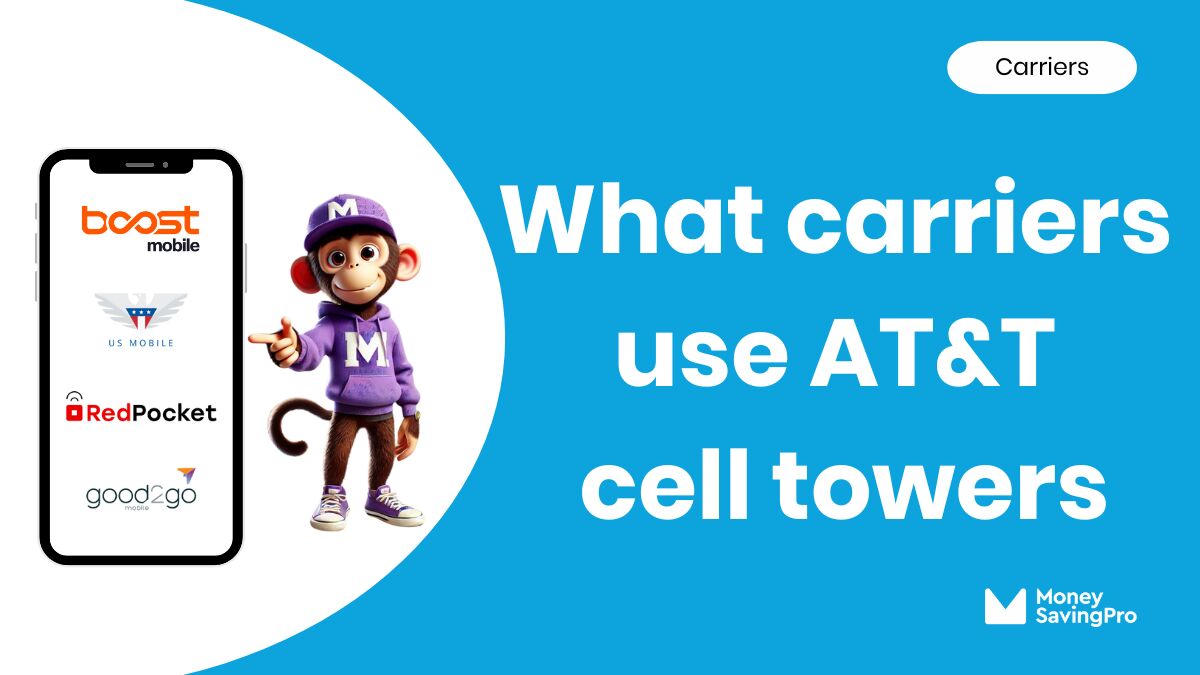
- Boost Mobile: While primarily known for operating on T-Mobile’s network, Boost Mobile has also introduced plans that leverage AT&T’s network, especially after its acquisition by DISH Wireless. This allows Boost to offer its customers broader coverage options depending on their location, highlighting the evolving landscape of network agreements. Boost’s brand often targets a younger, tech-savvy demographic looking for affordable unlimited data.
- H2O Wireless: This MVNO focuses on providing competitive international calling rates alongside standard mobile services, making it popular among immigrant communities and those who frequently communicate with family abroad. H2O Wireless emphasizes simplicity and affordability, utilizing AT&T’s robust network for reliable domestic coverage. Their brand identity is built around connecting people globally without breaking the bank.
- PureTalk: PureTalk positions itself as a conservative, American-owned company that offers simple, affordable cell phone plans without contracts. They often highlight their commitment to customer service and a straightforward pricing structure, appealing to users who dislike complex plans and hidden fees. Their use of the AT&T network ensures reliable service for their target demographic, often emphasizing family plans and senior discounts.
These MVNOs exemplify the “Money” aspect of the telecommunications industry, allowing consumers to significantly reduce their monthly phone bills while still accessing a high-quality network.
Specialized Services: Red Pocket Mobile, Consumer Cellular
Some MVNOs differentiate themselves by catering to specific needs or demographics, moving beyond just budget pricing to offer tailored services.
- Red Pocket Mobile: This carrier is unique in that it offers plans on all four major U.S. networks (AT&T, T-Mobile, Verizon, and Sprint/Dish). Customers can choose which network they want to use when they sign up, providing unparalleled flexibility. Their AT&T-compatible plans are popular for those seeking strong coverage combined with the ability to choose an annual payment structure for even greater savings. Red Pocket’s tech-centric approach to network choice gives consumers significant control.
- Consumer Cellular: As its name suggests, Consumer Cellular primarily targets older adults and seniors, offering simplified plans, excellent customer service, and phones that are easy to use. They operate on both AT&T and T-Mobile networks, allowing them to provide optimal coverage options for their specific demographic. Their brand messaging focuses on reliability, ease of use, and dedicated support, aligning their services perfectly with the needs of a less tech-savvy audience, demonstrating how targeted branding can succeed in a crowded market. Their plans often involve minute, text, and data buckets, appealing to those with lower usage patterns, thus offering significant financial advantages.
These examples illustrate how MVNOs, while sharing the same underlying network technology, can carve out distinct brand identities and market niches through strategic pricing, specialized services, and targeted marketing.
Why Choose an MVNO on the AT&T Network? A Consumer Perspective
For many consumers, the decision between a major carrier and an MVNO operating on its network boils down to a blend of practical benefits. MVNOs leveraging AT&T’s towers offer a compelling value proposition that aligns with smart personal finance and technology utilization.
Cost Savings Without Compromise
One of the primary drivers for choosing an MVNO is the significant cost savings. By purchasing network access at wholesale rates, MVNOs can offer plans that are often substantially cheaper than what AT&T directly provides, especially for similar data allotments. Consumers can find plans with unlimited talk and text, and generous data buckets for $30-$50 per month, whereas comparable plans from AT&T might cost $60-$80 or more. This is particularly beneficial for individuals or families looking to optimize their personal finance and reduce monthly expenses. The perception that cheaper service means poorer quality is often a misconception; for the most part, customers receive the same network coverage and similar data speeds (though deprioritization can occur during peak times, a minor issue for many). The savings accumulated over a year can be substantial, freeing up money for other investments, savings, or even discretionary spending, directly impacting one’s financial well-being.
Diverse Plan Options and Flexibility
MVNOs are renowned for their flexibility and diverse range of plans. Unlike major carriers that often push expensive, all-inclusive unlimited plans, MVNOs typically offer a spectrum of options, from pay-as-you-go and low-data plans to unlimited data packages. This allows consumers to choose a plan that perfectly matches their actual usage patterns, avoiding paying for services they don’t need. Many MVNOs also operate on a no-contract basis, meaning customers aren’t tied into long-term commitments and can switch plans or carriers whenever they find a better deal. This level of adaptability caters to varying lifestyles, whether you’re a heavy data user, an occasional texter, or someone who travels frequently. This flexibility empowers consumers to exercise greater control over their spending and tech choices, aligning with a proactive approach to personal finance.
Leveraging AT&T’s Coverage Footprint
A major advantage of choosing an MVNO that uses AT&T towers is the ability to tap into AT&T’s robust and widespread network coverage. For millions across the U.S., AT&T offers reliable service in key areas, including urban centers, suburban communities, and many rural locations. By opting for an MVNO on this network, consumers can enjoy the same extensive coverage without having to pay premium prices. This means excellent call quality, consistent data speeds (within the MVNO’s specific plan parameters), and reliable connectivity in places where AT&T has invested heavily in infrastructure. Before committing, it’s always wise to check the coverage maps provided by the MVNO, which typically reflect the underlying AT&T network. This ensures that you’re getting both the financial benefits and the technical reliability you need, making it a smart decision for both your wallet and your connectivity.
The Business and Technology Behind Network Partnerships
The relationship between MNOs and MVNOs is a sophisticated blend of technological integration, strategic branding, and complex financial models. Understanding these underlying mechanisms offers insight into the competitive landscape of the telecom industry.
Technological Integration and Service Quality
While MVNOs use the MNO’s towers, the technological integration is more nuanced than simply “plug and play.” MVNOs have their own core network elements, such as billing systems, customer relationship management (CRM) platforms, and sometimes even their own switches for routing calls and data. They connect these systems to the MNO’s network infrastructure through carefully engineered interfaces. This allows the MVNO to manage its customer base, activate services, and control features like voicemail and call forwarding, all while routing calls and data over AT&T’s physical network.
The quality of service for MVNO customers can be excellent, often mirroring that of the parent network. However, a key technical distinction often lies in “data deprioritization.” During periods of network congestion (e.g., a crowded concert or a busy city center), AT&T may prioritize its direct customers’ data over MVNO users to ensure a premium experience for its own subscribers. While this rarely impacts everyday usage for most, it’s a technical detail that explains how MNOs manage their network resources and differentiate their own brand’s offering. The constant evolution of network technology, including 5G rollouts, requires ongoing collaboration and integration efforts between MNOs and MVNOs to ensure seamless service delivery, affecting everything from app performance to digital security for users.
Branding and Market Positioning Strategies for MVNOs
Brand strategy is paramount for MVNOs to distinguish themselves in a market saturated with options. Since they don’t own the underlying network, MVNOs must create strong brand identities based on factors other than infrastructure. This often involves:
- Price Leadership: Many MVNOs position themselves as the most affordable option, appealing to budget-conscious consumers.
- Niche Targeting: As seen with Consumer Cellular, MVNOs can focus on specific demographics or use cases (e.g., international calls, family plans, data-only plans) to build a loyal customer base.
- Customer Service Excellence: Some MVNOs emphasize personalized or superior customer support as a key differentiator, aiming to create a positive reputation that contrasts with the often-criticized service of larger carriers.
- Simplicity and Transparency: Offering straightforward plans without hidden fees or complex terms can appeal to users tired of complicated carrier contracts.
- Value-Added Services: Some MVNOs might bundle streaming services, offer unique roaming options, or provide specific digital security tools to enhance their offering.
These branding efforts are crucial for MVNOs to attract and retain customers, building a corporate identity that stands apart from the major MNOs while still benefiting from their technological prowess. It’s a delicate balance of leveraging the MNO’s investment while cultivating a distinct presence.
Financial Implications for Carriers and Consumers
The MVNO model carries significant financial implications for all parties involved. For AT&T, wholesale agreements generate substantial revenue streams from network capacity that might otherwise go unused. It’s a strategic way to increase profitability from their massive infrastructure investments. However, MNOs must carefully balance wholesale pricing to attract MVNOs without cannibalizing their own direct subscriber base.
For MVNOs, the model drastically reduces capital expenditure, allowing them to allocate resources towards marketing, sales, and customer service. Their business finance hinges on negotiating favorable wholesale rates and effectively managing customer acquisition costs. Success often depends on achieving economies of scale and maintaining low operational overheads.
For consumers, the financial benefits are clear: lower monthly bills, greater flexibility, and often the ability to avoid device financing or lengthy contracts. The savings achieved by switching to an MVNO can be directed towards other personal finance goals, such as investing, debt repayment, or building an emergency fund. This economic efficiency highlights how technological availability, coupled with smart business models, empowers consumers to make more financially astute decisions regarding essential services. It’s a prime example of how digital services can be made more accessible and affordable through innovative financial and tech-driven strategies.
Navigating Your Options: How to Pick the Right Carrier
Choosing the right mobile carrier, especially when considering MVNOs, involves a thoughtful evaluation of your personal needs, budget, and technological requirements. It’s a decision that blends personal finance with practical tech considerations.
Assessing Your Coverage Needs
The first and most critical step is to assess your coverage needs. While MVNOs on the AT&T network will generally offer AT&T’s coverage, there can sometimes be minor variations. Visit the MVNO’s website and use their coverage map tool, often powered by AT&T’s data, to check the signal strength and availability in the areas you frequent most: your home, workplace, commute routes, and common travel destinations. Don’t just rely on general statements; pinpoint specific addresses. Consider if you need strong 5G connectivity or if 4G LTE is sufficient for your daily usage. This step is purely technical but foundational; even the cheapest plan isn’t worth it if you can’t make calls or access data when you need to.
Comparing Plans, Features, and Pricing
Once you’ve confirmed satisfactory coverage, dive into comparing the plans offered by various MVNOs. Look beyond just the monthly price. Consider:
- Data Allotment: How much data do you truly need? Many MVNOs offer tiered data plans, and accurately estimating your usage can save you money.
- Unlimited Data Caveats: If choosing an “unlimited” plan, understand any potential speed reductions after a certain data threshold (e.g., 20GB, 30GB).
- Talk and Text: Most plans include unlimited talk and text, but verify if international calling or texting is a feature you need and if it’s included or an add-on.
- Hotspot Capability: Is mobile hotspot included, and if so, how much data is allocated for it?
- Extras: Look for perks like free streaming subscriptions, digital security tools, or international roaming benefits that might add value.
- Taxes and Fees: Always check the “all-in” price, as taxes and fees can sometimes add a significant percentage to the advertised monthly cost.
This detailed comparison helps you align your tech usage with your personal finance goals, ensuring you get the most value for your money without overpaying for unused features.

Understanding Data Deprioritization
As discussed, MVNO customers may experience data deprioritization during peak network congestion. This means that if the AT&T network is heavily utilized in a specific area at a specific time, direct AT&T customers might get priority access to bandwidth, leading to temporarily slower speeds for MVNO users. It’s important to understand that this isn’t a constant issue but rather occurs during specific, high-demand scenarios. For most users, especially those not constantly streaming high-definition video or engaging in data-intensive tasks during peak hours, this might not be a noticeable problem. However, if you rely on consistent, high-speed data at all times and in all locations, especially in dense urban environments, this is a technical factor to consider. Reading user reviews specific to your area can provide anecdotal evidence of how frequently deprioritization impacts actual users. Making an informed decision means weighing these technical nuances against the financial savings and branding appeal of the MVNO.
In conclusion, the question “What carriers use AT&T towers?” opens up a world of choice for consumers, driven by innovative technological partnerships, smart business strategies, and an evolving approach to personal finance. By understanding the MVNO model, recognizing the key players, and evaluating the benefits and considerations, individuals can make informed decisions that ensure reliable connectivity without compromising their budget or tech needs. This ecosystem proves that accessing a premium network doesn’t always require a premium price tag, empowering consumers in an increasingly digital and connected world.
aViewFromTheCave is a participant in the Amazon Services LLC Associates Program, an affiliate advertising program designed to provide a means for sites to earn advertising fees by advertising and linking to Amazon.com. Amazon, the Amazon logo, AmazonSupply, and the AmazonSupply logo are trademarks of Amazon.com, Inc. or its affiliates. As an Amazon Associate we earn affiliate commissions from qualifying purchases.