
Gout, a painful form of inflammatory arthritis, has long been a source of significant discomfort and debilitation for millions worldwide. Characterized by sudden, severe attacks of pain, swelling, redness, and tenderness, typically in the big toe, gout is caused by a buildup of uric acid crystals in the joints. While historically viewed as a condition of excess, modern medicine offers a multifaceted approach to managing gout, encompassing both acute attack relief and long-term prevention. Understanding the landscape of available medications, their mechanisms of action, and their appropriate usage is crucial for individuals seeking effective relief and a higher quality of life.
This exploration delves into the various pharmaceutical interventions available for gout, focusing not just on individual drugs but on the strategic deployment of these treatments to combat both the immediate pain of an attack and the underlying metabolic derangements that lead to recurrent episodes. We will navigate the spectrum of pharmacological options, from the rapid relief of acute flares to the sustained control of hyperuricemia, the medical term for elevated uric acid levels in the blood.
Understanding the Pillars of Gout Management: Acute Treatment and Long-Term Prevention
Effective gout management hinges on two primary objectives: treating the intense pain and inflammation during an acute gout attack, and implementing strategies to lower uric acid levels in the blood to prevent future attacks and complications. These two prongs of treatment often involve distinct classes of medications, each with specific roles and therapeutic targets.
Addressing the Fire: Medications for Acute Gout Flares
The hallmark of a gout attack is its sudden onset and severe pain, often described as excruciating. The immediate goal of treatment is to quell this inflammatory storm as quickly and effectively as possible. Several classes of drugs excel at this, providing much-needed relief within hours.
Nonsteroidal Anti-Inflammatory Drugs (NSAIDs): The First Line of Defense
NSAIDs are frequently the initial choice for managing acute gout flares due to their potent anti-inflammatory and analgesic properties. They work by inhibiting cyclooxygenase (COX) enzymes, which are critical in the synthesis of prostaglandins, key mediators of inflammation and pain.
- Traditional NSAIDs: Drugs like ibuprofen (Advil, Motrin), naproxen (Aleve, Naprosyn), and indomethacin (Indocin) are commonly prescribed. Indomethacin is often considered the most potent NSAID for gout but can also have a higher risk of side effects. The dosage and duration of NSAID treatment for gout are typically higher than what is used for routine pain relief, emphasizing the need for medical supervision.
- Selective COX-2 Inhibitors: Medications like celecoxib (Celebrex) offer a more targeted approach by inhibiting COX-2 enzymes, which are primarily involved in inflammation, with less impact on COX-1 enzymes that protect the stomach lining. This can lead to a reduced risk of gastrointestinal side effects compared to traditional NSAIDs.
Considerations for NSAID Use: While effective, NSAIDs are not without risks. Potential side effects include gastrointestinal upset, ulcers, bleeding, kidney problems, and cardiovascular issues. They are generally contraindicated in individuals with a history of peptic ulcers, severe kidney disease, heart failure, or those taking certain blood-thinning medications.
Colchicine: A Time-Tested Anti-Inflammatory
Colchicine is a medication with a long history of use in treating gout flares. It is derived from the autumn crocus plant and works by interfering with the inflammatory response triggered by uric acid crystals. Specifically, it binds to neutrophils (a type of white blood cell) and inhibits their migration to the inflamed joint, thus reducing the release of inflammatory chemicals.
- Mechanism and Efficacy: Colchicine is most effective when taken within the first 24-48 hours of a gout attack. Its efficacy is well-established, particularly in individuals who cannot tolerate NSAIDs or corticosteroids.
- Side Effects: Gastrointestinal side effects, such as nausea, vomiting, and diarrhea, are the most common and can be dose-limiting. Lower doses of colchicine are now often recommended to minimize these side effects. Long-term use, especially at higher doses, can lead to more serious adverse effects like bone marrow suppression.
Corticosteroids: Potent Inflammation Fighters
Corticosteroids are powerful anti-inflammatory medications that can be highly effective in rapidly reducing the pain and swelling associated with severe gout attacks. They mimic the action of cortisol, a hormone produced by the adrenal glands, and work by suppressing the immune system’s inflammatory response.
- Administration Routes: Corticosteroids can be administered orally (pills), intravenously (injection into a vein), or directly into the affected joint (intra-articular injection). Oral steroids like prednisone are common for systemic treatment. Intra-articular injections are particularly useful for single-joint flares and offer rapid relief with fewer systemic side effects.
- Indications and Cautions: Corticosteroids are often reserved for severe gout attacks or for patients who cannot tolerate NSAIDs or colchicine. Short-term use is generally safe, but prolonged or high-dose use can lead to a range of side effects, including increased blood sugar levels, mood changes, insomnia, increased susceptibility to infections, and bone thinning (osteoporosis) with chronic use.
Taming the Uric Acid Beast: Medications for Long-Term Gout Management
While acute treatments provide immediate relief, the cornerstone of preventing recurrent gout attacks and long-term complications like joint damage and kidney stones is to lower uric acid levels in the blood. This class of medications aims to either reduce the body’s production of uric acid or enhance its excretion.

Uric Acid–Lowering Therapies (ULTs): The Foundation of Prevention
ULTs are prescribed for individuals who experience recurrent gout attacks (typically two or more per year), have visible uric acid deposits (tophi), or have gout with kidney disease or kidney stones. The goal is to achieve and maintain a serum uric acid level below 6 mg/dL.
Xanthine Oxidase Inhibitors (XOIs): Reducing Uric Acid Production
XOIs are the most commonly prescribed class of ULTs. They work by inhibiting xanthine oxidase, an enzyme responsible for the final two steps in uric acid production in the body.
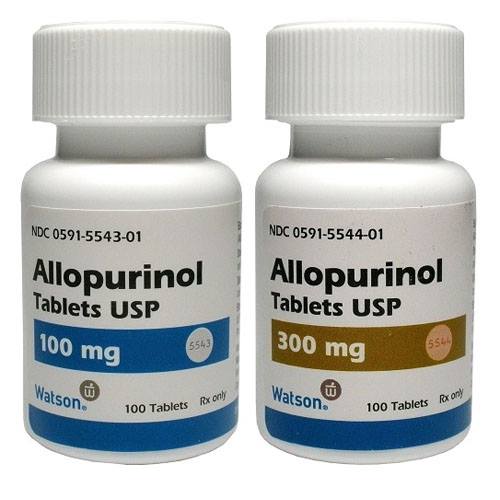
- Allopurinol: This is the most widely used XOI. It is generally well-tolerated and effective in lowering uric acid levels. Allopurinol is available in various strengths, allowing for personalized dosing. A rare but serious side effect is allopurinol hypersensitivity syndrome, which can manifest as a severe rash, fever, and organ involvement. Genetic testing for certain HLA-B alleles can help identify individuals at higher risk for this reaction, particularly in certain Asian populations.
- Febuxostat (Uloric): This is another potent XOI that also works by inhibiting xanthine oxidase. It can be an alternative for patients who cannot tolerate allopurinol or do not achieve adequate uric acid reduction with it. Febuxostat has been associated with a higher risk of cardiovascular events in some studies, particularly in patients with pre-existing cardiovascular disease, and its use requires careful consideration of individual risk factors.
Uricosurics: Enhancing Uric Acid Excretion
Uricosurics work by blocking the reabsorption of uric acid in the kidneys, thereby increasing its excretion in the urine. These medications are generally used when XOIs are not effective or tolerated, or in combination with XOIs in select cases.
- Probenecid: This is a classic uricosuric medication. It is most effective in individuals with good kidney function and who produce a normal amount of uric acid. It is important to drink plenty of fluids when taking probenecid to prevent kidney stones.
- Lesinurad (Zurampic): This is a newer uricosuric that works by inhibiting a specific transporter in the kidneys responsible for uric acid reabsorption. It is typically used in combination with an XOI for patients who have not reached their target uric acid levels.
Uricase Agents: Breaking Down Uric Acid
Uricase agents are a more potent class of drugs used for severe, refractory gout. They are enzymes that convert uric acid into allantoin, a substance that is much more soluble and readily excreted by the kidneys.
- Pegloticase (Krystexxa): This is an intravenous infusion of a recombinant uricase enzyme. It is reserved for patients with severe tophaceous gout who have not responded to other ULTs. Due to the risk of anaphylaxis (a severe allergic reaction), pegloticase is administered under strict medical supervision, and patients are pre-treated with antihistamines and corticosteroids. Its use can lead to a rapid and dramatic reduction in uric acid levels.
The Importance of a Comprehensive Approach: Beyond Medication
While medications play a central role in managing gout, it is crucial to emphasize that a holistic approach is essential for long-term success. Lifestyle modifications can significantly complement pharmacological treatments and contribute to overall well-being.
Lifestyle Modifications: The Unsung Heroes of Gout Management
Diet and lifestyle choices can have a profound impact on uric acid levels and the frequency of gout flares.
- Dietary Recommendations: Limiting purine-rich foods, such as red meat, organ meats, and certain seafood (sardines, anchovies), is often recommended. Reducing intake of alcohol, particularly beer, and sugary drinks (especially those sweetened with fructose) can also be beneficial. Conversely, incorporating low-fat dairy products, cherries, and plenty of water may help lower uric acid levels and reduce the risk of flares.
- Weight Management: For overweight or obese individuals, losing even a modest amount of weight can significantly lower uric acid levels and reduce the burden on joints. However, rapid weight loss through crash diets should be avoided, as it can temporarily increase uric acid levels and trigger a gout attack.
- Hydration: Adequate fluid intake, primarily water, is vital for promoting uric acid excretion through the kidneys and preventing the formation of uric acid stones.
- Exercise: Regular, moderate exercise can aid in weight management and improve overall joint health. However, it’s important to avoid strenuous exercise that can lead to dehydration or joint injury during an active gout flare.

The Role of Medical Professionals: Partnering for Success
The management of gout is a collaborative effort between the patient and their healthcare provider. Regular monitoring of uric acid levels, assessment of medication effectiveness and side effects, and adjustments to the treatment plan are crucial.
- Diagnosis and Monitoring: Accurate diagnosis is the first step, often involving clinical examination, blood tests for uric acid levels, and sometimes joint fluid analysis to identify urate crystals. Regular blood tests are essential to ensure ULTs are achieving target uric acid levels.
- Personalized Treatment Plans: Gout management is not a one-size-fits-all approach. The choice of medication, dosage, and duration of treatment will depend on the individual’s medical history, the severity and frequency of their attacks, the presence of co-existing conditions, and their response to therapy.
- Education and Support: Understanding gout, its triggers, and the rationale behind the prescribed treatments empowers patients to actively participate in their care. Access to reliable information and support groups can also be invaluable.
In conclusion, the medical treatment of gout has evolved significantly, offering a robust arsenal of pharmacological agents to address both the acute pain of flares and the chronic management of hyperuricemia. From the rapid relief provided by NSAIDs, colchicine, and corticosteroids to the long-term preventative power of uric acid-lowering therapies like XOIs, uricosurics, and uricase agents, individuals with gout have more options than ever before. However, the most effective management strategies integrate these medications with crucial lifestyle modifications and a strong partnership with healthcare professionals, ultimately aiming to alleviate suffering, prevent joint damage, and restore a better quality of life.
aViewFromTheCave is a participant in the Amazon Services LLC Associates Program, an affiliate advertising program designed to provide a means for sites to earn advertising fees by advertising and linking to Amazon.com. Amazon, the Amazon logo, AmazonSupply, and the AmazonSupply logo are trademarks of Amazon.com, Inc. or its affiliates. As an Amazon Associate we earn affiliate commissions from qualifying purchases.