
Hypertension, or high blood pressure, is a pervasive health condition affecting millions globally. Its management often necessitates long-term medication, a crucial aspect of maintaining cardiovascular health but one that also carries significant financial implications. Beyond understanding the pharmacological agents that lower blood pressure, a comprehensive approach requires navigating the economic realities of these treatments. This exploration delves into the financial considerations associated with hypertension medications, from understanding treatment costs to strategies for managing expenses and the economic impact of this widespread condition.
Understanding the Cost of Hypertension Medications
The cost of hypertension medication is not a monolithic figure; it varies widely based on several interconnected factors. From the type of drug prescribed to the manufacturer and pharmacy, each element contributes to the final price tag. For individuals, this variability can create uncertainty and, in some cases, a significant financial burden.

Prescription Drug Pricing: A Complex Ecosystem
The pricing of prescription drugs, including those for hypertension, is influenced by a complex interplay of market forces, research and development costs, regulatory approvals, patent protections, and insurance negotiations. Pharmaceutical companies invest heavily in discovering, testing, and bringing new medications to market. These costs are then factored into the pricing of their products. However, the absence of price controls in many markets, coupled with patent exclusivity periods, can lead to substantial price differences between originator brands and generic alternatives.
Generic vs. Brand-Name Medications: The Cost Differential
One of the most significant factors influencing the cost of hypertension medication is the choice between brand-name and generic versions. Brand-name drugs are the original formulations developed by pharmaceutical companies. Once their patents expire, other companies can produce generic versions. Generic medications are bioequivalent to their brand-name counterparts, meaning they contain the same active ingredients, dosage form, strength, and route of administration. Crucially, they are typically priced at a fraction of the cost of brand-name drugs.
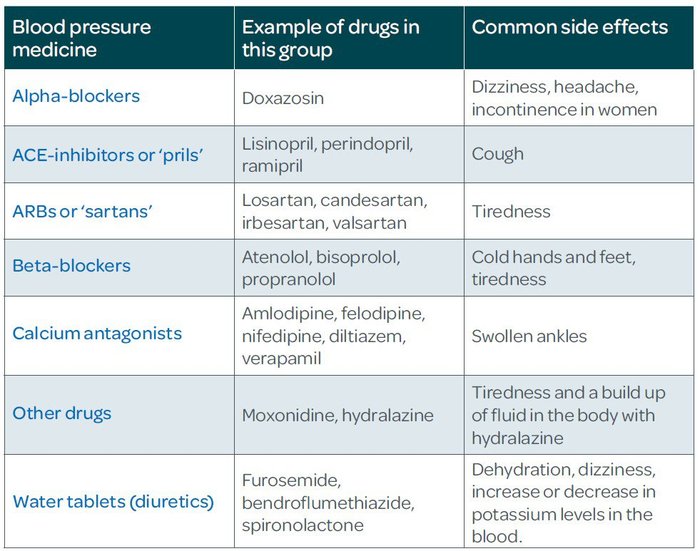
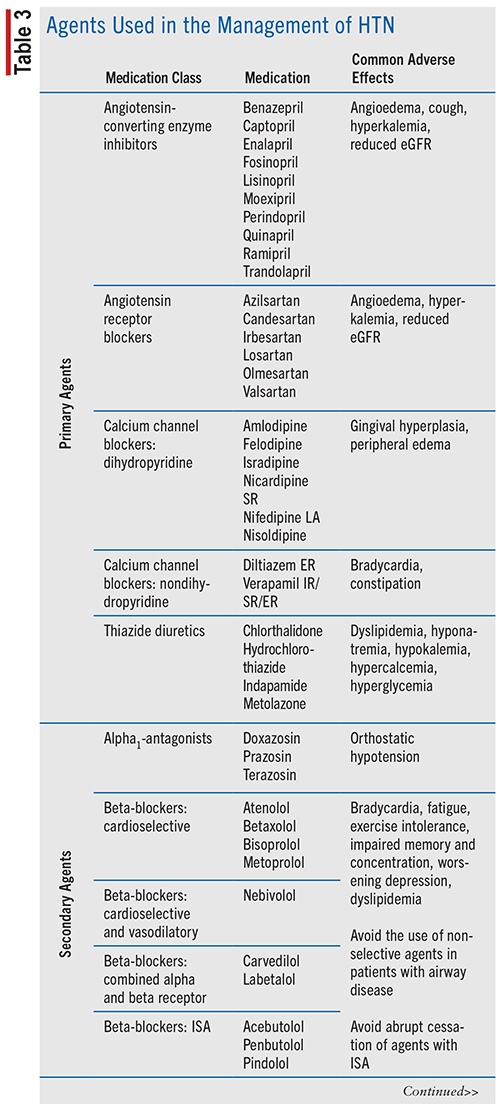
For instance, a widely prescribed class of hypertension medications, angiotensin-converting enzyme (ACE) inhibitors, has numerous generic options available that are significantly more affordable than their original brand formulations. The same applies to beta-blockers, calcium channel blockers, and diuretics. The cost savings associated with switching to generics can be substantial, often representing a difference of 50% to 80% or more. This makes generic substitution a cornerstone of cost-effective hypertension management for many patients and healthcare systems.
Insurance Coverage and Out-of-Pocket Expenses
The financial impact of hypertension medications on individuals is heavily mediated by their health insurance coverage. Most insurance plans offer some level of prescription drug coverage, but the specifics can vary dramatically. This includes:
- Deductibles: The amount an individual must pay out-of-pocket before their insurance begins to cover costs.
- Co-pays: A fixed amount paid by the insured for a prescription at the time of service.
- Co-insurance: A percentage of the drug cost the insured pays after meeting their deductible.
- Formularies: Lists of prescription drugs covered by a plan, often tiered with different co-pays or co-insurance rates for generic, preferred brand, and non-preferred brand drugs.
Navigating these insurance structures is critical to understanding one’s actual out-of-pocket expenses. Patients may find that their insurer covers generics fully or with a low co-pay, while brand-name medications might require a higher co-pay, co-insurance, or even be excluded from coverage unless a prior authorization is obtained. Understanding one’s formulary and the tier placement of prescribed hypertension medications is a vital step in financial planning.
Strategies for Managing Medication Costs
Given the chronic nature of hypertension and the necessity for ongoing medication, developing effective strategies for managing these costs is paramount for maintaining both health and financial stability. These strategies range from proactive discussions with healthcare providers to leveraging available discount programs.
The Role of Generic Substitution and Physician Consultation
As highlighted previously, opting for generic medications is the most straightforward and impactful way to reduce hypertension medication expenses. Patients should proactively discuss generic substitution with their physicians and pharmacists. Many physicians are aware of the cost implications and will readily prescribe generics. Pharmacists play a crucial role in educating patients about available generic options and can often substitute generics at the point of sale if allowed by the prescription and insurance plan.
It is essential to remember that while generics are bioequivalent, individual responses can sometimes vary slightly. However, for the vast majority of patients, generics are a safe and effective alternative. If a patient experiences any adverse effects or perceived differences in efficacy after switching to a generic, they should immediately consult their physician.
Utilizing Discount Programs and Patient Assistance
Beyond insurance and generics, a multitude of resources exist to help individuals manage medication costs.
- Pharmacy Discount Cards and Apps: Many pharmacies and third-party providers offer discount cards or apps that can provide significant savings on prescription medications, even for those with insurance. These often work by allowing users to compare prices across different pharmacies for the same medication.
- Manufacturer Coupons and Rebates: Pharmaceutical manufacturers sometimes offer coupons or rebates for their brand-name drugs. While these are less common for generics, they can be a temporary lifeline for those needing specific brand-name medications, especially if a generic is not yet available or is not suitable.
- Patient Assistance Programs (PAPs): Pharmaceutical companies often operate PAPs for their brand-name medications. These programs provide free or low-cost medication to eligible individuals who have low incomes, are uninsured or underinsured, and meet specific financial criteria. Information on these programs is usually available on the manufacturer’s website or through their customer service.
- Non-profit Organizations: Various non-profit organizations focus on providing resources and financial assistance for individuals managing chronic health conditions, including hypertension. These can offer guidance on navigating insurance, finding discount programs, and accessing financial aid.
- Government Programs: Depending on the country and individual circumstances, government programs like Medicare, Medicaid, or their equivalents may offer prescription drug benefits or subsidies that can significantly reduce the cost of medications.
Lifestyle Modifications: The Cost-Saving Alternative
While not a direct strategy for managing medication costs, it is crucial to acknowledge the profound financial benefit of lifestyle modifications in managing hypertension. Effective lifestyle changes can, in many cases, delay the need for medication, reduce the dosage required, or even eliminate the need for medication altogether. These changes include:
- Dietary adjustments: Adopting a low-sodium, heart-healthy diet (e.g., DASH diet) can significantly lower blood pressure.
- Regular exercise: Engaging in consistent physical activity strengthens the cardiovascular system.
- Weight management: Losing excess weight can have a substantial impact on blood pressure.
- Limiting alcohol consumption: Excessive alcohol intake can raise blood pressure.
- Quitting smoking: Smoking damages blood vessels and exacerbates hypertension.
The financial investment in healthier food choices, gym memberships, or personal trainers pales in comparison to the lifelong cost of medication. Moreover, these changes offer broader health benefits, reducing the risk of other costly health complications associated with uncontrolled hypertension, such as stroke, heart attack, kidney disease, and vision problems.
The Broader Economic Impact of Hypertension and its Treatment
Hypertension is not merely an individual health concern; it carries a substantial economic burden at both societal and global levels. The cost of managing this chronic condition extends far beyond the price of medications, encompassing healthcare utilization, lost productivity, and the economic consequences of its complications.
Healthcare System Costs
The direct costs associated with treating hypertension are staggering. This includes the expenditure on prescription medications, physician visits, diagnostic tests, and hospitalizations related to managing the condition and its sequelae. Uncontrolled hypertension is a leading risk factor for cardiovascular diseases, which are among the most expensive conditions to treat. Heart attacks, strokes, heart failure, and kidney failure all incur immense healthcare costs, placing a significant strain on national health budgets.
The widespread use of hypertension medications contributes to this cost. While generics make individual treatments more affordable, the sheer volume of patients requiring these medications means that overall drug expenditure for hypertension remains a substantial component of healthcare spending. Optimizing treatment protocols, promoting adherence, and focusing on preventative measures are therefore not only medically beneficial but also economically prudent for healthcare systems.
Lost Productivity and Economic Output
Hypertension and its complications have a profound impact on workforce productivity. Individuals suffering from poorly controlled high blood pressure may experience reduced work capacity, increased absenteeism, and premature retirement. Furthermore, debilitating events such as strokes can lead to long-term disability, removing individuals from the workforce entirely and placing a burden on social support systems.
The economic output lost due to hypertension-related illnesses and disabilities is immense. Industries and economies suffer when a significant portion of their working population is hampered by chronic health conditions. Investing in public health initiatives, promoting healthy lifestyles, and ensuring access to affordable and effective hypertension management are therefore critical for maintaining a robust and productive economy.
Pharmaceutical Industry Economics and Innovation
The pharmaceutical industry, which develops and supplies hypertension medications, is a major economic sector. The profitability of this industry is driven by innovation, research and development, and the successful marketing of their products. The economic incentives within this sector play a role in the availability and pricing of medications.
While the pursuit of profit is inherent to the industry, it is also the engine for developing new and improved treatments. The ongoing research into novel drug classes, more effective formulations, and personalized medicine approaches aims to improve patient outcomes and potentially reduce long-term healthcare costs by preventing complications. However, the balance between incentivizing innovation and ensuring affordability and accessibility of these life-saving medications remains a critical economic and policy challenge. Ensuring that essential hypertension medications remain accessible to all who need them, regardless of their financial status, is a cornerstone of equitable healthcare and a vital component of managing the economic burden of this disease.
In conclusion, understanding what medication is used for hypertension necessitates a parallel understanding of the financial landscape. By addressing the costs, employing smart management strategies, and recognizing the broader economic implications, individuals and societies can better navigate the challenges of managing high blood pressure, ensuring both long-term health and financial well-being.
aViewFromTheCave is a participant in the Amazon Services LLC Associates Program, an affiliate advertising program designed to provide a means for sites to earn advertising fees by advertising and linking to Amazon.com. Amazon, the Amazon logo, AmazonSupply, and the AmazonSupply logo are trademarks of Amazon.com, Inc. or its affiliates. As an Amazon Associate we earn affiliate commissions from qualifying purchases.