
High blood pressure, or hypertension, is a pervasive health concern affecting millions worldwide. While managing this chronic condition is paramount for overall well-being, the financial implications of the medications prescribed can be a significant consideration for individuals and families. Understanding the landscape of high blood pressure medications from a financial standpoint – including costs, insurance coverage, generic versus brand-name options, and strategies for cost savings – is crucial for making informed decisions that balance health needs with budgetary realities. This exploration delves into the financial dimensions of hypertension medication, empowering individuals to navigate this complex terrain effectively.
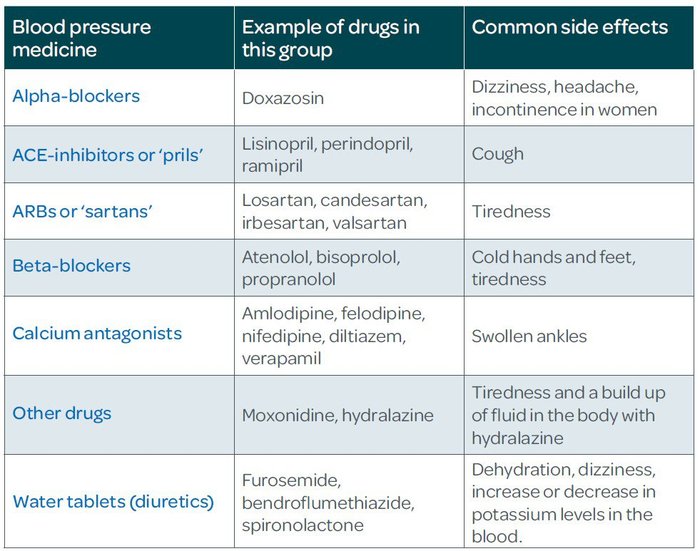
Understanding the Cost Landscape of Hypertension Medications
The financial journey of managing high blood pressure begins with a fundamental understanding of the cost drivers associated with prescription medications. Numerous factors contribute to the price tag of these essential drugs, impacting affordability and accessibility.
The Spectrum of Drug Pricing: Brand-Name vs. Generic Medications
A primary determinant of medication cost is the distinction between brand-name and generic drugs. Brand-name medications, developed and marketed by the originating pharmaceutical company, typically carry a higher price tag. This premium reflects the substantial investment in research, development, clinical trials, and marketing required to bring a new drug to market. The patent protection afforded to these drugs during their initial years allows companies to recoup these costs and generate profits.
Once a patent expires, other pharmaceutical manufacturers can produce and market generic versions of the same drug. Generic medications contain the same active pharmaceutical ingredient, dosage form, strength, and route of administration as their brand-name counterparts. Crucially, they are proven to be bioequivalent, meaning they work in the body in the same way and offer the same therapeutic benefits and safety profile. The production of generic drugs is generally less expensive due to reduced research and development costs, leading to significantly lower prices for consumers. This price difference can be substantial, often ranging from 30% to 80% savings compared to brand-name drugs. For individuals managing a chronic condition like high blood pressure, where long-term medication is often necessary, opting for generics can lead to considerable savings over time.
Factors Influencing Drug Costs
Beyond the brand-name versus generic dichotomy, several other factors influence the cost of high blood pressure medications:
- Drug Class and Complexity: Different classes of antihypertensive drugs (e.g., diuretics, beta-blockers, ACE inhibitors, ARBs, calcium channel blockers) may have varying manufacturing complexities and research investments, leading to price differentials even within the generic market. Newer, more specialized medications, even when generic, might still carry a higher cost than older, widely produced generics.
- Manufacturer and Competition: The number of generic manufacturers producing a particular drug can also impact its price. Higher competition generally leads to lower prices as manufacturers vie for market share. Conversely, a lack of competition or a limited number of manufacturers for a specific generic can result in higher costs.
- Dosage and Quantity: The prescribed dosage and the quantity of medication dispensed will directly influence the overall cost. Higher doses or larger quantities will naturally result in a greater expenditure.
- Formulation: While less common for basic antihypertensives, some medications come in specialized formulations (e.g., extended-release) that may be more expensive than standard immediate-release versions.
- Geographic Location and Pharmacy: Prices can vary slightly between different pharmacies due to their pricing strategies and agreements with wholesalers. Additionally, regional differences in healthcare systems and drug pricing regulations can contribute to cost variations.
Navigating Insurance and Financial Assistance Programs
The financial burden of high blood pressure medication can be significantly mitigated through effective navigation of insurance coverage and available financial assistance programs. Understanding your insurance plan and exploring all avenues for support is a critical step in managing this aspect of your health.
Decoding Your Health Insurance Coverage
Health insurance plays a pivotal role in making prescription medications affordable. Most insurance plans include prescription drug coverage, but the specifics can vary widely. Key aspects to understand about your plan include:
- Formulary Lists: Insurance companies maintain a list of covered drugs, known as a formulary. Drugs are typically categorized into tiers, with each tier having a different co-payment or co-insurance rate. Tier 1 drugs are usually generics, with the lowest out-of-pocket costs. Tier 2 might include preferred brand-name drugs, and Tier 3 typically covers non-preferred brand-name drugs and specialty medications with higher costs. It’s crucial to know which tier your prescribed high blood pressure medication falls into.
- Co-payments and Co-insurance: Co-payments are fixed amounts you pay for a prescription (e.g., $10 for a generic, $40 for a brand-name). Co-insurance is a percentage of the drug’s cost you pay after meeting your deductible (e.g., 20% of the drug cost).
- Deductibles and Out-of-Pocket Maximums: Your deductible is the amount you must pay for healthcare services and prescriptions before your insurance begins to cover a larger portion. The out-of-pocket maximum is the most you’ll have to pay for covered healthcare and prescriptions in a plan year. Understanding these limits can help you budget for medication expenses.
- Mail-Order Pharmacies: Many insurance plans offer mail-order pharmacy services, which can often provide medications at a lower cost than retail pharmacies, especially for maintenance medications like those for high blood pressure.

Exploring Pharmaceutical Assistance Programs and Discounts
For individuals facing significant out-of-pocket costs, even with insurance, numerous assistance programs and discount options are available:
- Manufacturer Patient Assistance Programs (PAPs): Many pharmaceutical manufacturers offer PAPs for their brand-name drugs. These programs provide free or low-cost medications to eligible individuals who lack adequate insurance or have high out-of-pocket expenses. Eligibility criteria often include income levels and insurance status. It’s essential to visit the manufacturer’s website or contact their customer service to inquire about available PAPs.
- Non-Profit Organizations and Foundations: Various non-profit organizations and disease-specific foundations offer financial assistance for medications. These organizations may provide grants, co-pay assistance cards, or direct financial aid to help cover prescription costs. Researching organizations relevant to cardiovascular health or general medical assistance can be beneficial.
- Discount Cards and Savings Programs: Several companies offer discount cards and savings programs that can reduce the cost of both brand-name and generic medications. While not insurance, these programs can provide significant savings at the pharmacy counter. Popular examples include GoodRx, SingleCare, and others. It’s advisable to compare prices across these platforms and your local pharmacies to find the best deal.
- State and Federal Programs: Depending on your income and circumstances, you may be eligible for state or federal programs like Medicaid or Medicare’s Extra Help program, which can significantly lower prescription drug costs for eligible individuals.
Strategic Approaches to Managing Medication Costs
Beyond understanding insurance and assistance programs, proactive strategies can significantly reduce the ongoing financial burden of high blood pressure medication. These approaches empower individuals to take control of their healthcare spending.
The Power of Generic Substitution and Physician Consultation
The most impactful strategy for cost savings is often the simple act of opting for generic medications whenever possible. As discussed earlier, generics offer the same therapeutic benefits at a fraction of the cost.
- Discussing Generics with Your Doctor: It is imperative to have an open conversation with your physician about the availability of generic alternatives for your prescribed medication. Many doctors will automatically prescribe generics if available, but it’s always wise to confirm. Your doctor can explain why a particular generic is suitable for you and address any concerns you might have about its efficacy or safety.
- Pharmacist’s Role in Substitution: Pharmacists are also a valuable resource. They can inform you about available generic options and may be able to substitute a generic for a brand-name prescription (depending on state laws and physician authorization). Always check with your pharmacist about generic availability and any potential cost savings.
Bulk Purchasing and Long-Term Prescriptions
For individuals on long-term medications for high blood pressure, exploring options for purchasing larger quantities can lead to cost efficiencies:
- 30-Day vs. 90-Day Supplies: Many pharmacies offer a discount when you purchase a 90-day supply of medication compared to purchasing a 30-day supply. This can reduce the number of co-pays or co-insurance payments you make over the year. Discuss this option with your doctor and insurance provider to see if it’s feasible and cost-effective for your situation.
- Mail-Order Pharmacies: As mentioned earlier, mail-order pharmacies often provide cost savings for 90-day supplies, and the convenience of having medications delivered directly to your door can also be a valuable benefit.
Lifestyle Modifications as a Financial Strategy
While not directly related to medication costs, it’s crucial to acknowledge the profound financial implications of lifestyle modifications in managing high blood pressure. Investing in healthy habits can, in the long run, reduce the need for or dosage of medication, leading to significant financial savings.
- Dietary Changes: Adopting a heart-healthy diet, such as the DASH (Dietary Approaches to Stop Hypertension) diet, can lower blood pressure and potentially reduce reliance on medication. This involves increasing intake of fruits, vegetables, whole grains, and lean proteins while limiting sodium, saturated fats, and added sugars. The initial investment in healthier food choices can yield long-term health and financial benefits.
- Regular Exercise: Consistent physical activity is a cornerstone of blood pressure management. Engaging in regular aerobic exercise can improve cardiovascular health and lower blood pressure, potentially leading to a decreased need for medication. The “cost” of exercise often involves time and perhaps gym memberships, but the return on investment in terms of health and reduced medical expenses is substantial.
- Stress Management and Other Factors: Managing stress, limiting alcohol intake, and quitting smoking are also critical for blood pressure control. While these may not have direct out-of-pocket costs associated with medication, they can indirectly impact healthcare expenses by improving overall health and reducing the risk of complications.
In conclusion, managing the financial aspects of high blood pressure medication is a multi-faceted endeavor. By understanding the cost landscape, strategically navigating insurance and assistance programs, and adopting proactive cost-saving measures, individuals can ensure they receive the necessary treatment without undue financial strain. Furthermore, recognizing the long-term financial benefits of a healthy lifestyle underscores a holistic approach to managing hypertension, where financial well-being and physical health are intrinsically linked.
aViewFromTheCave is a participant in the Amazon Services LLC Associates Program, an affiliate advertising program designed to provide a means for sites to earn advertising fees by advertising and linking to Amazon.com. Amazon, the Amazon logo, AmazonSupply, and the AmazonSupply logo are trademarks of Amazon.com, Inc. or its affiliates. As an Amazon Associate we earn affiliate commissions from qualifying purchases.