
Gout, a painful form of inflammatory arthritis, is characterized by the sudden and severe onset of pain, swelling, redness, and tenderness in one or more joints, most commonly the big toe. While the discomfort can be debilitating, a significant aspect of managing this condition that often goes unaddressed is the financial burden associated with its treatment. Understanding the medications used for gout is not just about clinical efficacy; it’s also about navigating a complex financial landscape that impacts accessibility, affordability, and long-term financial well-being. This article delves into the medications prescribed for gout, but with a distinct focus on the financial considerations that accompany each treatment option, exploring how cost, insurance coverage, and economic factors influence patient outcomes.
The Economic Pillars of Gout Management: Acute and Long-Term Treatment Costs
Managing gout involves two primary treatment phases: addressing acute flares and implementing long-term strategies to prevent future attacks and reduce uric acid levels. Each phase presents distinct financial considerations, often requiring individuals to balance immediate needs with sustained investment in their health.
Acute Gout Attack Medications: The Immediate Financial Impact
When a gout flare strikes, the immediate priority is pain relief and reducing inflammation. This typically involves a range of medications, each with its own price point and insurance coverage nuances.
Nonsteroidal Anti-Inflammatory Drugs (NSAIDs)
Over-the-counter NSAIDs like ibuprofen (Advil, Motrin) and naproxen (Aleve) are often the first line of defense for mild to moderate flares. From a financial perspective, these are generally the most accessible and affordable options. A bottle of generic ibuprofen or naproxen can cost anywhere from a few dollars to around $20, depending on the quantity and brand. While cost-effective for occasional use, individuals experiencing frequent or severe flares might find themselves purchasing these medications regularly, leading to a cumulative expense.
Prescription-strength NSAIDs, such as indomethacin or meloxicam, are also effective but come at a higher cost. While insurance often covers a portion of these, co-pays can range from $10 to $50 or more, depending on the plan. For individuals without comprehensive prescription coverage, the out-of-pocket expense for a course of prescription NSAIDs for a severe flare can be substantial, potentially several hundred dollars. This highlights the disparity in accessibility based on insurance status and the need for proactive financial planning for those with limited coverage.
Colchicine: A Targeted Approach with Variable Costs
Colchicine is a medication specifically indicated for gout, particularly effective in treating acute flares when administered early. Its cost can vary significantly. Generic colchicine is generally more affordable, with prices ranging from $20 to $100 for a typical prescription, depending on the dosage and pharmacy. However, brand-name formulations can be considerably more expensive, potentially costing several hundred dollars per prescription, especially if not covered by insurance.
The financial impact of colchicine also extends to its potential for side effects, which can necessitate additional medical consultations or treatments, further adding to the overall cost of managing a gout flare. Patients need to carefully consider their insurance formulary and explore options for generic alternatives to mitigate the financial strain associated with this crucial medication.
Corticosteroids: Potent Relief with Inpatient and Outpatient Financial Implications
For severe flares unresponsive to NSAIDs or colchicine, corticosteroids (like prednisone) are often prescribed. Oral corticosteroids are generally less expensive than some other gout medications, with generic prednisone costing as little as $5-$20 for a short course. However, the cost can escalate if a patient requires injections or, in rare severe cases, intravenous administration, which might involve hospital or clinic visits and associated fees.
The financial burden isn’t solely on the medication itself. Corticosteroids can have significant side effects, including increased blood sugar, mood changes, and bone thinning. Managing these side effects may require additional doctor visits, blood tests, and potentially other medications, creating a ripple effect of costs that can impact an individual’s long-term financial health. This underscores the importance of a holistic view of treatment costs, extending beyond the prescription price.
Long-Term Gout Management: Investing in Urate-Lowering Therapy (ULT)
The cornerstone of preventing recurrent gout flares and long-term joint damage is Urate-Lowering Therapy (ULT). These medications aim to reduce the body’s production of uric acid or increase its excretion. Investing in ULT is a long-term financial commitment that can yield significant savings by preventing costly gout attacks and associated complications.
Xanthine Oxidase Inhibitors (XOIs): The Standard of Care
Allopurinol and febuxostat are the most commonly prescribed XOIs.
Allopurinol: The Economical Workhorse
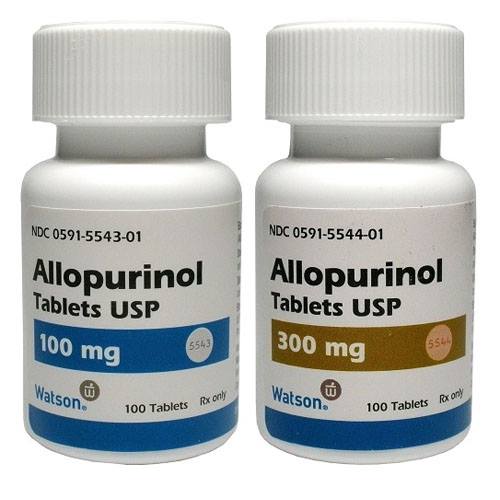
Allopurinol is widely considered the most cost-effective first-line treatment for chronic gout management. Generic allopurinol is remarkably affordable, often costing less than $10-$20 per month, or even less with insurance co-pays. This makes it highly accessible for a broad range of individuals. Its long history of use and established safety profile also contribute to lower overall healthcare costs, as it reduces the need for acute treatment and specialist consultations. The financial ease of access to allopurinol is a critical factor in its widespread adoption and effectiveness in controlling chronic gout for millions.
Febuxostat: A Higher Cost Alternative
Febuxostat is another effective XOI, often used for patients who cannot tolerate allopurinol or whose uric acid levels remain high on allopurinol. Febuxostat is typically more expensive than generic allopurinol. While a generic version is available, it can still range from $30 to $100 or more per month, depending on insurance coverage and pharmacy pricing. Brand-name versions can be significantly higher. For individuals managing chronic gout, the monthly cost of febuxostat can represent a noticeable expenditure, highlighting the financial trade-offs between different treatment options. Patients often weigh the potential benefits of febuxostat against its higher price tag, especially if they have robust insurance that covers a significant portion.
Uricosuric Agents: A Supplementary Financial Consideration
Probenecid and lesinurad are examples of uricosuric agents, which help the kidneys excrete uric acid. These are often used in combination with XOIs or for specific patient populations.
Probenecid: An Older, Generally Affordable Option
Probenecid, an older medication, is generally more affordable than newer uricosuric agents. Generic probenecid can cost anywhere from $10 to $50 per month. Its accessibility makes it a viable option for long-term management, especially for individuals who need an additional mechanism to lower uric acid levels and are cost-conscious.
Lesinurad: A More Recent, Potentially Costlier Choice
Lesinurad is a newer uricosuric agent that is often used in combination therapy. Its cost is typically higher than probenecid, potentially ranging from $50 to $200 or more per month without insurance. The cost-effectiveness of lesinurad is often evaluated against its added benefit in achieving target uric acid levels and preventing flares, particularly in patients who have not responded adequately to other therapies. For many, the decision to use lesinurad involves a careful consideration of its financial implications and its necessity in achieving optimal gout control.
Injectable Medications: The High-Cost, High-Impact Category

For severe, refractory gout, or in cases where oral medications are not tolerated, injectable medications like pegloticase (Krystexxa) are available. These are designed for individuals with chronic, severe gout and are often reserved for those who have failed multiple other treatments.
Pegloticase: A Significant Financial Investment
Pegloticase is a highly effective but very expensive medication. The cost of treatment can run into tens of thousands of dollars per year, making it a substantial financial undertaking. Insurance coverage is crucial for patients to access this therapy. Even with insurance, co-pays and deductibles can be significant. The decision to pursue pegloticase is typically made in close consultation with healthcare providers and financial advisors, considering the potential for significant relief against the considerable financial outlay. This class of medication starkly illustrates the disparity in treatment access based on financial resources and the critical role of insurance in enabling advanced therapies.
Navigating the Financial Minefield: Insurance, Generic Options, and Cost-Saving Strategies
The financial burden of gout medication can be substantial, but a proactive approach to navigating the healthcare and pharmaceutical landscape can lead to significant cost savings. Understanding insurance policies, prioritizing generic alternatives, and exploring various financial assistance programs are crucial steps in making gout treatment affordable and sustainable.
The Crucial Role of Insurance: Bridging the Affordability Gap
Health insurance plays a paramount role in determining the financial accessibility of gout medications. The type of plan, its formulary (list of covered drugs), co-pays, deductibles, and out-of-pocket maximums all significantly influence how much a patient will pay for their treatment.
Understanding Your Insurance Plan: A Foundation for Financial Planning
Patients should familiarize themselves with their insurance plan’s specifics regarding prescription drug coverage. This includes:
- Formulary Tiers: Medications are often categorized into tiers, with lower tiers (generics) having lower co-pays than higher tiers (brand-name or specialty drugs). Understanding where gout medications fall on this tier system is vital.
- Prior Authorization: Some medications, especially newer or more expensive ones, require prior authorization from the insurance company before they are covered. This process can involve extra steps and potential delays.
- Step Therapy: Some insurance plans implement step therapy, requiring patients to try a less expensive medication first before approving a more costly one for the same condition. This can influence the initial treatment trajectory and its associated costs.
- Deductibles and Co-pays: Knowing your deductible (the amount you pay before insurance starts covering costs) and co-pays (a fixed amount you pay for each prescription) is essential for budgeting.
Navigating Co-pays and Deductibles: Strategies for Mitigation
For individuals with high deductibles or co-pays, exploring strategies to reduce out-of-pocket expenses is crucial. This can include:
- Utilizing Mail-Order Pharmacies: These often offer lower prices, especially for maintenance medications.
- Shopping Around: Prices for the same medication can vary significantly between different pharmacies.
- Asking About Generic Alternatives: Always inquire if a generic version of a prescribed medication is available, as it can offer substantial savings.
The Power of Generics: Unlocking Significant Savings
Generic medications are bioequivalent to their brand-name counterparts, meaning they have the same active ingredients, dosage, and intended use. However, they are typically sold at a fraction of the cost. For gout medications like allopurinol, ibuprofen, and naproxen, generic options are widely available and offer considerable financial relief.
When a prescription is written, patients should proactively ask their doctor and pharmacist if a generic option is available. In many regions, pharmacists are legally permitted to substitute generic drugs for brand-name drugs unless specifically instructed otherwise by the prescriber. Embracing generic medications is arguably the single most effective strategy for reducing the ongoing financial burden of gout treatment.
Financial Assistance Programs and Discounts: A Lifeline for Affordability
For individuals who struggle to afford their gout medications, even with insurance, various financial assistance programs and discount options can provide a crucial lifeline.
Manufacturer Discount Programs and Coupons
Many pharmaceutical manufacturers offer discount cards, coupons, and patient assistance programs for their medications, particularly for newer or more expensive drugs. These programs can significantly reduce out-of-pocket costs. Websites like NeedyMeds, RxAssist, and the Partnership for Prescription Assistance can help identify available programs.
Pharmacy Discount Cards and Loyalty Programs
Beyond manufacturer programs, various pharmacy chains offer their own discount cards or loyalty programs that can provide savings on prescription medications. These programs are often free to join and can offer significant discounts, especially on generic drugs.
Government and Non-Profit Assistance
Government programs like Medicare and Medicaid offer prescription drug coverage for eligible individuals, significantly reducing costs. Additionally, non-profit organizations and disease-specific foundations may offer financial aid or resources to help patients manage the costs of their treatment.
The Long-Term Economic Advantage: Preventing Flares and Complications
While the immediate costs of gout medications can be a concern, it is imperative to view these treatments as long-term investments in financial health. Untreated or poorly managed gout can lead to a cascade of economic consequences far exceeding the cost of medication.
Avoiding Costly Acute Flares: The Economic Rationale for ULT
Each gout flare can result in lost workdays, medical expenses for emergency room visits or urgent care, and the purchase of expensive acute medications. Over time, these recurring costs can accumulate and become a significant financial drain. By investing in Urate-Lowering Therapy (ULT) to prevent flares, individuals can avoid these immediate financial shocks and maintain their productivity and earning potential. The cost of consistent ULT is often a fraction of the cumulative cost of frequent acute gout attacks.

Preventing Chronic Complications: A Financial Shield Against Future Healthcare Burdens
Chronic, uncontrolled gout can lead to severe joint damage, kidney stones, and even cardiovascular issues. These complications often require extensive medical interventions, including surgeries, long-term physical therapy, and management of co-existing chronic conditions. These treatments are not only emotionally and physically taxing but also financially devastating.
- Joint Replacement Surgery: This can cost tens of thousands of dollars, with significant post-operative care expenses.
- Kidney Stone Treatment: Procedures to remove kidney stones can be costly, often involving hospital stays and specialized medical care.
- Management of Cardiovascular Disease: Gout is increasingly linked to an elevated risk of heart disease and stroke, requiring ongoing management and treatment that can span a lifetime.
By adhering to prescribed gout medications and managing uric acid levels effectively, individuals can significantly reduce their risk of developing these costly complications. This proactive approach to health translates directly into long-term financial security and avoids the substantial economic burdens associated with managing advanced gout-related diseases. In essence, consistent and affordable gout medication is not just a health imperative but a sound financial strategy for safeguarding one’s future well-being.
aViewFromTheCave is a participant in the Amazon Services LLC Associates Program, an affiliate advertising program designed to provide a means for sites to earn advertising fees by advertising and linking to Amazon.com. Amazon, the Amazon logo, AmazonSupply, and the AmazonSupply logo are trademarks of Amazon.com, Inc. or its affiliates. As an Amazon Associate we earn affiliate commissions from qualifying purchases.