
In the evolving landscape of public health, the concept of proactive prevention has gained significant traction, offering individuals new avenues to safeguard their well-being. Among these advancements, Pre-Exposure Prophylaxis, commonly known as PrEP, stands out as a groundbreaking biomedical intervention. Far from being a treatment for an existing condition, PrEP is a strategic tool designed to prevent the acquisition of the Human Immunodeficiency Virus (HIV). This article delves into the multifaceted nature of PrEP, exploring its identity as a medication, its efficacy, its role within a broader prevention strategy, and the essential considerations for its implementation. Understanding PrEP is crucial for individuals, healthcare providers, and public health advocates alike, shaping our approach to HIV prevention and ultimately contributing to a future where HIV is no longer a public health threat.

The Identity and Mechanism of PrEP Medication
At its core, PrEP is a pharmaceutical strategy that utilizes specific antiretroviral medications to block the pathways HIV uses to infect the body. It’s vital to demystify what exactly constitutes this medication and how it operates on a biological level.
What Exactly is PrEP?
PrEP is not a single medication but rather a combination of antiretroviral drugs taken by individuals who are HIV-negative but at substantial risk of contracting HIV. The most commonly prescribed and FDA-approved regimen for PrEP in the United States is a single pill containing two antiretroviral drugs: tenofovir disoproxil fumarate (TDF) and emtricitabine. This combination is widely recognized by its brand name, Truvada. In recent years, a newer formulation, a single pill containing tenofovir alafenamide (TAF) and emtricitabine, branded as Descovvy, has also been approved for specific indications related to PrEP. While Descovvy is a PrEP medication, its approval for PrEP use is currently limited to individuals who are assigned male at birth and cisgender women. For anal sex, Truvada is the primary FDA-approved option.
Beyond these oral medications, a long-acting injectable form of PrEP, cabotegravir (marketed as Apretude), has also received FDA approval. This injectable PrEP is administered every two months and represents a significant advancement for individuals who may struggle with daily pill adherence or prefer an alternative dosing schedule.
How Does PrEP Work to Prevent HIV?
The efficacy of PrEP lies in its ability to inhibit the replication of HIV before it can establish a permanent infection in the body. When an HIV-negative individual is exposed to the virus, for instance, through unprotected sex or sharing needles, the virus attempts to enter and infect specific immune cells, primarily CD4 cells, which are crucial for immune function.
The antiretroviral drugs in PrEP work by targeting different stages of the HIV life cycle. Tenofovir and emtricitabine are nucleoside reverse transcriptase inhibitors (NRTIs). Once ingested or injected, these drugs enter the body and are converted into their active forms. These active forms act as faulty building blocks that prevent the HIV enzyme, reverse transcriptase, from accurately copying the virus’s genetic material (RNA into DNA). This disruption is critical because reverse transcriptase is essential for HIV to integrate its genetic code into the host cell’s DNA and begin its reproductive cycle.
By consistently maintaining adequate levels of these medications in the bloodstream, PrEP effectively creates a protective barrier. If an individual is exposed to HIV, the medications can neutralize the virus before it can infect and replicate within the host cells. It’s important to emphasize that PrEP is not a vaccine; it doesn’t train the immune system to fight HIV. Instead, it acts as a direct pharmacological block against the virus’s establishment.
The Brand Promise and Evolving Landscape of PrEP
The development and widespread availability of PrEP represent a significant stride in HIV prevention, often characterized by its transformative potential. The “brand” of PrEP encompasses not just the pharmaceutical products themselves, but also the public health narrative, accessibility initiatives, and ongoing research that shapes its perception and utility.
The Evolution of PrEP Medications and Brand Recognition
The initial approval of Truvada for PrEP in 2012 marked a paradigm shift. It was the first oral medication specifically indicated for HIV prevention, offering a tangible tool for individuals to take control of their sexual health. The brand name Truvada quickly became synonymous with PrEP, reflecting its early and widespread adoption.
The subsequent approval of Descovvy for specific populations and the development of Apretude (injectable cabotegravir) highlight the ongoing innovation in this space. Each of these medications, while serving the same overarching goal, brings with it its own brand identity, marketing strategies, and patient engagement approaches. The pharmaceutical companies behind these brands invest in educating healthcare providers and the public about the benefits and proper use of their respective products. This brand recognition is crucial for ensuring that individuals understand the options available to them and can make informed decisions based on their specific needs and circumstances.
Marketing and Public Health Narratives
The marketing of PrEP has evolved significantly since its inception. Initially, the focus was on educating healthcare providers and raising awareness within key at-risk communities. Over time, public health campaigns have broadened, aiming to destigmatize HIV prevention and normalize the use of PrEP. The narrative has shifted from focusing solely on specific risk groups to positioning PrEP as a versatile prevention tool for anyone who is HIV-negative and concerned about their risk.
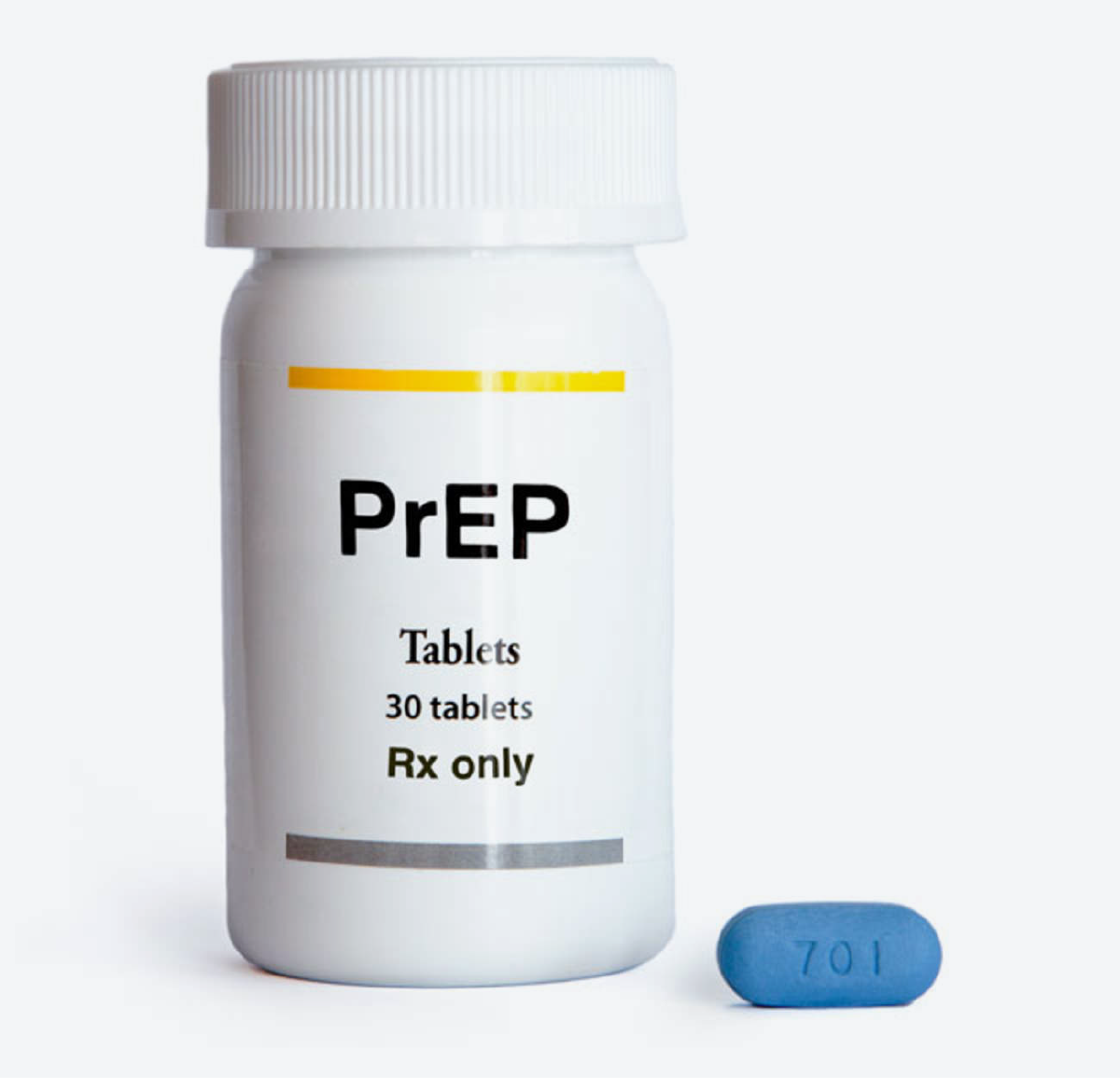
This evolving brand narrative is supported by a range of marketing efforts, including public service announcements, social media campaigns, partnerships with community organizations, and educational materials distributed through healthcare settings. The goal is to make PrEP accessible, understandable, and desirable as a proactive health choice. This involves not only highlighting the scientific efficacy of the medication but also addressing potential barriers to access, such as cost, stigma, and the need for ongoing medical care. The success of PrEP as a public health intervention is intrinsically linked to its effective communication and integration into broader sexual health discourses.
Navigating the PrEP Journey: From Prescription to Practice
Understanding what medication is PrEP is only the first step. Its successful implementation involves a comprehensive approach that includes proper prescribing, consistent adherence, and ongoing monitoring, all of which are integral to the overall brand experience and patient outcomes.
The Importance of Medical Consultation and Prescription
PrEP is a prescription-only medication. This means that individuals cannot simply obtain it over-the-counter or without a medical professional’s evaluation. The decision to start PrEP should always be made in consultation with a healthcare provider, such as a doctor, nurse practitioner, or physician assistant. During this consultation, the healthcare provider will assess an individual’s risk factors for HIV acquisition. This assessment typically involves discussing sexual history, drug use, and any existing health conditions.
The provider will also conduct an HIV test to ensure that the individual is indeed HIV-negative before initiating PrEP. Furthermore, screening for other sexually transmitted infections (STIs) is a standard part of the PrEP initiation process, as STIs can increase the risk of HIV transmission. Based on this comprehensive evaluation, the healthcare provider will determine if PrEP is an appropriate prevention strategy and will prescribe the most suitable medication regimen. The brand promise of PrEP is inextricably linked to this medically supervised pathway, ensuring its safe and effective use.
Adherence and Monitoring: Pillars of Efficacy
The effectiveness of PrEP hinges on consistent and correct usage. For oral PrEP, this typically means taking the pill daily, as prescribed by a healthcare provider. Studies have shown that daily oral PrEP is highly effective when taken consistently. For instance, research has demonstrated that daily use can reduce the risk of HIV infection from sex by over 90%.
However, adherence can be a challenge for some individuals. Factors such as forgetfulness, side effects, or concerns about stigma can impact consistent medication taking. This is where the ongoing brand engagement from healthcare providers and support systems becomes vital. Regular follow-up appointments are essential for monitoring adherence, addressing any side effects, and retesting for HIV and other STIs every three months. These visits are not just about prescription refills; they are opportunities to reinforce the benefits of PrEP, offer support, and ensure that the medication continues to be an effective part of the individual’s prevention strategy.
For injectable PrEP, adherence is managed through scheduled appointments for injections every two months. While this can simplify daily management for some, consistent attendance at these appointments is crucial for maintaining protection. The ongoing monitoring and support provided by healthcare professionals are integral to the overall success and trustworthiness of the PrEP brand, ensuring that individuals receive the maximum benefit from this powerful prevention tool.
Beyond the Pill: PrEP as a Comprehensive HIV Prevention Strategy
While the medication itself is central, the true strength of PrEP lies in its integration into a broader spectrum of HIV prevention methods. Understanding PrEP as a component of a comprehensive strategy elevates its impact and reinforces its place within the public health brand of HIV prevention.
The Synergy with Other Prevention Tools
PrEP is most effective when used in conjunction with other proven HIV prevention strategies. These include:
- Condom Use: Consistent and correct condom use remains a highly effective method for preventing both HIV and other sexually transmitted infections. PrEP does not offer protection against other STIs, making condom use a crucial complementary strategy.
- Harm Reduction Practices: For individuals who inject drugs, sterile needle and syringe programs are critical for preventing HIV transmission through shared injection equipment.
- Treatment as Prevention (TasP): For individuals living with HIV, adhering to antiretroviral therapy (ART) can reduce their viral load to undetectable levels, meaning they cannot transmit HIV to their sexual partners. This concept, known as TasP or U=U (Undetectable = Untransmittable), is a cornerstone of modern HIV prevention.
When PrEP is combined with these methods, individuals gain a robust, multi-layered approach to safeguarding their health. The “brand” of PrEP is therefore enhanced by its role as a synergistic element within a larger ecosystem of prevention.

Addressing Stigma and Promoting Equitable Access
A significant aspect of the PrEP brand is its ongoing struggle against stigma. Historically, discussions around HIV prevention have been heavily influenced by societal biases. The effective dissemination of PrEP requires dismantling these stigmas and ensuring that it is viewed as a legitimate and empowering health choice for all individuals who can benefit from it, regardless of their background or perceived risk.
Promoting equitable access to PrEP is also paramount. This involves addressing financial barriers, such as medication costs and healthcare expenses, through insurance coverage, patient assistance programs, and advocacy for affordable pricing. Furthermore, ensuring culturally competent healthcare services and outreach to underserved communities are vital components of making PrEP truly accessible and effective on a population level. The success of the PrEP brand in the long term will be measured not only by its clinical efficacy but also by its ability to reach and serve all those who need it, fostering a more inclusive and effective approach to HIV prevention.
aViewFromTheCave is a participant in the Amazon Services LLC Associates Program, an affiliate advertising program designed to provide a means for sites to earn advertising fees by advertising and linking to Amazon.com. Amazon, the Amazon logo, AmazonSupply, and the AmazonSupply logo are trademarks of Amazon.com, Inc. or its affiliates. As an Amazon Associate we earn affiliate commissions from qualifying purchases.