
Fleet electrification, at its core, represents a fundamental shift in how commercial and operational vehicle fleets are powered. It’s the process of transitioning from internal combustion engine (ICE) vehicles – those powered by gasoline or diesel – to battery electric vehicles (BEVs) or, in some cases, plug-in hybrid electric vehicles (PHEVs). This transition is not merely about swapping one type of fuel for another; it signifies a complex interplay of technological advancements, strategic business decisions, and a growing imperative for environmental and economic sustainability. For businesses managing fleets of vehicles, whether for delivery services, public transportation, utility maintenance, or corporate travel, understanding fleet electrification is no longer a niche concern but a critical strategic imperative. It’s about future-proofing operations, reducing environmental impact, and unlocking new avenues of operational efficiency and cost savings.

The Technological Underpinnings of Fleet Electrification
The feasibility and accelerating adoption of fleet electrification are directly attributable to significant advancements in several key technological areas. At the heart of this transformation lies the evolution of electric vehicle (EV) technology itself, encompassing battery chemistry, electric motor efficiency, and charging infrastructure. These innovations are constantly pushing the boundaries of what’s possible, making EVs increasingly viable for demanding commercial applications.
Advances in Battery Technology and Energy Density
The ubiquitous adoption of EVs, including those in commercial fleets, hinges critically on battery performance. Historically, a major hurdle for electric vehicles was their limited range and the high cost associated with batteries. However, substantial research and development have led to dramatic improvements in lithium-ion battery technology. We’ve witnessed a consistent increase in energy density, meaning batteries can store more power within a given weight and volume. This translates directly into longer driving ranges for electric trucks, vans, and cars, alleviating range anxiety which was a significant barrier to adoption for many fleet operators.
Furthermore, the cost of battery production has seen a precipitous decline over the past decade. Economies of scale, improved manufacturing processes, and the development of new battery chemistries have made electric powertrains more competitive on a total cost of ownership (TCO) basis. While the upfront purchase price of an EV might still be higher than a comparable ICE vehicle, the reduced battery costs, combined with lower operating expenses, are making the long-term economic case for electrification increasingly compelling. Future advancements are expected to focus on solid-state batteries, which promise even higher energy densities, faster charging capabilities, and enhanced safety, further accelerating the shift.
Electric Powertrain Efficiency and Performance
Beyond batteries, the electric powertrains themselves have undergone remarkable refinement. Electric motors are inherently more efficient than internal combustion engines, converting a significantly higher percentage of stored energy into motive force. This translates into better acceleration, smoother operation, and less wasted energy. For fleet operations, this efficiency can lead to lower energy consumption per mile, contributing to reduced operating costs.
Moreover, the design of electric vehicles allows for simpler mechanical systems. With fewer moving parts compared to ICE vehicles – no need for oil changes, exhaust systems, or complex transmissions – EVs generally require less maintenance. This reduction in maintenance needs is a significant boon for fleet managers, as it translates to less downtime for vehicles, reduced labor costs associated with repairs, and a more predictable maintenance schedule. The instantaneous torque provided by electric motors also offers improved drivability, especially in stop-and-go traffic, which is common in urban delivery and public transport scenarios.
The Evolving Charging Infrastructure Landscape
A crucial, yet often overlooked, component of fleet electrification is the development of a robust and accessible charging infrastructure. For individual consumers, home charging or public charging stations suffice. However, for fleets, the requirements are more complex, demanding charging solutions that can handle high volumes of vehicles, often on tight schedules. This includes depot charging, where vehicles are charged overnight or during off-peak hours at a central facility, and opportunity charging, where vehicles can be topped up during brief stops throughout the day.
The technology behind charging has also evolved. From Level 1 (standard wall outlet) charging, which is too slow for most fleet applications, we have seen the widespread deployment of Level 2 chargers (240-volt) and, critically, DC fast chargers. DC fast chargers can replenish a significant portion of a vehicle’s battery capacity in a matter of minutes to an hour, drastically reducing downtime for vehicles that operate on longer routes or have demanding daily mileage requirements.
Furthermore, smart charging technologies are playing an increasingly vital role. These systems allow for the optimization of charging schedules based on electricity prices, grid load, and vehicle availability. They can prevent overloading the local electrical grid, manage demand charges, and ensure that vehicles are charged and ready when needed, minimizing operational disruption. The integration of charging management software with telematics and fleet management systems is creating a more cohesive and efficient charging ecosystem.
Strategic Imperatives and Operational Advantages of Fleet Electrification
The decision to electrify a fleet extends beyond merely adopting new technology; it involves a strategic re-evaluation of operational paradigms and presents a suite of tangible advantages for businesses. These benefits encompass cost savings, enhanced brand reputation, and a proactive approach to evolving regulatory landscapes.
Total Cost of Ownership (TCO) and Economic Viability
While the initial purchase price of electric vehicles can sometimes present a higher upfront investment, a comprehensive analysis of the Total Cost of Ownership (TCO) often reveals significant long-term savings. One of the most substantial contributors to this economic advantage is the reduction in fuel costs. Electricity is typically less expensive per mile than gasoline or diesel, and this differential is often amplified by fluctuating fossil fuel prices. Furthermore, businesses can often leverage off-peak electricity rates for charging, further driving down energy expenditures.
Maintenance costs are another critical area where EVs excel. As mentioned earlier, electric powertrains have fewer moving parts, eliminating the need for regular oil changes, exhaust system repairs, and complex transmission servicing. This reduction in routine maintenance translates directly into lower labor costs and, more importantly, significantly less vehicle downtime. When a vehicle isn’t in the shop, it’s on the road generating revenue, a fundamental principle of efficient fleet management.
Incentives and grants also play a crucial role in making fleet electrification economically viable. Many governments and local authorities offer tax credits, rebates, and grants for the purchase of electric vehicles and the installation of charging infrastructure. These financial incentives can significantly offset the initial capital outlay, making the transition more accessible for businesses of all sizes. As the EV market matures, these incentives are likely to evolve, but they currently represent a powerful driver for adoption.
Environmental Stewardship and Corporate Social Responsibility (CSR)
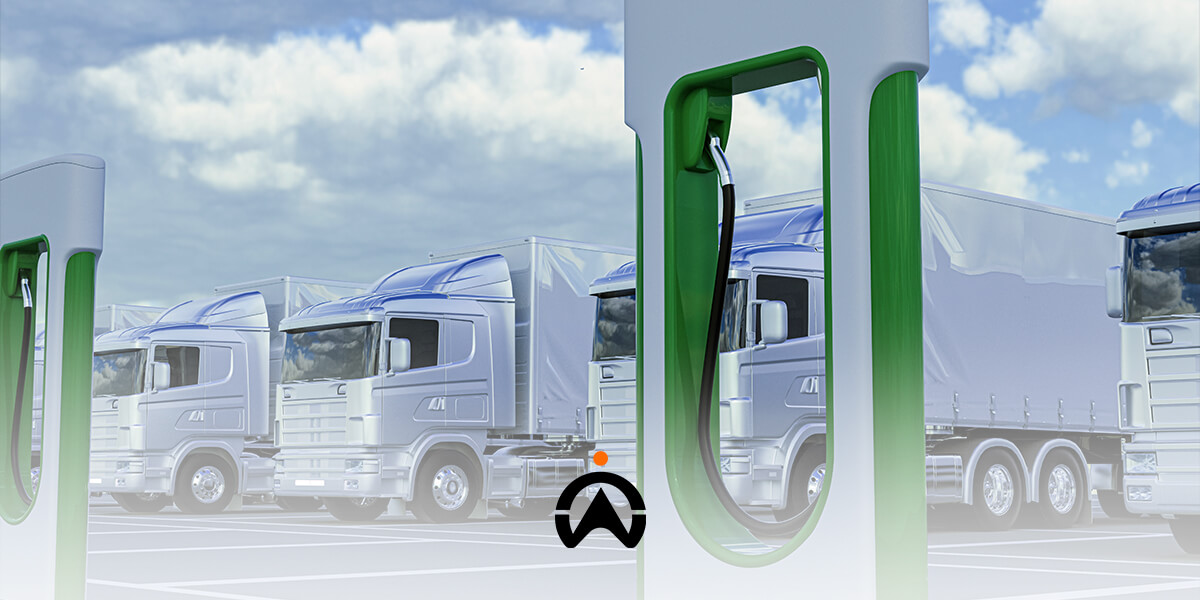
In an era of heightened environmental awareness and increasing pressure from stakeholders, fleet electrification offers a powerful avenue for demonstrating corporate responsibility. Transitioning to electric vehicles significantly reduces a fleet’s carbon footprint. BEVs produce zero tailpipe emissions, meaning they do not release greenhouse gases like carbon dioxide (CO2) or pollutants such as nitrogen oxides (NOx) and particulate matter into the atmosphere. This directly contributes to improved air quality in urban areas, benefiting public health and reducing the environmental impact of business operations.
Beyond direct emissions reduction, the broader environmental benefits are substantial. The reliance on fossil fuels for transportation is a major contributor to climate change. By shifting to electricity, which can be increasingly sourced from renewable energy, companies can further enhance their sustainability credentials. This commitment to environmental stewardship is not just an ethical imperative; it is increasingly becoming a strategic advantage. Consumers and business partners are more likely to support companies that demonstrate a genuine commitment to environmental sustainability, enhancing brand loyalty and market perception.
Furthermore, many companies are setting ambitious sustainability targets as part of their Corporate Social Responsibility (CSR) initiatives. Fleet electrification is a tangible and impactful way to achieve these goals. It provides a clear metric for progress and a visible demonstration of a company’s commitment to a greener future. This proactive approach to environmental management can also help companies stay ahead of evolving environmental regulations, avoiding potential penalties and compliance costs in the future.
Enhancing Operational Efficiency and Brand Perception
The operational advantages of fleet electrification extend beyond cost savings. The quieter operation of electric vehicles can lead to reduced noise pollution, a significant benefit for businesses operating in urban environments or providing services in residential areas. The smoother ride and quicker acceleration of EVs can also improve driver comfort and satisfaction, potentially leading to reduced driver fatigue and improved job satisfaction.
From a brand perspective, embracing fleet electrification sends a powerful message to customers, employees, and the wider community. It positions a company as forward-thinking, innovative, and committed to sustainability. This can be a significant differentiator in a competitive market, attracting environmentally conscious customers and talented employees who value working for responsible organizations. The visual impact of a fleet of clean, modern electric vehicles can reinforce a positive brand image and convey a commitment to the future.
For service-based industries, such as delivery and logistics, the reliability and predictability of electric vehicles can also enhance operational efficiency. With fewer mechanical failures and a more streamlined maintenance schedule, fleet downtime can be minimized. Smart charging solutions can ensure vehicles are always ready to go, optimizing route planning and delivery schedules. This consistent performance contributes to a more reliable and efficient service offering, further strengthening customer relationships and the overall brand reputation.
Challenges and Considerations in Fleet Electrification
While the benefits of fleet electrification are compelling, the transition is not without its challenges. Addressing these hurdles effectively is crucial for successful implementation and for unlocking the full potential of electric fleets. These considerations span infrastructure, vehicle suitability, and operational planning.
Infrastructure Planning and Deployment
One of the most significant challenges in fleet electrification is the planning and deployment of adequate charging infrastructure. This requires a detailed understanding of a fleet’s operational patterns, including daily mileage, charging windows, and the number of vehicles requiring charging. Simply installing a few chargers may not be sufficient; a comprehensive strategy is needed to ensure vehicles are charged when and where they are needed.
This involves assessing the electrical capacity of existing facilities, potentially requiring upgrades to power supply and distribution systems. The cost of installing charging stations, especially high-power DC fast chargers, can be substantial. Furthermore, the selection of charging hardware and software needs to be aligned with the specific needs of the fleet, considering factors such as charging speed, interoperability, and the ability to integrate with fleet management systems for optimized charging.
The timeline for charging infrastructure deployment can also be a factor. Obtaining permits, coordinating with utility companies, and the physical installation process can take time. For fleets with ambitious electrification goals, proactive and meticulous planning of charging infrastructure is paramount. This might involve pilot programs to test different charging solutions and identify best practices before a full-scale rollout.
Vehicle Suitability and Range Requirements
Not all vehicles within a fleet may be immediately suited for electrification. While the range of electric vehicles is rapidly improving, certain heavy-duty applications or long-haul routes might still present challenges for current BEV technology. The weight of batteries can also impact payload capacity for certain types of vehicles, which is a critical consideration for logistics and delivery fleets.
Fleet managers need to carefully assess the specific requirements of each vehicle class within their operation. This includes analyzing daily mileage, load capacities, and operational duty cycles to determine which vehicles are the best candidates for immediate electrification. For some applications, plug-in hybrid electric vehicles (PHEVs) might serve as a transitional solution, offering electric-only operation for shorter urban routes while retaining the flexibility of an internal combustion engine for longer journeys.
As battery technology continues to advance and the variety of available electric vehicle models expands, the suitability of EVs for a wider range of fleet applications will continue to increase. The industry is actively developing electric solutions for heavier trucks, buses, and specialized vehicles, addressing these limitations.

Operational Integration and Change Management
Transitioning to an electric fleet involves more than just acquiring new vehicles; it necessitates a comprehensive integration into existing operational workflows and a robust change management strategy. Drivers need to be trained on the operation of electric vehicles, including understanding charging procedures, range management, and regenerative braking.
Fleet managers need to adapt their planning and scheduling to accommodate charging times. This might involve optimizing routes to include charging stops or adjusting shift patterns to allow for overnight charging. The integration of charging data and vehicle telematics into fleet management software is essential for monitoring charging status, energy consumption, and overall operational efficiency.
Furthermore, the financial and operational teams need to be aligned on the new cost structures and maintenance protocols associated with electric vehicles. Understanding the nuances of TCO calculations, including electricity costs, incentive programs, and potential resale values of EVs, is crucial for informed decision-making. A proactive approach to change management, involving clear communication, training, and stakeholder engagement, is vital for a smooth and successful transition to fleet electrification.
aViewFromTheCave is a participant in the Amazon Services LLC Associates Program, an affiliate advertising program designed to provide a means for sites to earn advertising fees by advertising and linking to Amazon.com. Amazon, the Amazon logo, AmazonSupply, and the AmazonSupply logo are trademarks of Amazon.com, Inc. or its affiliates. As an Amazon Associate we earn affiliate commissions from qualifying purchases.