
The question of “What is Delaware’s State Tree?” might seem like a simple query for a piece of trivia. However, delving into the identity of a state’s official symbols, particularly its tree, offers a unique lens through which to examine a region’s heritage, its environmental significance, and even its subtle yet powerful branding. In an era where distinctive identities are paramount for regions and organizations alike, understanding the symbolism behind a state tree can illuminate its inherent strengths and the narrative it projects to the world. This exploration will uncover the identity of Delaware’s state tree and, by extension, unpack the layers of meaning it contributes to the First State’s broader brand.
The American Holly: A Resilient Icon Rooted in History
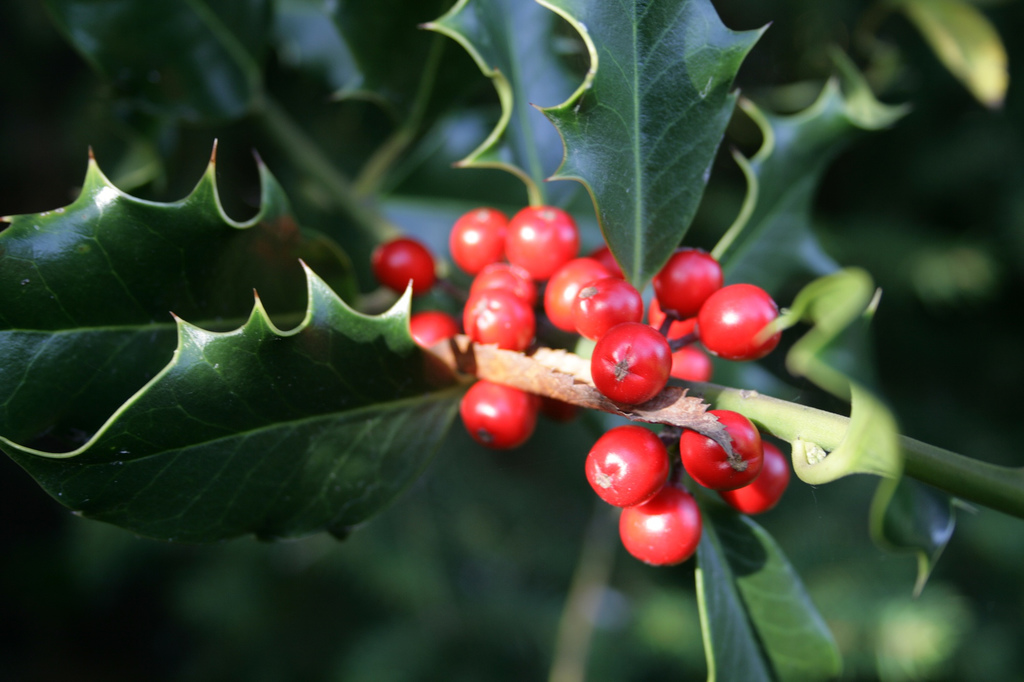
Delaware’s choice of the American Holly (Ilex opaca) as its state tree is no accident. This evergreen species, known for its glossy, spiny leaves and vibrant red berries, was officially designated in 1939. Its selection speaks volumes about the values and characteristics that Delaware wishes to embody and project. Understanding the historical context and the inherent qualities of the American Holly provides the foundational understanding of its symbolic significance.
A Symbol of Enduring Spirit and the Holiday Season
The American Holly’s evergreen nature is its most striking characteristic, making it a potent symbol of endurance, resilience, and steadfastness. Unlike deciduous trees that shed their leaves with the changing seasons, the holly retains its lush foliage year-round. This trait can be interpreted as representing Delaware’s consistent and enduring spirit, its ability to weather challenges, and its commitment to long-term stability – qualities that are highly desirable in any brand, be it corporate or regional.
Furthermore, the association of the American Holly with the winter holiday season, particularly its association with Christmas traditions, imbues it with a sense of warmth, festivity, and perennial celebration. This evokes feelings of community, tradition, and a comforting sense of continuity. For Delaware, this association can subtly contribute to a brand image that is welcoming, traditional, and rooted in enduring values. It’s a visual cue that evokes familiarity and a sense of established presence, akin to a well-respected, time-tested brand.
Botanical Attributes and Ecological Significance
Beyond its symbolic cultural associations, the American Holly possesses distinct botanical attributes that contribute to its suitability as a state emblem. It is a native species, thriving in the varied landscapes of Delaware, from coastal plains to inland forests. Its natural prevalence makes it an authentic representation of the state’s flora. The tree’s ability to thrive in diverse soil conditions and its adaptability further underscore themes of resilience and resourcefulness.
Ecologically, the American Holly plays a vital role in its native environment. Its berries are a crucial food source for a variety of birds and small mammals, especially during the lean winter months. This highlights Delaware’s commitment to its natural heritage and its role as a steward of the environment. In the context of branding, showcasing a commitment to ecological preservation and sustainability can be a powerful differentiator, attracting environmentally conscious individuals, businesses, and tourists. This element adds a layer of responsible stewardship to Delaware’s regional identity.
The Holly’s Contribution to Delaware’s Regional Brand Identity
A state’s symbols are not merely decorative; they are integral components of its regional brand. They contribute to a shared sense of identity among residents and help shape perceptions among outsiders. The American Holly, as Delaware’s state tree, plays a nuanced yet significant role in this process, reinforcing key aspects of the First State’s perceived identity and marketing.
Reinforcing “The First State” Narrative of Steadfastness
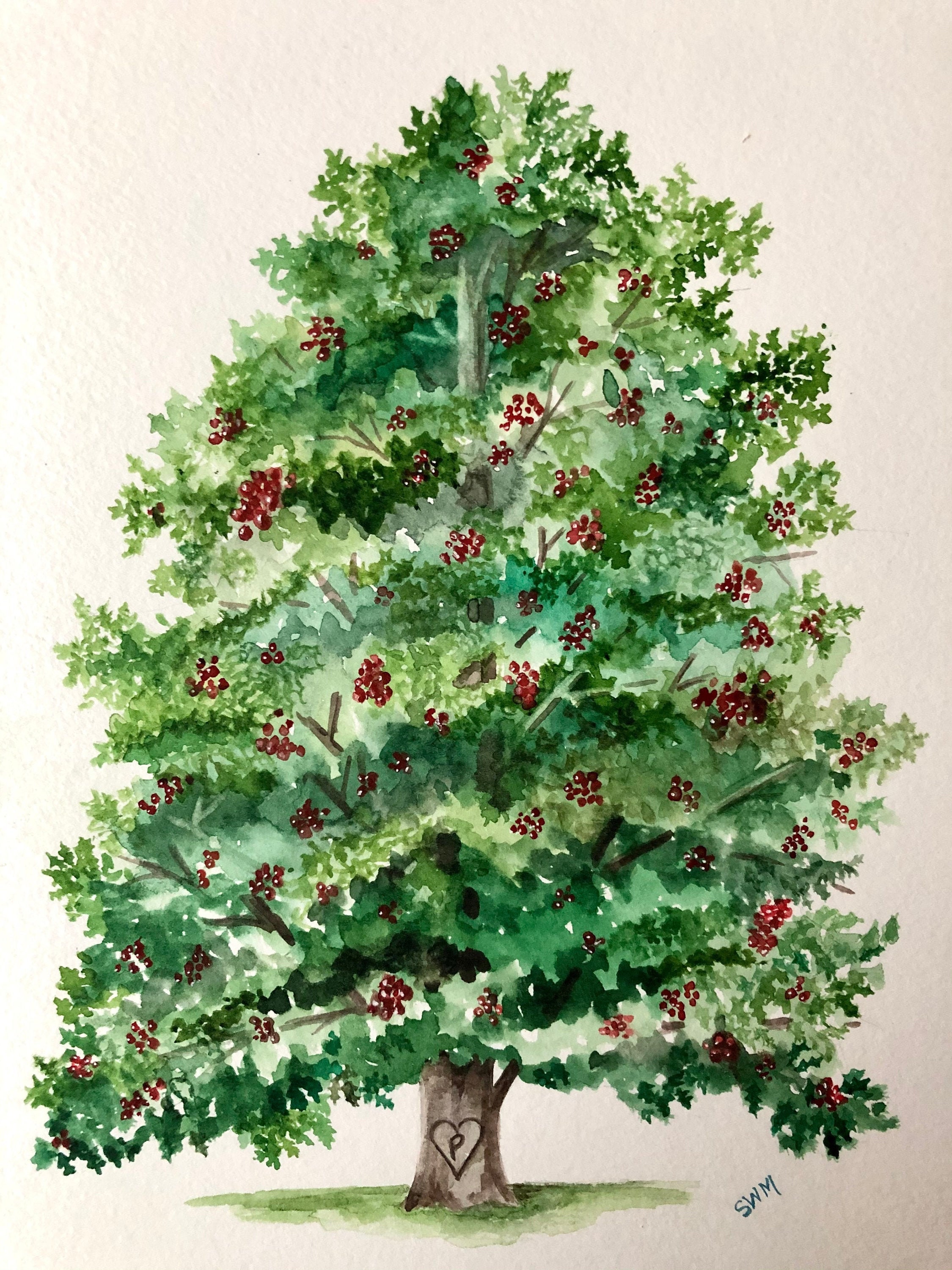
Delaware proudly holds the moniker “The First State,” signifying its pioneering role in ratifying the U.S. Constitution. The American Holly’s evergreen nature and enduring presence serve as a natural, botanical echo of this historical distinction. Just as Delaware was first in establishing a foundational aspect of American governance, the holly stands as a constant, unchanging presence in the natural landscape. This parallel reinforces the narrative of Delaware as a state with deep roots, a stable foundation, and a long-standing commitment to its principles.
In branding terms, this consistency and historical precedence are invaluable. It suggests reliability, tradition, and a legacy of leadership. When potential residents, businesses, or tourists consider Delaware, the symbolic resonance of the holly subtly contributes to an image of a place that is both historically significant and reliably stable. This is a powerful form of passive marketing, woven into the very fabric of the state’s natural and cultural identity.
Enhancing Environmental and Tourism Appeal
The visual appeal of the American Holly, with its vibrant red berries against dark green foliage, is undeniable. This aesthetic quality is particularly attractive during the autumn and winter months, a period when many regions seek to attract visitors for seasonal activities and natural beauty. The holly enhances the visual tapestry of Delaware’s landscapes, making it a more appealing destination for nature lovers and tourists.
In the realm of tourism branding, showcasing a state’s natural assets is crucial. The American Holly, as a prominent and recognizable native tree, becomes an ambassador for Delaware’s natural beauty. Its presence in parks, along scenic byways, and even in urban green spaces contributes to an attractive and inviting image. This visual appeal can translate into increased visitation, local economic activity, and a stronger reputation for natural charm. The holly becomes a recognizable element in promotional materials, visually anchoring Delaware’s natural appeal.
Leveraging the Symbol: Practical Applications in Branding and Engagement
While the American Holly’s symbolism is inherent, its conscious integration into Delaware’s branding and public engagement efforts can amplify its impact. Recognizing the tree not just as a botanical entity but as a brand asset allows for strategic utilization across various platforms and initiatives.
Educational Outreach and Environmental Stewardship Programs
The American Holly provides an excellent educational tool for engaging both residents and visitors with Delaware’s natural heritage. Schools and environmental organizations can utilize the tree in curriculum development, teaching about native flora, local ecosystems, and the importance of conservation. Incorporating the holly into educational programs reinforces its role as a living symbol of the state.
Moreover, these programs can foster a deeper sense of civic pride and environmental stewardship among the populace. When citizens feel connected to their state’s natural symbols, they are more likely to become advocates for their preservation. This can lead to volunteer efforts in planting holly trees, maintaining natural habitats, and supporting conservation initiatives, all of which bolster Delaware’s brand as an environmentally conscious state. These initiatives are not just about planting trees; they are about cultivating brand ambassadors.
Incorporating the Holly in Marketing and Public Relations
The visual distinctiveness of the American Holly offers numerous opportunities for integration into Delaware’s marketing and public relations efforts. Its image can be used in official state publications, tourism brochures, and on websites dedicated to promoting Delaware. Think of how iconic trees are used in the branding of national parks or specific regions – the holly can serve a similar purpose for Delaware.
Beyond static imagery, the holly can be woven into storytelling and narrative branding. Articles, social media campaigns, and promotional videos can highlight the tree’s significance, its ecological role, and its historical context. For instance, a campaign might focus on “Delaware’s Everlasting Beauty,” using images of holly to underscore themes of resilience and natural charm. This active incorporation helps to solidify the tree’s association with the state and to create a more memorable and evocative brand identity, distinguishing Delaware from its neighbors.
Conclusion: The Enduring Legacy of Delaware’s State Tree
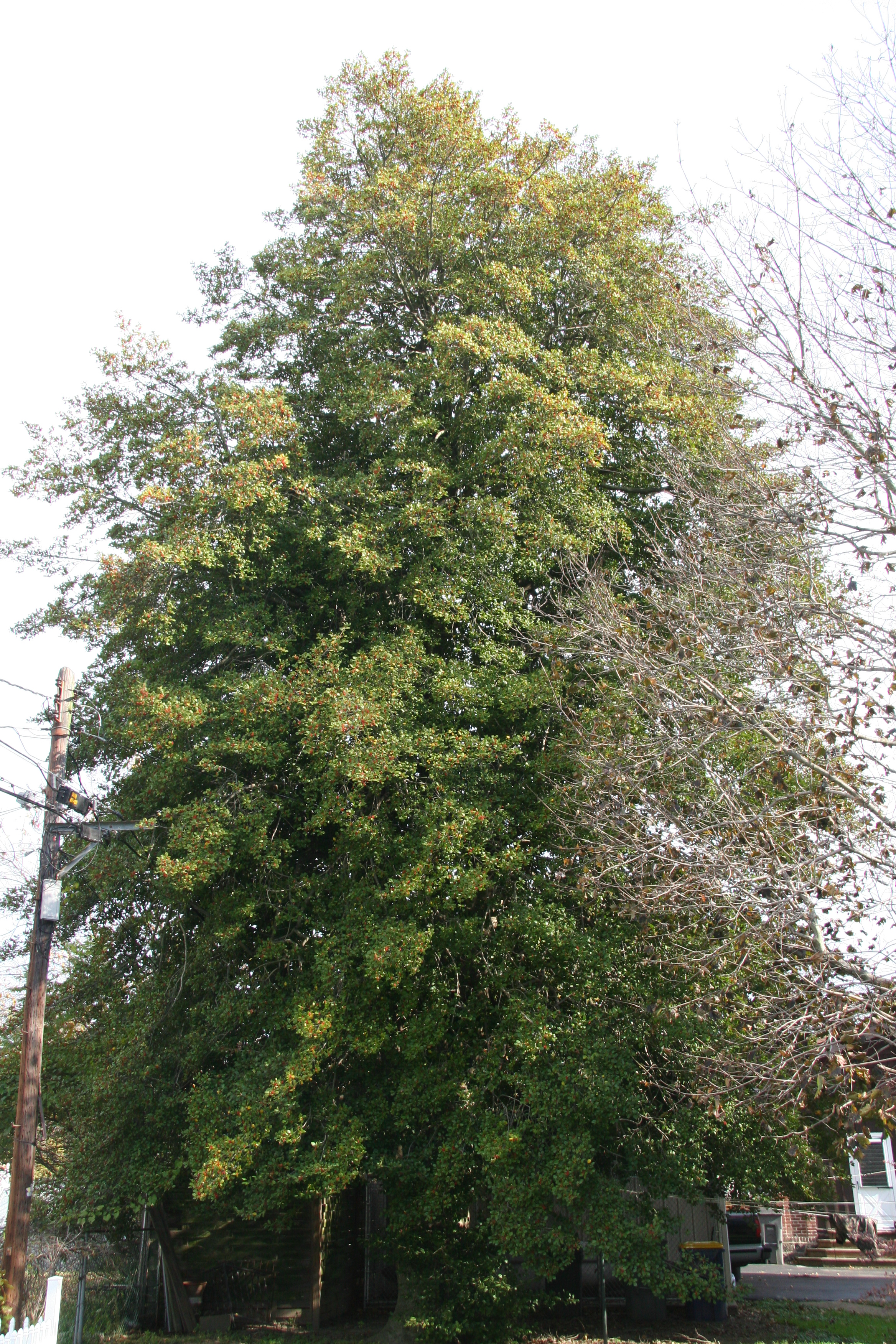
The question of “What is Delaware’s State Tree?” opens a window into a deeper understanding of how regional identities are forged and projected. The American Holly, with its evergreen resilience, festive associations, and ecological importance, serves as a powerful and fitting symbol for the First State. It subtly reinforces Delaware’s narrative of historical precedence, steadfastness, and natural beauty.
By understanding and actively leveraging the inherent symbolism of the American Holly, Delaware can continue to strengthen its regional brand. This involves not only educational initiatives that foster stewardship but also strategic integration into marketing and public relations. In a world increasingly attuned to authenticity and meaningful narratives, a state tree is far more than a botanical fact; it is a living testament to a region’s enduring spirit and a vital component of its distinctive identity. The American Holly is a silent yet eloquent ambassador, contributing to a brand that is rooted, resilient, and perpetually green.
aViewFromTheCave is a participant in the Amazon Services LLC Associates Program, an affiliate advertising program designed to provide a means for sites to earn advertising fees by advertising and linking to Amazon.com. Amazon, the Amazon logo, AmazonSupply, and the AmazonSupply logo are trademarks of Amazon.com, Inc. or its affiliates. As an Amazon Associate we earn affiliate commissions from qualifying purchases.