
The term “olive skin tone” has become increasingly prevalent in discussions surrounding beauty, fashion, and even dermatology. However, its precise definition can be elusive, often leading to confusion or misidentification. Far from being a simple descriptor of color, olive skin is a complex interplay of undertones and overtones that create a unique and versatile canvas. Understanding what constitutes an olive skin tone is not just about accurate labeling; it has significant implications for product development, marketing strategies, and ultimately, consumer satisfaction within the beauty and fashion industries. This exploration delves into the nuances of olive skin, examining its characteristics, its place within broader skin tone classifications, and its impact on various sectors that cater to appearance and personal presentation.

Understanding the Nuances of Olive Skin Undertones
At its core, the concept of olive skin revolves around its specific undertones. While overt color can vary significantly, the underlying hue is what truly defines this skin type. Unlike true warm or cool undertones, olive skin often exhibits a blend, creating a nuanced and sometimes ambiguous appearance that can be a challenge for precise color matching.
The Dominance of Green and Yellow Undertones
The most defining characteristic of olive skin is the presence of subtle to pronounced green and yellow undertones. These are not to be confused with a ruddy or pink complexion (cool) or a strong golden or peachy hue (warm). Instead, the green undertone often manifests as a muted, almost greyish or greenish cast beneath the surface of the skin. This is frequently complemented by a yellow or golden undertone, which provides a certain warmth and depth. The interplay between these two dominant undertones is what gives olive skin its distinctive appearance.
For individuals with olive skin, this means that while their surface color might appear medium, tan, or even deep, the underlying pigments are not clearly aligned with the traditional warm or cool spectrum. This can make it difficult to determine whether foundations, blushes, or clothing colors are complementary. For example, a foundation that is marketed as “warm” might appear too orange or brassy on an olive complexion, while a “cool” shade might look too pink or ashy. The ideal shades often possess a balance, incorporating both yellow and a hint of green or a muted, earthy quality.
The Spectrum of Olive Skin: From Light to Deep
It is crucial to recognize that “olive skin” is not a monolithic category. It exists on a wide spectrum, encompassing individuals with lighter, fairer complexions to those with deeply rich, dark skin tones. A fair-skinned individual with olive undertones might have a very subtle green cast that is only noticeable under certain lighting conditions, while a deeply pigmented person might have a prominent olive hue that lends a sophisticated, earthy richness to their complexion.
This spectrum means that generalizations about olive skin must be made with caution. What might be considered an obvious olive undertone in a medium-toned individual could be far more subtle in someone with very fair or very dark skin. Understanding this variability is essential for accurate identification and for catering to the diverse needs of individuals within this category. For instance, makeup brands aiming to serve the olive demographic need to offer a range of shades that account for this variation, from lighter olive foundations with a muted, greenish-beige base to deeper olive shades with richer, earthier undertones.
Identifying Olive Skin: Practical Tips and Considerations
Identifying one’s own olive skin tone, or that of others, can be a subjective process. However, there are several practical approaches that can aid in this determination, particularly when it comes to the application of makeup and color coordination in fashion.
One of the most common methods involves observing how the skin reacts to the sun. Olive skin tones often tan easily and deeply, and are less prone to burning severely. This tendency to develop a rich tan without excessive redness is a strong indicator of underlying warmer or neutral undertones, which are characteristic of olive complexions. Conversely, skin that burns easily and rarely tans, or develops a strong pinkish flush, is more likely to have cool undertones.
Another helpful technique is to examine the veins on the inner wrist. If the veins appear primarily blue or purplish, this often suggests cool undertones. If they appear greenish, this is a strong indicator of warm undertones. For those with olive skin, the vein appearance can be a blend of both, or predominantly greenish with a muted quality that doesn’t scream “warm.” This ambiguity is a hallmark of the olive complexion.
Furthermore, observing how different colors complement the skin is a practical test. Certain shades of clothing or makeup that might look jarring or unflattering on someone with purely warm or cool undertones can look harmonious on olive skin. For instance, vibrant, saturated colors might sometimes overwhelm an olive complexion, whereas muted, earthy tones, or jewel tones with a slightly desaturated quality, often enhance it. The key is often a balance or a sophisticated depth that resonates with the inherent complexity of olive undertones.
The Impact of Olive Skin Tone on the Beauty Industry
The beauty industry, driven by product development, marketing, and consumer demand, has a significant relationship with the understanding and catering to diverse skin tones, including olive. As awareness and inclusivity grow, brands are increasingly recognizing the need to serve the olive demographic more effectively.
Foundation and Concealer Shade Development: A Balancing Act
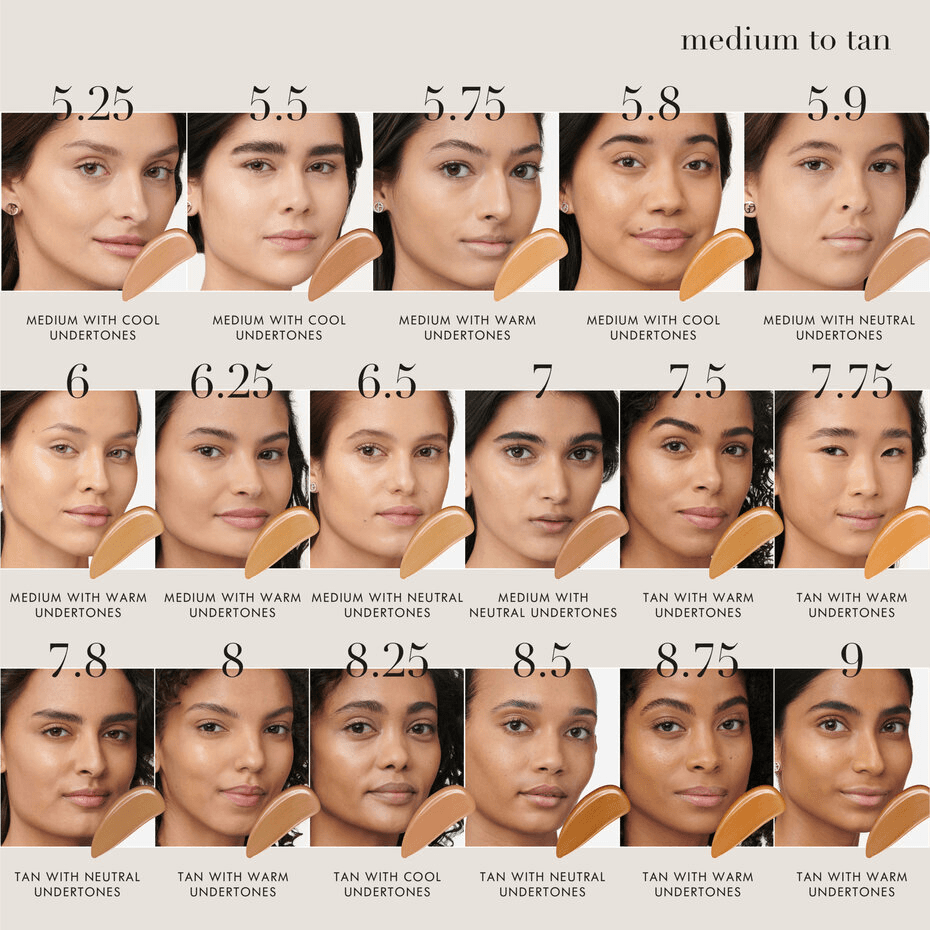
The most prominent area where olive skin tones present a unique challenge is in the realm of foundation and concealer shades. Traditional beauty industry classifications often fall into broad categories of “fair,” “light,” “medium,” “tan,” and “deep,” with further sub-classifications of “warm,” “cool,” and “neutral.” However, these categories can be insufficient for accurately representing the nuanced undertones of olive skin.
For a long time, individuals with olive skin struggled to find foundations that didn’t make them look unnaturally orange, ashy, or too pink. Brands were often slow to develop shades that incorporated the characteristic green or muted yellow undertones. This led to consumers either settling for shades that weren’t a perfect match or engaging in complex mixing of different foundation shades to achieve the desired result.
In recent years, there has been a noticeable shift. Acknowledging the significant market segment represented by olive skin tones, many beauty brands have begun to explicitly develop and market shades that cater to these undertones. This includes foundations and concealers labeled as “olive,” “neutral olive,” or featuring descriptive terms that hint at muted or earthy undertones. This development is not just about inclusivity; it’s a strategic response to consumer demand and a recognition of the commercial opportunity in serving a previously underserved market. The success of brands that have embraced this diversity often hinges on their ability to create accurate and flattering shade ranges.
The Evolution of Makeup Trends and Color Palettes
Beyond foundation, the understanding of olive skin tones has also influenced makeup trends and the development of color palettes for other products, such as blush, bronzer, eyeshadow, and lipstick. The way colors interact with olive skin can be quite distinct, and appreciating this is key to creating flattering looks.
For blushes, shades that might appear too peachy or too pink on other skin tones can often look harmonious on olive skin, providing a natural flush. Conversely, overly vibrant or cool-toned pinks can sometimes clash. Muted corals, earthy rose tones, and even certain shades of terracotta often complement olive complexions beautifully. Similarly, bronzers that lean too orange can look unnatural; those with a more neutral or slightly green-tinged undertone tend to provide a more believable sun-kissed effect.
Eyeshadows and lipsticks also benefit from this understanding. For instance, while a bright fuchsia might be stunning on cooler skin tones, an olive-toned individual might find that a deeper berry, a muted plum, or a warm, earthy red offers a more sophisticated and flattering enhancement. The key is often to find colors that echo or subtly contrast with the inherent undertones of olive skin, creating depth and dimension rather than appearing stark or artificial. This has led to a broader appreciation for less conventional color combinations and a greater emphasis on personal skin tone when choosing makeup.
Challenges and Opportunities in Product Marketing
Marketing beauty products to consumers with olive skin tones presents both challenges and opportunities for brands. Historically, marketing has often relied on simplified and generalized representations of skin tones, which has inadvertently excluded or misrepresented individuals with olive complexions.
The challenge lies in ensuring that marketing campaigns are truly inclusive and reflective of the diversity within the olive skin tone category. This means featuring models with genuine olive skin tones in advertising and product demonstrations, and using language that accurately describes the shades and their benefits for this demographic. Simply adding a few “olive” shades to an existing line without genuine understanding or authentic representation can be perceived as tokenism and can alienate the very consumers the brand aims to attract.
The opportunity, however, is substantial. Brands that genuinely embrace and cater to olive skin tones can build strong brand loyalty and tap into a significant market segment. This involves not only product development but also educational content that helps consumers identify their undertones and understand how to best use products. Influencer marketing plays a crucial role here, with individuals who have olive skin sharing their experiences and recommending products that work for them. By fostering authenticity and understanding, beauty brands can create a more equitable and successful market for everyone.
Olive Skin Tone in Fashion and Color Theory
The influence of an olive skin tone extends beyond beauty products and into the realm of fashion and color theory. Understanding how colors interact with an olive complexion can help individuals make more informed choices about their wardrobes, leading to a more cohesive and flattering personal style.
Complementary Color Palettes for Olive Skin
Color theory suggests that certain colors will harmonize better with specific skin undertones. For olive skin, with its characteristic green and yellow undertones, this translates to a versatile and often surprising palette of colors that can be highly flattering. While often associated with earthy tones, olive skin can also carry vibrant colors with exceptional grace.
Earthy and warm colors are often a natural fit. This includes shades of:
- Terracotta and Rust: These warm, earthy tones beautifully echo the natural warmth present in olive skin.
- Olive Green (naturally): While it may seem counterintuitive, shades of green, particularly muted or deep olive greens, can be incredibly complementary, creating a harmonious and sophisticated look.
- Mustard Yellow and Ochre: These richer, deeper yellows can enhance the golden undertones of olive skin without appearing too brassy.
- Warm Neutrals: Beige, taupe, and camel tones provide a soft and elegant backdrop that allows the natural richness of olive skin to shine.
However, olive skin also possesses a certain depth that allows it to wear cooler and more saturated colors exceptionally well. Jewel tones, often perceived as cooler, can be stunning:
- Emerald and Deep Teal: These rich, saturated greens and blues often pick up on and enhance the subtle green undertones.
- Sapphire Blue: A vibrant, classic blue can offer a beautiful contrast and highlight the complexity of olive skin.
- Amethyst and Deep Berry Tones: These shades of purple and deep red offer a sophisticated richness that complements the natural depth of olive complexions.
The key is often in the saturation and undertone of the color itself. Colors that are too desaturated might wash out an olive complexion, while colors with a strong, pure cool or warm undertone might appear jarring. It’s about finding shades that have a certain depth or a hint of the opposite undertone, creating a more complex and harmonious interaction.
Avoiding Color Pitfalls and Enhancing Natural Beauty
Just as certain colors enhance olive skin, others can unfortunately detract from it, making the complexion appear sallow, washed out, or unnaturally colored. Awareness of these potential pitfalls allows individuals to curate a wardrobe that consistently flatters their natural beauty.
Colors to approach with caution often include:
- Pure, Stark White: While white can be a classic choice for many, stark white can sometimes make olive skin appear sallow or even slightly grey. Off-whites, creams, or ivory shades often provide a softer and more flattering alternative.
- Harsh Oranges and Brassy Yellows: While warm tones can be good, overly bright or pure oranges and yellows that lack a muted or greenish quality can sometimes clash with the natural undertones, making the skin appear artificially colored.
- Very Cool, Pale Pastels: While some pastels can work, overly chalky or cool-toned pale pastels might not provide enough depth to complement olive skin and can lead to a washed-out appearance.
Instead of these potentially problematic shades, focusing on colors that are slightly muted, have a touch of depth, or possess a subtle undertone that harmonizes with the skin’s natural green and yellow hues will be more effective. This doesn’t mean avoiding these color families entirely, but rather seeking out variations that are more forgiving. For example, instead of a bright orange, a burnt orange or a terracotta might be a better choice. Instead of a pale, cool pink, a dusty rose or a muted coral could be more flattering.
The overarching principle is to select colors that create a sense of balance and harmony with the inherent complexity of olive skin. It’s about enhancing, not overpowering, and using color as a tool to highlight the unique richness of this skin tone.

The Interplay Between Skin Tone and Personal Style
Ultimately, understanding one’s olive skin tone is a powerful tool for developing a confident and authentic personal style. It moves beyond trend-driven choices and empowers individuals to make decisions that are genuinely flattering and reflective of their unique beauty.
When individuals are aware of their undertones, they can approach shopping for clothing and makeup with greater clarity and purpose. This can lead to a more curated wardrobe, reducing impulse buys that don’t quite work and investing in pieces that consistently enhance their appearance. It also fosters a sense of self-acceptance and appreciation for the natural beauty of one’s skin.
The journey of understanding olive skin tones is ongoing, and it highlights the beauty of diversity. As more individuals embrace and celebrate their unique complexions, the industries that cater to them will undoubtedly continue to evolve, offering more accurate, inclusive, and ultimately, more satisfying solutions for everyone.
aViewFromTheCave is a participant in the Amazon Services LLC Associates Program, an affiliate advertising program designed to provide a means for sites to earn advertising fees by advertising and linking to Amazon.com. Amazon, the Amazon logo, AmazonSupply, and the AmazonSupply logo are trademarks of Amazon.com, Inc. or its affiliates. As an Amazon Associate we earn affiliate commissions from qualifying purchases.