
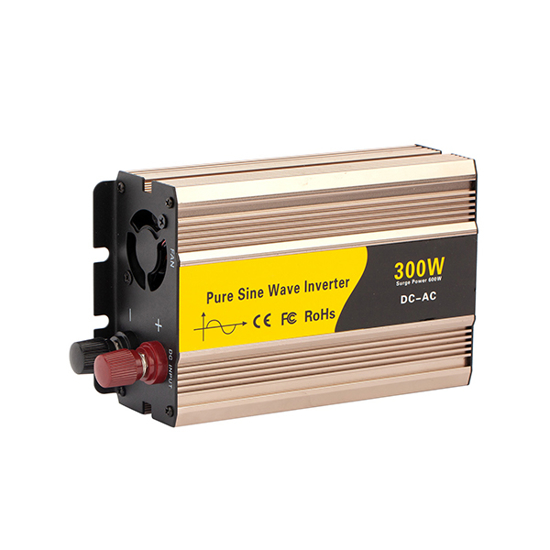
The term “inverter” might sound technical, but understanding different types of inverters, particularly the pure sine wave inverter, is crucial for anyone dealing with power conversion for sensitive electronics, off-grid living, or backup power systems. In essence, an inverter is a device that converts direct current (DC) electricity, typically from sources like batteries or solar panels, into alternating current (AC) electricity, which is what most of our home appliances and electronic devices use. While this fundamental conversion is common to all inverters, the quality and purity of the AC output vary significantly, and this is where the “pure sine wave” distinction becomes paramount.
The Fundamentals of AC Power and Inverter Output
To truly grasp what a pure sine inverter is, we first need to understand the nature of alternating current and how inverters generate it.
Understanding Alternating Current (AC)
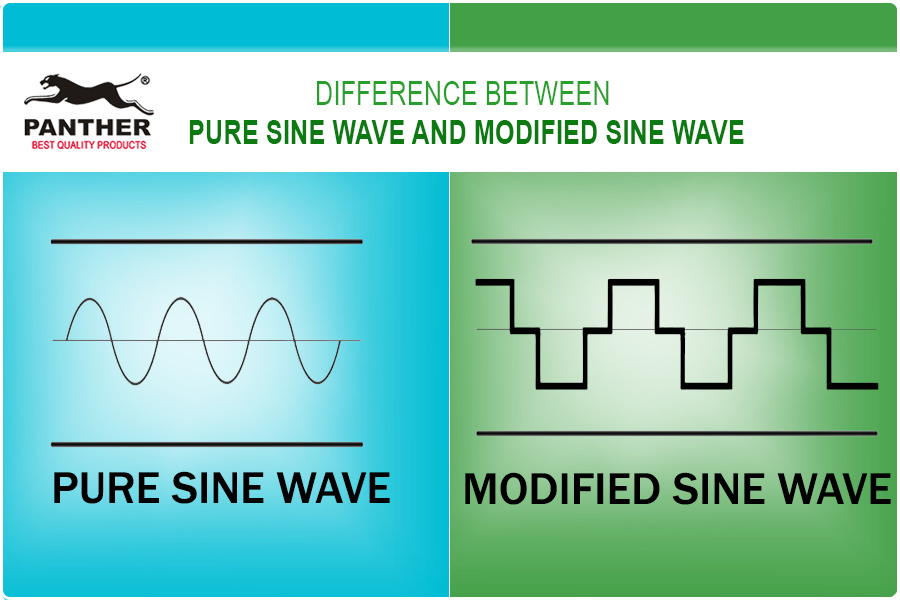
Alternating current is characterized by its waveform, which oscillates back and forth, changing direction periodically. In most standard household electrical systems, this waveform is a sine wave. A sine wave is a smooth, continuous, and mathematically elegant curve that represents the gradual increase and decrease in voltage and current. It’s the ideal waveform for powering a wide range of electrical devices because it’s efficient and minimizes stress on components. The smooth, predictable nature of a sine wave ensures that devices receive consistent power, preventing the kind of electrical “noise” or erratic behavior that can arise from less refined waveforms.
The Spectrum of Inverter Outputs
Not all inverters produce a perfect sine wave. In fact, there’s a spectrum of AC output quality, with pure sine wave being at the high end, followed by modified sine wave, and then less sophisticated square wave inverters.
Modified Sine Wave Inverters
Modified sine wave inverters are a step up from basic square wave inverters but fall short of pure sine wave technology. They approximate a sine wave by creating a stepped or blocky approximation of the smooth curve. This is achieved by switching the DC current on and off in a specific sequence to create three distinct voltage levels: positive, zero, and negative. While this output is sufficient for many simple resistive loads (like incandescent light bulbs or basic heaters), it can cause problems for more complex electronics. The sharper transitions and the presence of harmonics in the waveform can lead to reduced efficiency, increased heat, and even damage to sensitive devices like laptops, medical equipment, audio systems, and some types of motors.
Pure Sine Wave Inverters
In contrast, pure sine wave inverters generate an AC output that is virtually indistinguishable from the power supplied by the utility grid. They meticulously replicate the smooth, continuous sinusoidal waveform. This is achieved through sophisticated electronic circuitry that involves Pulse Width Modulation (PWM) techniques and filtering. By rapidly switching the DC input on and off at high frequencies and varying the width of these pulses, the inverter can create a very close approximation of a sine wave. Advanced filtering then smooths out any remaining imperfections, resulting in a clean, stable AC output. This level of purity is what makes pure sine wave inverters the preferred choice for a vast array of modern electronic equipment.
Why the Purity of the Sine Wave Matters: Compatibility and Performance
The distinction between pure sine wave and modified sine wave output isn’t merely academic; it has tangible implications for the devices you power and the overall efficiency of your system.
Compatibility with Sensitive Electronics
Many modern electronic devices incorporate sensitive components that rely on a clean, stable power source to function correctly. These include:
- Computers and Laptops: The power supplies in these devices are designed to operate with a pure sine wave. A modified sine wave can cause them to overheat, shut down unexpectedly, or even suffer permanent damage due to the harmonic distortion.
- Medical Equipment: Devices like CPAP machines, oxygen concentrators, and diagnostic tools often have very precise power requirements. Using a modified sine wave inverter with such equipment could lead to malfunction or inaccurate readings, with potentially serious health consequences.
- Audio and Video Equipment: The choppy waveform of a modified sine wave can introduce audible hums and buzzing into audio systems and visible interference or “snow” on video displays.
- Variable Speed Motors: Appliances with motors that vary their speed (like refrigerators, fans, or power tools) are particularly susceptible. The stepped waveform can cause motors to run hotter, less efficiently, and can shorten their lifespan. They might also make unusual noises or fail to start.
- Chargers for Lithium-ion Batteries: Many modern chargers for rechargeable batteries, including those in power tools and electric vehicles, are designed for pure sine wave input.
- Printers and Fax Machines: Some laser printers and fax machines contain sensitive electronics that can be negatively impacted by non-sinusoidal power.
Pure sine wave inverters ensure that these devices receive the stable, clean power they were designed for, preventing malfunctions, extending their lifespan, and guaranteeing optimal performance.
Efficiency and Reduced Heat
A pure sine wave output is more efficient for many types of loads. When a device receives power that closely matches its intended input, it operates closer to its designed efficiency. Conversely, with a modified sine wave, devices often have to work harder to process the “choppy” power. This increased effort translates into wasted energy, which is often dissipated as heat. This extra heat not only reduces the overall efficiency of your power system but can also contribute to premature wear and tear on the powered devices. Pure sine wave inverters, by providing cleaner power, help to minimize this wasted energy and heat generation.
Longevity of Appliances
The harmonic distortion present in modified sine wave outputs can stress electrical components, particularly in inductive loads like motors. Over time, this stress can lead to accelerated degradation and eventual failure of these components. By providing a smooth waveform, pure sine wave inverters reduce this stress, contributing to a longer operational life for the connected appliances and electronics.
Applications and Use Cases for Pure Sine Inverters
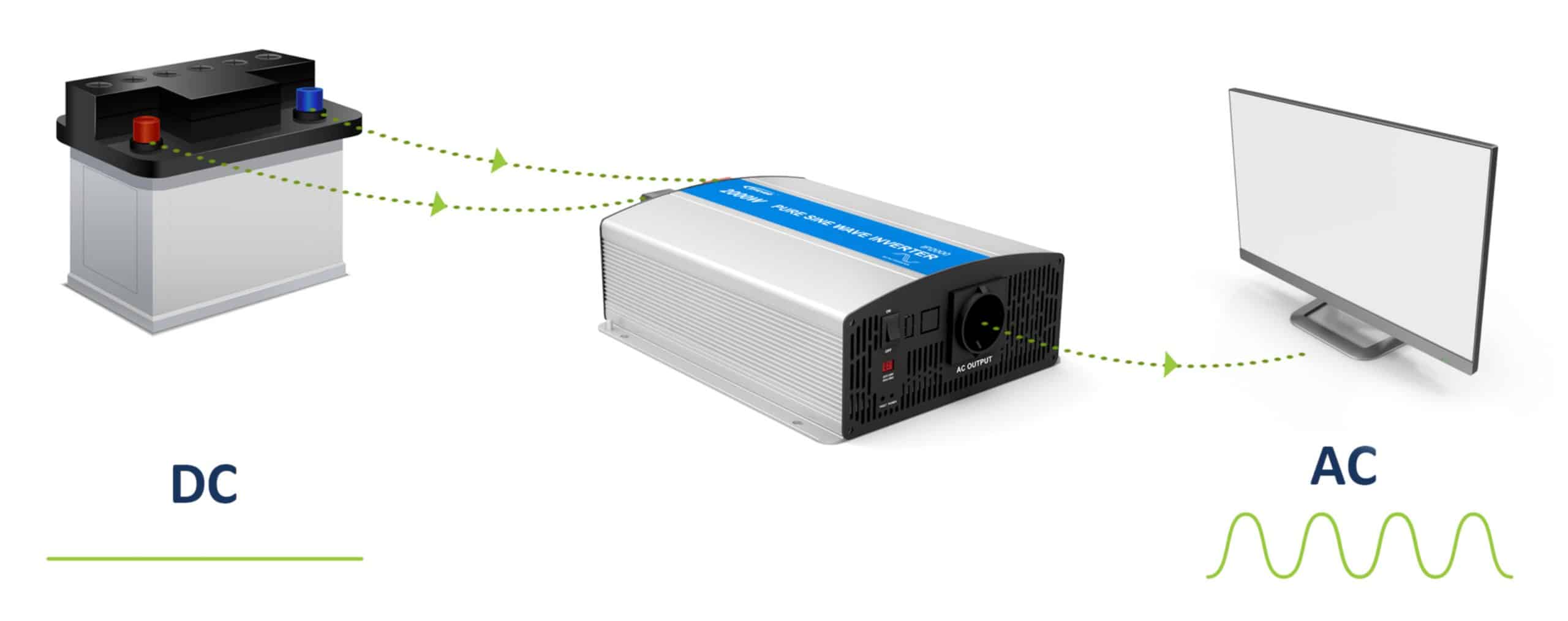
The superior quality of output from pure sine wave inverters makes them indispensable in a variety of scenarios where reliable and clean power is a necessity.
Off-Grid Living and Renewable Energy Systems
For individuals living off the grid, or those utilizing solar or wind power, a pure sine wave inverter is often the heart of their power system. These systems rely on stored energy (typically from batteries charged by solar panels or wind turbines) to power homes and appliances. Since the power source is intermittent and variable, a high-quality inverter is essential to ensure that the DC energy stored is converted into usable AC power that can safely and efficiently run all household devices, from kitchen appliances to entertainment systems. The compatibility with sensitive electronics is particularly important in these applications, as off-grid users often cannot rely on grid-level power quality.
RVs, Boats, and Mobile Applications
Many recreational vehicles (RVs), boats, and even some commercial vehicles are equipped with battery banks and inverters to provide AC power while away from traditional hookups. Travelers and adventurers often use laptops, modern televisions, refrigerators, and other electronics that require pure sine wave power. Using a modified sine wave inverter in such a scenario could lead to frustration and costly damage to valuable equipment. Therefore, pure sine wave inverters are the standard choice for these mobile power solutions.
Backup Power and Uninterruptible Power Supplies (UPS)
In the event of a power outage, a backup power system or UPS provides essential electricity to keep critical systems running. For sensitive equipment like servers, networking gear, medical devices, or even a home office setup, a UPS with a pure sine wave output is highly recommended. This ensures that the devices continue to operate without interruption or potential damage during a power failure and the subsequent switch back to grid power.
Professional Audio and Video Production
For professionals working in audio and video, maintaining signal integrity and avoiding interference is paramount. Modified sine wave inverters can introduce electromagnetic interference (EMI) and radio frequency interference (RFI) that can disrupt sensitive recording equipment, microphones, and broadcast signals, leading to corrupted data or unusable recordings. Pure sine wave inverters provide the clean power necessary to maintain high-quality audio and video production environments.
Choosing the Right Pure Sine Inverter
Selecting the appropriate pure sine wave inverter involves considering several key factors to ensure it meets your specific power needs.
Power Output and Surge Capacity
The primary consideration is the total power requirement of the devices you intend to run simultaneously. Inverters are rated in watts (W) for continuous power output and often have a higher surge rating (also in watts) to handle the initial startup demand of certain appliances, particularly those with motors. It’s crucial to sum the wattage of all expected loads and select an inverter with a continuous rating comfortably above that total, while also ensuring its surge capacity can accommodate the most demanding starting loads. For example, a refrigerator might have a continuous draw of 150W but a surge demand of over 800W when its compressor kicks in.
Input Voltage and Battery Compatibility
Pure sine wave inverters are designed to operate from a specific DC input voltage, typically 12V, 24V, or 48V, corresponding to the nominal voltage of your battery bank. Ensure the inverter’s input voltage matches your battery system. Compatibility with your battery technology (e.g., lead-acid, lithium-ion) is also important, as some inverters offer specialized charging profiles for different battery types.
Efficiency Rating
Inverters themselves consume a small amount of power to operate. Look for inverters with high efficiency ratings (often expressed as a percentage). A higher efficiency rating means less DC power is wasted during the conversion process, leading to better battery life and reduced energy consumption.
Features and Safety Protections
Consider additional features that enhance usability and safety. These may include:
- Low Voltage Cut-off: Protects batteries from over-discharge.
- Overload Protection: Shuts down the inverter if connected loads exceed its capacity.
- Short Circuit Protection: Prevents damage in case of a short circuit.
- Overheating Protection: Shuts down the inverter if it gets too hot.
- Cooling Fans: Essential for dissipating heat, especially in higher wattage inverters.
- Digital Displays: Provide real-time information on voltage, current, and wattage.
- Remote Control Ports: Allow for convenient operation from a distance.
Brand Reputation and Warranty
As with any significant electronic purchase, research the manufacturer’s reputation for quality and reliability. A good warranty provides peace of mind and protection against potential manufacturing defects. Reading reviews from other users can offer valuable insights into real-world performance and customer support.
In conclusion, a pure sine wave inverter is a sophisticated piece of technology designed to replicate the clean, stable alternating current provided by the utility grid. While modified sine wave inverters offer a more budget-friendly solution for basic applications, the superior compatibility, efficiency, and protection afforded by pure sine wave inverters make them the undisputed choice for powering sensitive electronics, ensuring the longevity of appliances, and enabling reliable performance in a wide range of critical applications, from off-grid living to essential backup power systems. Understanding the nuances of inverter technology ensures you make an informed decision that safeguards your valuable equipment and meets your power needs effectively.
aViewFromTheCave is a participant in the Amazon Services LLC Associates Program, an affiliate advertising program designed to provide a means for sites to earn advertising fees by advertising and linking to Amazon.com. Amazon, the Amazon logo, AmazonSupply, and the AmazonSupply logo are trademarks of Amazon.com, Inc. or its affiliates. As an Amazon Associate we earn affiliate commissions from qualifying purchases.