
The term “IDI diesel” often evokes a sense of mechanical nostalgia, a nod to a bygone era of robust and relatively straightforward internal combustion engines. For automotive enthusiasts, mechanics, and even curious car owners, understanding what an IDI diesel signifies is key to appreciating the evolution of diesel technology. IDI, an abbreviation for Indirect Injection, represents a distinct approach to fuel delivery in diesel engines, differentiating it from its more modern counterpart, the Direct Injection (DI) diesel. This distinction has profound implications for engine design, performance characteristics, emissions, and even the characteristic sound and feel of these powerplants.

This article delves into the technical intricacies of IDI diesel engines, exploring their fundamental operating principles, historical significance, advantages, and limitations. We will also briefly touch upon their place in the modern automotive landscape and why, despite being largely superseded, they remain an important chapter in diesel engine history.
The Fundamental Principles of Indirect Injection
At its core, the IDI diesel engine separates the process of fuel atomization and combustion into two distinct chambers. This is the defining characteristic that sets it apart from direct injection systems. Understanding this fundamental difference is crucial to grasping the nuances of IDI diesel technology.
The Pre-combustion Chamber: The Heart of the IDI System
Unlike DI engines where fuel is injected directly into the main combustion chamber, IDI engines feature a smaller, secondary chamber, commonly referred to as the pre-combustion chamber or swirl chamber. This chamber is typically located in the cylinder head, above the main combustion chamber of the cylinder. It’s a critical component, designed to initiate and control the initial stages of fuel combustion.
The shape and volume of this pre-combustion chamber are meticulously engineered. It’s often designed to promote a swirling motion of air within it. This swirling action is vital for effective fuel atomization and mixing with the incoming air. The volume of the pre-combustion chamber is significantly smaller than the main combustion chamber, meaning the fuel is concentrated in a more controlled environment for the initial ignition.
Fuel Delivery and Ignition Sequence
The injection process in an IDI diesel begins with the fuel injector, which sprays a precisely metered amount of diesel fuel into this pre-combustion chamber. The injector is designed to atomize the fuel into very fine droplets, creating a mist that readily mixes with the hot, compressed air already present in the chamber.
When the fuel-air mixture within the pre-combustion chamber reaches its auto-ignition temperature (the temperature at which diesel fuel ignites without an external spark, a characteristic of all diesel engines), a rapid but controlled combustion event occurs. This initial combustion generates a significant amount of pressure. This pressure then pushes the burning fuel-air mixture out of the pre-combustion chamber through a specially designed orifice or nozzle, back into the main combustion chamber where the majority of the air resides.
This expulsion of burning gases into the main chamber, often with considerable force and turbulence, creates a secondary combustion event. This secondary combustion, which occurs in the main cylinder, is responsible for driving the piston downwards and generating the engine’s power. The swirling motion created by the pressure wave from the pre-combustion chamber aids in mixing the remaining fuel with the air in the main chamber, leading to a more complete burn.
Air Swirl and its Importance
The design of the pre-combustion chamber, along with the intake port geometry, is crucial for generating a strong swirling motion of air within this chamber. This swirl is not just a byproduct; it’s an engineered feature that plays a vital role in the efficiency and characteristics of the IDI combustion process. The swirling action helps to:
- Enhance Fuel Atomization: The centrifugal forces generated by the swirl help to break down fuel droplets into even finer particles, increasing their surface area and facilitating more complete vaporization and mixing with air.
- Improve Mixing: The turbulent mixing within the pre-combustion chamber ensures that fuel and air are brought into intimate contact, which is essential for efficient combustion.
- Control Combustion Rate: The swirl helps to regulate the rate at which combustion progresses, preventing excessively rapid pressure rises that could be detrimental to engine components.
Historical Context and Evolution of IDI Diesels
The IDI diesel engine design has a long and storied history, forming the backbone of diesel-powered transportation and industrial applications for decades. Its development and widespread adoption represent a significant milestone in the engineering of efficient and powerful engines.
Early Diesel Engine Pioneers and the Rise of IDI
The concept of indirect injection was present in some of the earliest diesel engine designs. Rudolf Diesel himself experimented with various injection strategies. However, the IDI design, particularly with its pre-combustion chamber, gained significant traction and refinement in the mid-20th century. Manufacturers recognized its potential for producing robust, reliable, and relatively quiet diesel engines, especially for passenger cars and light commercial vehicles where NVH (Noise, Vibration, and Harshness) was a growing concern.
Companies like Volkswagen, Mercedes-Benz, and Peugeot were instrumental in popularizing IDI diesel engines in passenger cars. These engines became synonymous with fuel economy and longevity, making diesel-powered vehicles an attractive alternative to their gasoline counterparts. The characteristic “clatter” of an IDI diesel engine, while sometimes perceived as noisy by modern standards, was often a sign of their robust construction and mechanical efficiency.
Key Manufacturers and Engine Designs
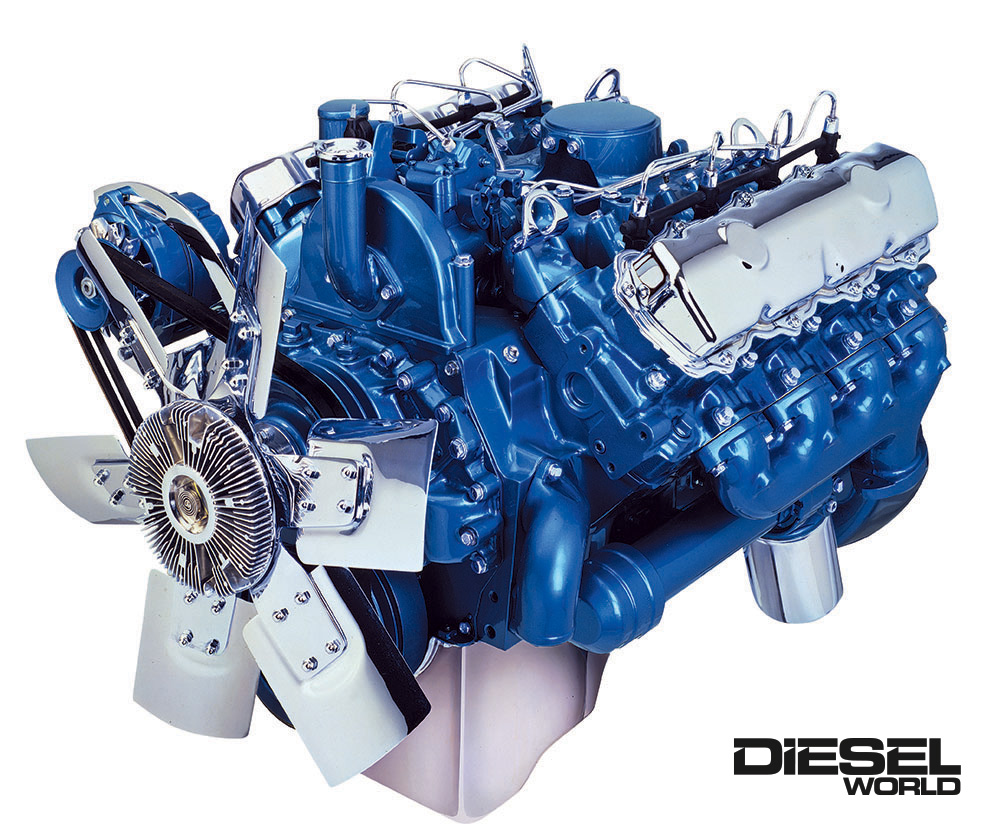
Several iconic IDI diesel engines have left their mark on automotive history. Some notable examples include:
- Volkswagen’s EA827/EA801 (Golf/Polo/Passat): These small-displacement IDI engines were incredibly popular and powered millions of VW vehicles. They were known for their fuel efficiency and durability.
- Mercedes-Benz OM615, OM616, and OM617: These inline-four and inline-five cylinder engines powered a vast array of Mercedes-Benz cars and vans, from the W123 to the W201 (190E). They are renowned for their exceptional reliability and longevity.
- Peugeot XUD series: Found in numerous Peugeot and Citroën models, these IDI engines were praised for their balance of performance and economy.
These engines, and many others like them, were characterized by their cast-iron construction, robust components, and relatively simple fuel injection systems. They often utilized a Bosch inline injection pump or distributor pump, which precisely controlled fuel delivery to each cylinder.
The Transition to Direct Injection
Despite their widespread success, IDI diesel engines eventually began to face increasing pressure from evolving emissions regulations and the demand for higher performance. The inherent limitations of the IDI design in achieving very fine fuel atomization and precise control over combustion events made it challenging to meet these new demands. This led to the development and widespread adoption of Direct Injection (DI) diesel technology, particularly Common Rail Diesel Injection (CRDI).
DI engines inject fuel directly into the main combustion chamber, allowing for much finer atomization and more precise control over the injection timing and pressure. This resulted in improved fuel efficiency, higher power outputs, and significantly reduced emissions, especially particulate matter and NOx. As DI technology matured and became more cost-effective, it gradually replaced IDI engines in most applications.
Advantages and Limitations of IDI Diesels
While largely phased out in new vehicle production, IDI diesel engines possessed a unique set of advantages that contributed to their long-standing popularity. However, they also came with inherent limitations that ultimately led to their decline.
Advantages: Robustness, Durability, and Relative Simplicity
- Robustness and Durability: IDI engines are renowned for their rugged construction. The lower peak cylinder pressures experienced during the initial combustion phase in the pre-combustion chamber contributed to less stress on the engine’s internal components. This often resulted in longer engine life and a reputation for being “bulletproof.”
- Lower NVH (Noise, Vibration, and Harshness): Compared to early direct injection designs, IDI engines generally produced less noise and vibration. The more controlled, two-stage combustion process helped to smooth out the power delivery and reduce the characteristic harshness associated with some diesel engines.
- Ease of Maintenance and Repair: The mechanical fuel injection systems used in many IDI engines were often simpler to diagnose and repair than the complex electronic systems found in modern DI engines. This made them appealing for owners and mechanics who preferred a more hands-on approach to maintenance.
- Cold Start Capability: The pre-combustion chamber could be effectively heated with glow plugs, aiding in cold starts. The confined space of the pre-combustion chamber allowed for more efficient heating of the air, facilitating ignition even in very cold conditions.
Limitations: Performance Ceiling, Emissions Challenges, and Fuel Efficiency
- Limited Performance Potential: The indirect nature of combustion meant that IDI engines generally had a lower power output ceiling compared to their DI counterparts. Achieving high levels of horsepower and torque often required larger displacement engines.
- Higher Emissions of Certain Pollutants: While they were an improvement over earlier gasoline engines in some respects, IDI diesels struggled to meet increasingly stringent emissions standards. The less precise fuel atomization and combustion control could lead to higher levels of nitrogen oxides (NOx) and particulate matter.
- Lower Fuel Efficiency at Higher Loads: At higher engine loads, the less efficient combustion process in IDI engines could lead to a reduction in fuel economy compared to well-designed DI systems.
- Slower Throttle Response: The two-stage combustion process could sometimes result in a slightly less immediate throttle response compared to DI engines, where fuel is injected directly at the point of ignition.
The Modern Landscape: Where Do IDI Diesels Fit Today?
While new IDI diesel engines are virtually non-existent in mainstream passenger vehicles, they continue to hold a significant place in specific niches and for enthusiasts. Understanding this current standing provides valuable context for their ongoing relevance.
Classic Vehicles and Enthusiast Communities
A substantial number of classic cars and light commercial vehicles from the 1970s, 1980s, and even early 1990s are powered by IDI diesel engines. These vehicles are often cherished by enthusiasts for their character, fuel economy, and inherent durability. The community surrounding these vehicles is active, with many individuals dedicated to maintaining, restoring, and even upgrading these IDI powerplants. Parts availability, while sometimes challenging, is often supported by specialized suppliers and the willingness of owners to share knowledge and resources.
Specialized Applications and Industrial Use
In some specialized industrial or agricultural applications, where extreme durability, simplicity, and resistance to harsh operating conditions are paramount, older IDI diesel designs might still be found. These applications might not require the same levels of performance or emissions compliance as modern road vehicles. The cost-effectiveness of maintaining and operating these proven technologies can make them a viable choice in specific scenarios.
The Role of Upgrades and Modifications
For those who own IDI-powered vehicles and wish to improve their performance or emissions characteristics, various upgrade paths exist. These can range from simple enhancements like improved intake and exhaust systems to more involved modifications of the fuel injection system. However, it’s important to note that significant performance gains or drastic emissions reductions often require a fundamental shift towards more modern DI technology.

The Enduring Legacy of IDI Technology
The IDI diesel engine represents a crucial evolutionary step in diesel engine technology. It bridged the gap between early, less refined diesel engines and the highly sophisticated DI systems of today. Its contributions to fuel efficiency, durability, and the widespread acceptance of diesel power in everyday transportation cannot be overstated. While the technology itself may be largely retired from new production, its legacy lives on in the countless vehicles that continue to operate reliably and the historical context it provides for understanding the relentless progress in automotive engineering.
aViewFromTheCave is a participant in the Amazon Services LLC Associates Program, an affiliate advertising program designed to provide a means for sites to earn advertising fees by advertising and linking to Amazon.com. Amazon, the Amazon logo, AmazonSupply, and the AmazonSupply logo are trademarks of Amazon.com, Inc. or its affiliates. As an Amazon Associate we earn affiliate commissions from qualifying purchases.