
In an era defined by instant communication and digital connectivity, the email address stands as a cornerstone of our online identity and interaction. Far more than just a sequence of characters, it serves as a unique identifier, a digital passport, and often, a crucial element of our personal and professional brand. From sending a simple message to a friend to conducting complex business negotiations, email remains an indispensable tool. Yet, despite its ubiquity, many users may not fully grasp the precise anatomy of an email address. Understanding its constituent parts is not merely an academic exercise; it’s fundamental to digital literacy, enhancing our cybersecurity awareness, optimizing our productivity, and strategically building our brand in the vast digital landscape.
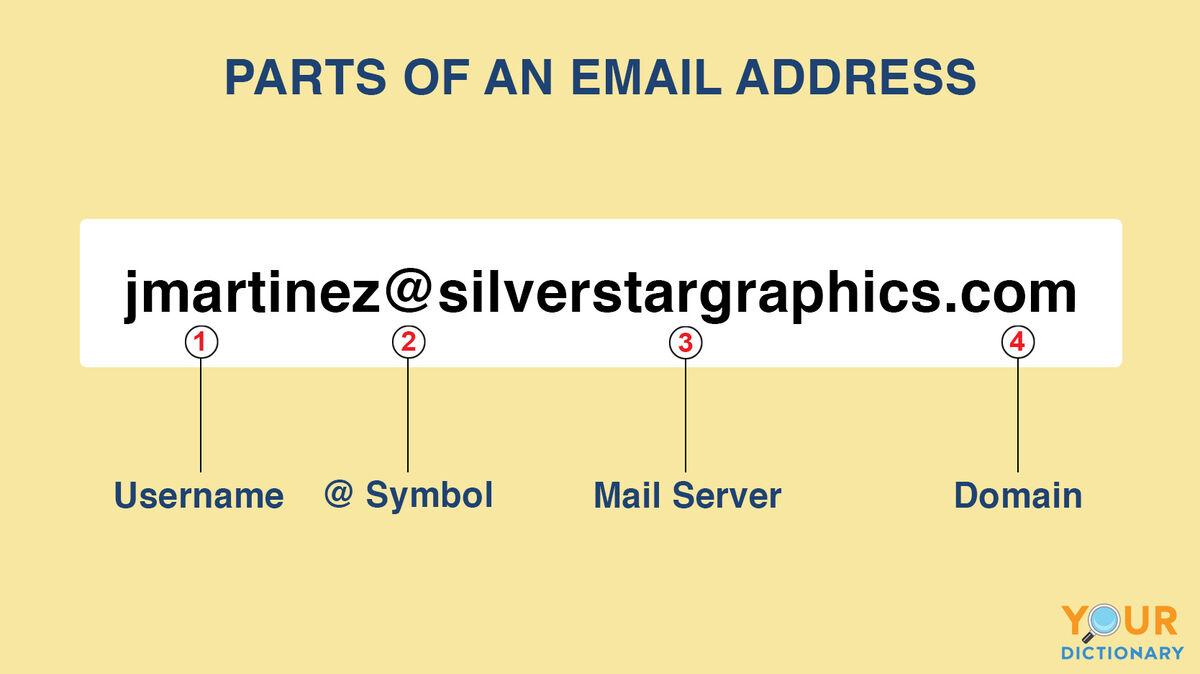
Every email address, regardless of its purpose or complexity, adheres to a strict structural pattern. This design ensures that emails are routed correctly across the global network of servers and reach their intended recipients without confusion. This article will deconstruct the email address, examining each component in detail, and explore why this knowledge is vital for navigating the interconnected world of technology, brand building, and financial prosperity.
Deconstructing the Email Address: The Fundamental Structure
At its core, every email address is composed of two primary sections, meticulously separated by a single, iconic symbol: the “@” (at) sign. This simple division is the foundational principle that allows mail servers worldwide to process and deliver billions of messages daily.
The Local Part (Username/Mailbox Name)
The section that appears before the “@” symbol is known as the local part, often referred to as the username or mailbox name. This component is specific to the mail server and identifies the exact mailbox or recipient within that server’s system. For example, in “john.doe@example.com,” “john.doe” is the local part.
The local part can vary significantly in its composition and often reflects the individual or role it represents. It might be a personal name (e.g., “jane.smith”), a nickname (“techguru”), a department (“sales”), or a function (“info”). While seemingly straightforward, the choice and construction of the local part carry substantial implications.
From a technology standpoint, the local part must be unique within its specific domain. No two users on the same mail server (e.g., “example.com”) can have identical local parts. This ensures that incoming emails are directed to the correct individual. Furthermore, allowed characters for the local part typically include letters (a-z, A-Z), numbers (0-9), and specific special characters such as periods (.), hyphens (-), and underscores (_). However, email providers often have their own specific rules regarding character usage, especially concerning leading or trailing special characters, or consecutive periods. For digital security, choosing a non-obvious local part can be a small but effective step against brute-force attacks, making it harder for malicious actors to guess valid email addresses.
Regarding personal and corporate branding, the local part is the first impression many people will have of your digital identity. For individuals, a professional local part (like “first.lastname” or “firstnameinitial.lastname”) projecting an image of credibility and seriousness is critical, especially when pursuing online income opportunities or networking professionally. Conversely, an unprofessional local part (e.g., “partyanimal69”) can detract from one’s personal brand and undermine trust. For businesses, standardized local parts (e.g., “firstname.lastname@company.com” for employees, or “support@company.com” for specific departments) reinforce corporate identity, enhance professionalism, and streamline internal and external communication, which can indirectly impact business finance through improved efficiency and client relations.
The “@” Symbol (The Separator)
Nestled between the local part and the domain part is the ubiquitous “@” symbol. This seemingly simple character holds immense historical significance and serves a singular, crucial function: to act as the primary separator. It clearly delineates “who” is receiving the email from “where” that recipient can be found on the internet.
The adoption of the “@” symbol for email addresses dates back to 1971, when Ray Tomlinson, a pioneering computer programmer, chose it because it already meant “at” in the context of location, and crucially, it was a character unlikely to appear in people’s names or usernames, thus avoiding ambiguity. Its ingenious use revolutionized digital communication, creating the standard format we rely on today. Without this distinct separator, the complex global system of email delivery would be impossible to navigate, as mail servers wouldn’t know which part of the address referred to the user and which referred to the server. Its simplicity belies its profound impact on global connectivity and productivity.
The Domain Part (Mail Server Address)
The section that follows the “@” symbol is the domain part. This segment identifies the mail server (and consequently, the organization or service provider) responsible for hosting the recipient’s mailbox. For instance, in “john.doe@example.com,” “example.com” is the domain part. It’s essentially the digital street address of the mail server.
The domain part is more than just a name; it’s a fully qualified domain name (FQDN) that points to a specific location on the internet through the Domain Name System (DNS). When an email is sent, the sender’s mail server uses the domain part to query DNS and find the corresponding Mail Exchange (MX) records, which direct it to the correct recipient mail server. This intricate technological process ensures that messages traverse the internet efficiently.
From a brand perspective, the domain part is arguably the most powerful element of an email address. A custom domain (e.g., using your company’s website domain) immediately conveys legitimacy, professionalism, and helps reinforce corporate identity. Compare “susan.jones@mycompany.com” with “susan.jones234@genericmail.com.” The former instantly establishes a connection to a specific brand, fostering trust and recognition. For personal branding, using a custom domain (e.g., “me@mywebsite.com”) elevates one’s digital presence, making it ideal for freelancers, consultants, or anyone building an online income stream, as it presents a more credible image to clients and collaborators.
Moreover, the domain part also plays a significant role in digital security. Recognizing the domain name is crucial for identifying phishing attempts. Scammers often use domains that look similar to legitimate ones (e.g., “amaz0n.com” instead of “amazon.com”) to trick users. Understanding the expected domain for communications from specific entities is a key defense mechanism.
Diving Deeper: Sub-components of the Domain Part
While “example.com” appears as a single unit, the domain part itself is often segmented into further components, each serving a specific purpose within the internet’s naming hierarchy.
Subdomain (Optional)
Occasionally, you might encounter an email address where the domain part includes an additional prefix, such as “info@mail.example.com.” In this case, “mail” is the subdomain. Subdomains are prefixes added to the main domain name, used to organize different sections of a website or to point to specific services or servers.
From a tech standpoint, subdomains are invaluable for server management and organizing network resources. A company might use “mail.example.com” for its email servers, “www.example.com” for its main website, and “blog.example.com” for its blog. While less frequently seen directly in email addresses (most simply use the main domain), their existence is part of the broader domain infrastructure that supports email services. For large organizations, managing email traffic might involve routing through specific subdomain-identified servers, enhancing productivity and service reliability.
Second-Level Domain (SLD)
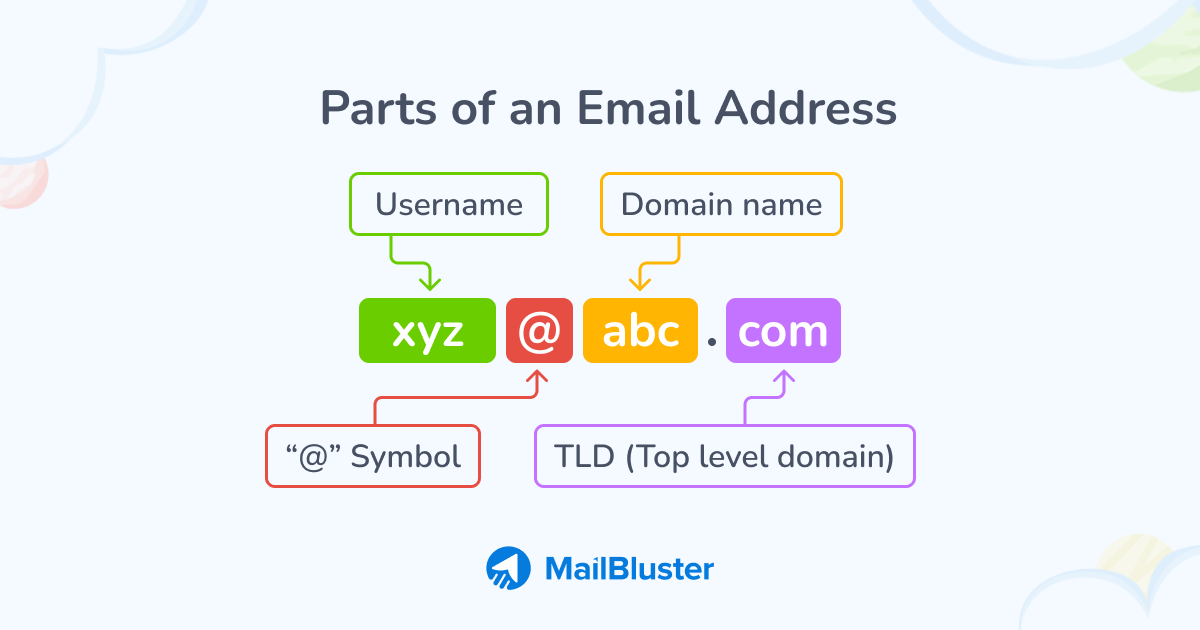
The second-level domain (SLD) is the unique, primary name you choose for your website or brand. In “example.com,” “example” is the SLD. This is the memorable part that typically represents your company name, personal brand, or the core identifier of your online presence.
The SLD is paramount for brand strategy and corporate identity. It’s the name people will associate with your emails, your website, and your overall digital footprint. Choosing a strong, memorable, and relevant SLD is critical for marketability and brand recognition. For businesses, securing a domain that matches their company name or a key product/service name is a foundational step in establishing an online presence. For individuals, an SLD that aligns with their personal branding or professional niche can be a powerful tool for building credibility and attracting opportunities for online income or side hustles.
From a money perspective, a desirable SLD can be a valuable asset. Premium domain names (short, keyword-rich, or highly brandable) can command significant prices, reflecting their marketing potential and inherent brand value. Domain registration fees, while often modest, are a recurring business finance expense that contributes to maintaining a professional digital identity.
Top-Level Domain (TLD)
The top-level domain (TLD) is the final segment of a domain name, positioned to the right of the last dot. Examples include “.com,” “.org,” “.net,” “.gov,” “.edu,” and country-specific TLDs like “.co.uk” or “.de.”
TLDs serve to categorize and provide additional context about the nature or geographic origin of the domain. They fall into several categories:
- Generic TLDs (gTLDs): Such as .com (commercial), .org (organization), .net (network), .info (information).
- Country Code TLDs (ccTLDs): Two-letter codes associated with countries, like .us (United States), .ca (Canada), .jp (Japan). These often signal a specific geographic target audience.
- New gTLDs: A relatively recent expansion of TLDs, offering more specific and descriptive options like .tech, .app, .blog, .store, .online, .money, .ai.
From a tech standpoint, TLDs are managed by organizations like ICANN (Internet Corporation for Assigned Names and Numbers), which oversees the internet’s naming system, ensuring global consistency and functionality. They are a fundamental part of the DNS hierarchy.
For brand strategy and marketing, the TLD choice can significantly influence perception and target audience. A “.com” TLD often conveys global reach and commercial intent, making it a common choice for businesses. A “.org” TLD immediately signals a non-profit or charitable organization. Using a ccTLD like “.co.uk” effectively targets a UK audience, which can be crucial for localized marketing efforts and building trust within that specific market. New gTLDs offer opportunities for creative branding and can immediately communicate the nature of a business or personal brand (e.g., “mybrand.tech” for a tech startup, or “myconsulting.online” for an online consultant). This choice impacts how a brand is perceived and can affect marketing reach and even search engine optimization, ultimately influencing business finance through customer acquisition costs and market penetration.
Why Understanding Email Address Anatomy Matters
A deep understanding of the parts of an email address goes beyond mere curiosity; it’s a vital skill for anyone operating in today’s digital world, impacting everything from personal security to professional growth.
Digital Security and Productivity
Knowledge of email address structure is a frontline defense against various cyber threats.
- Phishing Awareness: Many phishing attacks rely on creating email addresses that mimic legitimate ones but use subtle variations in the local part or, more commonly, the domain part (e.g., “support@microsoff.com” instead of “support@microsoft.com”). By carefully scrutinizing the domain, users can often spot fraudulent emails.
- Avoiding Spam: Understanding that email addresses are often harvested from public sources can encourage more judicious sharing of one’s primary professional email address.
- Email Client Configuration: Setting up new email accounts or troubleshooting issues often requires inputting specific domain or mail server information, directly relating to the domain part.
- Productivity through Filtering: Advanced email users can set up sophisticated filtering rules based on sender domains or specific keywords in the local part, automating email organization and reducing digital clutter, thereby boosting overall productivity.
- Digital Security Hygiene: Recognizing official sender domains for financial institutions or important services helps users practice better digital hygiene and protect their personal finance from fraud.
Personal and Corporate Branding
The email address is a powerful, yet often underestimated, tool for branding.
- Professionalism and Credibility: For individuals, especially those building a personal brand, engaging in side hustles, or seeking online income, using a custom domain for email (e.g., yourname@yourwebsite.com) immediately conveys professionalism and serious intent. It suggests that you have invested in your online presence, differentiating you from those using generic email services.
- Corporate Identity: For businesses, standardizing employee email addresses under a company domain (e.g., info@yourcompany.com, firstname.lastname@yourcompany.com) is fundamental to corporate identity. It projects a unified, professional image to clients, partners, and the public, reinforcing brand recognition with every communication.
- Consistency Across Platforms: A professional email address should ideally align with your website domain and other digital presences, creating a cohesive and trustworthy brand ecosystem. This consistency is crucial for building a strong online reputation.
Marketing and Business Implications
The anatomy of an email address has direct ramifications for marketing efforts and overall business finance.
- Email Marketing Deliverability: The domain reputation (part of the domain part) plays a critical role in whether emails land in an inbox or a spam folder. Mail servers analyze sender domains for legitimacy and history. A well-maintained, professional domain is crucial for the success of email marketing campaigns.
- Customer Trust and Acquisition: Businesses using their own domain for email communications inspire greater trust in potential customers. This trust can directly translate into higher conversion rates for sales and services, impacting the bottom line.
- Business Finance and ROI: Investing in a custom domain and professional email hosting is a minor business finance expense with a significant return on investment through enhanced brand image, improved customer confidence, and more effective marketing. For online income ventures, a professional email address can be the difference between securing a client or being overlooked.
- Data Analysis: Marketers can segment email lists based on sender domains, providing insights into audience demographics or industry affiliations, leading to more targeted and effective campaigns.
Best Practices for Email Address Management
Understanding the parts of an email address leads naturally to best practices for managing them, ensuring digital security, productivity, and strong branding.
For Individuals
- Choose a Professional Local Part: Opt for variations of your name (firstname.lastname, firstinitial.lastname) for professional communications. Avoid overly informal or obscure usernames.
- Consider a Custom Domain for Personal Branding: If you’re building a personal brand, freelancing, or engaged in online income activities, investing in your own domain name and corresponding email address (e.g., yourname@yourwebsite.com) is highly recommended.
- Maintain Separate Addresses: Use one professional email address, one for personal communications, and a “burner” or secondary email for signing up for newsletters, online accounts that might generate spam, or other less critical online interactions. This enhances productivity by reducing inbox clutter and improves security by compartmentalizing your digital life.
- Implement Strong Security: Always use strong, unique passwords for each email account. Enable two-factor authentication (2FA) wherever available – this is a critical layer of digital security that protects your identity and data.
For Businesses and Organizations
- Standardize Email Address Formats: Establish a clear, consistent format for employee email addresses (e.g., firstname.lastname@company.com, initiallastname@company.com). This reinforces corporate identity and professionalism.
- Utilize Role-Based Addresses: Create functional email addresses for departments or common inquiries (e.g., info@company.com, support@company.com, sales@company.com). This ensures continuity even if personnel change and streamlines customer service, impacting business finance through improved customer satisfaction and retention.
- Invest in Reliable Email Hosting: Choose a reputable email hosting service that offers robust security features, ample storage, and reliable uptime. This ensures consistent communication and protects sensitive business data.
- Implement Robust Security Measures: Beyond strong passwords and 2FA, businesses should employ advanced email security solutions, including spam filters, antivirus, and anti-phishing technologies. Regular employee training on digital security best practices is also crucial to prevent breaches and maintain data integrity.
- Manage Domain Reputation: Actively monitor your email sending reputation to ensure high deliverability rates for marketing and transactional emails. This impacts marketing effectiveness and the bottom line for any business relying on email communication.
Conclusion
The email address, a seemingly innocuous string of characters, is in fact a highly structured and sophisticated digital identifier. Its fundamental components—the local part, the “@” symbol, and the domain part (comprising subdomains, second-level domains, and top-level domains)—each play a distinct and vital role in the global communication network. Understanding this anatomy is not just a matter of technical curiosity; it’s a strategic imperative in today’s interconnected world.
From bolstering digital security and enhancing personal productivity to meticulously crafting a professional brand and optimizing business operations for financial gain, the implications of knowing the parts of an email address are far-reaching. It empowers individuals to navigate the digital landscape with greater awareness and confidence, while enabling businesses to project a unified, trustworthy corporate identity that resonates with clients and drives growth. As email continues to be a cornerstone of our digital lives, a deeper appreciation of its structure is an essential step towards mastering our presence in the ever-evolving digital age.
aViewFromTheCave is a participant in the Amazon Services LLC Associates Program, an affiliate advertising program designed to provide a means for sites to earn advertising fees by advertising and linking to Amazon.com. Amazon, the Amazon logo, AmazonSupply, and the AmazonSupply logo are trademarks of Amazon.com, Inc. or its affiliates. As an Amazon Associate we earn affiliate commissions from qualifying purchases.