
In the intricate ecosystem of modern commerce, the role of a company director is pivotal, acting as the linchpin that connects ownership, management, and strategic direction. While the term “director” might conjure images of filmmaking or artistic leadership, within the corporate world, it signifies a position of significant responsibility and authority. Understanding what a director is, their duties, and their legal standing is fundamental for anyone involved in business, from entrepreneurs to investors and even ambitious employees. This article will delve into the multifaceted nature of a company director, exploring their core functions, legal obligations, and the impact they have on a company’s financial health and strategic trajectory.

The Core Responsibilities and Duties of a Company Director
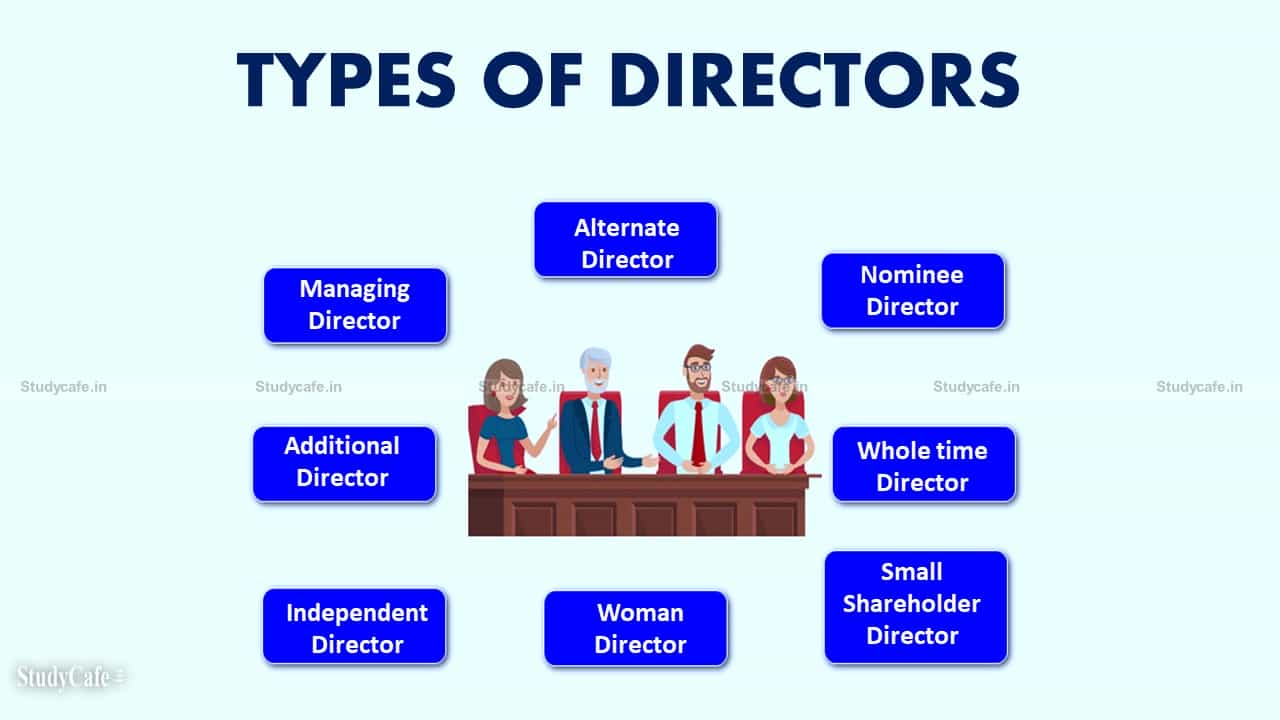
At its heart, a company director is an individual appointed to manage the business of a company. They are part of the board of directors, a governing body responsible for overseeing the company’s operations and ensuring its long-term success. Their responsibilities are broad and encompass a range of strategic, financial, and operational oversight.
Strategic Oversight and Vision Setting
One of the primary duties of a director is to contribute to the formulation and implementation of the company’s strategic vision. This involves understanding market trends, identifying growth opportunities, and setting ambitious yet achievable goals. Directors are expected to think long-term, considering the company’s competitive landscape, its resource allocation, and its overall direction. They often engage in rigorous debate and analysis to shape strategies that will drive sustainable value creation. This can involve decisions about market entry, product development, mergers and acquisitions, and the overall business model. The board, with its collective expertise, is tasked with providing the intellectual capital and guidance necessary to navigate complex business environments.
Financial Stewardship and Performance Monitoring
The financial health of a company is paramount, and directors bear a significant responsibility for its sound management. This involves reviewing and approving financial statements, budgets, and forecasts. They must ensure that the company operates within its financial means, monitors its profitability, and maintains adequate liquidity. Directors are not expected to be accountants, but they must possess a sufficient understanding of financial principles to ask pertinent questions, challenge assumptions, and make informed decisions about investments, financing, and dividend policies. They are also responsible for ensuring that the company complies with all relevant financial regulations and reporting requirements, safeguarding the interests of shareholders and other stakeholders.
Ensuring Compliance and Corporate Governance
Beyond financial matters, directors are entrusted with upholding the company’s legal and ethical standards. This is encompassed within the realm of corporate governance, which refers to the system of rules, practices, and processes by which a company is directed and controlled. Directors must ensure that the company adheres to all applicable laws and regulations, including those related to labor, environmental protection, and consumer safety. They are also responsible for establishing and maintaining robust internal controls to prevent fraud and mismanagement. Furthermore, ethical conduct is a cornerstone of good governance. Directors must act with integrity, transparency, and in the best interests of the company and its shareholders, avoiding conflicts of interest and making decisions that uphold the company’s reputation and social responsibility.
The Legal Framework Governing Directors
The role of a director is not merely advisory; it is legally defined and carries substantial liabilities. Understanding the legal framework that governs their actions is crucial for both directors themselves and for those interacting with them.
Fiduciary Duties: The Cornerstone of Director Liability
Central to a director’s legal standing are their fiduciary duties. These are the highest standards of care and loyalty that a director owes to the company and its shareholders. The two primary fiduciary duties are:
Duty of Care
The duty of care requires directors to act with the same level of diligence, prudence, and skill that a reasonably prudent person would exercise in similar circumstances. This means they must be informed about the company’s business, attend board meetings, engage in thoughtful deliberation, and make decisions based on adequate information. Ignorance or negligence in performing these duties can lead to personal liability. For example, failing to investigate a significant financial anomaly or approving a risky venture without due diligence could breach the duty of care.
Duty of Loyalty
The duty of loyalty mandates that directors must act in the best interests of the company, prioritizing its welfare above their own personal gain or the interests of any third party. This involves avoiding conflicts of interest, such as engaging in self-dealing or usurping corporate opportunities. If a director has a personal interest in a transaction, they must disclose it and often recuse themselves from the decision-making process. Breaches of the duty of loyalty can have severe legal and reputational consequences, including financial penalties and removal from office.
Statutory and Common Law Obligations
In addition to fiduciary duties, directors are subject to a range of statutory and common law obligations. These vary by jurisdiction but often include:
- Duty to act within powers: Directors must act in accordance with the company’s constitution and the law.
- Duty to promote the success of the company: This is a broad duty that requires directors to consider the long-term consequences of their decisions, the interests of employees, suppliers, customers, the community, and the environment.
- Duty to avoid conflicts of interest: As mentioned, directors must not put themselves in a position where their personal interests conflict with those of the company.
- Duty to exercise reasonable skill and care: This reiterates the duty of care, emphasizing the need for informed decision-making.
- Duty to disclose interests in proposed transactions: Directors must inform the board of any potential conflicts.
These obligations are enforced through various legal mechanisms, including shareholder lawsuits, regulatory actions, and even criminal prosecutions in cases of gross misconduct.
The Impact of Directors on Company Performance and Value
The effectiveness of a company’s board of directors directly influences its performance, its ability to attract investment, and its overall market valuation. A well-functioning board can be a significant asset, while a dysfunctional one can be a major liability.
Driving Innovation and Growth Strategies
In today’s rapidly evolving economic landscape, directors play a crucial role in fostering an environment that encourages innovation and strategic growth. This involves:
- Identifying and allocating resources for R&D: Directors must approve budgets for research and development and ensure that these investments are aligned with the company’s long-term vision.
- Supporting market expansion and diversification: They are responsible for approving strategies for entering new markets, developing new product lines, or diversifying into related industries.
- Encouraging a culture of adaptability: A forward-thinking board recognizes the need for agility and encourages the company to adapt to changing market dynamics and technological advancements. This might involve investing in new technologies, retraining the workforce, or restructuring the organization.
A proactive board will not only react to market changes but will actively seek to anticipate them, positioning the company for sustained competitive advantage.
Enhancing Investor Confidence and Access to Capital
Investors, whether they are individual shareholders, venture capitalists, or institutional funds, closely scrutinize the composition and performance of a company’s board. A strong, independent, and experienced board signals good governance and effective management, which in turn enhances investor confidence.
- Transparency and accountability: Directors are responsible for ensuring that the company provides clear and accurate financial reporting, building trust with potential and existing investors.
- Strategic clarity: A well-articulated and consistently pursued strategy provides investors with a clear understanding of the company’s direction and its potential for future returns.
- Risk management: Demonstrating robust risk management practices assures investors that potential threats are being identified and mitigated, protecting their investment.
A reputable board can significantly ease a company’s path to raising capital, whether through public offerings, debt financing, or private equity investments, as investors are more likely to entrust their funds to companies with strong leadership and governance.

Mitigating Risks and Ensuring Long-Term Sustainability
The role of directors extends beyond pursuing growth to actively managing risks and ensuring the company’s long-term viability. This involves a proactive approach to identifying potential threats and implementing measures to safeguard the company’s assets and reputation.
- Establishing robust internal controls: Directors are responsible for overseeing the implementation of systems that prevent fraud, errors, and operational inefficiencies.
- Developing crisis management plans: Preparing for unforeseen events, such as economic downturns, natural disasters, or major cyberattacks, is a critical responsibility.
- Promoting ethical behavior and corporate social responsibility: A commitment to ethical practices and environmental sustainability not only fulfills legal and moral obligations but also enhances brand reputation and long-term stakeholder value, contributing to the company’s overall resilience.
By diligently fulfilling these responsibilities, directors contribute to the enduring success and stability of the companies they serve, building value not just for shareholders, but for all stakeholders.
aViewFromTheCave is a participant in the Amazon Services LLC Associates Program, an affiliate advertising program designed to provide a means for sites to earn advertising fees by advertising and linking to Amazon.com. Amazon, the Amazon logo, AmazonSupply, and the AmazonSupply logo are trademarks of Amazon.com, Inc. or its affiliates. As an Amazon Associate we earn affiliate commissions from qualifying purchases.