
Basements, often overlooked as mere storage spaces, can harbor significant threats to both the structural integrity of a home and the health of its occupants. Controlling humidity is paramount, and understanding the ideal humidity level for your basement is the first step in mitigating potential problems. While the ideal range might seem narrowly defined, its implications stretch across various aspects of home maintenance, energy efficiency, and even the longevity of your stored belongings. This article delves into the optimal humidity levels for basements and the technological solutions that can help you achieve and maintain them, focusing on the intersection of home environment and smart technology.
Understanding the Ideal Basement Humidity Range
The battle against excessive moisture in a basement is a constant one, yet achievable with the right knowledge and tools. Achieving a balance is key, as both too much and too little humidity can be detrimental.
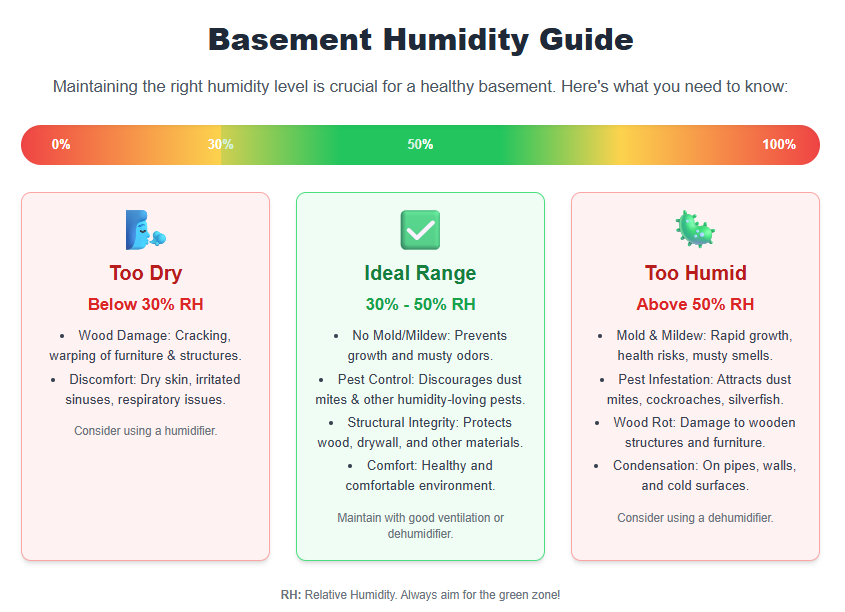
The Sweet Spot: 30% to 50% Relative Humidity
For most homes, the generally accepted ideal relative humidity (RH) range for a basement is between 30% and 50%. Within this range, you minimize the risks associated with both high and low humidity.
-
Why 30%-50%? This range is considered optimal because it discourages the growth of mold and mildew, which thrive in environments with RH above 60%. It also prevents wood from drying out and becoming brittle, which can lead to structural damage over time. For stored items, this range helps preserve materials like paper, photographs, and textiles, preventing them from becoming too dry and fragile or too damp and prone to decay.
-
Factors Influencing Ideal Levels: While 30%-50% is a good guideline, a few factors can slightly shift this ideal. For example, if you are storing sensitive electronic equipment or valuable art, you might aim for the lower end of the range (30%-40%). Conversely, if your basement is a finished living space, you might tolerate a slightly higher range, perhaps up to 55%, to enhance comfort. However, it’s crucial to remember that consistently exceeding 60% RH poses a significant risk regardless of usage.
The Dangers of High Humidity (Above 60%)
When basement humidity levels creep above 60%, a cascade of negative effects can begin to manifest, impacting your home and your health.
-
Mold and Mildew Proliferation: This is the most immediate and visible threat. Mold and mildew spores are ubiquitous, but they require moisture to germinate and grow. High humidity provides the perfect breeding ground, leading to unsightly stains, musty odors, and potential respiratory issues for inhabitants. The porous nature of building materials in basements, such as concrete, wood, and drywall, makes them susceptible to fungal growth.
-
Structural Damage: Prolonged exposure to high humidity can wreak havoc on your home’s structure. Wood can rot, metal can rust, and concrete can degrade. This can weaken foundations, damage support beams, and lead to costly repairs. The constant presence of moisture can also compromise insulation, reducing its effectiveness and increasing energy bills.
-
Pest Infestations: Many common household pests, such as silverfish, cockroaches, and dust mites, are attracted to damp environments. High humidity can create an inviting habitat for these unwelcome guests, further exacerbating the unsanitary conditions in your basement.
-
Damage to Belongings: Stored items are not immune to the effects of excessive moisture. Books can develop mold, photographs can fade and stick together, clothing can mildew, and electronics can corrode. This can lead to the irreversible loss of valuable or sentimental possessions.
The Risks of Low Humidity (Below 30%)
While less common in many geographical locations, extremely low humidity in a basement can also present challenges.
-
Drying and Cracking of Materials: Very dry air can cause wooden furniture, flooring, and structural elements to lose moisture, leading to shrinkage, cracking, and warping. This can be particularly problematic for antique wooden items or those made from sensitive woods.
-
Static Electricity: Low humidity levels increase the prevalence of static electricity, which can be a nuisance and a potential hazard for sensitive electronic equipment.
-
Discomfort: While less of a concern for unfinished basements, if your basement is a finished living space, excessively dry air can lead to dry skin, irritated sinuses, and discomfort for occupants.
Technological Solutions for Humidity Control
Fortunately, modern technology offers a sophisticated suite of tools to monitor and manage basement humidity, ensuring your home remains within the optimal range. These solutions range from simple, standalone devices to integrated smart home systems, providing options for every budget and technical proficiency.

Smart Dehumidifiers: The Cornerstones of Moisture Management
Dehumidifiers are the primary technological defense against high basement humidity. Modern “smart” dehumidifiers offer enhanced control, efficiency, and connectivity.
-
How Dehumidifiers Work: Dehumidifiers operate by drawing in moist air, cooling it to condense the water vapor, and then releasing drier air back into the space. The collected water is stored in a tank or can be continuously drained via a hose.
-
Smart Features and Benefits:
- Wi-Fi Connectivity and App Control: Many smart dehumidifiers connect to your home Wi-Fi network, allowing you to monitor and control their operation via a smartphone app. You can adjust humidity setpoints, schedule operation, receive alerts for full water tanks or filter changes, and even track historical humidity data from anywhere.
- Built-in Humidistats and Auto Shut-off: Integrated humidistats automatically sense the current humidity level and adjust the dehumidifier’s operation to maintain your desired setpoint. Auto shut-off features prevent over-drying and conserve energy when the target humidity is reached or the water tank is full.
- Energy Efficiency: Look for Energy Star certified models, which are designed to operate more efficiently, saving you money on electricity bills. Smart features can further enhance efficiency by only running the unit when necessary.
- Multiple Fan Speeds and Modes: Advanced models offer various fan speeds and specialized modes, such as a “continuous drain” mode for effortless water removal or a “laundry” mode to speed up drying clothes.
- Air Filtration: Some smart dehumidifiers include integrated air filters that can capture dust, allergens, and other airborne particles, improving the overall air quality in your basement.
-
Choosing the Right Dehumidifier: Consider the size of your basement when selecting a dehumidifier. Manufacturers provide capacity ratings (e.g., pints of water removed per day) based on square footage. For larger basements or those with particularly high humidity, a more powerful unit may be necessary.
Smart Humidity Sensors and Monitoring Systems
While smart dehumidifiers are proactive, smart humidity sensors provide the crucial data needed for informed decision-making and proactive intervention.
-
Standalone Smart Hygrometers: These compact devices measure and display the current relative humidity and often temperature. Many connect via Wi-Fi or Bluetooth, sending data to a smartphone app. This allows you to:
- Track Trends: Observe how humidity levels fluctuate throughout the day, week, or season. This can help identify patterns and pinpoint potential sources of moisture ingress.
- Receive Alerts: Set custom alert thresholds. If the humidity rises above a certain percentage, you’ll receive a notification on your phone, prompting you to check your dehumidifier or investigate the cause.
- Cross-Reference Data: Compare readings from different areas of your basement or even different floors of your home to get a comprehensive picture of your indoor climate.
-
Integrated Smart Home Systems: For a more holistic approach, humidity sensors can be integrated into broader smart home ecosystems (e.g., Apple HomeKit, Google Home, Amazon Alexa). This allows for:
- Automated Responses: You can create “routines” or “scenes” where a high humidity reading from a sensor automatically triggers your smart dehumidifier to turn on or increase its fan speed.
- Centralized Monitoring: View humidity data alongside other environmental metrics like temperature, air quality, and energy usage within a single smart home app.
- Advanced Automation: Combine sensor data with other triggers. For example, a sensor detecting high humidity could also trigger an alert to check for leaks after heavy rain.
Integrating Technology for Optimal Basement Health
The true power of technology lies in its ability to work in concert, creating an intelligent system that actively protects your basement from the perils of excessive moisture. This goes beyond simply owning a smart device; it involves strategic deployment and thoughtful integration.
Strategic Placement of Sensors and Dehumidifiers
Where you place your humidity monitoring devices and dehumidifiers significantly impacts their effectiveness.
-
Humidity Sensors: Place sensors in areas where moisture is most likely to accumulate or where you store sensitive items. Common locations include:
- Near potential water sources: Sinks, washing machines, water heaters, sump pumps, or areas prone to pipe leaks.
- In corners or low-lying areas: These are often the coolest spots where condensation can form.
- Near stored items: If you store valuable books, electronics, or artwork, place a sensor nearby to monitor the microclimate.
- Away from direct airflow: Avoid placing sensors directly in the path of dehumidifier output or ventilation to get a true ambient reading.
-
Dehumidifiers: Position your dehumidifier to maximize its effectiveness and minimize its disruption.
- Central Location: For most basements, a central location allows for the best air circulation and overall moisture removal.
- Near a Drain: If you have a floor drain or an accessible window, using a continuous drain hose eliminates the need to empty the water tank, allowing for uninterrupted operation.
- Adequate Airflow: Ensure the dehumidifier has unobstructed airflow around it. Do not place it directly against walls or furniture.
- Consider Multiple Units: For very large or irregularly shaped basements, or basements with distinct humidity zones, two smaller dehumidifiers strategically placed might be more effective than one large unit.
Leveraging Data for Proactive Maintenance and Energy Savings
The data collected by your smart humidity sensors and dehumidifier apps is invaluable for long-term home health and efficiency.
- Identifying Moisture Sources: Consistently high humidity readings in specific areas, even after running the dehumidifier, can indicate underlying issues like foundation cracks, poor drainage, or leaks in plumbing or appliances. The data provides clues for further investigation and targeted repairs.
- Optimizing Dehumidifier Settings: By observing humidity trends, you can fine-tune your dehumidifier’s setpoints and schedules. You might discover that certain times of the year require more aggressive dehumidification, or that you can reduce operation during drier periods to save energy.
- Preventative Maintenance: Smart devices often alert you to maintenance needs, such as filter cleaning or replacement. Keeping your dehumidifier running efficiently ensures optimal performance and prevents costly breakdowns.
- Energy Efficiency Strategies: Smart home integration allows for intelligent energy management. For instance, you can program your dehumidifier to run during off-peak electricity hours or to automatically shut off when no one is present in the basement for extended periods, further reducing energy consumption. By maintaining an optimal humidity level, you also improve the efficiency of your HVAC system, as it won’t have to work as hard to manage moisture.

Conclusion: A Smart Approach to a Healthy Basement
Maintaining an optimal humidity level in your basement, typically between 30% and 50% RH, is not merely an aesthetic concern; it’s a critical aspect of preserving your home’s structural integrity, protecting your belongings, and ensuring a healthy living environment. The technological advancements in smart dehumidifiers and humidity sensors have transformed basement moisture management from a reactive chore into a proactive, data-driven strategy.
By understanding the ideal humidity range, recognizing the risks of deviations, and strategically deploying smart technologies, homeowners can gain unparalleled control over their basement’s climate. These interconnected devices offer not only convenience through remote monitoring and control but also the intelligence to automate responses and optimize energy usage. Investing in a smart humidity control system for your basement is an investment in the longevity of your home, the preservation of your possessions, and the well-being of your household. It’s a smart approach to ensuring that your basement remains a functional, healthy, and secure part of your home, free from the insidious threats of excess moisture.
aViewFromTheCave is a participant in the Amazon Services LLC Associates Program, an affiliate advertising program designed to provide a means for sites to earn advertising fees by advertising and linking to Amazon.com. Amazon, the Amazon logo, AmazonSupply, and the AmazonSupply logo are trademarks of Amazon.com, Inc. or its affiliates. As an Amazon Associate we earn affiliate commissions from qualifying purchases.