
The question “What does raw fish taste like?” is deceptively simple, yet it opens a complex sensory landscape often misunderstood by those accustomed to cooked seafood. While culinary experiences are inherently subjective, a comprehensive understanding of raw fish flavor profiles, textures, and the subtle nuances that differentiate various species can transform an outsider’s curiosity into an informed appreciation. This exploration delves into the core of what makes raw fish a delicacy, focusing on its inherent taste, the impact of freshness, and the textural elements that contribute to its unique appeal, all viewed through a lens that acknowledges the role of technology in its accessibility and appreciation.
The Essence of Raw Fish Flavor: Beyond “Fishy”
The term “fishy” often carries a negative connotation, implying an unpleasant, overly strong, or even rancid odor and taste. However, this is a mischaracterization when applied to fresh, high-quality raw fish. The true taste of raw fish is far more nuanced and can range from delicate and subtly sweet to rich and savory, with distinct oceanic notes that are far from offensive.
Oceanic Umami: The Salty Kiss of the Sea
One of the most prominent taste components in raw fish is a subtle salinity, reminiscent of seawater. This is not an artificial saltiness, but rather an inherent characteristic derived from the fish’s environment. This oceanic brine provides a clean, refreshing base note that awakens the palate. It’s a flavor that speaks of its origin, offering a direct connection to the marine ecosystem.
The Role of Minerals and Amino Acids
The salinity and underlying savory notes are largely attributed to the mineral content of the fish and the presence of amino acids, particularly glutamate. Glutamate is the primary driver of umami, the “fifth taste,” which is often described as savory, brothy, or meaty. In raw fish, this umami is less pronounced than in cooked meats but forms a crucial foundation for the overall flavor experience. Different species will have varying concentrations of these compounds, leading to subtly different umami profiles. For instance, fatty fish tend to express a richer, more rounded umami due to their lipid content.
Subtle Sweetness and Delicate Flavors
Beyond the salinity and umami, many raw fish species possess a delicate sweetness. This is often most apparent in leaner white fish, where the flavor is so mild it can be easily masked by overpowering accompaniments. This sweetness is not sugary but rather a clean, natural sweetness that complements the other flavor components. Think of the almost imperceptible sweetness found in a perfectly ripe honeydew melon; it’s that kind of subtle, inherent sweetness.
Species-Specific Taste Profiles
The perceived taste of raw fish is heavily dependent on the species. For example:
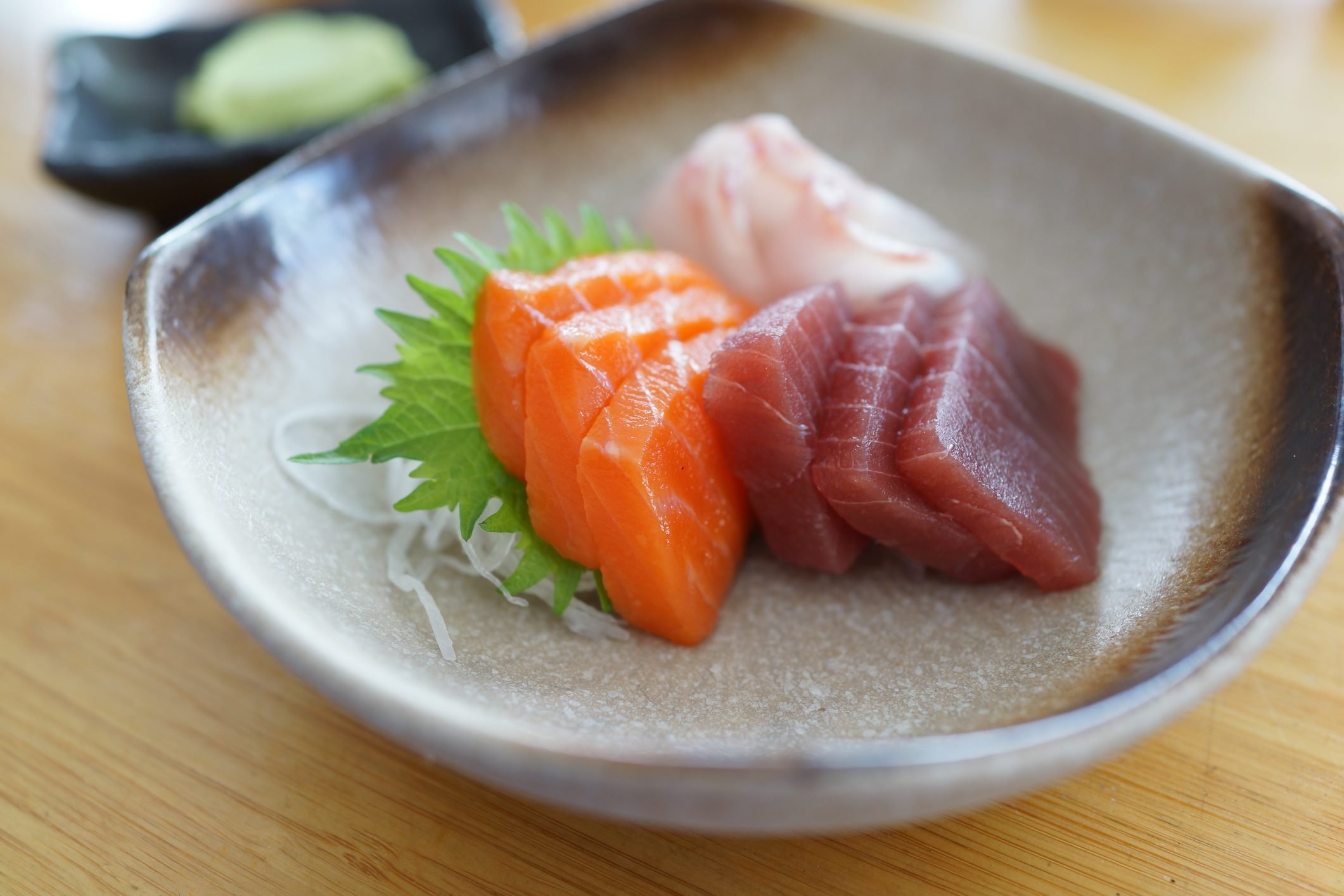
- Tuna: Often lauded for its rich, meaty flavor, especially in varieties like bluefin. The taste can range from mildly sweet and buttery in the belly (toro) to more intensely savory and slightly iron-like in leaner cuts.
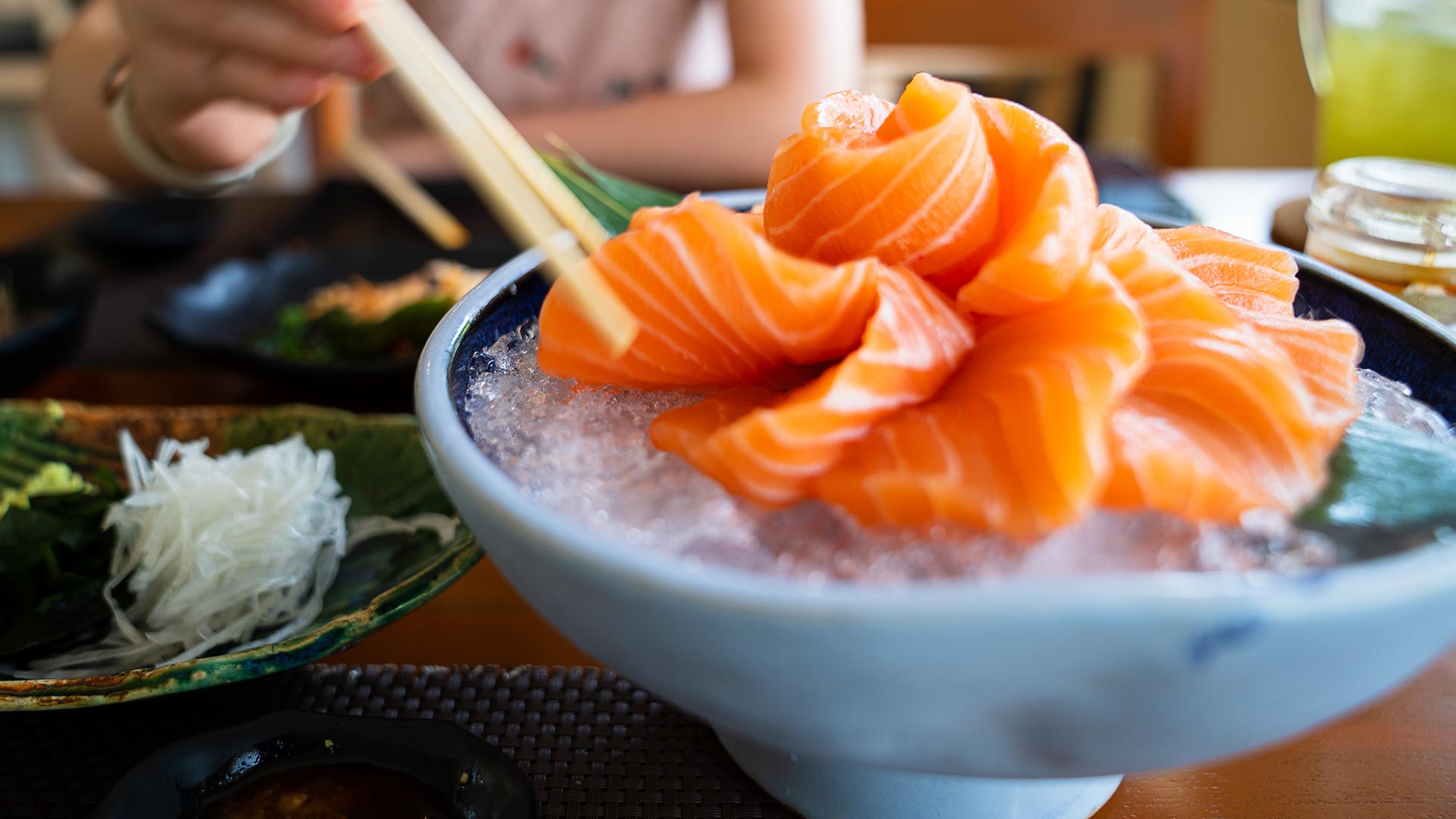
- Salmon: Known for its characteristic rich, oily flavor and vibrant orange hue. It offers a balance of savory notes with a distinct, almost fruity sweetness, particularly in high-quality cuts.
- Hamachi (Yellowtail): Characterized by its buttery texture and clean, slightly sweet flavor with a hint of nuttiness.
- Sea Bass/Sea Bream: Typically offer a very mild, clean, and subtly sweet taste, making them excellent canvases for delicate seasonings.
- Mackerel: Can have a stronger, more pronounced flavor, often described as rich and oily with a distinct brininess.
Understanding these species-specific nuances is key to appreciating the diversity of raw fish flavors. The technology of aquaculture and globalized supply chains, facilitated by sophisticated logistics and cold chain management, allows consumers access to a wider array of these diverse flavors than ever before.
Texture: The Unsung Hero of Raw Fish Enjoyment
While taste is paramount, the texture of raw fish plays an equally vital role in its sensory appeal. The mouthfeel of raw fish is a critical differentiator from its cooked counterpart and contributes significantly to the overall experience.
The Crucial Element of Freshness and Rigor Mortis
The texture of raw fish is intrinsically linked to its freshness and the biological processes immediately following its death. When fish is at its freshest, its flesh is firm, slightly elastic, and holds its shape. This firmness is due to the state of its muscle proteins. As rigor mortis sets in, the muscles become stiff. However, for raw consumption, the ideal state is often just after the peak of rigor mortis has passed, when enzymes begin to break down proteins, leading to a tenderization that enhances palatability without compromising the desirable firmness.
Understanding Firmness, Flakiness, and Buttery Smoothness
The spectrum of raw fish textures includes:
- Firm and Slightly Chewy: Some fish, like certain cuts of tuna or mackerel, will have a pleasant chewiness that requires a bit of mastication, releasing their flavors more gradually.
- Buttery and Melts-in-Your-Mouth: Fatty fish, such as high-grade salmon or toro, possess an incredibly smooth, almost creamy texture that dissolves on the tongue. This is due to the high proportion of healthy fats.
- Delicately Tender: Leaner white fish often have a more yielding texture, offering a subtle resistance before yielding easily.

The application of advanced chilling technologies and rapid freezing techniques (like flash freezing) are critical in preserving this ideal texture during transport and storage. These technologies, often invisible to the consumer, ensure that the raw fish arriving at a restaurant or market retains the optimal textural integrity.
The Impact of Slicing and Preparation Techniques
The way raw fish is prepared significantly influences its textural perception. The precise slicing of sashimi and nigiri, often performed by highly skilled chefs, is not merely aesthetic but functional. Different cuts can expose different grain structures, affecting how the fish feels in the mouth. For instance, slicing against the grain can result in a more tender bite, while a diagonal cut might offer a different mouthfeel.
The Role of Precision Cutting and Knife Skills
The sharpness of the knife and the angle of the cut are paramount. A dull knife can tear the delicate flesh, resulting in an unappealing, mushy texture. Conversely, a sharp blade glides through the fish, preserving its integrity and delivering clean edges that contribute to a superior textural experience. This meticulous attention to detail, often honed through years of practice, is a testament to the artistry involved in preparing raw fish.
The Technological Evolution of Raw Fish Appreciation
While the inherent taste and texture of raw fish have been appreciated for centuries in various cultures, modern technology has profoundly impacted its accessibility, safety, and the sophistication of its consumption.
From Local Catch to Global Delicacy: The Cold Chain Revolution
Historically, the consumption of raw fish was largely confined to coastal communities with immediate access to freshly caught seafood. The advent of refrigeration, and more critically, the sophisticated cold chain management systems we have today, have revolutionized this. This involves a continuous, unbroken chain of temperature-controlled environments from the point of catch through processing, transportation, and storage to the point of sale.
Advanced Refrigeration and Freezing Technologies
Modern refrigeration techniques, including controlled atmosphere storage and advanced blast freezing, allow for the preservation of fish quality at unprecedented levels. Flash freezing, for example, rapidly lowers the temperature of the fish, minimizing the formation of large ice crystals that can damage cell structure and negatively impact texture. This technology ensures that fish caught in distant waters can be enjoyed raw in landlocked cities with minimal compromise to its sensory attributes.
Ensuring Safety: The Role of HACCP and Traceability
The safety of consuming raw fish is paramount, and technology plays a crucial role in mitigating risks associated with parasites and bacterial contamination. The implementation of Hazard Analysis and Critical Control Points (HACCP) systems in processing facilities, coupled with advanced traceability technologies, provides consumers with greater confidence.
Digital Traceability and Food Safety Protocols
From electronic tags on individual fish to sophisticated database systems that track a product’s journey from ocean to plate, digital traceability offers unparalleled transparency. This allows for rapid identification and recall of any potentially compromised product, bolstering consumer trust. Furthermore, advancements in diagnostic tools and rapid testing kits for pathogens contribute to a safer raw fish supply chain.
Enhancing the Experience: Culinary Technology and Information Access
Technology also enhances the educational and experiential aspects of raw fish consumption. Online resources, sophisticated culinary apps, and digital platforms provide consumers with detailed information about different fish species, their flavor profiles, ideal preparations, and the provenance of their food.
The Democratization of Culinary Knowledge
This democratization of knowledge empowers consumers to make informed choices, understand what they are tasting and experiencing, and even replicate some preparation techniques at home. The proliferation of online recipes, instructional videos, and virtual tasting sessions allows for a deeper engagement with the world of raw fish, moving beyond simple curiosity to genuine appreciation, driven by informed understanding rather than mere anecdote.
Conclusion: A Symphony of Sensation, Elevated by Innovation
The taste of raw fish is a complex interplay of subtle salinity, delicate sweetness, and rich umami, profoundly influenced by the species and its inherent qualities. Coupled with a spectrum of textures, from firm and yielding to buttery and smooth, it offers a unique and sophisticated culinary experience. While the essence of this experience is rooted in nature, its widespread availability, safety, and the refined appreciation we hold today are inextricably linked to technological advancements. From the cold chain that preserves freshness to the digital traceability that ensures safety, and the accessible information that educates our palates, technology has not only brought raw fish to our tables but has also deepened our understanding and enjoyment of its exquisite, nuanced flavors and textures. The next time you encounter raw fish, consider not just the taste on your tongue, but the invisible technological symphony that made it possible.
aViewFromTheCave is a participant in the Amazon Services LLC Associates Program, an affiliate advertising program designed to provide a means for sites to earn advertising fees by advertising and linking to Amazon.com. Amazon, the Amazon logo, AmazonSupply, and the AmazonSupply logo are trademarks of Amazon.com, Inc. or its affiliates. As an Amazon Associate we earn affiliate commissions from qualifying purchases.