
In the rapidly evolving landscape of professional sports, technology plays an increasingly integral role, not just in how games are played and analyzed, but also in the very roles that define a team’s success. For those unfamiliar with the intricacies of basketball terminology, the acronym “PG” is ubiquitous. While it might seem like a simple shorthand, understanding the “PG” in basketball offers a fascinating lens through which to examine the technological advancements that have shaped player development, game strategy, and the very definition of a star athlete. This article will explore what “PG” signifies in basketball, focusing exclusively on the technological underpinnings and implications of this pivotal position.
The Genesis of the PG: From Traditional Playmaker to Tech-Savvy Orchestrator
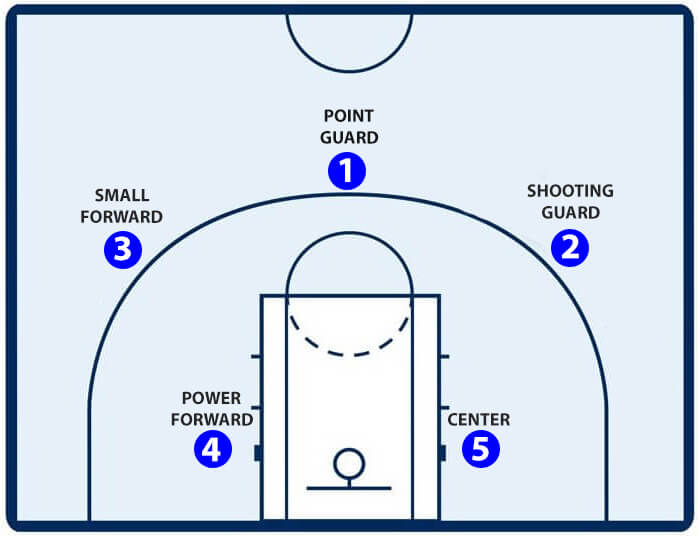
The traditional understanding of a Point Guard (PG) revolves around their role as the primary ball-handler, playmaker, and floor general. They are the coaches on the court, dictating offensive sets and distributing the ball to create scoring opportunities. However, the modern PG’s effectiveness is now inextricably linked to the sophisticated technological tools and data analytics that have permeated every level of the sport.
Pre-Digital Era PGs: Intuition and Raw Talent
Before the widespread adoption of advanced analytics and player-tracking technology, the PG’s impact was largely measured through statistics like assists, steals, and points. Their game was built on raw talent, court vision, and an intuitive understanding of their teammates’ strengths and weaknesses. Legendary PGs of the past, such as Magic Johnson and John Stockton, relied on their inherent basketball IQ and honed skills, often amplified by rudimentary coaching strategies and film study. The “technology” of their era was largely limited to the basketball itself, the court, and perhaps basic video recording for scouting. Their decision-making was immediate and instinctual, often lacking the granular data points that inform today’s players and coaches.
The Technological Infusion: Data-Driven Decision Making
The advent of player-tracking systems, such as Hawk-Eye and SportVU, marked a paradigm shift. These systems utilize multiple cameras strategically placed around the arena to capture the precise movements of every player and the ball. This data is then processed to generate a wealth of information, including:
- Player Speed and Acceleration: Quantifying how quickly a PG can get to a spot, drive to the basket, or recover defensively. This allows for targeted training regimens to improve speed and agility.
- Passing Tendencies and Accuracy: Detailed breakdowns of where a PG passes from, to whom, and with what success rate. This informs offensive play design and helps identify passing lanes to exploit or defend.
- Offensive and Defensive Efficiency Metrics: Sophisticated algorithms can now assess a PG’s impact on the team’s scoring and defensive performance on a per-possession basis. This moves beyond traditional box scores to provide a more holistic view of their contributions.
- Shot Selection Analysis: Understanding the types of shots a PG takes, their efficiency from different areas of the court, and the situations in which they are most successful. This can lead to coaching adjustments aimed at optimizing shot selection and maximizing scoring potential.
- Defensive Positioning and Effectiveness: Analyzing how well a PG covers their assignment, their ability to close out on shooters, and their impact on disrupting opponent plays.
These technologies empower PGs to not only understand their own game at a microscopic level but also to better comprehend the tendencies and weaknesses of their opponents. This data-driven approach transforms the PG from a purely intuitive player into a strategic operator, armed with actionable insights to maximize their impact.
The Modern PG: A Tech-Augmented Athlete
The contemporary Point Guard is a product of this technological revolution. Their role has expanded beyond traditional playmaking to encompass a more sophisticated understanding of game flow, opponent tendencies, and their own performance metrics.
Wearable Technology and Biometric Data
Beyond court-based tracking, wearable technology has become indispensable for PGs. Devices like smartwatches and specialized sensors embedded in apparel collect real-time biometric data, including:
- Heart Rate and Recovery: Monitoring exertion levels during games and practices helps optimize training loads, prevent overtraining, and ensure optimal recovery between sessions and games.
- Sleep Patterns: Understanding sleep quality and duration is crucial for performance. PGs use apps and devices to track their sleep, allowing them to make adjustments to improve rest and readiness.
- Movement Analysis (Beyond the Court): Wearables can track off-court activities, providing a comprehensive view of a PG’s physical condition. This includes tracking steps, activity levels, and even the biomechanics of their movements to identify potential injury risks.
- Nutrition and Hydration Tracking: While not strictly wearable, the proliferation of apps and smart devices that aid in tracking dietary intake and hydration levels are critical for a PG’s overall well-being and performance. Maintaining optimal nutrition and hydration is a scientifically informed approach to sustaining peak physical condition.
This influx of biometric data allows PGs and their coaching staffs to personalize training programs with unprecedented precision. It moves away from a one-size-fits-all approach to one that is tailored to the individual athlete’s physiological responses.
Advanced Scouting and Analytics Platforms
The days of simply watching game film are long gone. Modern PGs and their teams leverage sophisticated analytics platforms that process vast amounts of data to identify opponent weaknesses and develop optimal strategies. These platforms offer:
- Predictive Analytics: Algorithms analyze historical data to predict opponent play calls, defensive schemes, and player tendencies in specific game situations. This allows PGs to anticipate plays and make proactive decisions.
- Matchup Analysis: Identifying favorable and unfavorable matchups between the PG and opposing defenders. This information guides offensive strategies, such as targeting specific players or exploiting defensive vulnerabilities.
- Zone Defense Breakdown: Detailed analysis of how a PG performs against different types of zone defenses, identifying effective entry passes, passing lanes, and areas to attack.
- Transition Offense and Defense Metrics: Quantifying the PG’s impact on the team’s success in fast-break situations, both offensively and defensively. This includes analyzing their decision-making on pushing the pace or pulling back.
- Shot Quality Metrics: Beyond just making or missing shots, analytics platforms evaluate the quality of shots taken by a PG, considering factors like the defender’s proximity, the shot location, and the time on the shot clock. This helps refine offensive strategy to generate higher-percentage scoring opportunities.
For the PG, this means approaching the game with a deeper strategic understanding, less reliant on pure instinct and more informed by quantifiable probabilities and tactical advantages. They are essentially operating with a real-time tactical overlay, augmented by data.

The Impact of Technology on the PG’s Skillset and Evolution
The technological advancements discussed have not only changed how PGs are evaluated but have also directly influenced the development and refinement of their skillsets.
Enhanced Shooting Mechanics and Accuracy
While shooting has always been a core skill for a PG, technology has revolutionized its development. High-speed cameras and motion-capture technology allow for granular analysis of a PG’s shooting form. This data is used to:
- Identify Inefficiencies: Pinpoint subtle flaws in a player’s release, follow-through, or balance that may be hindering their accuracy.
- Optimize Biomechanics: Coaches can then work with PGs to adjust their mechanics for greater consistency and power, leveraging principles of physics and biomechanics.
- Personalized Drills: Technology can even inform the design of personalized shooting drills that target specific areas of weakness or strengths, maximizing practice time and effectiveness. For example, using shooting machines that vary the arc and speed of the ball to simulate game conditions.
This data-driven approach to shooting development ensures that PGs are not just practicing, but practicing with purpose and scientific backing.
Improved Court Vision and Decision-Making Under Pressure
The concept of “court vision” has always been somewhat abstract, relying on a player’s ability to see and process the game. Technology has begun to quantify and enhance this. By analyzing vast datasets of passing decisions, successful drives, and defensive reads, PGs can:
- Understand Optimal Passing Windows: Data can reveal the most effective passing angles and timings for different offensive sets, allowing PGs to anticipate opportunities before they fully materialize.
- Predict Defensive Rotations: Sophisticated analytics can predict how defenses will react to certain offensive actions, allowing PGs to make quicker and more informed decisions about where to pass or drive.
- Develop Decision Trees: Through simulations and data analysis, PGs can build internal “decision trees” that guide their actions in various game scenarios, making them more effective under pressure. This is akin to a pilot using a flight simulator, but for basketball.
- Virtual Reality Training: Emerging VR technologies are being used to create immersive training environments that simulate game pressure and decision-making scenarios. PGs can practice making split-second decisions in a controlled, yet realistic, virtual space, further refining their court vision and decision-making processes.
This technological augmentation of court vision and decision-making allows PGs to operate at a higher level of efficiency and effectiveness, making them true architects of their team’s offensive success.
Defensive Impact and On-Ball Pressure
While PGs are primarily known for their offensive contributions, technology has also highlighted and improved their defensive capabilities. Player-tracking data allows for detailed analysis of:
- On-Ball Pressure Metrics: Quantifying how effectively a PG applies pressure to the opposing ball-handler, forcing turnovers or disrupting offensive flow.
- Defensive Rotations and Help-Side Defense: Analyzing a PG’s ability to read screens, rotate to cover open players, and provide effective help defense.
- Defensive Impact on Opponent Efficiency: Assessing how much a PG’s presence on the court impacts the offensive efficiency of their direct assignment and the opposing team as a whole.
- Tendency Analysis of Opposing PGs: By analyzing the data of opposing PGs, a defensive PG can better anticipate their drives, passes, and shooting tendencies, allowing for more effective counter-strategies.
This technological lens allows coaches to identify and develop PGs who are not only offensive threats but also lockdown defenders, adding another dimension to their value and impact on the game.
The Future of the PG: AI and the Next Frontier
The integration of technology into the PG role is far from complete. The emergence of Artificial Intelligence (AI) promises to further redefine this pivotal position.
AI-Powered Coaching and Performance Analysis
AI algorithms are becoming increasingly sophisticated, capable of processing complex data sets and providing insights that were previously impossible. This can manifest in several ways for PGs:
- Real-time Tactical Adjustments: AI systems could analyze live game data and provide instant tactical suggestions to PGs and coaches, identifying opportunities for adjustments in offensive sets or defensive schemes.
- Personalized Training Regimen Optimization: AI can continuously learn from a PG’s performance data, sleep patterns, and even genetic predispositions to create hyper-personalized training plans that adapt dynamically to their evolving needs.
- Predictive Injury Prevention: By analyzing movement patterns, biometric data, and historical injury data, AI can predict a PG’s risk of injury and recommend preventative measures before an issue arises.
- Opponent Weakness Identification: AI can identify subtle, almost imperceptible patterns in opponent behavior that human scouts might miss, providing PGs with a significant strategic advantage.

The “Augmented” Point Guard
The future PG will likely be an “augmented” athlete, seamlessly integrating advanced technological tools and data insights into their decision-making processes. This doesn’t diminish the importance of raw talent, passion, and leadership, but rather enhances these qualities with objective, data-driven intelligence. The PG will continue to be the conductor of the orchestra, but with an increasingly sophisticated digital score and real-time feedback system guiding their every move. The evolution of the PG position, intrinsically linked to technological advancements, exemplifies how innovation is not just changing the game of basketball, but fundamentally shaping the athletes who define its future.
aViewFromTheCave is a participant in the Amazon Services LLC Associates Program, an affiliate advertising program designed to provide a means for sites to earn advertising fees by advertising and linking to Amazon.com. Amazon, the Amazon logo, AmazonSupply, and the AmazonSupply logo are trademarks of Amazon.com, Inc. or its affiliates. As an Amazon Associate we earn affiliate commissions from qualifying purchases.