
Navigating the complexities of healthcare coverage can often feel like a labyrinth, especially when seeking specialized services like dental care. For adults in Florida, understanding what their Medicaid benefits encompass for dental needs is crucial for maintaining oral health and overall well-being. While Medicaid is primarily known for its comprehensive medical coverage, its dental benefits for adults can be somewhat limited and often vary by state. Florida is no exception. This article delves into the specifics of Medicaid dental coverage for adults in the Sunshine State, outlining what services are typically included, what limitations exist, and how individuals can best utilize their benefits.

Understanding Medicaid’s Dental Coverage Landscape in Florida for Adults
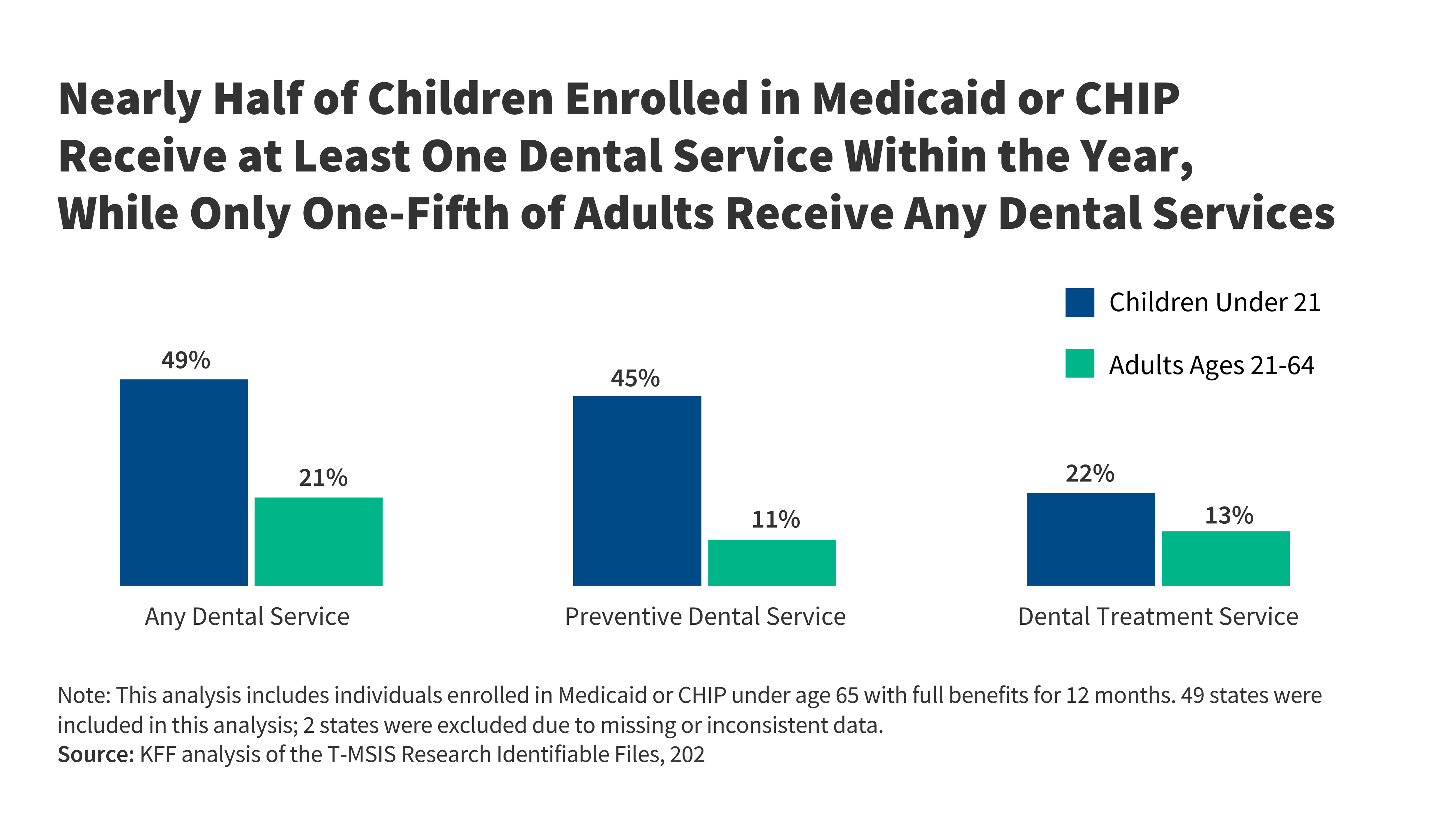
Medicaid, a joint federal and state program, aims to provide health coverage to low-income individuals and families, children, pregnant women, elderly adults, and people with disabilities. While it offers extensive medical benefits, dental coverage for adults has historically been a point of contention and variability. Unlike children, whose dental care is generally mandated by the federal government under the Early and Periodic Screening, Diagnostic, and Treatment (EPSDT) benefit, adult dental coverage under Medicaid is optional for states. This means that each state has the autonomy to decide the extent of dental services it will fund for its adult Medicaid population.
In Florida, the approach to adult dental coverage under Medicaid has evolved over time, and it’s essential for beneficiaries to be aware of the current provisions. The Florida Medicaid program contracts with Managed Care Organizations (MCOs) to deliver healthcare services to its members. These MCOs are responsible for providing a defined set of benefits, which include dental services, though the scope can differ slightly between plans. It’s vital for adults enrolled in Florida Medicaid to understand that their dental benefits are administered through these MCOs, and they will need to utilize dentists who are in-network with their specific plan.
The Core Dental Benefits Provided by Florida Medicaid for Adults
While the specifics can vary between the different MCOs available in Florida, there are generally a set of core dental services that adult Medicaid beneficiaries can expect to be covered. These services are typically preventative and essential to address immediate oral health issues.
Preventative Dental Services
Preventative care is the cornerstone of good oral health, and Florida Medicaid generally covers these essential services to help beneficiaries maintain healthy teeth and gums and prevent more serious problems down the line. These services are crucial for early detection and intervention.
- Routine Dental Check-ups and Cleanings: Most Florida Medicaid plans for adults include coverage for regular dental check-ups, often recommended twice a year. These visits allow dentists to assess the overall health of the mouth, identify any potential issues, and provide professional cleanings to remove plaque and tartar that can lead to cavities and gum disease.
- X-rays: Diagnostic X-rays are a vital part of a dental examination. They allow dentists to see what is happening beneath the gum line and between the teeth, revealing problems like cavities, bone loss, or impacted teeth that are not visible during a visual inspection. Medicaid coverage typically includes routine X-rays as part of a diagnostic exam.
- Fluoride Treatments: For adults, especially those with a higher risk of cavities, fluoride treatments can be beneficial in strengthening tooth enamel and making it more resistant to decay. Coverage for fluoride treatments may be available as part of preventative care.
Basic Restorative Dental Services
Beyond preventative care, Florida Medicaid for adults also typically includes coverage for basic restorative services aimed at treating common dental problems such as decay and minor damage. These treatments are designed to preserve the natural tooth structure and restore function.
- Fillings: When cavities form, fillings are necessary to remove the decay and restore the tooth’s structure and function. Amalgam (silver) and composite (tooth-colored) fillings are generally covered for cavities. The choice of material might depend on the specific MCO and the tooth being treated.
- Extractions: If a tooth is severely damaged, decayed, or impacted and cannot be saved, extraction may be necessary. Medicaid covers the extraction of teeth, both simple and surgical, when medically indicated. This can be crucial for relieving pain and preventing the spread of infection.
Limitations and Exclusions in Adult Dental Coverage
It is important to acknowledge that while Florida Medicaid provides essential dental coverage for adults, there are significant limitations and exclusions. These are primarily in place due to budget constraints and the optional nature of adult dental benefits. Beneficiaries must be aware of these limitations to manage their expectations and understand what will and will not be covered.
Major Restorative and Cosmetic Procedures
Many of the more complex and extensive dental procedures, often considered major restorative work or cosmetic in nature, are typically not covered or are only covered under very specific circumstances. This is a common limitation across most state Medicaid adult dental programs.
- Crowns and Bridges: While fillings can address minor decay, more extensive damage or decay may require crowns (caps) to restore the tooth’s shape, size, strength, and appearance. Bridges are used to replace one or more missing teeth. Coverage for crowns and bridges under Florida Medicaid for adults is often very limited, with specific criteria or a lack of coverage altogether for many cases.
- Dentures: Full or partial dentures are designed to replace missing teeth. While they are essential for chewing and speaking, full coverage for dentures for adult Medicaid beneficiaries in Florida is not a standard benefit and may require special approval or be excluded entirely, depending on the MCO.
- Root Canals (Endodontics): Root canal therapy is performed to save a tooth with infected or inflamed pulp. While often considered a necessary restorative procedure, coverage for root canals can be inconsistent. Some MCOs might cover them for front teeth but not for back teeth, or coverage may be dependent on the specific clinical situation.
- Periodontal Surgery: Gum disease, particularly in its advanced stages, may require surgical intervention. Procedures like deep scaling and root planing (sometimes referred to as “deep cleaning”) might be covered as a step in managing periodontal disease, but more extensive surgical treatments for advanced periodontitis are often excluded.
Orthodontics and Implants
Services aimed at correcting bite issues or replacing missing teeth with implants are generally outside the scope of standard adult Medicaid dental coverage in Florida.
- Orthodontic Treatment: Braces and other orthodontic treatments to straighten teeth and correct bite problems are rarely covered for adults under Medicaid. This benefit is almost exclusively reserved for children.
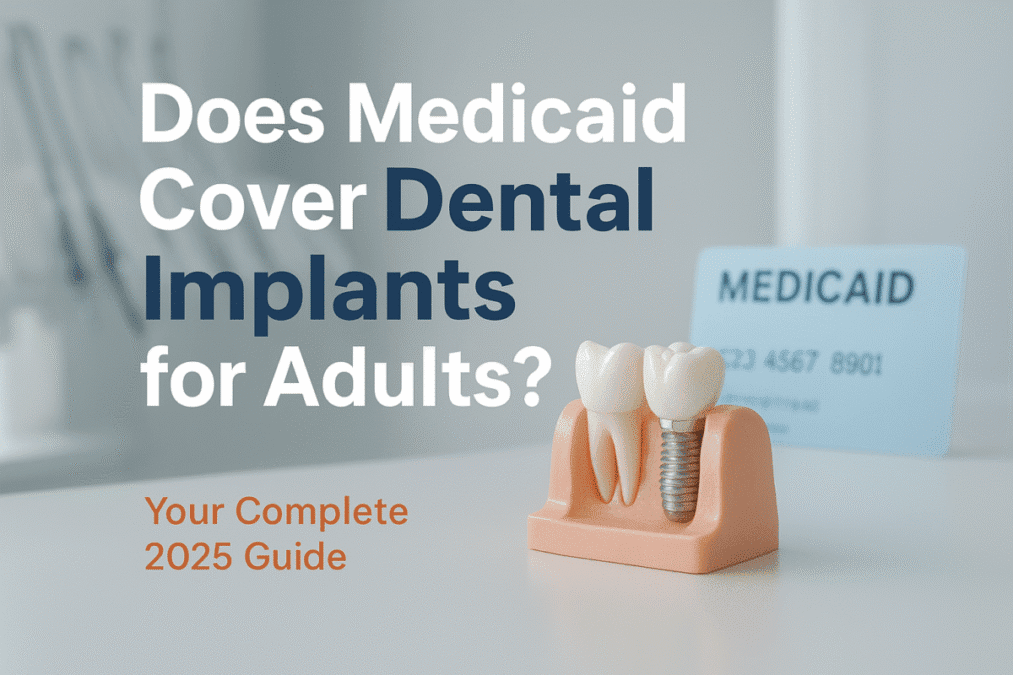
- Dental Implants: Dental implants are a modern and effective way to replace missing teeth, offering a stable and long-lasting solution. However, they are typically considered a cosmetic or advanced restorative procedure and are generally not covered by Florida Medicaid for adults due to their high cost.
How to Access and Maximize Your Dental Benefits
Given the nuances of Medicaid dental coverage, it is crucial for adult beneficiaries in Florida to take proactive steps to understand and utilize their benefits effectively. This involves understanding your specific plan, finding in-network providers, and knowing when additional assistance might be available.
Identifying Your Specific Medicaid Dental Plan and Network
The first and most important step is to identify which Managed Care Organization (MCO) administers your Florida Medicaid benefits. Your eligibility letter or your Medicaid card should indicate your assigned MCO. Each MCO has a provider directory, which you can access through their website or by calling their member services number. This directory will list dentists who are contracted with your specific plan. It is imperative to choose a dentist from this network to ensure your services are covered.
- Contacting Your MCO: If you are unsure about your coverage or the extent of benefits provided by your specific MCO, contact their member services department directly. They can provide detailed information about covered services, any limitations, co-pays (though many Medicaid services have no co-pay for the recipient), and referral requirements.
- Utilizing Provider Directories: Regularly check the MCO’s provider directory for dentists in your area who accept Medicaid. It is advisable to call the dental office directly to confirm they are still in-network with your specific MCO and to inquire about their current patient intake status, as some dentists may have waiting lists.
Navigating Referrals and Prior Authorizations
For certain procedures, even those that might be covered, you may require a referral from your primary care physician or a prior authorization from your MCO. This is particularly true for more complex services or when referred to a specialist.
- Understanding Referral Processes: Ask your primary care provider if a referral is needed to see a dentist. While typically not required for general dental visits, it might be necessary for specialist referrals.
- The Importance of Prior Authorization: For services that might be on the cusp of coverage or are more extensive, your dentist will likely need to obtain prior authorization from your MCO before performing the procedure. This ensures that the service is deemed medically necessary and is covered under your plan. Failure to obtain prior authorization can result in the service not being covered, leaving you responsible for the cost.
Seeking Assistance for Uncovered Services
When essential dental care is not covered by Medicaid, or if you require services beyond what is typically offered, there are avenues for seeking more affordable options or assistance.
- Federally Qualified Health Centers (FQHCs): FQHCs are community-based health care providers that receive funds from the HRSA Health Center Program to provide primary care services in underserved areas. Many FQHCs offer comprehensive dental services on a sliding fee scale based on income, making them an excellent resource for individuals with limited dental insurance, including Medicaid beneficiaries.
- Dental Schools and Clinics: Dental schools often operate clinics where supervised dental students provide treatments at a significantly reduced cost. These clinics can be a valuable resource for routine care, as well as more specialized treatments that might not be covered by Medicaid.
- Community Dental Clinics: Beyond FQHCs and dental schools, many communities have non-profit dental clinics dedicated to serving low-income individuals. A quick online search or a call to your local health department can help you identify these resources in your area.
In conclusion, while Florida Medicaid offers a foundation of essential dental care for adults, it’s a program with specific limitations. Understanding the scope of covered services, being diligent in working with your MCO and chosen dental provider, and exploring community resources are key to ensuring you receive the oral healthcare you need to maintain a healthy smile and overall well-being.
aViewFromTheCave is a participant in the Amazon Services LLC Associates Program, an affiliate advertising program designed to provide a means for sites to earn advertising fees by advertising and linking to Amazon.com. Amazon, the Amazon logo, AmazonSupply, and the AmazonSupply logo are trademarks of Amazon.com, Inc. or its affiliates. As an Amazon Associate we earn affiliate commissions from qualifying purchases.