
The rumble of a Harley-Davidson motorcycle has long been an iconic sound, synonymous with freedom, rebellion, and the open road. For over a century, the Milwaukee-based company has cultivated a powerful brand identity, weaving itself into the fabric of American culture. Yet, in recent years, whispers of decline and introspection have begun to circulate. The question, “What happened to Harley-Davidson?” is not about the physical disappearance of the motorcycles, but rather a deeper examination of the shifts in its market position, brand perception, and strategic direction. This inquiry delves into the complexities of a legacy brand navigating a rapidly evolving world, facing new competitors, changing consumer preferences, and the ever-present imperative to adapt or risk becoming a relic of a bygone era.
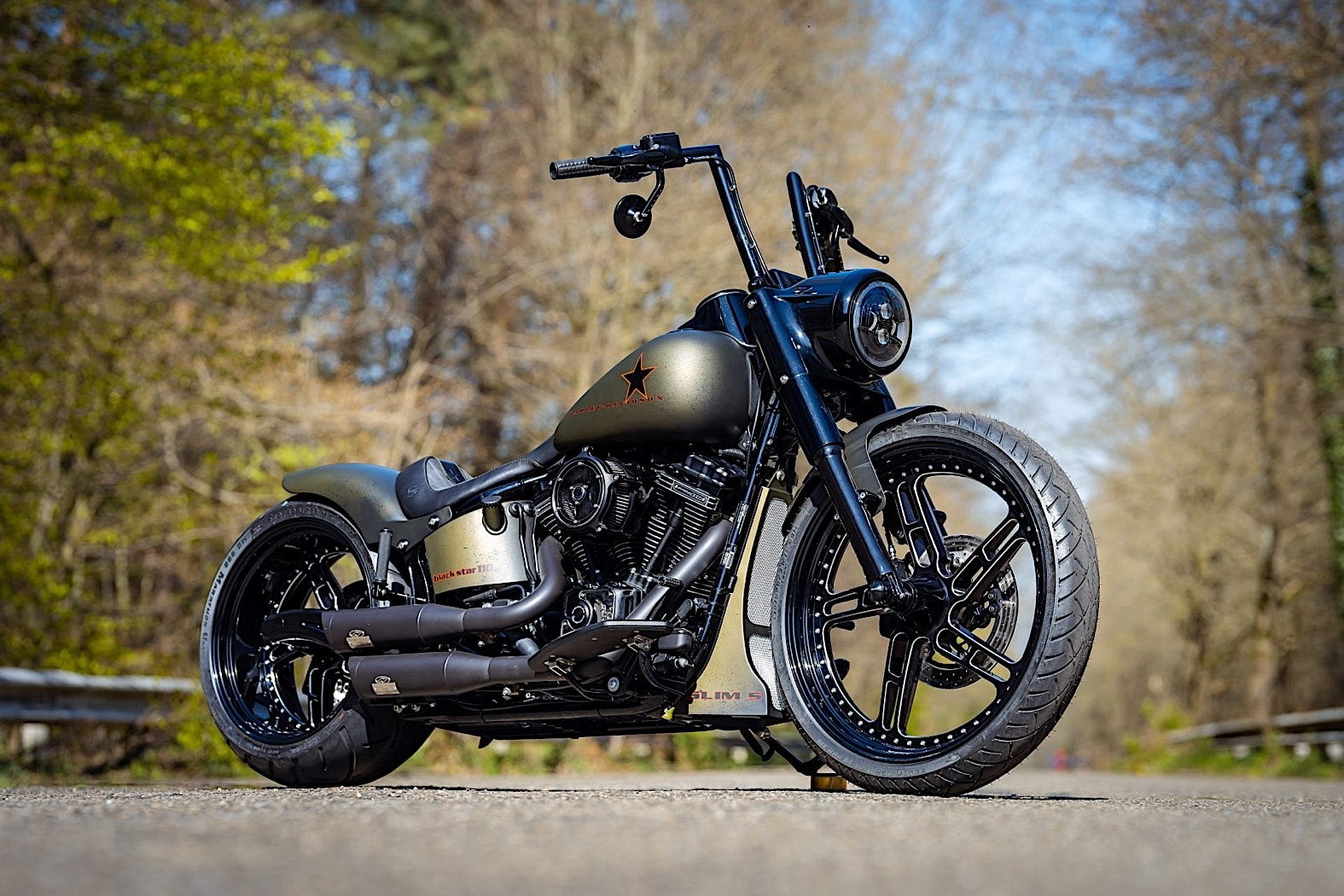
The Shifting Landscape of the Motorcycle Industry
The motorcycle market, once dominated by a few key players, has become increasingly fragmented and competitive. Harley-Davidson, for so long the undisputed king of the cruiser segment, now finds itself vying for attention in a crowded field. This shift is not solely about the number of manufacturers; it’s about the fundamental changes in what riders want and how they perceive their motorcycling experience.
The Rise of New Competitors and Segment Diversification
For decades, the image of a Harley-Davidson rider was clear: a certain demographic, often older, male, and seeking a specific kind of rugged, American heritage. However, the motorcycle industry has broadened its horizons. Companies from Japan, Europe, and even emerging markets have introduced innovative models that cater to a wider range of tastes and riding styles.
- Japanese Manufacturers’ Ascendancy: Brands like Honda, Yamaha, Suzuki, and Kawasaki have consistently offered reliable, technologically advanced, and competitively priced motorcycles across various segments. Their sportbikes, adventure touring machines, and more accessible cruisers have captured significant market share, particularly among younger riders and those seeking performance or versatility.
- European Innovations: Brands such as BMW, Triumph, and Ducati have carved out strong niches by focusing on premium quality, distinctive design, and performance-oriented engineering. Their offerings often appeal to riders looking for a more sophisticated or technologically advanced experience.
- Emergence of Electric and Alternative Powertrains: Perhaps the most significant disruptive force has been the advent of electric motorcycles. While still a nascent market, companies like Zero Motorcycles and the emergence of electric models from established brands like LiveWire (a Harley-Davidson spin-off) signal a seismic shift. These new entrants are not burdened by legacy technology or brand perceptions and are actively targeting a new generation of environmentally conscious riders.
- The “Adventure” Craze: The adventure touring segment has exploded in popularity. Riders are increasingly seeking motorcycles capable of both on-road comfort and off-road capability, allowing them to explore beyond paved roads. This has created demand for bikes that differ significantly from Harley-Davidson’s traditional cruiser offerings.
Evolving Consumer Preferences and Demographics
The classic Harley-Davidson rider profile is no longer the sole or even dominant demographic in the market. As generations age and new ones emerge, their priorities, values, and aspirations concerning motorcycling have shifted.
- The Younger Rider Conundrum: Harley-Davidson has openly acknowledged its struggle to attract younger riders, often referred to as “Millennials” and “Gen Z.” This demographic tends to prioritize different values, including environmental sustainability, technological integration, and a more diverse representation of riders. The traditional image of a Harley, while appealing to some, can also feel intimidating, inaccessible, or even irrelevant to younger consumers who may have grown up with different cultural touchstones.
- The Desire for Variety: Beyond the cruiser, many riders today are looking for more specialized experiences. They might want a nimble bike for urban commuting, a powerful machine for track days, or a comfortable cruiser for long-distance touring, but not necessarily all in one package. Harley-Davidson’s core strength has historically been in the cruiser segment, and expanding its appeal into these other, equally valid, desires has been a challenge.
- The Influence of Technology: Modern consumers expect seamless integration of technology into their products, from smartphones to vehicles. While Harley-Davidson has introduced technological advancements, it has faced the challenge of matching the pace and intuitive integration seen in some competitor offerings, especially in areas like infotainment systems and rider aids.
Harley-Davidson’s Strategic Responses and Challenges
In response to these evolving market dynamics, Harley-Davidson has embarked on a series of strategic initiatives. These have ranged from product development and marketing shifts to internal restructuring, but not all have yielded the desired results, and some have been met with resistance from the brand’s loyal, albeit shrinking, core audience.
The “More Roads to Harley-Davidson” Strategy and Its Aftermath
Under previous leadership, Harley-Davidson launched the “More Roads to Harley-Davidson” strategy, a bold attempt to broaden its appeal. This plan encompassed several ambitious goals, including the introduction of new models in different segments, the development of electric motorcycles, and a focus on attracting new riders.
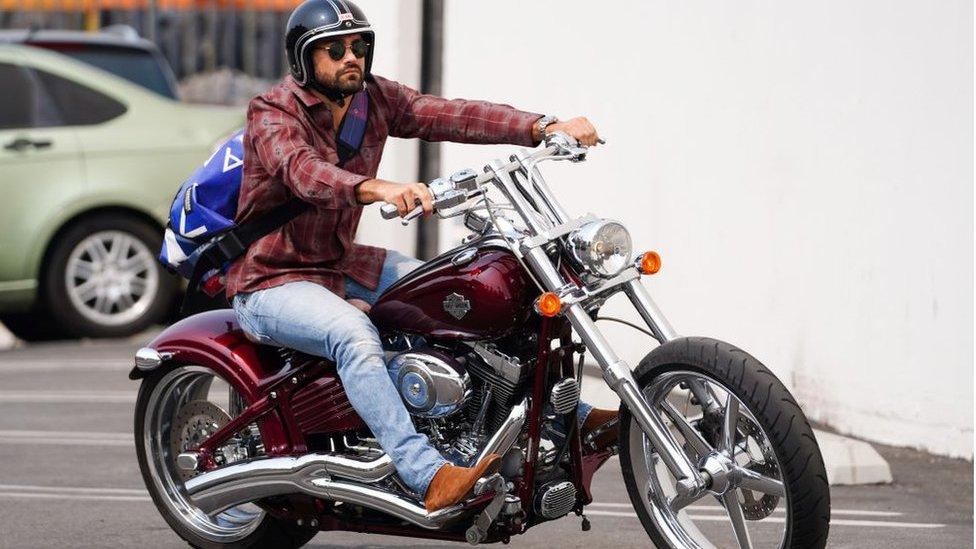
- Expansion into New Segments: This strategy saw the development of the Pan America adventure touring motorcycle and the Bronx streetfighter (though the latter’s production was later halted). The Pan America, in particular, represented a significant departure for the company, entering a highly competitive and established segment. While it received positive reviews for its capability and innovation, its sales performance has been mixed, facing the challenge of overcoming decades of brand association with cruisers.
- The LiveWire Experiment: The LiveWire, Harley-Davidson’s first electric motorcycle, was a technological marvel and a statement of intent. However, its premium price point and the inherent challenges of the electric motorcycle market meant it did not become a mass-market success. The subsequent decision to spin off LiveWire into its own separate entity reflects the complex realities of integrating cutting-edge electric technology within a legacy internal combustion engine (ICE) focused company.
- Marketing and Brand Perception: The “More Roads” strategy also aimed to reposition the brand to be more inclusive and accessible. However, these marketing shifts sometimes alienated a portion of the existing rider base who felt the brand was abandoning its core identity. This created a delicate balancing act, trying to attract new customers without alienating the loyal patrons who have been the bedrock of the company for so long.
Product Development Pains and Stumbles
While Harley-Davidson has always been synonymous with iconic designs, adapting its product line to contemporary demands has presented significant hurdles. The company has, at times, struggled to hit the mark with its new offerings, either due to market timing, pricing, or the perceived disconnect with its heritage.
- Engine Technology and Emissions: The transition to stricter emissions standards and the increasing demand for fuel efficiency have posed a significant challenge for a company built on large displacement, air-cooled V-twin engines. Developing new powertrains that meet regulatory requirements while retaining the characteristic Harley-Davidson sound and feel is a complex engineering feat.
- Cost and Accessibility of New Models: Some of Harley-Davidson’s newer models, particularly those venturing into premium segments or embracing new technologies like electric powertrains, have come with substantial price tags. This can make them inaccessible to a broader range of potential buyers, especially when competing against rivals offering similar capabilities at lower price points.
- The Shadow of Legacy: The very DNA of Harley-Davidson is rooted in its heritage. While this is a powerful asset, it can also act as a constraint. Introducing radical new designs or technologies can be met with skepticism and resistance from a customer base that cherishes the traditional aesthetic and mechanical character of the brand. The company must find a way to innovate without losing the essence of what makes a Harley a Harley.
The Road Ahead: Navigating the Future of a Legendary Brand
Harley-Davidson stands at a critical juncture. The company has a rich history and a fiercely loyal following, but the market is not waiting for anyone. Its future hinges on its ability to successfully blend its heritage with innovation, attract a new generation of riders, and navigate the complex technological and economic shifts transforming the automotive and motorcycle industries.
Embracing Electric and Sustainable Futures
The electrification of transportation is no longer a question of “if” but “when.” For Harley-Davidson, this means a continued and accelerated commitment to electric powertrains.
- Leveraging LiveWire’s Expertise: With LiveWire now a separate entity, Harley-Davidson can focus on its core business while still benefiting from the technological advancements and market insights gained from its electric motorcycle venture. This could involve strategic partnerships or the integration of electric drivetrains into future Harley-Davidson branded models.
- Developing a Broader Electric Portfolio: The current electric offerings from various manufacturers, including LiveWire, are often targeted at the premium end of the market. For wider adoption, Harley-Davidson may need to consider developing more accessible and diverse electric motorcycle options, perhaps in smaller displacements or with different utility-focused designs.
- Sustainability Beyond Powertrains: The focus on sustainability extends beyond just electric motors. It also encompasses manufacturing processes, materials sourcing, and the overall environmental impact of the company. Communicating and enacting these broader sustainability initiatives will be crucial in appealing to environmentally conscious consumers.
Revitalizing Brand Appeal and Expanding Market Reach
Reconnecting with younger demographics and expanding its global footprint requires a multifaceted approach that goes beyond simply launching new products.
- Targeted Marketing and Digital Engagement: Harley-Davidson needs to meet potential riders where they are, which increasingly means online. This involves sophisticated digital marketing strategies, engaging social media content, and perhaps even exploring virtual showrooms or online customization tools. The brand’s messaging needs to resonate with the values and aspirations of younger generations, highlighting not just freedom but also community, responsibility, and modern forms of adventure.
- Diversifying the Rider Experience: Beyond the motorcycle itself, Harley-Davidson can look to diversify the rider experience. This could involve expanding its apparel and lifestyle offerings, creating more accessible riding schools, or fostering online communities that connect riders with similar interests. The goal is to build a holistic brand ecosystem that appeals to a wider audience.
- Strategic Partnerships and Collaborations: Collaborating with other brands or entities that align with Harley-Davidson’s evolving vision can be a powerful way to reach new audiences and inject fresh perspectives. This could include partnerships with technology companies, fashion brands, or even entertainment properties.
The Enduring Power of Heritage
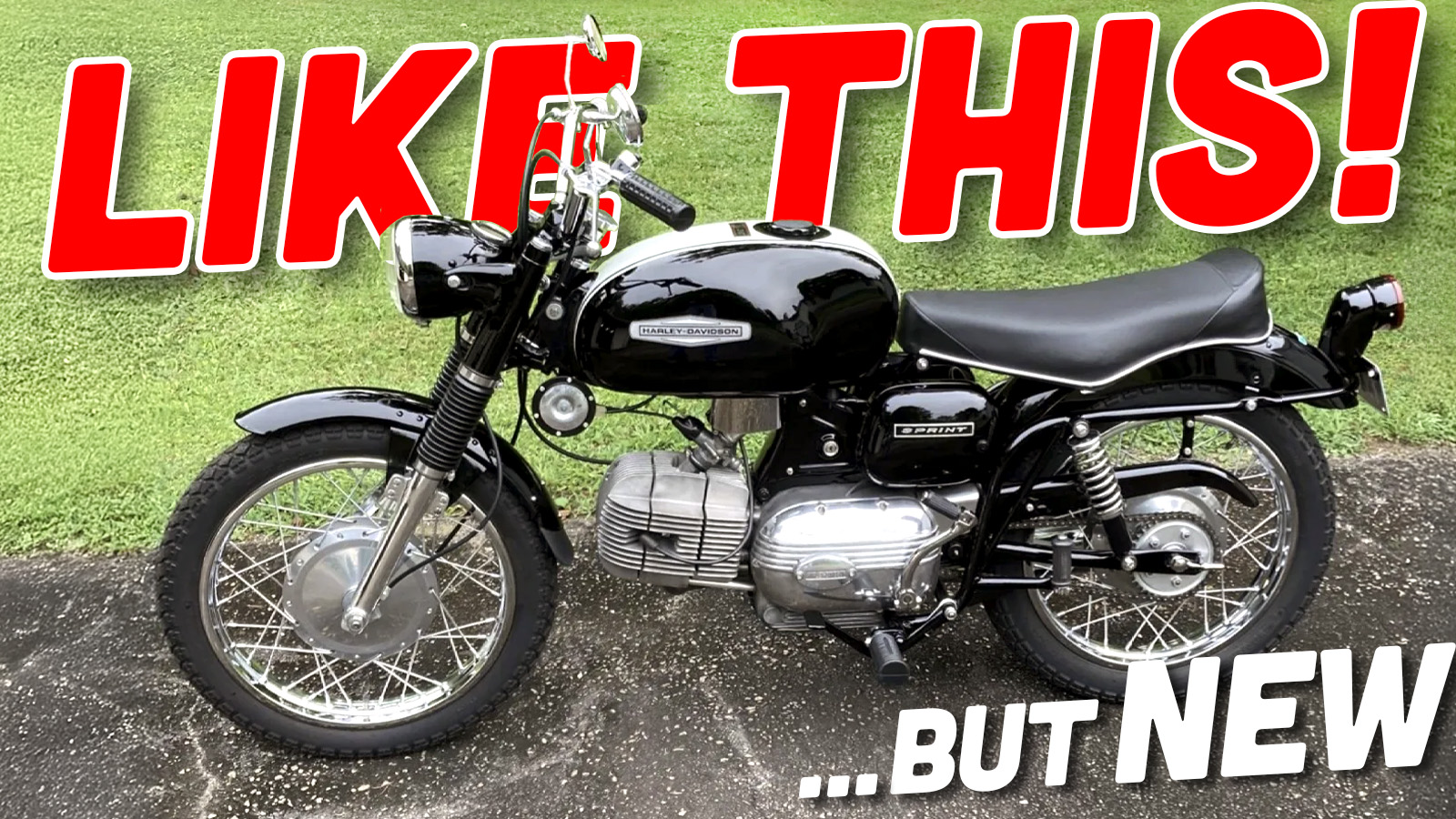
Ultimately, Harley-Davidson’s greatest asset is its storied past. The challenge is to leverage this heritage in a way that feels authentic and relevant to the future. The rumble of a V-twin may always be a part of its identity, but the company must demonstrate that it can also create the hum of an electric motor, the roar of an adventure bike, and the sleek silhouette of a modern urban commuter, all while remaining undeniably Harley-Davidson. The question of “what happened to Harley-Davidson” is not one of decline, but of profound transformation, and its continued success will depend on its ability to reimagine its legend for a new era.
aViewFromTheCave is a participant in the Amazon Services LLC Associates Program, an affiliate advertising program designed to provide a means for sites to earn advertising fees by advertising and linking to Amazon.com. Amazon, the Amazon logo, AmazonSupply, and the AmazonSupply logo are trademarks of Amazon.com, Inc. or its affiliates. As an Amazon Associate we earn affiliate commissions from qualifying purchases.