
The automotive landscape is dotted with acronyms and designations that often require a decoder ring to fully appreciate. For Audi enthusiasts and industry observers alike, one such persistent question revolves around the iconic “TT” designation. Far from being a random collection of letters, the Audi TT represents a significant chapter in the brand’s history, embodying a philosophy of design, performance, and driving pleasure that has resonated with consumers for over two decades. To understand what “TT” stands for in the context of Audi is to delve into the brand’s rich heritage, its design evolution, and the engineering prowess that defines this distinctive sports car.
The Genesis of the TT: A Nod to Racing Heritage
The story of the Audi TT’s name is rooted in a legacy of motorsport excellence and a desire to capture that spirit in a modern production vehicle. The designation is not a direct acronym for specific technical features, but rather a tribute to two significant milestones in Audi’s (and its predecessor Auto Union’s) racing past.
The Isle of Man TT Race: A Symbol of Speed and Endurance
The most prominent and widely accepted origin for the “TT” in Audi TT refers to the legendary Isle of Man Tourist Trophy (TT) motorcycle race. This grueling event, held annually on the challenging public roads of the Isle of Man, has been a proving ground for motorcycle engineering and rider skill since its inception in 1907. The Isle of Man TT is synonymous with extreme speed, daring maneuvers, and the ultimate test of man and machine.
Audi, through its historical lineage, has a deep connection to two-wheeled racing. NSU, one of the companies that would eventually form Auto Union and then Audi, was a formidable force in motorcycle racing in the early 20th century. NSU achieved significant success in various racing disciplines, including the very race that would inspire the Audi TT’s name. By adopting “TT,” Audi sought to evoke the spirit of these racing triumphs, associating the car with concepts of agility, performance, and a pioneering approach to automotive design. The Isle of Man TT race embodies a pure form of motorsport where innovation and raw performance are paramount, qualities that Audi aimed to imbue in its new sports car.
The Auto Union “Silver Arrows” and the TT
The other significant historical element linked to the “TT” designation is the Auto Union Type 250 “Sport” motorcycle, also often referred to as the TT. Manufactured by NSU in the 1950s, this motorcycle was a significant performer in its class and further cemented NSU’s reputation for engineering excellence. The connection here is more direct, with the “TT” literally being a designation used for one of their successful sporting machines.
This dual historical reference is crucial to understanding the depth of the “TT” moniker. It’s not just about speed, but about a specific era and lineage of performance that Audi wanted to celebrate and carry forward. The choice of “TT” was a deliberate and sophisticated branding move, allowing Audi to tap into a rich historical narrative without resorting to a generic or purely technical naming convention. It was a way of saying, “This car carries the DNA of our racing heritage.”
The Design Philosophy Embodied by the TT
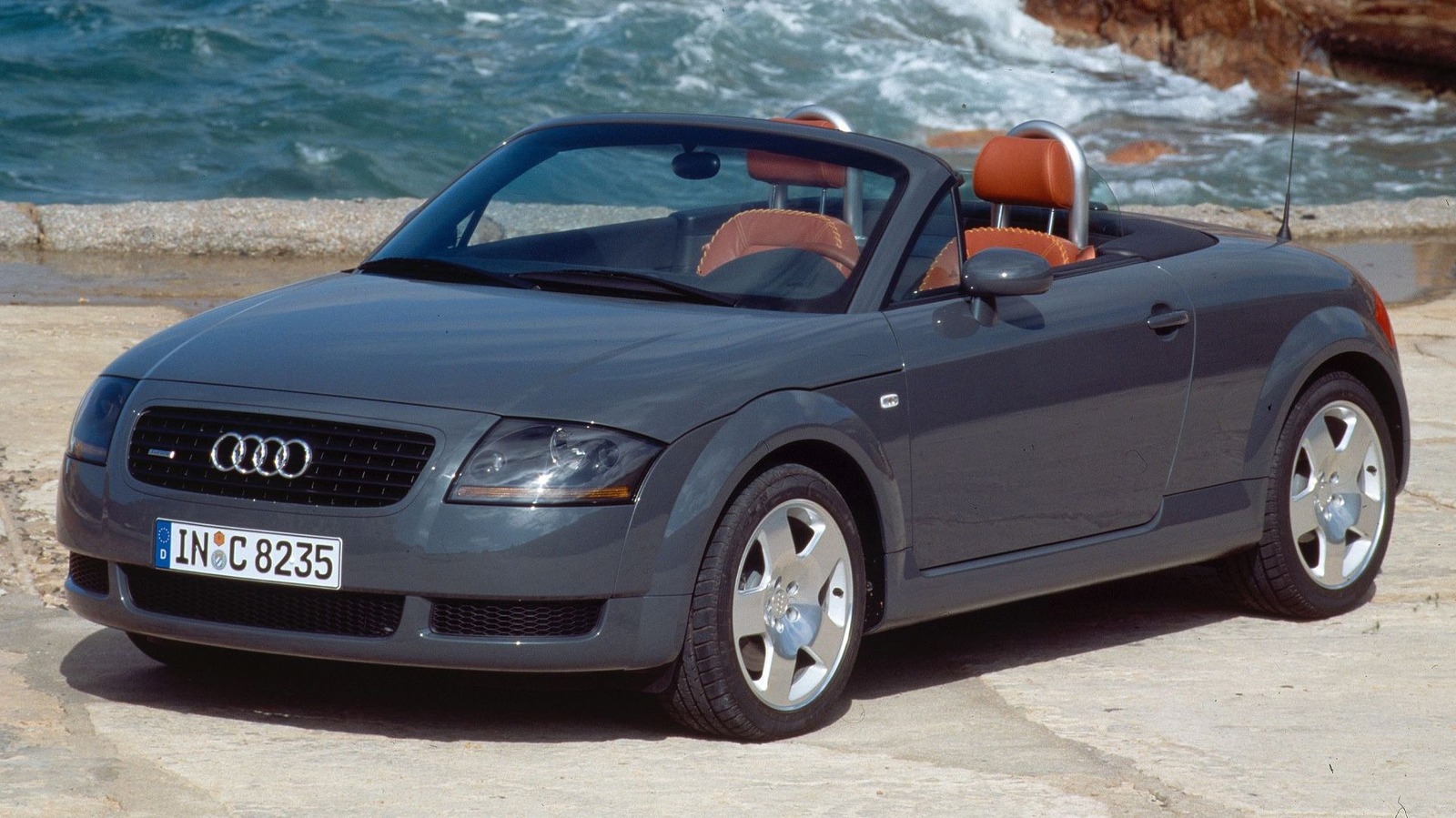
Beyond its historical significance, the “TT” designation also became intrinsically linked to a revolutionary design language that set the car apart from its contemporaries. When the Audi TT concept first broke cover, it was met with widespread acclaim for its radical yet elegantly simple aesthetic. This design philosophy, characterized by its Bauhaus-inspired simplicity and geometric purity, became the hallmark of the TT.
Bauhaus Influence: Form Follows Function
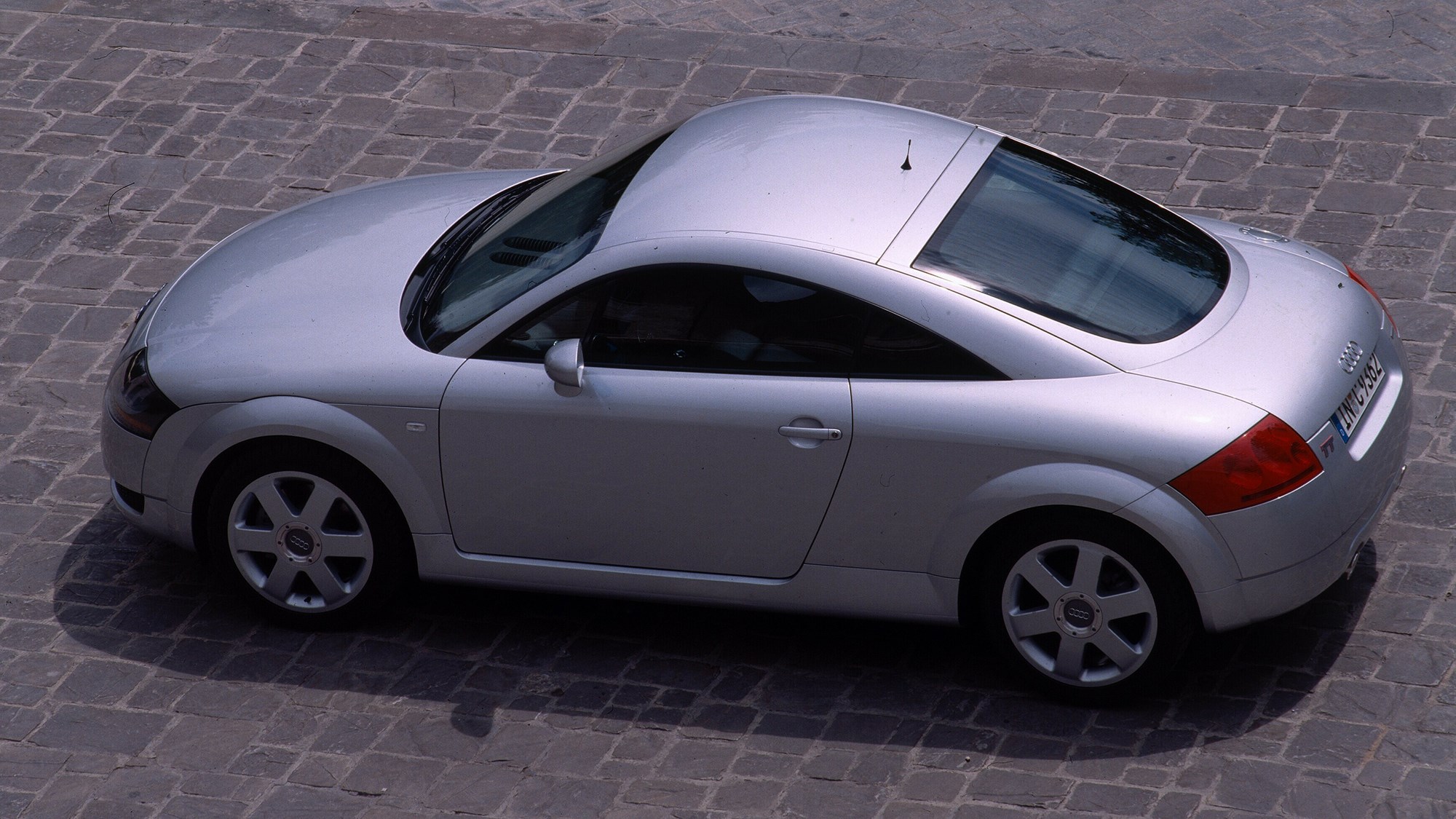
The design of the original Audi TT, particularly the first generation (Type 8N), was heavily influenced by the principles of the Bauhaus school of design. Bauhaus, a German art school operational from 1919 to 1933, emphasized a fusion of art, craft, and technology, with a strong focus on functionalism and minimalist aesthetics. The TT’s exterior, with its clean lines, rounded forms, and distinctive blistered wheel arches, perfectly encapsulated this philosophy.
The designers aimed to create a car that was not only beautiful but also inherently functional. Every curve and line served a purpose, contributing to the car’s aerodynamic efficiency and its overall visual harmony. The circular motifs, the seamless integration of body panels, and the overall sense of proportion were all meticulously considered to create a timeless design that eschewed excessive ornamentation. This approach was a bold departure from the often more angular and aggressive styling prevalent in the sports car market at the time, and it proved to be a masterstroke.
The “Ball-on-Circle” Concept and Interior Innovation
The interior of the TT further reinforced its unique design ethos. The concept of “ball on circle” was evident in many interior elements, from the air vents to the gear shifter. This geometric interplay created a cohesive and visually pleasing cabin environment. The minimalist approach extended to the dashboard layout, with a focus on driver-centric controls and a clear, uncluttered presentation of information.

The materials used were also carefully selected to enhance the premium feel and reinforce the design intent. The optional leather trim, often in contrasting colors, added a touch of sportiness and luxury. The overall interior experience was designed to be as engaging and visually appealing as the exterior, creating a holistic design package that was more than just the sum of its parts. The TT’s interior was a sanctuary of thoughtful design, where every element felt intentional and contributed to the overall driving experience.
Engineering for Performance: The TT’s Driving Dynamics
While the design of the Audi TT was a major draw, its performance and driving dynamics were equally crucial to its success. The “TT” badge was not just about aesthetics; it was also a promise of exhilarating driving experiences, delivered through a combination of innovative engineering and refined performance.
Quattro All-Wheel Drive: The Cornerstone of Grip
A defining characteristic of many Audi models, and a particularly significant one for the TT, is the quattro all-wheel-drive system. This sophisticated system, pioneered by Audi, revolutionizes traction and stability, especially in challenging driving conditions. For the TT, quattro was not merely an option but often an integral part of its performance identity, enabling drivers to harness the car’s power with confidence and precision.
The quattro system intelligently distributes torque between the front and rear axles, constantly adapting to the available grip. This translates into superior handling, reduced understeer, and an overall more planted and secure feel, particularly when cornering at speed or accelerating out of bends. The integration of quattro with the TT’s chassis and suspension tuning created a sports car that was not only fast in a straight line but also supremely capable and engaging on winding roads. It was a testament to Audi’s commitment to delivering a driving experience that was both thrilling and accessible.
Powertrain Evolution and Driving Modes
Over its generations, the Audi TT has seen a continuous evolution of its powertrains, offering a range of engines that balance performance with efficiency. From turbocharged four-cylinder engines to more potent five-cylinder units in later iterations, the TT has consistently delivered strong acceleration and responsive power delivery. The integration of advanced fuel injection systems, turbocharging technology, and efficient engine management has allowed Audi to extract impressive performance figures while striving to meet increasingly stringent emissions standards.
Furthermore, the TT has often featured selectable driving modes, allowing drivers to tailor the car’s character to their preferences or the driving conditions. These modes typically influence throttle response, steering feel, and suspension settings, offering a spectrum from comfort-oriented cruising to sharp, track-focused dynamics. This adaptability further enhances the TT’s appeal as a versatile sports car that can be enjoyed on a daily basis as well as on spirited drives. The engineering behind the TT was always focused on delivering a rewarding driving experience, where power met precision.
The TT’s Enduring Legacy and Market Positioning
The Audi TT has carved out a unique and enduring position in the automotive market. It has consistently appealed to buyers who appreciate its distinctive design, its blend of performance and practicality, and its connection to Audi’s premium brand image. The “TT” has become more than just a model designation; it’s a symbol of automotive artistry and engineering excellence.
A Design Icon in a Crowded Segment
In a segment often dominated by more aggressive and overtly sporty designs, the Audi TT has maintained its unique aesthetic appeal. Its understated elegance and timeless lines have allowed it to stand out from the crowd, attracting buyers who value sophisticated styling over overt aggression. This design-led approach has been a key differentiator, allowing the TT to cultivate a loyal following and establish itself as a design icon in the automotive world. The TT proved that a sports car didn’t need to shout; it could command attention through its sheer elegance and considered form.
Balancing Performance and Usability
One of the TT’s greatest strengths has been its ability to balance exhilarating sports car performance with a degree of everyday usability. While not a family car, the TT, particularly in its coupe and roadster forms, has offered a practical solution for those seeking a thrilling driving experience without completely sacrificing comfort and convenience. The compact dimensions, the relatively manageable boot space, and the refined interior have made it a viable option for individuals or couples who want a car that is both exciting to drive and practical for daily use. This blend of sportiness and usability has been a key factor in its sustained appeal.
The Future of the TT: Evolution or Extinction?
The automotive industry is in a period of rapid transformation, with the rise of electrification and autonomous driving technologies. The future of many iconic internal combustion engine (ICE) vehicles, including the Audi TT, is a subject of much discussion. While the current generation TT continues to be produced, its long-term successor remains a point of speculation.
Audi has hinted at potential directions for future performance models, and it’s possible that the spirit of the TT could live on in an electric form or through a reinterpretation of its core values. Regardless of its ultimate form, the Audi TT’s legacy as a design masterpiece and a celebrated performance car is firmly cemented. The “TT” designation represents a pivotal moment for Audi, a bold statement of design intent and engineering capability that continues to inspire and captivate. It’s a name that resonates with a unique blend of historical prestige and forward-thinking automotive ambition.
aViewFromTheCave is a participant in the Amazon Services LLC Associates Program, an affiliate advertising program designed to provide a means for sites to earn advertising fees by advertising and linking to Amazon.com. Amazon, the Amazon logo, AmazonSupply, and the AmazonSupply logo are trademarks of Amazon.com, Inc. or its affiliates. As an Amazon Associate we earn affiliate commissions from qualifying purchases.