
A street address is far more than just a sequence of numbers and letters; it’s a fundamental pillar of the digital infrastructure that underpins so much of our modern lives. While seemingly mundane, the concept and application of a street address have evolved dramatically with the advent of technology. In the realm of Tech, understanding the meaning and implications of a street address is crucial for developers, businesses, and consumers alike, as it forms the bedrock of location-based services, digital mapping, logistics, and even the very way we interact with the online world.
The Geodetic Foundation: From Physical Location to Digital Coordinate
At its core, a street address represents a physical location on Earth. However, the technological revolution has transformed this physical identifier into a sophisticated digital asset. The process of converting a human-readable address into a precise geographical coordinate is a sophisticated technological undertaking, enabling a vast array of digital applications.
Geo-coding: Translating Text to Terrestrial Truth
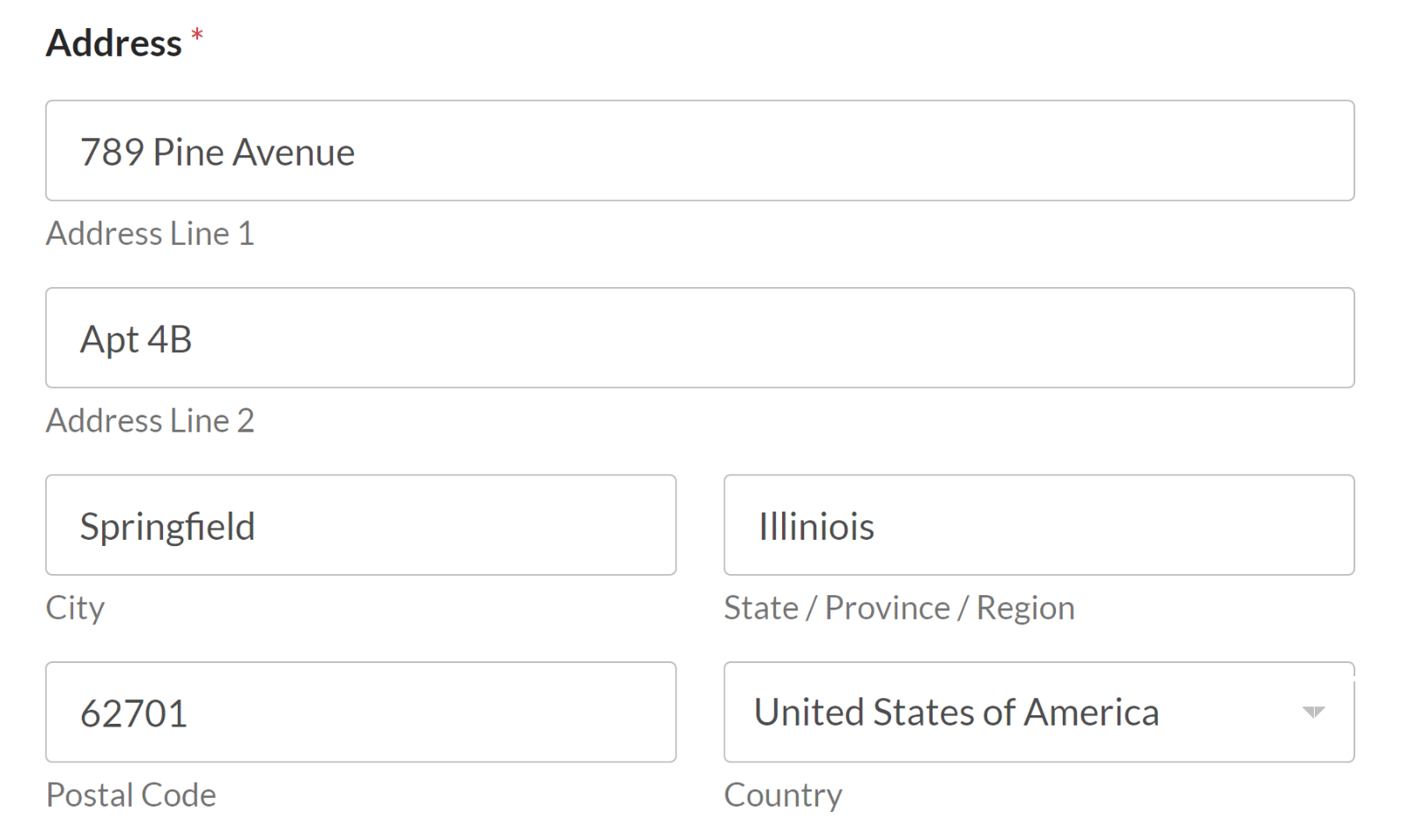
Geo-coding is the process of converting a street address into geographic coordinates (latitude and longitude). This is the foundational step that allows computers to understand and utilize location data. Sophisticated algorithms, leveraging massive databases of geographical information, perform this translation. These databases are meticulously compiled and maintained, often by government agencies, mapping companies, and crowdsourced data initiatives.
The accuracy of geo-coding is paramount. Errors in the geo-coding process can lead to significant issues, from misdelivered packages to inaccurate navigation. Consequently, the technology behind geo-coding is constantly being refined. This includes the use of machine learning to improve address parsing, fuzzy matching to handle variations in address entry, and integration with real-time data sources to account for new construction and road changes.
Address Validation and Standardization: Ensuring Digital Integrity
Before an address can be effectively geo-coded or utilized in any digital system, it must be validated and standardized. This process ensures that the address is legitimate and conforms to a consistent format. Technical systems perform checks against postal databases, look for common abbreviations, and correct typographical errors. This standardization is vital for the smooth operation of applications that rely on address data, such as e-commerce platforms, delivery services, and emergency response systems.
The technological tools used for address validation range from simple spell checkers and pattern matching to complex databases that verify against official postal codes and even property records. For businesses, robust address validation is a critical component of their customer relationship management (CRM) systems, reducing shipping errors and improving customer satisfaction.
Location-Based Services: The Street Address in the Digital Ecosystem
The street address, once translated into digital coordinates, becomes the key that unlocks a universe of location-based services (LBS). These services leverage a user’s or a business’s physical location to provide relevant and contextual information and functionality. The ubiquity of smartphones has exponentially expanded the reach and impact of LBS, making the street address an integral part of our daily digital interactions.
Navigation and Mapping: Guiding the Way in the Digital Age
Perhaps the most prominent application of street addresses in the tech world is in navigation and mapping. Services like Google Maps, Apple Maps, and Waze rely heavily on geo-coded street addresses to provide turn-by-turn directions, traffic updates, and points of interest. The underlying technology involves complex routing algorithms that consider factors like road networks, traffic conditions, speed limits, and even the type of vehicle.
The accuracy of these mapping services is directly tied to the quality and granularity of the geo-coded address data. Continuous updates, powered by satellite imagery, user-generated data, and official records, are essential for maintaining the effectiveness of these tools. The street address acts as the ultimate destination marker in this digital journey.
Geofencing and Proximity Alerts: Creating Digital Boundaries
Geofencing is a technology that uses geo-coded street addresses to create virtual geographic boundaries, or “fences.” When a device enters or exits these predefined areas, it can trigger specific actions. This has numerous applications, from marketing notifications for retail stores (e.g., sending a discount offer when a customer is near) to security alerts for sensitive locations.
The technology behind geofencing requires continuous location tracking, often through GPS or Wi-Fi triangulation. The street address, in this context, defines the perimeter of these digital zones, allowing for highly targeted and context-aware technological interventions.
Localized Content and Services: Bringing the Digital World to Your Doorstep
Street addresses are fundamental to delivering localized digital content and services. Search engines, for example, use a user’s inferred or provided street address to prioritize local search results, showing businesses and services that are geographically relevant. Social media platforms can use location data to tag posts or suggest local events.

This ability to tailor digital experiences to physical locations enhances user engagement and provides significant value to businesses. The street address acts as the bridge between the vastness of the internet and the user’s immediate physical environment, making the digital world feel more personal and relevant.
The Street Address in Digital Security and Identity
Beyond its role in navigation and services, the street address also plays a critical, albeit sometimes overlooked, role in digital security and identity verification. While not as immediately apparent as passwords or multi-factor authentication, the physical address provides a layer of security and a point of verification that is essential for many online transactions and services.
Identity Verification and KYC (Know Your Customer)
Many online services, particularly those involving financial transactions or regulated activities, require identity verification. A street address is often a key piece of information used in the “Know Your Customer” (KYC) process. This involves verifying that a user is who they claim to be, and a physical address serves as a verifiable anchor for this identity.
Technological solutions are employed to cross-reference provided addresses with government databases, utility bills, or credit reports. This helps to prevent fraud, money laundering, and other illicit activities. The integrity of the street address data is therefore critical for maintaining the security and trustworthiness of online platforms.
Delivery and Logistics: The Physical Manifestation of Digital Transactions
In the age of e-commerce, the street address is the linchpin of the entire delivery and logistics network. When you click “buy” online, your street address becomes the primary directive for a complex technological and physical operation. This involves sophisticated software that manages inventory, optimizes delivery routes, and tracks packages in real-time.
The accuracy of the street address is paramount here. An incorrect or incomplete address can lead to significant delays, lost packages, and increased costs. Technologies like package tracking scanners, GPS on delivery vehicles, and automated sorting systems all rely on the foundational accuracy of the street address to function effectively. The street address is the final destination that all these technological efforts are striving to reach.
Emergency Services and Public Safety: A Digital Lifeline
In critical situations, the street address is a vital piece of information for emergency services. When you call for help, providing an accurate street address allows responders to locate you quickly and efficiently. Modern emergency response systems leverage technology to pinpoint caller locations, often with impressive accuracy, even if the caller is disoriented or unable to provide a precise address.
This involves the integration of phone network data, GPS information from mobile devices, and sophisticated mapping systems that can translate even partial address information into actionable coordinates. The street address, in this context, becomes a digital lifeline, directly contributing to public safety and the effective deployment of essential services.
The Future of the Street Address in a Hyper-Connected World
As technology continues to advance, the role and interpretation of the street address are likely to evolve further. The lines between physical and digital are blurring, and the way we define and utilize location will become even more sophisticated.
The Rise of Digital Twins and Smart Cities
The concept of “digital twins” – virtual replicas of physical objects, processes, or systems – is gaining traction. As smart cities become more prevalent, the street address will be intrinsically linked to a wealth of data about buildings, infrastructure, and public services. This will enable more advanced urban planning, resource management, and citizen services.
The street address will serve as the primary key to access and manage these digital twins, allowing for simulations, predictive maintenance, and highly personalized services within urban environments. Technologies like IoT (Internet of Things) sensors will imbue physical locations, often identified by their street address, with vast amounts of real-time data.

Enhanced Privacy and Security Considerations
As location data becomes more pervasive, so too do concerns about privacy and security. Technological solutions are being developed to address these concerns, such as differential privacy techniques that anonymize location data while still allowing for aggregate analysis. The street address, while a public identifier, will be subject to increasingly sophisticated controls regarding its accessibility and usage in the digital realm.
Furthermore, the security of address databases themselves will become even more critical. Protecting against data breaches and ensuring the integrity of this foundational information will be a continuous technological challenge.
In conclusion, the street address, a concept that has served humanity for centuries as a physical marker, has been profoundly transformed by technology. It is no longer merely a label on a mailbox but a dynamic digital asset that fuels navigation, enables location-based services, underpins digital identity, and is increasingly becoming the gateway to the smart cities of the future. Its continued evolution, intertwined with technological innovation, ensures its enduring significance in our increasingly connected world.
aViewFromTheCave is a participant in the Amazon Services LLC Associates Program, an affiliate advertising program designed to provide a means for sites to earn advertising fees by advertising and linking to Amazon.com. Amazon, the Amazon logo, AmazonSupply, and the AmazonSupply logo are trademarks of Amazon.com, Inc. or its affiliates. As an Amazon Associate we earn affiliate commissions from qualifying purchases.