
The seemingly innocuous nursery rhyme, “London Bridge is Falling Down,” holds a surprising depth when viewed through the lens of finance. Beyond its whimsical verses about grand structures crumbling and being rebuilt, lies a powerful allegory for the inherent fragility and cyclical nature of financial systems, markets, and even individual economic well-being. This article will explore the financial interpretations of this age-old melody, revealing its relevance to concepts such as market crashes, economic cycles, the importance of robust financial infrastructure, and the persistent need for innovation and adaptation.

The Crumbling of Market Foundations: Echoes of Economic Downturns
The core image of London Bridge in disrepair and collapse serves as a potent metaphor for periods of significant economic distress. Just as the physical integrity of a monumental bridge can be compromised by wear, neglect, or external forces, so too can the foundations of a thriving economy be undermined.
Shaky Foundations and Systemic Risk
When we sing about the bridge “falling down,” we can envision the cascading failures that characterize financial crises. The rhyme’s descriptions of missing components – “iron and steel,” “wood and clay” – can be interpreted as the erosion of crucial elements within the financial ecosystem. In a modern context, this might represent:
- Loss of Liquidity: The “iron and steel” could symbolize the essential liquidity that keeps markets functioning. When credit dries up and the flow of money seizes, markets can become illiquid, leading to sharp price declines and a general paralysis.
- Weakening of Regulatory Frameworks: The “wood and clay” might represent less tangible but equally vital components like trust, transparency, and effective regulation. If these are compromised, the entire structure becomes unstable, susceptible to speculative bubbles and subsequent bursts.
- Overleveraging and Asset Bubbles: The rhyme’s imagery of decay can be paralleled with the build-up of excessive debt and inflated asset prices. When an economy relies heavily on borrowed money or when asset valuations are disconnected from intrinsic value, the structure becomes inherently unstable, prone to a sudden and dramatic collapse. Think of the dot-com bubble, the 2008 subprime mortgage crisis, or more recent market corrections. The sentiment of a “falling down” bridge perfectly encapsulates the panic and widespread financial losses experienced during such events.
The Domino Effect of Financial Collapse
The various verses detailing the bridge’s deterioration, from “my fair lady” to the repeated assertion that “London Bridge is falling down,” highlight the interconnectedness of financial systems. A problem in one area can quickly spread, triggering a domino effect:
- Contagion: In finance, contagion is the phenomenon where distress in one market or institution spreads to others. A bank failure, a sovereign debt default, or a collapse in a major asset class can send ripples throughout the global financial network, impacting economies far removed from the initial shock. The nursery rhyme, with its simple yet effective narrative of destruction, mirrors this process of escalating damage.
- Investor Confidence Erosion: Once the perception of stability is shattered, investor confidence plummets. Fear and uncertainty take over, leading to a rush for the exits and a self-fulfilling prophecy of decline. The “falling down” of the bridge signifies the loss of faith in the enduring strength of financial markets.
Rebuilding and Innovation: The Cycle of Financial Recovery and Evolution
Crucially, the rhyme doesn’t end with destruction. It invariably moves towards rebuilding and the exploration of new methods, mirroring the inherent resilience and adaptive nature of financial systems. This aspect offers a more optimistic, albeit realistic, perspective on financial challenges.
The Quest for a Better Bridge: Economic Cycles and Market Adjustments
The verses that follow the “falling down” section, detailing attempts to mend the bridge with various materials and methods, are particularly insightful for understanding economic cycles:

- Recession and Recovery: The period of “falling down” represents a recession or market downturn. The subsequent attempts to rebuild symbolize the efforts made during economic recovery. This might involve fiscal stimulus, monetary policy adjustments, or structural reforms aimed at shoring up the economy.
- Trial and Error in Policy: The diverse and often ill-fated attempts to repair the bridge (“build it up with silver and gold,” “build it up with sticks and mud”) can be seen as the trial-and-error nature of economic policymaking. Governments and central banks often experiment with different strategies to stimulate growth, control inflation, or stabilize markets. Some approaches are successful, while others prove ineffective or even detrimental.
- The Importance of Sound Engineering (Financial Infrastructure): The rhyme implies that some building materials and methods are superior to others. In finance, this translates to the need for sound financial infrastructure – robust banking systems, well-regulated markets, and effective payment systems. When these are neglected, the “bridge” is more likely to fall. Conversely, investing in and maintaining these essential components is key to long-term stability and growth.
Innovation as the Ultimate Solution: Adapting to Evolving Needs
The final verses often offer a more creative and forward-looking approach to rebuilding, suggesting the exploration of novel solutions:
- Technological Advancements: In the context of modern finance, this can be interpreted as the impact of technological innovation. Just as past societies relied on different materials and techniques, today’s financial world is being reshaped by FinTech, AI-driven analytics, blockchain, and new digital currencies. These advancements represent new “building materials” and “engineering methods” for constructing more resilient and efficient financial systems.
- Adaptation and Evolution: The constant need to find new ways to rebuild the bridge signifies the imperative for financial markets and institutions to adapt and evolve. Those that fail to innovate and embrace new technologies or business models risk becoming obsolete, much like the outdated construction methods of the past.
- The “Fair Lady” as Progress: The “fair lady” who is often mentioned in the context of the bridge’s construction or maintenance can be seen as a symbol of progress, prosperity, or the public good. Ensuring that the financial “bridge” serves the needs of society and facilitates economic well-being becomes the ultimate goal of these rebuilding efforts.
The Enduring Relevance of “London Bridge is Falling Down” for Financial Literacy
The nursery rhyme’s enduring appeal lies in its simple yet profound illustration of fundamental truths about financial systems. For individuals seeking to navigate the complexities of personal finance, investment, and the broader economic landscape, the lessons embedded in this melody are surprisingly relevant.
Personal Finance: Building Your Own Financial Bridge
On a microeconomic level, “London Bridge is Falling Down” can serve as a powerful reminder for personal financial management:
- The Fragility of Personal Finances: Just as a physical bridge can crumble, so too can an individual’s financial stability be jeopardized by unexpected events like job loss, illness, or market downturns. A lack of emergency savings or adequate insurance is akin to building your personal financial bridge with flimsy materials.
- The Importance of a Diversified Portfolio: The rhyme’s depiction of different materials being used to rebuild can be metaphorically linked to portfolio diversification in investing. Relying on a single asset class or income stream is like building a bridge with only one type of material – it becomes vulnerable. Spreading investments across various assets (stocks, bonds, real estate, etc.) provides a more robust structure that can withstand market shocks.
- The Need for Prudent Financial Planning: The continuous cycle of falling and rebuilding emphasizes the importance of ongoing financial planning. This involves not only saving and investing but also regularly reviewing one’s financial situation, adjusting strategies as needed, and preparing for potential future challenges. Just as one wouldn’t build a bridge and then forget about it, individuals must actively manage their finances throughout their lives.
- Avoiding Risky “Shortcuts”: The rhyme implicitly suggests that hasty or poorly conceived repairs can lead to further problems. In personal finance, this translates to avoiding get-rich-quick schemes, predatory lending, or excessively risky investments that promise unrealistic returns. These often represent building with “sticks and mud” – ultimately unsustainable.
Investing Strategies: Navigating Market Volatility
For investors, the rhyme offers a timeless perspective on market dynamics:
- Understanding Market Cycles: The “falling down” and “rebuilding” phases are direct reflections of bull and bear markets. Recognizing that markets are not static but rather cyclical is crucial for long-term investment success. Panicking during a downturn and selling everything, only to buy back at the peak, is akin to constantly dismantling and poorly rebuilding your bridge.
- The Value of Long-Term Investing: The slow and deliberate process of rebuilding a bridge suggests the virtue of patience and a long-term perspective in investing. While markets may fall, historically they have also recovered and grown. Investors who remain disciplined and stick to their long-term strategies are more likely to weather the storms and benefit from the subsequent rebuilding.
- The Role of Risk Management: The rhyme’s exploration of different building materials underscores the importance of risk management. Understanding the risks associated with different investments and implementing strategies to mitigate them is essential for preserving capital and achieving financial goals. This could involve using stop-loss orders, hedging strategies, or simply investing in a diversified manner.
- Learning from Past Crises: The repeated attempts to rebuild the bridge, with varying degrees of success, encourage us to learn from past financial crises. By studying the causes and consequences of previous downturns, investors can better prepare for future events and make more informed decisions.
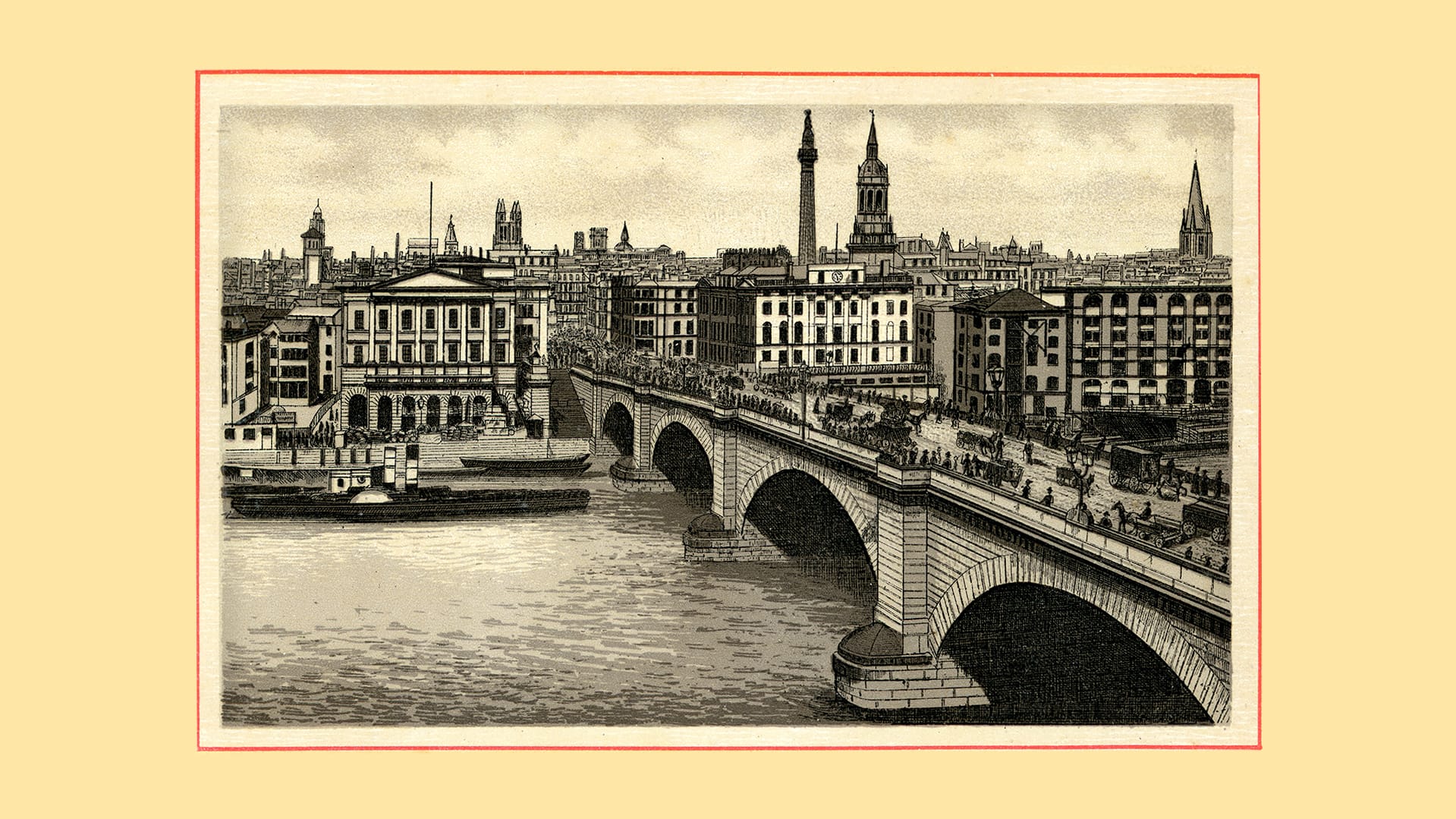
Conclusion: The Enduring Metaphor for Financial Resilience
“London Bridge is Falling Down” is far more than a simple children’s rhyme. It is a powerful and enduring metaphor that speaks to the fundamental truths of financial systems, economic cycles, and the importance of resilience. From the systemic risks that can threaten global markets to the personal financial decisions that shape individual lives, the lessons of the crumbling and rebuilding bridge are remarkably relevant. By understanding the parallels between this age-old melody and the complexities of finance, we gain a deeper appreciation for the need for robust infrastructure, prudent management, continuous innovation, and the unwavering importance of adapting to the ever-changing landscape of the global economy. The bridge may fall, but with wisdom and foresight, it can always be rebuilt, stronger and more resilient than before.
aViewFromTheCave is a participant in the Amazon Services LLC Associates Program, an affiliate advertising program designed to provide a means for sites to earn advertising fees by advertising and linking to Amazon.com. Amazon, the Amazon logo, AmazonSupply, and the AmazonSupply logo are trademarks of Amazon.com, Inc. or its affiliates. As an Amazon Associate we earn affiliate commissions from qualifying purchases.