
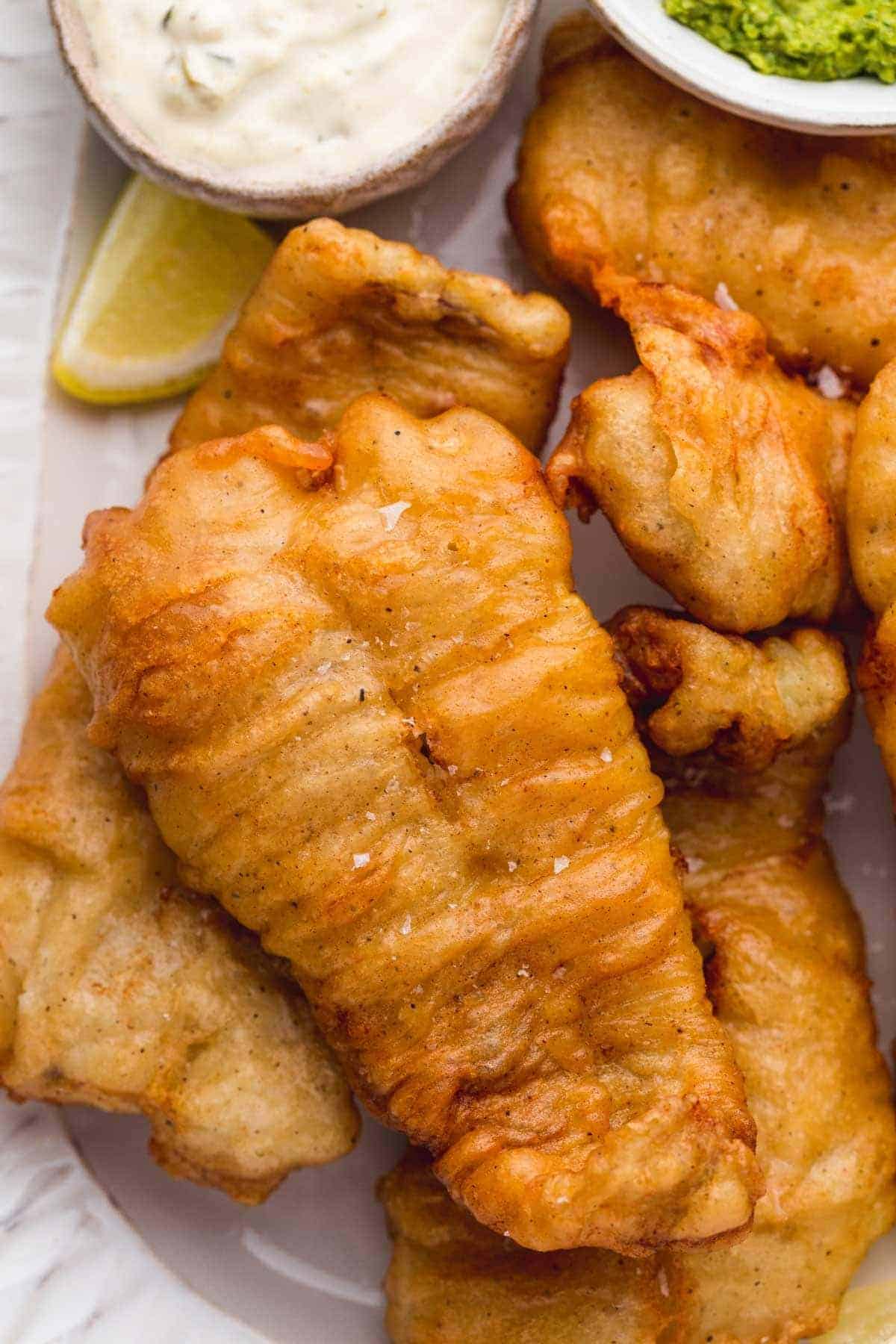
The term “beer battered” conjures images of golden, crispy fish and chips, or perhaps onion rings with an irresistible crunch. While it’s a staple of pub menus and comfort food across the globe, the seemingly simple act of beer battering is, in fact, a fascinating intersection of culinary science, ingredient technology, and innovation. Far from being a mere culinary descriptor, understanding “beer battered” reveals a sophisticated application of scientific principles to achieve specific textural and flavor outcomes, demonstrating how technology, in its broadest sense, enhances our everyday experiences. This exploration delves into the technological underpinnings of beer battering, examining the chemical reactions, ingredient interactions, and the evolution of techniques that contribute to its enduring appeal.
The Science of the Crispy Coating: Batter Composition and Technological Principles
At its core, beer batter is a suspension of flour and liquid, designed to create a protective and flavor-enhancing coating for fried foods. However, the inclusion of beer elevates this simple batter from mundane to exceptional, introducing a complex interplay of ingredients and scientific processes that contribute to its signature crispness and flavor.
The Role of Flour and Leavening Agents: A Foundation of Texture
Flour, typically wheat flour, forms the structural backbone of the batter. Its primary component, starch, gelatinizes when heated in the presence of moisture, creating a network that traps air and moisture. Protein, specifically gluten, is also crucial. When flour is hydrated and agitated, gluten strands form, contributing elasticity and strength to the batter, allowing it to adhere to the food and maintain its shape during frying.
Beyond flour, leavening agents are indispensable for achieving a light and airy texture. Baking powder and baking soda are common chemical leavening agents. Baking soda, a base, reacts with acidic components (often found in beer or added separately as buttermilk or vinegar) to produce carbon dioxide gas. Baking powder contains both an acid and a base, releasing gas when hydrated and again when heated. The carbon dioxide bubbles created by these agents are trapped within the batter’s gluten network. During frying, these trapped gases expand, creating pockets of air that result in a lighter, crispier crust that is less dense and greasy. This controlled expansion is a direct application of chemical principles to manipulate texture.
The “Beer” in Beer Battered: A Technological Advantage
The true innovation in beer batter lies in the substitution of water or milk with beer. This seemingly simple swap introduces a cascade of technological benefits that significantly impact the final product.
-
Carbonation: The Natural Leavening Accelerator: Beer is inherently carbonated, meaning it contains dissolved carbon dioxide. When incorporated into the batter, this dissolved CO2 provides an immediate source of gas, contributing to a lighter texture even before chemical leavening agents fully activate. This pre-existing effervescence acts as a technological boost, enhancing the initial aeration of the batter. The bubbles created by the carbonation of the beer, combined with those from leavening agents, create a microscopic, airy matrix within the batter.
-
Alcohol Content: A Deeper Dive into Crispness: The alcohol content in beer plays a surprising role in achieving superior crispness. Alcohol has a lower boiling point than water. During frying, the alcohol evaporates more rapidly than water. This quicker evaporation allows the batter to dry out and crisp up more efficiently, creating a desirable brittle texture. Furthermore, alcohol is a solvent and can inhibit gluten development. By partially interfering with the formation of long, tough gluten strands, the alcohol in beer leads to a more tender and less chewy batter. This controlled inhibition is a subtle but significant technological advantage.
-
Acidity and Flavor Profile: Enhancing Chemical Reactions and Palate Appeal: Most beers have a slightly acidic pH due to the brewing process (e.g., from malts and fermentation). This acidity can react with alkaline leavening agents like baking soda, accelerating the production of carbon dioxide and further contributing to the batter’s lightness. Beyond the chemical reactions, the inherent flavors of beer – malty, hoppy, or yeasty notes – are infused into the batter, adding a layer of complexity and depth that plain water or milk cannot replicate. This is a form of flavor infusion technology, leveraging the existing chemical compounds in the beverage to enhance the sensory experience.
The Frying Process: Applying Heat Transfer Technology for Optimal Results
The transformation of beer batter from a liquid to a crispy coating is a testament to the effective application of heat transfer technology. Frying, particularly deep-frying, is a rapid and efficient cooking method that relies on the principle of convection and conduction to cook food while simultaneously creating a desirable crust.
High-Temperature Oil: The Medium of Transformation
Deep-frying involves submerging food in hot oil, typically maintained at temperatures between 350°F and 375°F (175°C and 190°C). This high temperature serves multiple critical functions:
-
Rapid Surface Cooking and Crust Formation: The intense heat of the oil causes the outer layer of the batter to cook almost instantaneously. Water within the batter rapidly turns to steam and evaporates, while the starches gelatinize and the proteins coagulate, forming a solid, crispy structure. This rapid drying is essential for preventing the batter from becoming soggy.
-
Moisture Barrier and Internal Cooking: The hot oil also creates a temporary moisture barrier. As the outer layer crisps, it helps to seal in the food’s internal moisture, preventing it from escaping and leading to a tender interior. The heat then efficiently conducts through the batter and into the food, cooking it thoroughly.

- Maillard Reaction and Browning: At these high temperatures, the Maillard reaction, a complex series of chemical reactions between amino acids and reducing sugars, takes place. This is responsible for the desirable golden-brown color and the rich, savory flavors associated with fried foods. The precise control of oil temperature is a key aspect of this browning technology.
Oil Quality and Management: Ensuring Efficiency and Safety
The quality and management of the frying oil itself are crucial technological considerations for achieving perfect beer-battered results.
-
Oil Selection: Different oils have varying smoke points and flavor profiles. Common choices like canola oil, vegetable oil, or peanut oil are selected for their ability to withstand high temperatures without breaking down and imparting unpleasant flavors. The chemical stability of the oil at frying temperatures is a fundamental technological property.
-
Filtration and Maintenance: Over time, frying oil degrades due to the breakdown of food particles and the oil itself at high temperatures. Regularly filtering the oil removes these impurities, extending its lifespan and maintaining optimal frying performance. This filtration process is a practical application of separation technology. Maintaining the correct oil temperature is also critical. Too low, and the batter absorbs excess oil, becoming greasy. Too high, and the batter burns before the food is cooked through. Sophisticated frying equipment often incorporates thermostats and advanced heating elements to ensure consistent temperature control, a form of process control technology.
Innovation and Evolution in Beer Battering Techniques
While the fundamental principles of beer battering remain consistent, ongoing innovation and adaptation have led to refinements and variations in techniques, demonstrating a continuous evolution of this culinary technology.
Batter Consistency: The Art and Science of Rheology
Achieving the ideal batter consistency is paramount for successful beer battering. This is where rheology, the study of the flow of matter, comes into play. The viscosity of the batter – its resistance to flow – is crucial.
-
Thick vs. Thin: A batter that is too thick may result in a heavy, doughy coating. Conversely, a batter that is too thin will not adhere well to the food, leading to uneven coverage and a less substantial crust. The optimal consistency allows the batter to cling to the food in a relatively thin, even layer that will puff and crisp during frying.
-
Ingredient Ratios and Temperature: The ratio of flour to liquid, as well as the temperature of the ingredients, significantly impacts viscosity. Cold liquids tend to create thicker batters, while warmer liquids can lead to thinner batters. Many chefs and home cooks experiment with these ratios and temperatures to achieve their desired results. The use of electronic viscometers in professional kitchens can even be employed to precisely measure and control batter consistency, a direct application of measurement technology.
The Rise of Pre-made Batters and Baking Mixes: Convenience Technology
In recent years, the market has seen a proliferation of pre-made beer batters and baking mixes designed for home use. These products represent a form of convenience technology, simplifying the process for consumers. These mixes often contain carefully measured proportions of flour, leavening agents, and dehydrated ingredients that can be rehydrated with beer to create a consistent batter with minimal effort. This packaging and formulation technology ensures a reliable outcome, making beer-battered dishes more accessible.

Flavor Infusion and Modern Adaptations: Expanding the Technological Palette
Beyond the classic fish and chips, chefs and food innovators are constantly exploring new ways to leverage the beer-battering technique.
-
Specialty Beers: The choice of beer can significantly influence the final flavor. Stout, ale, lager, or even flavored beers can be used to impart distinct characteristics to the batter, adding a sophisticated layer of flavor technology.
-
Additives and Seasonings: Modern recipes often incorporate additional seasonings, spices, or even finely grated cheese into the batter to further enhance its flavor profile and create unique culinary experiences. These additions are, in essence, functional ingredients that contribute to a more complex flavor technology.
In conclusion, “beer battered” is far more than a simple culinary term. It represents a sophisticated application of scientific principles and technological innovation. From the chemical interactions of flour, leavening agents, and beer to the precise control of heat transfer during frying, the process is a masterclass in manipulating ingredients and energy to achieve desirable textural and flavor outcomes. As culinary science continues to evolve, the humble beer batter will undoubtedly remain a testament to the enduring power of technology to transform everyday ingredients into extraordinary culinary experiences.
aViewFromTheCave is a participant in the Amazon Services LLC Associates Program, an affiliate advertising program designed to provide a means for sites to earn advertising fees by advertising and linking to Amazon.com. Amazon, the Amazon logo, AmazonSupply, and the AmazonSupply logo are trademarks of Amazon.com, Inc. or its affiliates. As an Amazon Associate we earn affiliate commissions from qualifying purchases.