
The romantic image of a forest ranger often conjures visions of solitary figures patrolling vast wildernesses, a rifle slung over their shoulder, a trusty compass in hand. While elements of this picturesque portrayal hold true, the modern forest ranger’s role is far more multifaceted, encompassing a complex interplay of conservation, public service, and, increasingly, the strategic deployment of technology. Far from being a relic of a bygone era, the contemporary forest ranger is a vital steward of our natural landscapes, leveraging a diverse skill set to protect and manage our precious forest ecosystems. This exploration delves into the core responsibilities and evolving functions of a forest ranger, highlighting their indispensable contributions to environmental health and human enjoyment of the outdoors.

Guardians of the Green: Core Responsibilities and the Technological Edge
At its heart, the role of a forest ranger is one of stewardship – the active and responsible management of natural resources. This involves a broad spectrum of duties, from the boots-on-the-ground efforts of trail maintenance and wildfire suppression to the more analytical and strategic work of resource assessment and ecological monitoring. In recent years, the “boots on the ground” has increasingly been augmented by “eyes in the sky” and “data at their fingertips,” as technology has become an indispensable tool in their arsenal.
Wildfire Prevention and Suppression: A Constant Battle
Wildfires pose one of the most significant threats to forest ecosystems, and forest rangers are at the forefront of combating them. This duty extends beyond simply fighting active blazes. It involves a proactive approach to prevention, which includes:
Fuel Management and Prescribed Burns
Understanding fire behavior is crucial. Rangers meticulously assess vegetation types, density, and dryness to identify areas at high risk of ignition. This knowledge informs strategies for fuel management, which can involve mechanical thinning of undergrowth or, more strategically, the execution of prescribed burns. Prescribed burns, carefully controlled fires set under specific weather conditions, are vital for reducing fuel loads, preventing catastrophic wildfires, and promoting ecological health by stimulating the growth of certain plant species. This requires sophisticated understanding of fire science and precise execution, often aided by weather monitoring technology and GPS mapping to define burn perimeters.
Early Detection and Rapid Response
The ability to detect and respond to wildfires quickly is paramount. Historically, this relied on watchtowers and aerial patrols. Today, however, technology plays a transformative role. Rangers utilize:
- Advanced Weather Monitoring Systems: Sophisticated weather stations provide real-time data on temperature, humidity, wind speed, and lightning strikes, allowing for accurate fire danger ratings and predictive modeling.
- Remote Sensing and Satellite Imagery: Satellites equipped with thermal sensors can detect heat anomalies indicative of nascent fires, often before they are visible to the human eye. This allows for significantly faster detection and dispatch of resources.
- Drones (Unmanned Aerial Vehicles): Drones equipped with high-resolution cameras, thermal imaging, and even GPS mapping capabilities provide invaluable aerial reconnaissance. They can be deployed rapidly to assess fire size, spread, and intensity, identify access routes for firefighters, and monitor remote areas without risking human lives.
- Communication Technology: Robust radio systems, satellite phones, and cellular communication are essential for coordinating response efforts, reporting sightings, and ensuring the safety of firefighting crews. Mobile applications now allow for real-time tracking of fire perimeters and resource deployment.
Resource Management and Conservation: Stewardship in Action
Beyond fire, forest rangers are responsible for the holistic management of forest resources. This involves ensuring the long-term health and sustainability of the ecosystem, which includes a diverse array of flora and fauna.
Timber and Wildlife Management
While not always the primary focus in protected areas, understanding and managing timber resources is often a component of a ranger’s duties, particularly in national forests where sustainable harvesting may occur. This involves forest inventory, growth monitoring, and planning for reforestation. Similarly, wildlife management is crucial. Rangers conduct population surveys, monitor habitat health, and implement strategies to protect endangered species.
Invasive Species Control
Invasive plants and animals can wreak havoc on native ecosystems, outcompeting native species and altering ecological balances. Rangers are on the front lines of identifying, monitoring, and controlling these threats. This often involves:
- Geographic Information Systems (GIS): GIS software is indispensable for mapping the spread of invasive species, identifying priority areas for treatment, and tracking the effectiveness of control measures. Rangers use GPS devices to record precise locations of infestations.
- Remote Sensing Data: Satellite and aerial imagery can help identify large-scale infestations of invasive plants, particularly those that alter the landscape’s visual characteristics.
- Mobile Data Collection Apps: Specialized apps allow rangers to efficiently record data on invasive species sightings, including location, species, and severity, directly in the field. This data is then uploaded to centralized databases for analysis and strategic planning.
Monitoring Ecosystem Health
Understanding the overall health of the forest requires ongoing scientific observation. Rangers play a critical role in collecting data on various ecological indicators. This can include:
- Water Quality Monitoring: Assessing the health of streams and rivers within the forest by collecting water samples and analyzing them for pollutants or changes in pH and dissolved oxygen.
- Soil Analysis: Taking soil samples to assess nutrient levels, erosion, and the impact of human activities.
- Biodiversity Surveys: Conducting surveys to document the presence and abundance of various plant and animal species, using identification guides, camera traps, and acoustic monitoring devices.
- Climate Change Impact Assessment: Increasingly, rangers are tasked with monitoring how climate change is affecting forest ecosystems, observing shifts in species distribution, changes in growing seasons, and increased susceptibility to pests and diseases. This often involves utilizing long-term data sets and advanced analytical tools.
Enhancing Visitor Experience and Public Safety: The Ranger as Educator and Protector
Forest rangers are not just caretakers of the natural world; they are also key facilitators of the public’s interaction with it. Ensuring a safe and enjoyable experience for visitors while minimizing human impact is a significant aspect of their role.
Trail Maintenance and Infrastructure Management
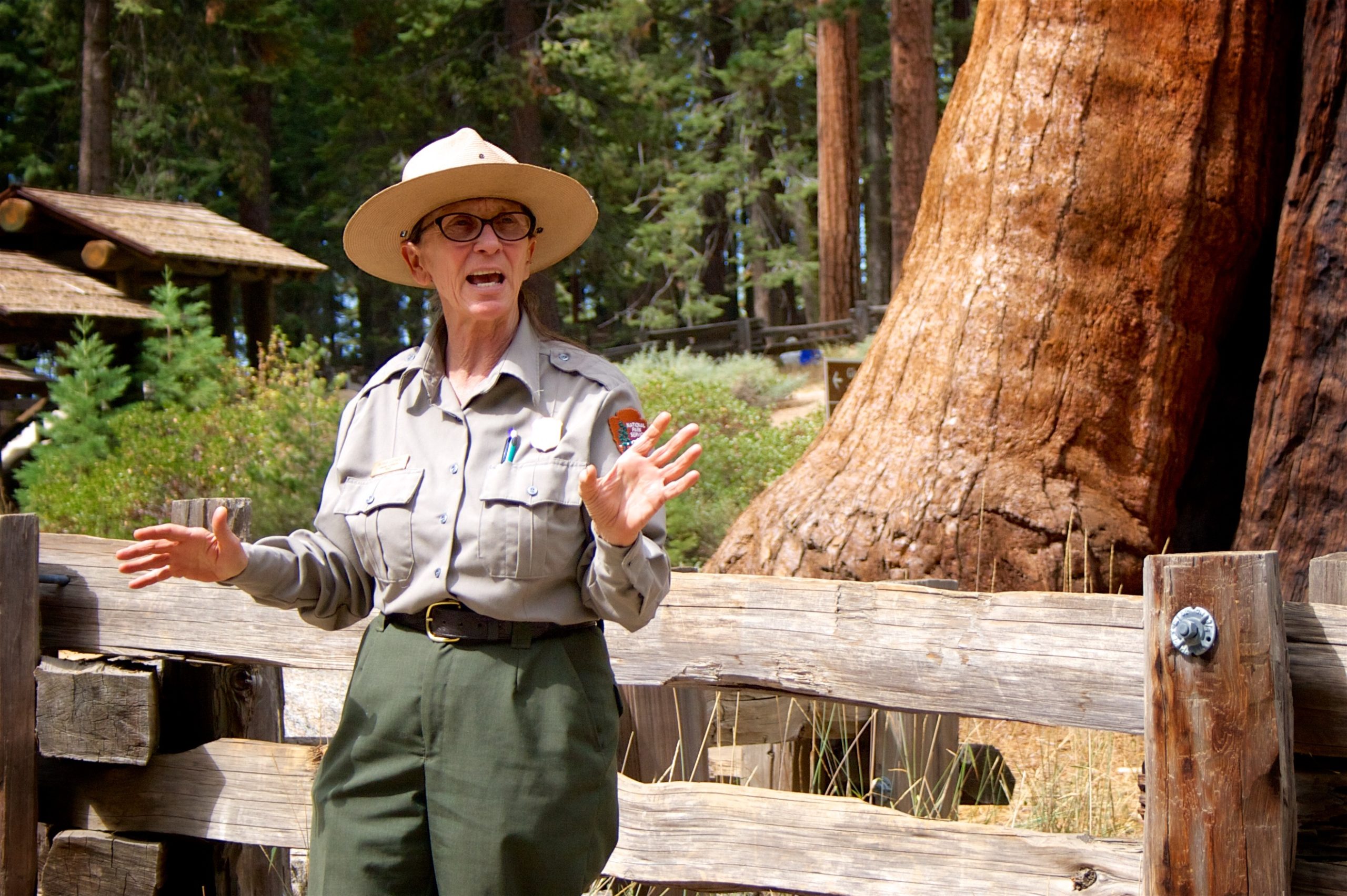
The extensive network of trails, campsites, and recreational facilities within forests requires constant upkeep. Rangers are responsible for:
- Trail Construction and Repair: Designing, building, and maintaining trails to prevent erosion, ensure accessibility, and protect sensitive areas. This involves using tools for clearing brush, leveling ground, and constructing bridges or boardwalks.
- Signage and Wayfinding: Installing and maintaining clear signage to guide visitors, inform them about trail conditions, and alert them to potential hazards.
- Facility Maintenance: Ensuring campsites, picnic areas, and restrooms are clean, safe, and functional. This includes trash removal, repairs to picnic tables, and ensuring proper waste disposal.
- Use of Digital Mapping and GPS: Increasingly, rangers utilize digital mapping tools to plan trail routes, track maintenance efforts, and provide accurate navigation information to the public through park websites and mobile apps.
Visitor Education and Outreach
A fundamental part of a ranger’s job is to educate the public about the natural environment and responsible recreation. This involves:
- Interpretive Programs: Leading guided walks, nature talks, and educational presentations to share knowledge about local flora, fauna, geology, and history.
- Information Dissemination: Providing information about park regulations, safety guidelines, and Leave No Trace principles to visitors. This can happen at visitor centers, through brochures, and increasingly via digital platforms.
- Enforcement of Regulations: While not primarily law enforcement officers, rangers do enforce park rules and regulations to protect natural resources and ensure visitor safety. This might involve issuing warnings or citations for activities like off-leash pets or illegal camping.
- Leveraging Digital Platforms for Information: Websites, social media, and mobile apps are now essential tools for rangers to disseminate information about trail closures, wildlife sightings, educational programs, and safety alerts to a wider audience. Interactive maps and virtual tours can also enhance visitor engagement.
Safety and Emergency Response
The wilderness, by its nature, presents inherent risks. Rangers are trained to respond to a variety of emergencies, ensuring the safety of both visitors and the environment.
Search and Rescue Operations
When visitors become lost or injured, forest rangers are often the first responders. They coordinate and participate in search and rescue operations, utilizing their knowledge of the terrain, navigation skills, and specialized equipment.
Medical Emergencies
Rangers are often equipped with first-aid and basic medical training to provide immediate assistance in the event of injuries or illnesses within the forest. They are trained to assess situations, stabilize patients, and coordinate with professional medical services for evacuation when necessary.
Hazardous Conditions and Incident Management
Rangers are responsible for identifying and mitigating hazardous conditions, such as unstable trees, rockfalls, or dangerous wildlife encounters. In larger incidents, they play a key role in incident command systems, coordinating the efforts of multiple agencies and personnel.
The Evolving Role: Embracing Data and Innovation
The traditional image of the forest ranger is being reshaped by the integration of cutting-edge technologies and data-driven approaches. This evolution is not about replacing human expertise but about augmenting it, allowing rangers to manage vast landscapes more effectively and efficiently.
Data Collection and Analysis for Informed Decision-Making
The sheer volume of data now accessible to rangers is transforming how they approach their work.
- Automated Data Logging: Sensors deployed throughout forests can continuously monitor environmental conditions like temperature, humidity, soil moisture, and air quality, providing continuous streams of data that would be impossible to collect manually.
- GIS and Remote Sensing Integration: As mentioned earlier, GIS is central to modern ranger work. It allows for the visualization of vast amounts of data, from vegetation maps and soil types to wildlife corridors and fire risk zones. Remote sensing data from satellites and aircraft provides large-scale ecological assessments and change detection capabilities.
- Predictive Modeling: By analyzing historical data, weather patterns, and ecological indicators, rangers can increasingly utilize predictive models for wildfire behavior, pest outbreaks, and the potential impact of climate change. This allows for proactive resource allocation and preventative measures.
- Citizen Science Platforms: Engaging the public through citizen science initiatives, where individuals can contribute observations and data (e.g., wildlife sightings, invasive species identification) via mobile apps, significantly expands the reach of data collection efforts.
Technological Tools for Enhanced Field Operations
Beyond data analysis, technology directly impacts the daily operations of forest rangers in the field.
- GPS and Navigation Devices: Essential for accurate location tracking, waypoint marking, and precise mapping of areas of interest, from fire perimeters to research sites.
- Drones for Monitoring and Surveying: Beyond wildfire detection, drones are used for wildlife surveys (e.g., counting herds from above), habitat assessment, and inspecting hard-to-reach areas of the forest.
- Ruggedized Mobile Devices and Apps: Smartphones and tablets, often in protective casings, are used for real-time data entry, accessing digital maps, communicating with dispatch, and utilizing specialized field applications for species identification or incident reporting.
- Communication Systems: Advanced radio systems, satellite phones, and encrypted communication networks ensure reliable contact in remote areas, critical for safety and coordinated responses.
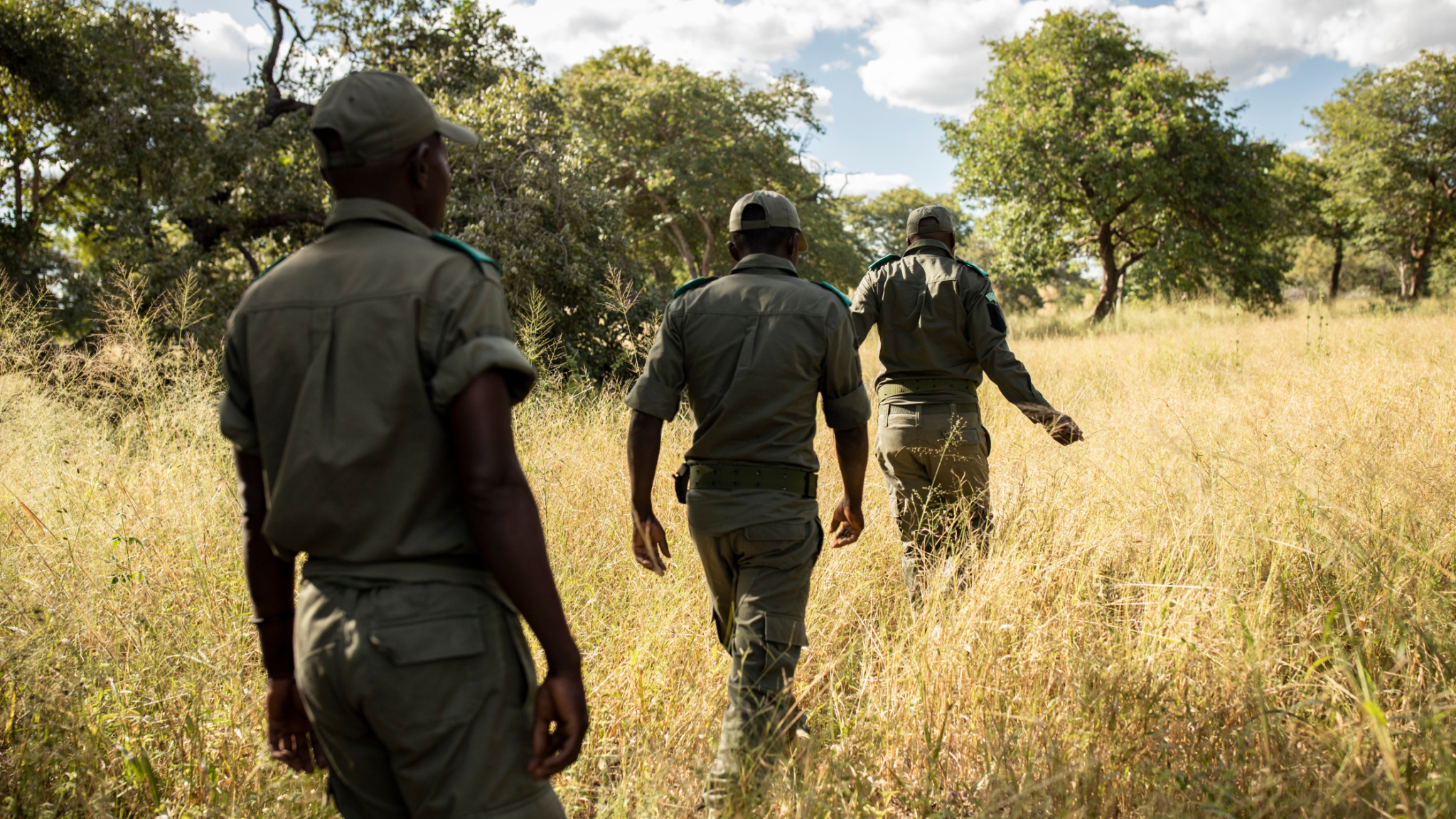
The Future of Forest Ranger Roles: Adaptability and Specialization
As technology continues to advance, the role of the forest ranger will undoubtedly continue to evolve. We can anticipate:
- Increased Reliance on Data Scientists and Analysts: As the volume and complexity of data grow, there will be a greater need for specialists who can interpret and leverage this information.
- Development of Specialized Tech-Savvy Rangers: Rangers with expertise in areas like GIS, drone operation, and remote sensing will become increasingly valuable.
- Integration of AI and Machine Learning: Artificial intelligence will likely play a greater role in analyzing complex datasets for predictive modeling, anomaly detection, and optimizing resource allocation.
- Emphasis on Interdisciplinary Collaboration: Forest rangers will continue to work closely with scientists, engineers, and other professionals to address the complex challenges facing our forests.
In conclusion, the forest ranger of today is a highly skilled professional who blends a deep understanding of ecological principles with a growing mastery of technological tools. Their commitment to conservation, public safety, and the wise management of our natural heritage ensures that these vital ecosystems will continue to thrive for generations to come. The future of forest ranger work is one of constant learning, adaptation, and the innovative application of technology to protect and preserve the invaluable gift of our forests.
aViewFromTheCave is a participant in the Amazon Services LLC Associates Program, an affiliate advertising program designed to provide a means for sites to earn advertising fees by advertising and linking to Amazon.com. Amazon, the Amazon logo, AmazonSupply, and the AmazonSupply logo are trademarks of Amazon.com, Inc. or its affiliates. As an Amazon Associate we earn affiliate commissions from qualifying purchases.