
The concept of a “fake ID” conjures up images of hastily printed cards used by minors to gain entry into age-restricted venues. However, in our increasingly digital world, the landscape of identification and its potential for forgery has evolved dramatically. While physical fake IDs persist, the true frontier of identification vulnerabilities lies within the digital realm. This article will explore the multifaceted nature of fake identification, focusing specifically on the technological aspects of how authentic identification is created, how forgeries attempt to mimic these technologies, and the digital security measures employed to combat them.
The Technological Underpinnings of Authentic Identification
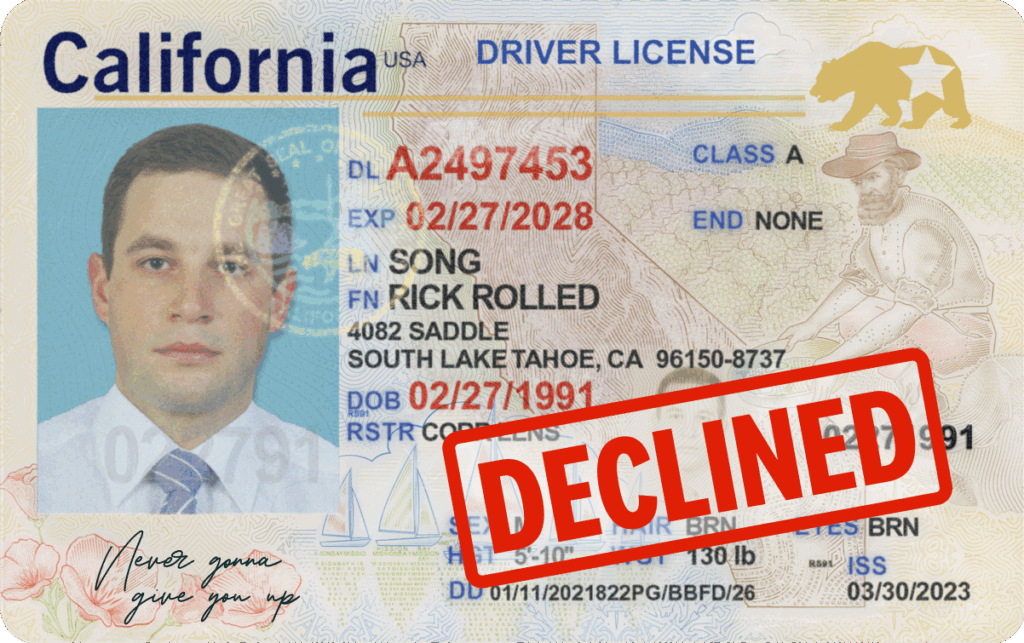
Modern identification documents, whether physical or digital, are far more than just pieces of plastic or lines of code. They are sophisticated systems designed to be difficult to replicate. Understanding these underlying technologies is crucial to appreciating the challenges of creating convincing fakes.
Physical Security Features: A Multi-Layered Defense
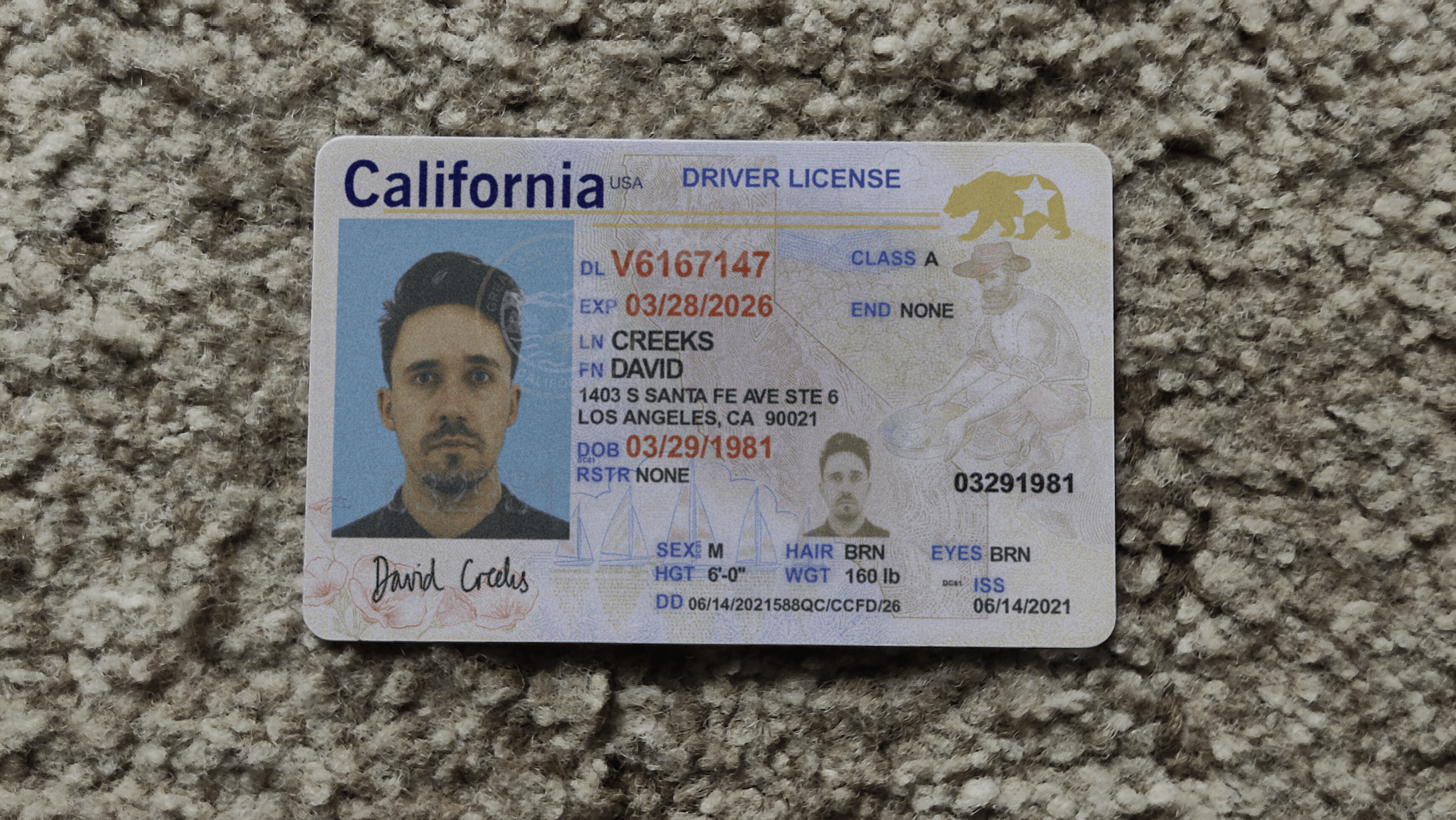
Traditional identification cards, such as driver’s licenses and passports, incorporate a range of physical security features designed to prevent counterfeiting. These features are often subtle and require specialized knowledge or equipment to replicate accurately.
Holograms and Optical Variable Devices (OVDs)
One of the most common and effective security features is the hologram. These are not static images; they are intricate optical illusions that shift and change color or design when viewed from different angles. The creation of these holograms involves advanced lithographic techniques and specialized equipment that are inaccessible to most counterfeiters. Optical Variable Devices (OVDs) are a broader category that includes holograms but also encompasses other technologies like iridescent inks and color-shifting pigments. These elements rely on complex light diffraction and reflection principles that are difficult to reproduce with standard printing methods. A well-executed hologram will exhibit smooth, detailed transitions and a bright, clear appearance, whereas a fake will often appear flat, blurry, or exhibit jerky, unnatural shifts.
Embedded Microprinting and Laser Engraving
Another layer of defense involves microprinting. This is text or imagery so small that it is imperceptible to the naked eye and can only be read under magnification. It’s often used to print dates, document numbers, or even intricate patterns within larger design elements. The precision required for microprinting is extremely high, demanding specialized high-resolution printers. Similarly, laser engraving allows for the creation of tactile elements or precise etchings that are difficult to replicate. These can include fine lines, portraits, or even textured backgrounds. The depth and consistency of laser engraving are key indicators of authenticity. Counterfeit microprinting might appear as a solid line under magnification, while real microprinting will clearly show individual characters. Laser-engraved elements on fakes may be shallow, uneven, or lack the characteristic sharpness of authentic work.
Special Inks and UV Fluorescent Features
Various types of specialized inks are employed to further deter forgery. These can include:
- UV Fluorescent Inks: These inks are invisible under normal light but glow brightly when exposed to ultraviolet (UV) light. They are often used for intricate patterns, logos, or hidden text. The color and intensity of the fluorescence can vary, and authentic UV features are typically precise and uniform. Fake UV inks might be too faint, the wrong color, or appear as a smudged or uneven glow.
- Infrared (IR) Inks: These inks absorb or reflect infrared light in specific ways, making them detectable by specialized scanners. This is a less visible security feature but is crucial for machine-readable identification.
- Security Threads: Many modern documents, like currency and some IDs, incorporate security threads woven into the paper or embedded within the plastic. These threads can contain text, images, or exhibit color-shifting properties.
Raised Printing and Tactile Features
Some identification documents utilize raised printing or embossing to create tactile features. This adds a physical dimension that is hard to replicate with standard printing processes. Running a finger over an authentic ID might reveal subtle textures or raised lettering that are absent or poorly imitated on a fake.
Digital Security Features: The Evolving Frontier
As the world transitions towards digital identities, the nature of fake IDs shifts from physical manipulation to digital deception. This involves compromising or mimicking digital security protocols.
Data Encryption and Digital Signatures
Authentic digital identification relies heavily on encryption to protect sensitive data and digital signatures to verify the authenticity and integrity of the document. Encryption scrambles data, making it unreadable to unauthorized parties, while digital signatures use cryptographic keys to confirm that the data has not been tampered with since it was signed by the issuing authority. A fake digital ID would either lack these robust security measures or attempt to mimic them using less secure or cracked algorithms, making it susceptible to detection.
Biometric Data Integration
Many advanced identification systems are beginning to incorporate biometric data, such as fingerprints, facial recognition data, or iris scans. This data is highly personal and extremely difficult to forge. The secure storage and retrieval of this biometric information are paramount. A fake ID that attempts to bypass biometric verification would either need to exploit vulnerabilities in the scanning or data matching process or present fabricated biometric data, which is a significant technological hurdle.
Secure Data Storage and Transmission Protocols
The systems that store and transmit digital identification information are designed with multiple layers of security. This includes secure databases, encrypted communication channels (like TLS/SSL), and access control mechanisms. Any attempt to create a fake digital ID would likely involve trying to exploit weaknesses in these protocols, such as man-in-the-middle attacks or SQL injection, to gain access to or manipulate legitimate data.
How Fake IDs Attempt to Mimic Authentic Technologies
Counterfeiters are constantly evolving their methods to replicate the security features of authentic identification. Their success often depends on the sophistication of their equipment, their understanding of the underlying technologies, and the resources they can access.
The Art of Physical Replication: From Print Shops to Advanced Scanners
While sophisticated, physical security features are not entirely invulnerable to replication. Counterfeiters leverage a range of tools and techniques.
High-Quality Printing and Laminating Techniques
The most basic fake IDs are often produced using standard printers and laminators. These are easily identifiable by their lack of sophisticated security features and often blurry or uneven printing. However, more advanced counterfeiters invest in high-resolution printers, specialized inks, and professional laminating equipment. They may also employ techniques to mimic the feel and thickness of authentic ID cards. The goal is to reproduce the visual fidelity of legitimate documents.
Replication of Holograms and OVDs
Replicating holograms is one of the most challenging aspects of physical ID forgery. While some counterfeiters attempt to use commercially available holographic stickers, these are usually easily distinguished from genuine, embedded holograms by their quality and lack of dynamic movement. More sophisticated attempts might involve creating custom holographic films, but this requires specialized optical engineering and manufacturing capabilities that are beyond the reach of most individuals. The lack of depth, the flatness of the image, and the unnatural color shifts are common giveaways.
Mimicking Microprinting and Laser Engraving
Counterfeiters may attempt to replicate microprinting by printing very small text at extremely high resolutions. However, the precision required for genuine microprinting is often beyond the capabilities of even advanced desktop printers. Under magnification, the text may appear as a solid line or be illegible. Similarly, replicating laser engraving can be attempted with CNC machines, but achieving the precise depth, texture, and uniformity of an authentic laser-engraved element is extremely difficult.

Fake UV and IR Features
Creating convincing fake UV or IR features is also a challenge. Counterfeiters might use readily available UV-reactive inks, but these often lack the specific spectral properties or placement of genuine UV features. They may also attempt to simulate IR reactivity with custom inks, but these are unlikely to match the precise absorption or reflection characteristics of authentic security inks.
The Digital Arms Race: Spoofing and Data Tampering
The creation of fake digital IDs presents a different set of challenges and opportunities for counterfeiters. The focus shifts from physical manipulation to exploiting software vulnerabilities and manipulating data.
Data Spoofing and Editing
The simplest form of digital fake ID involves spoofing or editing existing legitimate data. This could involve hacking into a system to alter an individual’s record or creating entirely fabricated digital credentials that mimic the format and structure of authentic ones. This often requires a good understanding of database structures and data formatting.
Advanced Cryptographic Attacks
More sophisticated digital forgeries might involve attempting to bypass or compromise cryptographic protections. This could include trying to crack encryption algorithms, forge digital signatures using stolen or compromised keys, or exploit vulnerabilities in the protocols used for digital identity verification. These attacks require significant technical expertise and computational resources.
Deepfakes and Synthetic Identity
The rise of AI has also introduced new possibilities for digital identity fraud. “Deepfake” technology can create highly realistic synthetic images and videos, which could be used to impersonate individuals in video-based identity verification processes. Synthetic identities, created by combining real and fabricated personal information, are another growing concern that can be used to obtain fake digital credentials.
Identifying Fake IDs: Technological Countermeasures and Detection Methods
The constant evolution of forgery techniques necessitates continuous development of countermeasures and detection methods. This is a perpetual arms race between those who seek to create fake IDs and those who seek to prevent them.
Physical Detection: Tools and Techniques for Verification
Law enforcement agencies, border control, and other authorized entities employ a range of tools and techniques to detect physical fake IDs.
Magnification and Lighting Tools
Basic but essential tools include high-powered magnifying glasses and UV lights. These allow for the examination of microprinting, the detection of UV fluorescent features, and the assessment of overall print quality. Different wavelengths of UV light might be used to reveal various security features.
Infrared Viewers and Specialized Scanners
More advanced detection involves infrared viewers and specialized scanners that can identify the unique spectral properties of IR inks and other embedded security features. These tools are crucial for machine-readable identification verification and can quickly identify inconsistencies that are not visible to the naked eye.
Tactile Examination and Edge Analysis
Experienced verifiers will also rely on tactile examination, feeling for raised printing, texture variations, or inconsistencies in the card material. The edges of the ID can also provide clues, as poorly manufactured fakes may have rough or uneven edges.
Machine Readable Zone (MRZ) and Chip Readers
Modern IDs often include a Machine Readable Zone (MRZ) on the back, which can be scanned by specialized readers. These zones contain encoded data that can be cross-referenced with other information. Similarly, IDs with embedded chips (e.g., e-passports) require specialized readers to verify the data stored on the chip and its cryptographic integrity.
Digital Detection: Safeguarding Online Identities
Preventing and detecting fake digital IDs requires robust digital security infrastructure and advanced analytical techniques.
Multi-Factor Authentication (MFA)
A fundamental defense against digital identity fraud is Multi-Factor Authentication (MFA). This requires users to provide at least two different forms of verification, such as a password and a one-time code sent to their phone, or a password and a biometric scan. This significantly increases the difficulty for a fraudster to gain unauthorized access.
Biometric Verification Systems
Advanced biometric systems, including facial recognition, fingerprint scanning, and iris scanning, are becoming increasingly sophisticated. These systems are designed to be highly accurate and difficult to spoof. Liveness detection, which ensures that the biometric being presented is from a live person and not a pre-recorded image or a mask, is a key component of these systems.
Data Anomaly Detection and AI-Powered Analytics
Sophisticated systems employ AI and machine learning algorithms to detect anomalies in digital identity data. These algorithms can identify patterns that are inconsistent with legitimate user behavior, such as unusual login times, locations, or patterns of data access. By analyzing vast amounts of data, AI can flag potentially fraudulent identities or transactions that might otherwise go unnoticed.
Blockchain and Decentralized Identity Solutions
Emerging technologies like blockchain and decentralized identity solutions offer new paradigms for secure and verifiable digital identification. Blockchain’s immutable ledger can provide a secure and transparent way to record and verify identity attributes, making it much harder to tamper with or forge digital credentials. Decentralized identity puts individuals in control of their own data, allowing them to selectively share verified attributes without relying on a single central authority.
In conclusion, the concept of a “fake ID” has evolved from simple physical forgeries to complex digital manipulations. Understanding the intricate technological safeguards embedded in authentic identification, the increasingly sophisticated methods of counterfeiters, and the ongoing development of advanced detection technologies is crucial in navigating the complexities of digital security and ensuring the integrity of our identities in an increasingly connected world. The battle against fake IDs is a testament to the continuous innovation within the field of digital security.
aViewFromTheCave is a participant in the Amazon Services LLC Associates Program, an affiliate advertising program designed to provide a means for sites to earn advertising fees by advertising and linking to Amazon.com. Amazon, the Amazon logo, AmazonSupply, and the AmazonSupply logo are trademarks of Amazon.com, Inc. or its affiliates. As an Amazon Associate we earn affiliate commissions from qualifying purchases.