
The question of “what does a car tracking device look like?” often conjures images of bulky, complicated equipment, reminiscent of spy movies. However, in reality, modern car tracking devices are far more sophisticated, compact, and versatile than one might imagine. These devices, a cornerstone of modern vehicle management and security, come in a variety of forms, each designed to meet specific needs and integrate seamlessly into the automotive ecosystem. Understanding their physical appearance is the first step to appreciating their technological prowess and the diverse applications they serve, from personal security to large-scale fleet management.
The evolution of car tracking devices has been driven by advancements in miniaturization, GPS technology, cellular communication, and battery life. What was once a specialized, expensive piece of equipment is now an accessible and often discreet technology. Whether you’re a concerned parent, a business owner managing a fleet, or an individual seeking enhanced vehicle security, knowing what these devices are and how they present themselves physically can demystify their operation and inform your choices.
This exploration delves into the physical manifestations of car tracking devices, dissecting their common designs, the internal components that define their functionality, and how these elements influence their appearance and integration into a vehicle.
The Physical Forms of Car Tracking Devices
Car tracking devices are not a one-size-fits-all solution. Their design is dictated by their intended application, power source, and installation method. This leads to a spectrum of physical appearances, ranging from discreet, easily concealable units to more robust, integrated systems.
OBD-II Port Trackers: The Plug-and-Play Solution
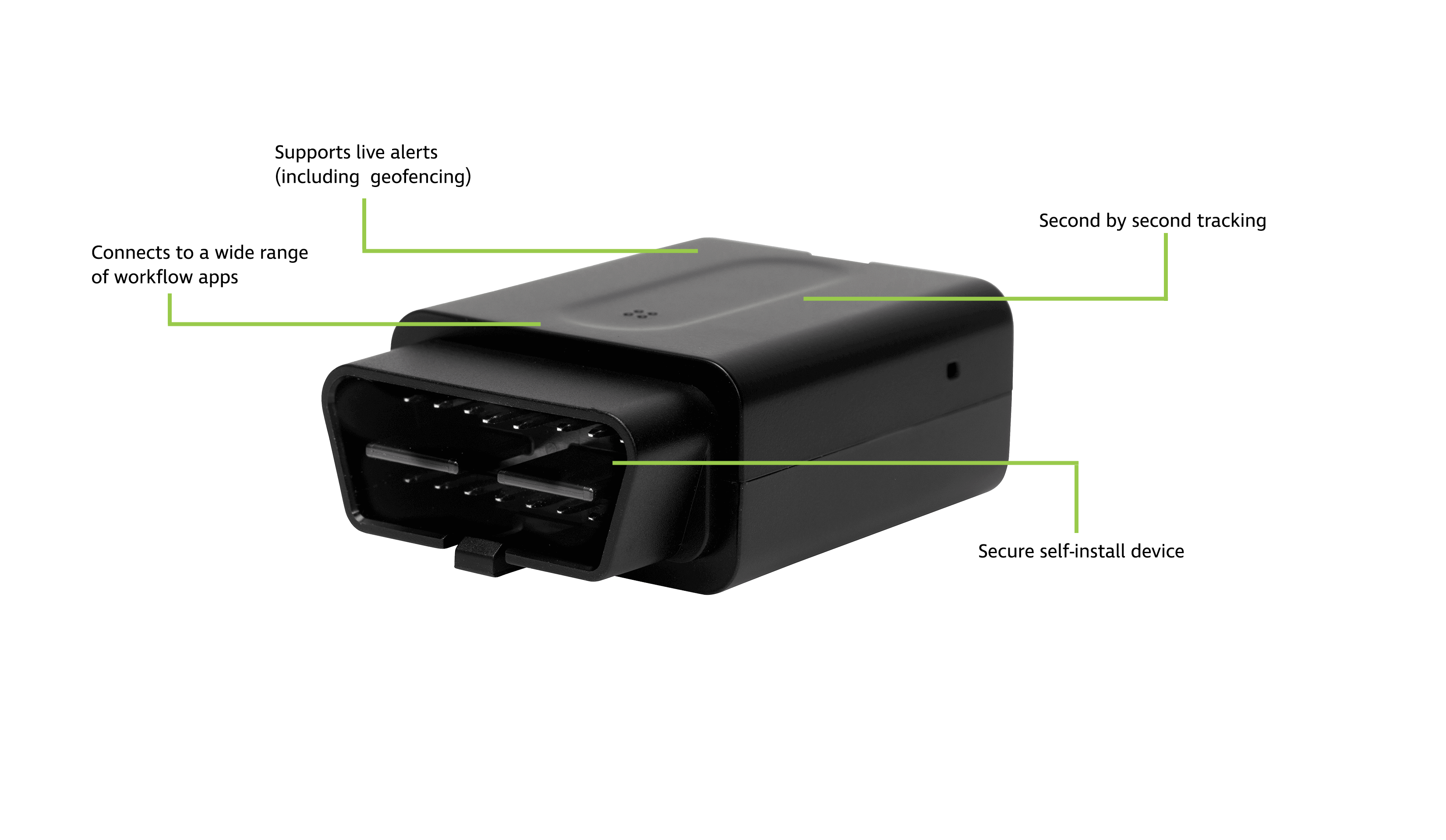
Perhaps the most common and user-friendly type of car tracker is the OBD-II (On-Board Diagnostics II) port tracker. These devices are designed to plug directly into your vehicle’s OBD-II port, a standardized diagnostic connector typically located under the dashboard, near the steering column.
- Appearance: Visually, OBD-II trackers are usually small, rectangular or slightly elongated modules, often made of durable black or dark gray plastic. They are designed to be compact enough to fit snugly into the port without obstructing any other components or the driver’s access. Many have a subtle, minimalist design with perhaps a single LED indicator light that might flash or remain steady to signify operational status. Some may even have a textured surface for a better grip during installation. The connector pins are a prominent feature, ensuring a secure mechanical and electrical connection.
- Installation: Their appearance is directly linked to their installation ease. You simply locate the OBD-II port in your car, align the tracker, and push it in until it clicks. No tools or wiring expertise are required, making them ideal for individuals who want a quick and temporary tracking solution, or for those who don’t want to tamper with their vehicle’s existing wiring.
Hardwired Trackers: The Discreet and Permanent Integration
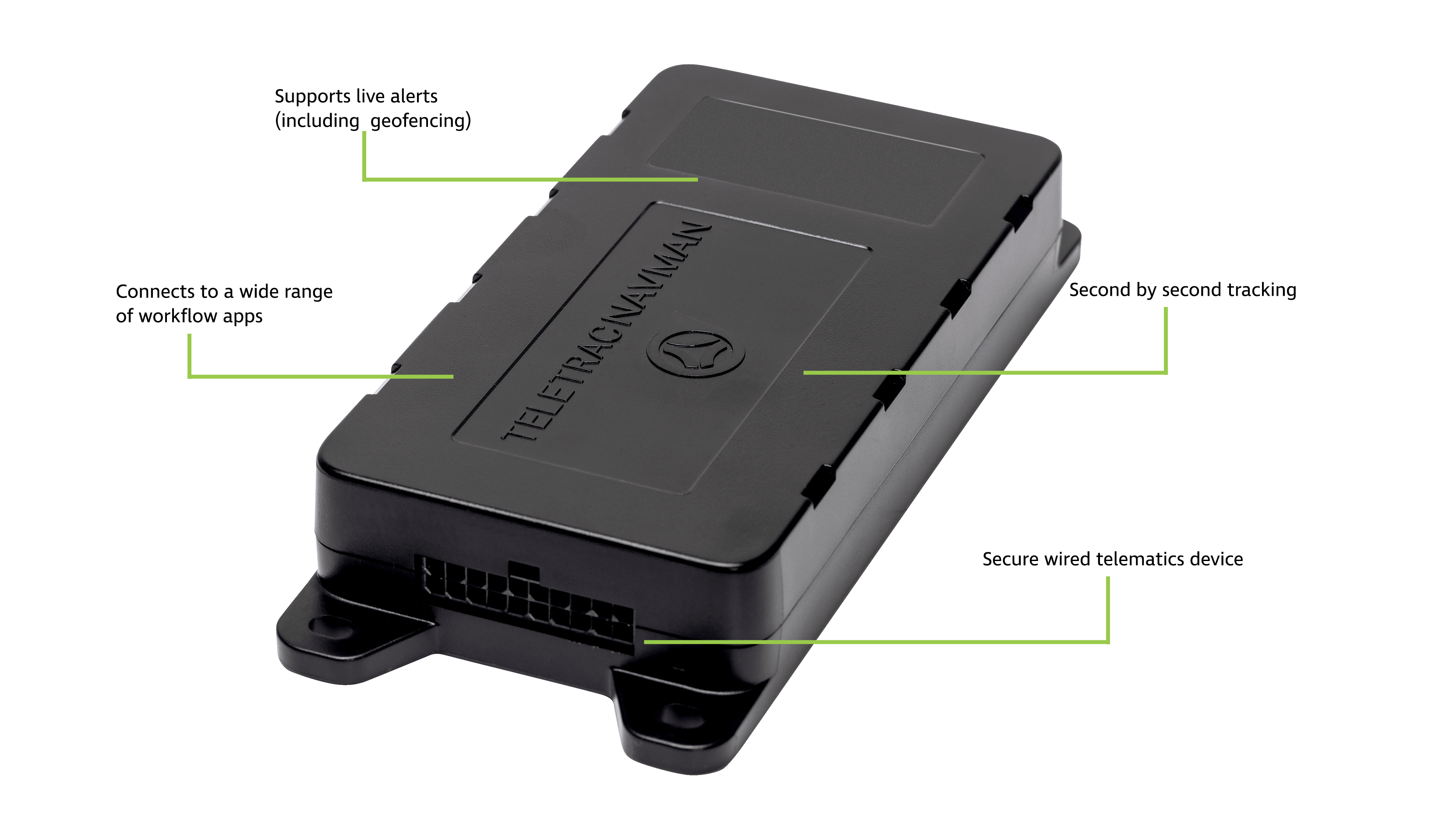
For a more permanent and less visible tracking solution, hardwired devices are employed. These trackers are wired directly into the vehicle’s electrical system, often drawing power from the battery or ignition system.
- Appearance: Hardwired trackers tend to be smaller and more modular than OBD-II trackers, as they don’t need to accommodate a bulky connector. They are typically small, encased boxes or modules, often made of black or dark plastic, designed to be easily hidden within the vehicle’s interior. They will have wires extending from them, which are meant to be connected to specific power and ground points within the car’s wiring harness. The wires themselves are usually color-coded for easier installation. Some advanced hardwired units might incorporate an internal battery as a backup in case the vehicle’s power is disconnected. Their design prioritizes stealth, making them less noticeable to casual inspection.
- Installation: The installation process for hardwired trackers is more complex, typically requiring some knowledge of automotive electrical systems or professional installation. The wires are routed discreetly and often secured with zip ties or tape to blend in with existing wiring looms. These are a popular choice for fleet management and security applications where tampering is a concern and a permanent, unobtrusive installation is desired.
Battery-Powered (Self-Contained) Trackers: Versatility in Placement
These trackers operate on their own internal battery and do not require connection to the vehicle’s power source. This offers significant flexibility in placement and makes them ideal for situations where traditional installation methods are not feasible or desirable.
- Appearance: Battery-powered trackers vary widely in size and shape, reflecting their diverse applications. They are often housed in small, rugged, and weather-resistant casings, frequently made of durable plastic. Some might resemble small black boxes, while others can be more cylindrical or even disc-shaped. The emphasis is on portability and concealment. They often feature magnetic casings to allow for easy attachment to metallic surfaces, such as the underside of the vehicle, inside the wheel well, or within the engine bay (if the enclosure is sufficiently heat-resistant). Their design often includes a visible on/off switch or a small button for activation. The battery compartment is typically sealed to protect against the elements.
- Installation: The “installation” here is more about placement and attachment. Due to their battery power and often magnetic mounting, they can be placed in a wide variety of locations. This makes them excellent for temporary tracking, asset tracking (beyond just cars, like trailers or heavy equipment), or for situations where you want to track a vehicle without it knowing. Their self-contained nature means they are entirely independent of the vehicle’s systems, simplifying their deployment but requiring attention to battery life and replacement.
Smart Devices and Integrated Systems: The Future of Tracking
Beyond dedicated tracking devices, the line between a car tracker and other smart devices is blurring. Many modern vehicles come with built-in telematics systems, and even consumer electronics are being adapted for tracking purposes.
- Appearance: This category encompasses a broad range. Integrated vehicle telematics systems are often hidden within the car’s dashboard or central console, accessible only by technicians. They are designed to be part of the vehicle’s original equipment. On the other hand, the use of smartphones for tracking has led to various apps and accessories. Some apps leverage the phone’s built-in GPS and cellular capabilities, making the phone itself the tracker. Other accessories might include dedicated GPS devices that pair with a smartphone, looking like small portable GPS units or even compact Bluetooth trackers that communicate with the phone. Wearable devices, like smartwatches, can also be integrated into tracking solutions, especially for monitoring drivers’ locations.
- Installation/Integration: For built-in systems, there is no “installation” from the user’s perspective; it’s a factory-fitted component. For smartphone-based solutions, the “installation” is the app download and setup. For accessory devices, it usually involves pairing with a smartphone via Bluetooth or Wi-Fi. This category represents a move towards seamless integration, where tracking is an inherent feature or easily added functionality rather than a standalone add-on.
The Internal Components That Shape Functionality and Appearance
While the external appearance is what we initially see, the internal components are what give a car tracking device its capabilities. These components influence the size, shape, power requirements, and ultimately, the effectiveness of the device.
GPS Receiver: The Heart of Location Determination
The Global Positioning System (GPS) receiver is the most critical component for any tracking device. It’s responsible for receiving signals from GPS satellites orbiting the Earth to pinpoint the device’s precise location.
- Impact on Appearance: Modern GPS chipsets are incredibly small and power-efficient. This miniaturization is a key reason why car tracking devices can be so compact and discreet. The size of the GPS antenna also plays a role; while some trackers have integrated antennas within their casing, others might have a small external antenna for better signal reception, which can subtly alter their profile. The need for a clear view of the sky for optimal GPS signal reception also influences where a device can be physically placed, and thus, its overall integration.
Communication Module (Cellular/Satellite): Transmitting the Data
Once a location is determined, the tracking device needs a way to communicate that data back to the user or a central server. This is typically achieved through cellular (GSM/GPRS/LTE) or, in some remote cases, satellite communication modules.
- Impact on Appearance: Cellular modules require a SIM card (or eSIM) and an antenna. The size of the cellular transceiver module and its associated antenna contribute to the overall dimensions of the device. In discreet, self-contained trackers, these components are meticulously integrated to minimize bulk. For devices requiring wider coverage, satellite communication modules might be used, which can sometimes be slightly larger due to the nature of satellite signal processing and the required antenna. The presence of a SIM card slot, if visible, is a physical indicator of this communication capability.
Microcontroller and Memory: The Brains of the Operation
A microcontroller serves as the device’s central processing unit, managing its functions, processing GPS data, and controlling the communication module. Memory chips store firmware, tracking logs, and other operational data.
- Impact on Appearance: These components are typically very small surface-mount devices (SMDs) that take up minimal space on the internal circuit board. Their miniaturization is fundamental to achieving the compact designs seen in modern trackers, especially in battery-powered and hardwired units where space is at a premium. The complexity of the microcontroller and the amount of memory can influence the board size, but advancements have made even powerful processors remarkably small.
Power Management and Battery: Fueling the Device
The power source is a critical factor determining the device’s size, lifespan, and installation method. This can range from a vehicle’s battery to internal rechargeable or replaceable batteries.
- Impact on Appearance:
- OBD-II Trackers: Draw power directly from the vehicle, so their design is not dictated by a large battery.
- Hardwired Trackers: Similarly, these rely on the vehicle’s power, allowing for very small enclosures.
- Battery-Powered Trackers: These are heavily influenced by their power source. Larger batteries are needed for longer operational life, leading to physically larger devices. The type of battery (e.g., AA, AAA, custom rechargeable lithium-ion) also affects the shape and dimensions. Weatherproof casings are often employed to protect these battery compartments and their contents. The need for battery access or replacement might also dictate a removable panel or casing design.
Sensors and Peripherals: Enhanced Functionality
Some advanced car tracking devices incorporate additional sensors to provide richer data beyond just location. These can include accelerometers, gyroscopes, temperature sensors, or even inputs for external switches.
- Impact on Appearance: While the core sensors themselves are often very small, their integration can sometimes necessitate slightly larger casings or additional external ports. For instance, a device with accelerometer capabilities, used for detecting driving behavior like harsh braking or acceleration, will have this functionality built into its internal circuit board without a significant visual change. However, if a device has external inputs for things like door open/close sensors, these ports will be visible on the exterior of the tracker.
Installation Methods and Their Physical Implications
The way a car tracking device is installed significantly influences its physical presence and how it appears within the vehicle. The method chosen is usually dictated by the device’s design and the user’s requirements.
Concealed Installation: The Stealth Approach
For security or discreet monitoring, installers aim to hide the tracking device as effectively as possible.
- Physical Manifestations:
- Under the Dashboard: OBD-II trackers are often plugged in and then pushed up behind the dashboard panel, rendering them almost invisible. Hardwired units are tucked away within the intricate network of wires and components beneath the dashboard, secured with zip ties and electrical tape to blend in.
- Inside Panels and Trim: Hardwired devices, particularly small modular units, can be secured within the door panels, under seats, or within the center console, utilizing existing voids.
- Under the Vehicle: Battery-powered, magnetic trackers are commonly attached to the underside of the car, often on the frame rails, near the fuel tank, or behind bumpers. These are chosen for their durability and weather resistance.
- Engine Bay: In some cases, particularly for ruggedized devices, they might be placed in the engine bay, provided they can withstand the heat and environmental conditions. This requires careful selection of devices designed for such harsh environments.
Visible Installation: For Convenience or Specific Purposes
While concealment is common, some installations are more visible, either by design or necessity.
- Physical Manifestations:
- OBD-II Port: While often hidden, an OBD-II tracker remains physically visible if the diagnostic port is easily accessible and the tracker is left plugged in without concealment.
- Windshield Mounts: Some GPS devices designed for personal use, similar to older standalone GPS navigators, might be mounted on the windshield. While not strictly “car trackers” in the security sense, they serve a similar location-tracking purpose and are clearly visible.
- Dashcam Integrated Trackers: Modern dashcams often include GPS tracking capabilities. These are mounted prominently on the windshield, and their tracking functionality is an integrated feature of a visible device.
Choosing the Right Device: Matching Form to Function
The diverse physical forms of car tracking devices are not arbitrary; they are a direct result of the technological capabilities and the specific use cases they are designed to serve. Understanding these physical characteristics is crucial for selecting the most appropriate device for your needs.
For Personal Vehicle Security and Peace of Mind
If your primary concern is recovering a stolen vehicle or knowing the whereabouts of a family member’s car, a discreet and reliable tracker is essential.
- Recommended Forms:
- Battery-Powered Trackers: Offer flexibility in placement (e.g., hidden inside the vehicle or attached magnetically underneath) and provide independent power, crucial if the vehicle’s battery is disconnected by a thief. Their robust and often weatherproof casings are designed for the rigors of vehicle environments.
- Hardwired Trackers: Provide a permanent and often more reliable power source, ensuring continuous tracking without battery concerns. Their small size allows for deep concealment within the vehicle’s interior.
For Fleet Management and Business Operations
Businesses managing multiple vehicles require robust, reliable, and often data-rich tracking solutions.
- Recommended Forms:
- OBD-II Port Trackers: Excellent for ease of installation and data retrieval. They often provide not just location but also diagnostic information (e.g., fuel consumption, engine fault codes) that can be valuable for fleet maintenance and driver behavior analysis. Their plug-and-play nature simplifies deployment across a large fleet.
- Hardwired Trackers: Offer a more permanent and tamper-proof solution for long-term fleet monitoring. They can be integrated with other vehicle systems and are less susceptible to being unplugged by drivers.

For Temporary or Asset Tracking
In situations requiring temporary tracking, or for assets beyond typical passenger cars (e.g., trailers, construction equipment), versatility in placement is key.
- Recommended Forms:
- Battery-Powered Trackers: Their self-contained nature and often magnetic mounting make them ideal for attaching to a wide range of assets where hardwiring or OBD-II connection is impractical or impossible. Their long battery life in many models ensures extended tracking periods.
In conclusion, “what does a car tracking device look like” is a question with a multifaceted answer. From compact, plug-and-play OBD-II units to discreetly wired modules and rugged, self-contained battery-powered devices, the physical form of these trackers is a testament to ongoing technological innovation. They are designed for integration, concealment, and functionality, ensuring that whether you’re safeguarding your personal vehicle, managing a commercial fleet, or tracking valuable assets, there’s a physical manifestation of this powerful technology ready to meet your specific needs.
aViewFromTheCave is a participant in the Amazon Services LLC Associates Program, an affiliate advertising program designed to provide a means for sites to earn advertising fees by advertising and linking to Amazon.com. Amazon, the Amazon logo, AmazonSupply, and the AmazonSupply logo are trademarks of Amazon.com, Inc. or its affiliates. As an Amazon Associate we earn affiliate commissions from qualifying purchases.