
In an increasingly digital world, the arrival of physical mail might seem like a quaint anachronism. Yet, for many, the question, “How do I find out what time my mail comes?” remains surprisingly relevant and, at times, critical. Whether you’re expecting an important financial document, a crucial business contract, a product shipment for your side hustle, or simply want to manage your day more efficiently, knowing when to anticipate your mail can be a significant advantage. This seemingly straightforward query, however, opens up a fascinating discussion that intersects with technology, personal and corporate branding, and even your financial well-being.
Gone are the days when guessing was your only option. Today, a blend of cutting-edge technology, strategic planning, and an understanding of its financial implications can empower you to gain unprecedented insight into your mail’s journey. This article will delve into how you can demystify your mail delivery times, transforming a simple act of anticipation into a strategic component of your daily operations, whether for personal productivity or professional success.
The Technological Edge: Harnessing Digital Tools for Mail Tracking
The most direct and immediate answer to knowing your mail delivery time lies in embracing modern technology. Postal services and private carriers have made significant strides in providing transparency and control over your physical mail and packages, integrating sophisticated tracking systems and notification services into user-friendly platforms.
Official Carrier Tracking Apps and Websites
The first line of defense in predicting mail arrival are the official services offered by major carriers. These platforms provide real-time updates, estimated delivery windows, and even visual previews of your incoming mail.
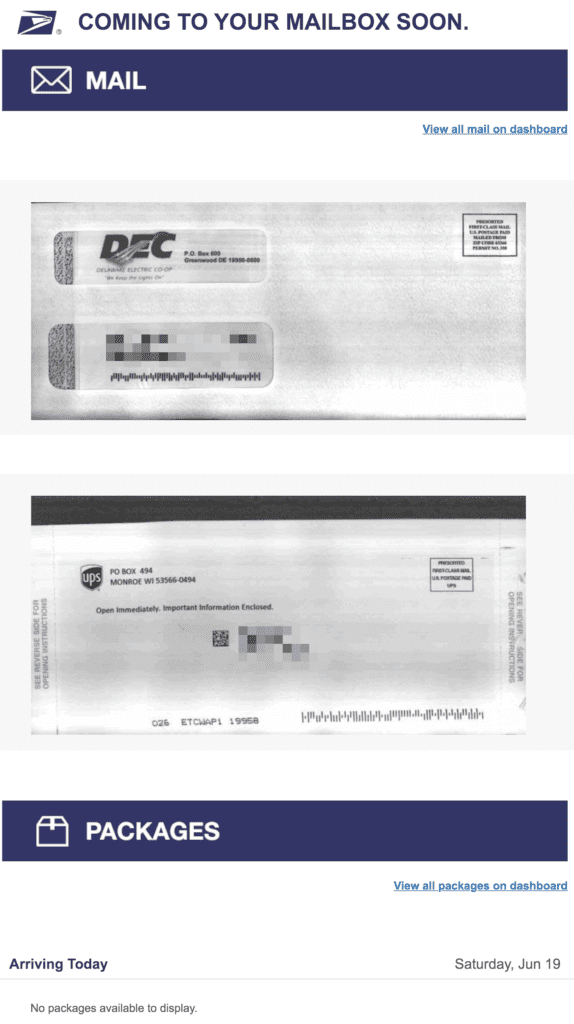
- USPS Informed Delivery®: For those in the United States, USPS Informed Delivery is an invaluable, free service. Once you sign up, you receive daily email notifications with grayscale images of the exterior of letter-sized mailpieces scheduled to arrive soon. For packages, it provides tracking information and estimated delivery dates. While it doesn’t give an exact time, knowing what is coming and which day it’s expected allows you to monitor your mailbox more strategically and plan accordingly. It’s particularly useful for general mail, bills, and other documents that might not have a separate tracking number.
- FedEx Delivery Manager®: FedEx offers a robust platform that allows you to customize your delivery experience. You can receive alerts via email or text, manage deliveries, place a hold, or even reroute packages. For account holders, it provides estimated delivery windows, which are often quite precise, especially for time-sensitive shipments.
- UPS My Choice®: Similar to FedEx, UPS My Choice provides proactive alerts about incoming packages. Members can get estimated delivery windows, change delivery locations, authorize release for packages requiring a signature, and even upgrade service for faster delivery. The notification system helps you anticipate the arrival of specific parcels and coordinate your schedule.
- DHL Express On Demand Delivery: For international shipments, DHL’s service offers similar flexibility, allowing recipients to reschedule, redirect, or hold deliveries, accompanied by comprehensive tracking and notification options.
These services move beyond mere tracking numbers; they create a personalized dashboard for your incoming mail and packages, putting control squarely in your hands. Integrating these notifications into your digital routine, perhaps by routing them to a specific email folder or using calendar reminders, can significantly boost your productivity and reduce anxiety about missed deliveries.
Smart Mailboxes and IoT Devices
Stepping into the realm of gadgets and the Internet of Things (IoT), smart mailboxes represent the next frontier in mail management. While still somewhat niche, these devices are designed to notify you the moment mail or packages arrive.
- How They Work: Smart mailboxes typically incorporate sensors (motion, weight, optical) and connectivity modules (Wi-Fi, Bluetooth) to detect when something has been deposited. Upon detection, they send an alert to your smartphone via a dedicated app. Some advanced models might even include cameras to verify contents or secure locking mechanisms.
- Future Implications: As AI tools become more sophisticated, we could see smart mailboxes integrating predictive analytics. Imagine a system that learns your carrier’s typical delivery patterns and provides more precise estimates based on historical data, weather conditions, traffic, and even real-time carrier location data. While this is largely future-forward, the current generation already offers a tangible benefit for real-time notification, eliminating the need for frequent trips to the mailbox.
General Productivity Apps and Calendar Integration
Even without carrier-specific tools, general productivity software can play a supporting role. If you know a package is due on a certain day, or if you’re using a service like Informed Delivery, you can:
- Set Calendar Reminders: Block out a flexible window in your digital calendar (Google Calendar, Outlook Calendar, Apple Calendar) for “Mail Check” or “Package Arrival.”
- Task Management Apps: Add “Check Mail” to your daily to-do list in apps like Todoist, Trello, or Asana, especially on days when important deliveries are expected.
- Automation Tools: For the more tech-savvy, services like IFTTT (If This Then That) or Zapier could potentially be configured to trigger actions based on email notifications from carriers, further streamlining your awareness.
By leveraging these technological solutions, the act of receiving mail moves from a passive waiting game to an active, informed, and integrated part of your daily planning.
Beyond the Inbox: The Strategic Importance of Mail for Brand & Reputation
While the immediate concern of knowing mail delivery times often stems from a personal need, its implications stretch far into the realms of personal branding, corporate identity, and overall reputation management. In an era dominated by digital communication, the physical touchpoint of mail retains a surprising weight, influencing perceptions and trust.
Personal Branding and Professionalism
For freelancers, consultants, small business owners, or anyone building a personal brand, the efficient management of physical mail can directly impact professionalism and reliability.
- Timely Receipt of Crucial Documents: Imagine awaiting a signed contract, a license renewal, a physical product sample for a client, or a networking piece. Missing or delaying the receipt of such items due to unknown delivery times can lead to missed deadlines, stalled projects, or even the perception of disorganization. Using tracking tools ensures you’re prepared to receive these items promptly, reflecting positively on your attentiveness and professionalism.
- Maintaining a Polished Image: A cluttered or neglected mailbox can subtly detract from a professional image, especially if it leads to overlooked important communications. Conversely, an organized approach to mail, facilitated by knowing delivery times, demonstrates attention to detail and efficiency—qualities highly valued in any professional sphere. For creative professionals, receiving and reviewing physical proofs or materials on schedule is vital for maintaining project timelines and client satisfaction.
Corporate Identity and Customer Experience
For established businesses, the management of physical mail, both incoming and outgoing, is intrinsically linked to corporate identity and the overarching customer experience.
- Customer Communication and Product Delivery: Brands frequently rely on physical mail for marketing collateral, warranty information, product samples, and, most critically, the delivery of physical goods purchased by customers. Knowing when customer returns arrive allows for prompt processing, which directly impacts customer satisfaction and loyalty. Similarly, being able to track inbound inventory shipments ensures products are available when promised, supporting the brand’s reliability.
- Impact of Delivery Reliability: A brand’s promise extends to the reliability of its delivery. If customers experience frequent delays, missed deliveries, or lack of transparency regarding their physical shipments, it erodes trust and damages the brand’s reputation. Conversely, businesses that proactively provide tracking information, clear delivery estimates, and flexible options (like those offered by carrier services) enhance the customer experience, reinforcing a positive brand image.
- Managing Sensitive Information: Many businesses still rely on physical mail for sensitive client information, legal documents, or financial reports. Ensuring the secure and timely receipt of such mail is paramount for maintaining client trust and safeguarding the brand’s reputation against data breaches or compliance issues. Utilizing tracking and delivery notifications adds an extra layer of security awareness.
Digital Security and Reputation Management
In an age where data breaches are rampant, the security of physical mail, often overlooked, plays a critical role in a holistic digital security strategy and, consequently, reputation management.
- Identity Theft Prevention: Physical mail often contains personally identifiable information (PII) like account numbers, addresses, and even social security numbers. Knowing when your mail arrives allows you to retrieve it promptly, reducing the risk of “mailbox fishing” and identity theft. This proactive step protects not only personal data but also a brand’s reputation, especially if client information is involved.
- Protecting Brand Reputation: For businesses, a lapse in securing physical mail—whether inbound sensitive documents or outbound customer information—can lead to significant reputational damage. Lost contracts, mishandled legal notices, or customer data exposed through physical mail can be as detrimental as a cyberattack. Integrating mail tracking and secure retrieval protocols contributes to a comprehensive security posture, demonstrating a commitment to safeguarding information.
By acknowledging and strategically managing the physical mail dimension, individuals and businesses alike can bolster their brand, enhance professionalism, and protect their valuable reputation in a competitive landscape.
The Financial Imperative: Connecting Mail Delivery to Your Bottom Line
Beyond convenience and reputation, knowing when your mail arrives has a tangible impact on your financial health, affecting everything from personal budgeting to business cash flow and investment management. The physical mailbox, though often overlooked, can be a crucial conduit for financial information and transactions.
Personal Finance Management and Avoiding Penalties
For personal finance, the timely receipt of physical mail can be the difference between financial stability and unnecessary expenses.
- Bills and Statements: Despite the push for paperless billing, many crucial bills (utilities, insurance, medical) and financial statements (bank, credit card, loan) still arrive via physical mail. Knowing their arrival time allows you to check your mailbox promptly, ensuring you don’t miss payment due dates. Late fees, interest charges, and negative impacts on credit scores can be easily avoided by staying on top of your incoming financial documents.
- Checks and Reimbursements: While direct deposit is prevalent, some checks—from tax refunds, insurance payouts, or even unexpected windfalls—still arrive by mail. Anticipating their arrival allows for quicker deposit, improving your cash flow and giving you faster access to your funds. The same applies to expense reimbursements or smaller income streams that might still use physical checks.
- Managing Financial Offers: Credit card offers, loan solicitations, and investment opportunities often come through the mail. Being aware of these arrivals allows you to review legitimate offers and, equally important, to shred or dispose of unwanted solicitations securely to prevent identity theft.
Business Finance, Inventory, and Cash Flow
For entrepreneurs, side hustlers, and small businesses, the mail system is an integral part of the supply chain and financial operations.
- Inventory Management for E-commerce: Businesses that deal with physical products rely heavily on mail and package delivery. Tracking inbound shipments of raw materials or finished goods is critical for inventory management, preventing stockouts, and fulfilling customer orders on time. Delays in receiving inventory directly impact sales, customer satisfaction, and can lead to lost revenue. Knowing expected delivery times allows for proper staffing and preparation for receiving goods.
- Receiving Business Checks and Documents: For businesses still receiving payments via check, or those expecting tax documents (like 1099s from clients or vendors), legal notices, or supplier invoices, prompt mail retrieval is vital. Delays can impact cash flow, hinder tax preparation, or even lead to missed legal deadlines. Utilizing carrier tracking for incoming payments ensures funds are deposited as quickly as possible, optimizing working capital.
- Cost Implications of Delays: Missed or delayed deliveries of critical business items can incur significant costs—expedited shipping fees for replacements, penalties for late submissions, or even lost business due to unfulfilled orders. Proactive mail tracking minimizes these risks and helps maintain a healthy financial bottom line. Financial tools integrated with inventory or accounting software can further streamline the process by alerting you to incoming goods or payments.
Investment Opportunities and Financial Documents
Even for investors, physical mail continues to play a role, albeit a diminishing one for many.
- Investment Statements and Dividends: While many brokerage firms offer digital statements, some investors still receive physical quarterly or annual reports, dividend checks, or shareholder meeting notices via mail. Timely receipt ensures you’re informed about your portfolio’s performance and any corporate actions.
- Important Shareholder Communications: Proxy statements, merger notifications, or other critical corporate communications can arrive by mail. Being aware of their arrival allows investors to make informed decisions or participate in shareholder votes.
By recognizing the financial connections to mail delivery, individuals and businesses can employ a more strategic approach to managing their physical mail, safeguarding their assets, and optimizing their financial health.
Practical Insights: Understanding and Optimizing Your Mail Experience
While technology offers powerful tools and strategic thinking highlights the importance of mail, practical knowledge and proactive steps can further refine your mail experience, helping you get closer to knowing “what time my mail comes.”
Understanding Local Post Office Operations
Your local postal carrier operates within a specific routine, and understanding some of these localized factors can provide general insight into your delivery window.
- General Delivery Windows: Most postal routes are consistent. Your mail carrier likely arrives at your address around the same time each day, give or take an hour or two, unless there are unusual circumstances. Observing this pattern over a week or two can give you a rough estimate.
- Factors Influencing Delays: Be aware that various factors can impact daily delivery times:
- Weather: Severe weather conditions (snow, heavy rain, extreme heat/cold) can slow down carriers.
- Volume: Peak seasons (holidays, tax season) or days following holidays often mean higher mail volume, leading to later deliveries.
- Staffing Changes: New carriers on a route or staffing shortages can temporarily alter delivery times.
- Traffic and Road Conditions: Local traffic, construction, or accidents can also cause delays.
- Communicating with Your Local Carrier or Post Office: For specific issues or if you have a recurring problem, you can politely inquire with your mail carrier (if you catch them) or contact your local post office directly. They can sometimes provide more specific information about your route’s typical delivery window. However, remember they are often on tight schedules.
Proactive Mail Management Techniques
Beyond tracking and observation, some proactive measures can help you manage your mail more effectively.
- Consolidating Mail (P.O. Box): If you frequently receive critical mail or packages and struggle with home delivery timing or security, consider renting a Post Office Box or a private mailbox service. These often provide a more predictable retrieval time (e.g., mail is sorted and available by a certain hour each day) and enhanced security.
- Digital Alternatives Where Possible: For financial statements, bills, and certain business communications, opt for digital delivery whenever feasible. This reduces reliance on physical mail, improves security, and provides instant access to documents, minimizing the need to track physical mail at all. However, it’s crucial to distinguish between what can be digital and what must remain physical.
- Setting Realistic Expectations: While technology offers significant transparency, there are limits to precise, minute-by-minute predictions for general mail delivery, especially for residential addresses. Embrace the tools available to get the best possible estimate, but also maintain a degree of flexibility. Focus on the day of delivery for most items and be prepared for specific, tracked packages within their estimated windows.
By combining technological solutions with an understanding of operational nuances and proactive management strategies, you can take control of your mail experience, transforming the once-uncertain arrival of physical mail into a predictable and manageable part of your daily routine.
Knowing when your mail comes is no longer a matter of mere curiosity; it’s a strategic advantage that can impact your productivity, protect your reputation, and secure your financial interests. By embracing the technological advancements offered by carriers, understanding the nuanced role mail plays in personal and corporate branding, and recognizing its direct links to financial well-being, you empower yourself with information. From the convenience of a smartphone notification about an impending package to the strategic management of critical business documents, leveraging these insights transforms the seemingly simple act of checking the mail into a sophisticated component of modern life, ensuring you’re always one step ahead.
aViewFromTheCave is a participant in the Amazon Services LLC Associates Program, an affiliate advertising program designed to provide a means for sites to earn advertising fees by advertising and linking to Amazon.com. Amazon, the Amazon logo, AmazonSupply, and the AmazonSupply logo are trademarks of Amazon.com, Inc. or its affiliates. As an Amazon Associate we earn affiliate commissions from qualifying purchases.