
The natural world is a boundless source of inspiration for technological innovation. From the aerodynamic efficiency of bird wings influencing aircraft design to the adhesive properties of gecko feet paving the way for new climbing technologies, nature’s solutions are often elegant, robust, and remarkably effective. Among the many evolutionary marvels, the prehensile tail stands out as a particularly compelling example of biological engineering, offering a unique blend of dexterity, strength, and adaptability. But what exactly is a prehensile tail, and how is this fascinating biological adaptation becoming increasingly relevant to the world of advanced technology, particularly in robotics and artificial intelligence?
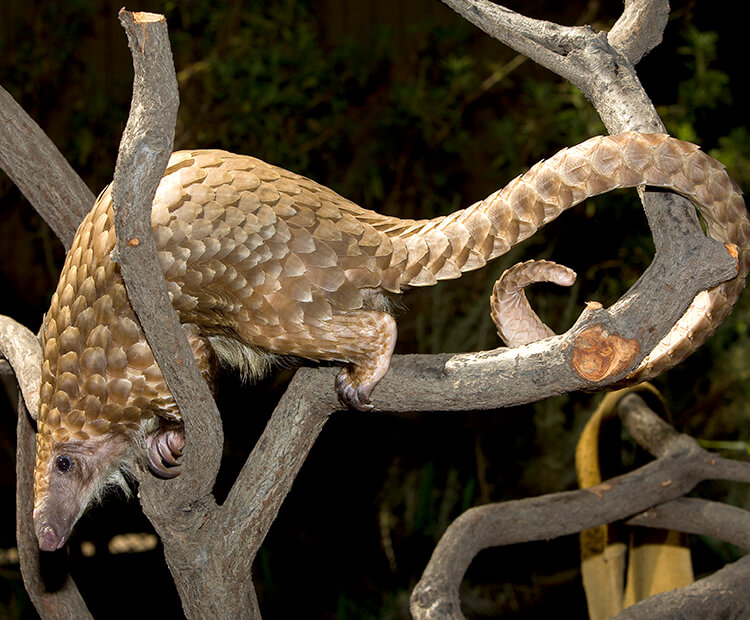
At its core, a prehensile tail is an appendage that has evolved the ability to grasp, hold, and manipulate objects. Unlike a typical tail, which might be used for balance, communication, or propulsion, a prehensile tail functions as an additional limb, capable of intricate movements and providing a secure anchor. This remarkable capability allows animals possessing them to navigate complex environments, forage for food, and even swing through arboreal habitats with an agility that would be impossible otherwise. The engineering principles behind this biological marvel are now being meticulously studied and translated into the design of sophisticated robotic systems, aiming to imbue machines with a comparable level of dexterity and functional versatility.
The Biological Blueprint: Anatomy and Function of a Prehensile Tail
Understanding the biological underpinnings of a prehensile tail is crucial to appreciating its technological potential. These tails are not merely extensions of the spine; they are complex structures with specialized musculature, skeletal arrangements, and sensory feedback mechanisms that allow for precise and controlled manipulation.
Musculoskeletal Sophistication
The musculature of a prehensile tail is significantly more developed than that of non-prehensile tails. A dense network of muscles allows for fine motor control, enabling the tail to twist, bend, and curl with remarkable precision. This intricate muscular arrangement provides the force needed to grip objects securely, whether it’s a delicate leaf or a sturdy branch. The skeletal structure often includes a greater number of vertebrae, allowing for increased flexibility and a wider range of motion. In some species, the distal portion of the tail may even exhibit reduced ossification, becoming more cartilaginous and flexible, further enhancing its gripping capabilities.
Sensory Integration and Feedback
Crucially, a prehensile tail is not a blind manipulator. It is equipped with sensory receptors – proprioceptors and mechanoreceptors – that provide the animal with crucial feedback about the texture, shape, and pressure of the object being grasped. This sensory information is transmitted to the central nervous system, allowing for immediate adjustments in grip strength and position. This closed-loop system of sensing and action is a hallmark of sophisticated control, enabling the tail to adapt to varying grip requirements without conscious effort from the animal. This biological proprioception is a key target for replication in robotic systems, aiming to provide artificial limbs with a sense of “touch” and spatial awareness.
Diversity in Nature: From Primates to Reptiles
The prehensile tail is not confined to a single group of animals. It has evolved independently in several distinct lineages, showcasing nature’s iterative approach to problem-solving. New World monkeys, such as capuchins and spider monkeys, are perhaps the most well-known examples, using their tails as a fifth limb for locomotion and foraging. However, other animals also exhibit this trait. Certain species of opossums, kinkajous, and even some snakes, like the boa constrictor, possess prehensile tails that aid in climbing, hunting, and anchoring themselves. Studying this diversity reveals different evolutionary pathways and functional specializations, offering a rich palette of biological designs for engineers to draw inspiration from.
Engineering Inspired by Evolution: Prehensile Tails in Robotics
The remarkable capabilities of the prehensile tail – its dexterity, grip strength, and integrated sensory feedback – make it an ideal model for developing advanced robotic systems. Engineers are increasingly looking to these biological solutions to overcome limitations in current robotic manipulation and mobility.
The Rise of Bio-Inspired Robotic Manipulators
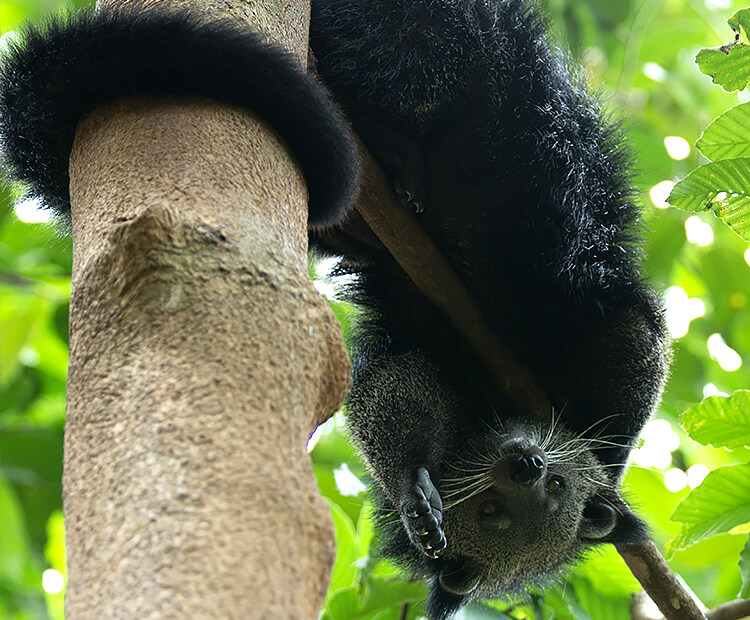
Robotic arms and grippers have made significant strides, but they often struggle with the nuanced manipulation that humans and many animals perform effortlessly. The precise articulation and adaptive grip of a prehensile tail offer a compelling blueprint for next-generation robotic manipulators. Researchers are developing robotic “tails” that mimic the musculature and segmented structure of their biological counterparts. These artificial tails can be equipped with a variety of end-effectors, from simple pincers to sophisticated, multi-fingered grippers, allowing them to handle delicate objects, navigate cluttered environments, and even perform complex assembly tasks. The ability to curl around objects, provide a stabilizing counter-balance, or act as a temporary support structure opens up new possibilities for robotic applications in logistics, manufacturing, and exploration.
Enhancing Mobility and Stability in Autonomous Systems
Beyond manipulation, the principles behind prehensile tails are also influencing the design of mobile robots and drones. The ability of a prehensile tail to anchor itself and provide a stable base is invaluable for robots operating in unpredictable or challenging terrain. Imagine a rescue robot that can secure itself to a precarious ledge using a robotic tail, allowing it to survey a disaster zone without the risk of falling. Similarly, in the drone industry, concepts inspired by prehensile tails are being explored for improved stabilization and landing. A drone equipped with a flexible, grasping appendage could latch onto surfaces, reducing the need for complex landing gear and enabling it to operate in confined or unstable environments, such as dense forests or urban landscapes. This adaptability is crucial for extending the operational envelope of autonomous systems.
The Role of Soft Robotics and Advanced Materials
The development of soft robotics, which utilizes compliant and deformable materials, is a natural fit for replicating the fluidity and adaptability of prehensile tails. Unlike traditional rigid robotic components, soft robotic actuators can conform to the shape of objects, providing a more secure and gentle grip. Researchers are experimenting with pneumatic or hydraulic systems embedded within flexible materials to mimic the controlled inflation and deflation that drives the grasping action of a biological tail. Furthermore, the integration of advanced sensor technologies – such as stretchable electronics and haptic feedback sensors – is crucial for imparting the sophisticated sensory capabilities of a prehensile tail to artificial systems. These sensors can detect pressure, texture, and even temperature, allowing robots to “feel” their environment in a way that was previously impossible.
The Future of Dexterity: Prehensile Tails and the AI Frontier
The integration of artificial intelligence (AI) with bio-inspired robotic systems promises to unlock unprecedented levels of autonomy and capability. As AI algorithms become more sophisticated, they can leverage the inherent advantages of prehensile tail-like designs to perform increasingly complex tasks.
AI-Driven Control and Learning for Robotic Gripping
One of the most exciting frontiers is the application of AI to control these bio-inspired robotic manipulators. Machine learning algorithms can be trained on vast datasets of natural prehensile tail movements to learn optimal gripping strategies for a wide variety of objects and scenarios. This allows robotic tails to adapt dynamically to changing conditions, learn from experience, and improve their performance over time. For instance, an AI system could learn to adjust its grip pressure based on the perceived fragility of an object, much like an animal would. This intelligent adaptation is a significant step towards creating robots that can interact with the physical world with human-like finesse.
Sensory Fusion and Enhanced Environmental Awareness
The sensory feedback from a bio-inspired robotic tail, when combined with other sensors like cameras and lidar, can be processed by AI to create a comprehensive understanding of the robot’s environment. This sensory fusion allows for more intelligent decision-making and navigation. An AI could use the tactile information from a robotic tail to identify an object by touch, even if it’s obscured from view, or use its gripping ability to probe an unknown area for safety before proceeding. This enhanced environmental awareness is critical for robots operating in complex and unstructured settings, such as search and rescue operations, planetary exploration, or even assisting individuals with disabilities.
Prosthetics and Human Augmentation: A New Era of Dexterity
The potential extends beyond industrial and exploration robots. The principles of prehensile tail design and control are also paving the way for advanced prosthetic limbs. For individuals who have lost the use of a hand or arm, a prosthetic that incorporates a prehensile tail-like appendage could offer a significant increase in dexterity and functionality. Imagine a prosthetic limb that can not only grasp objects but also provide a stable anchor for tasks like writing or cooking, or even assist with balance. AI-powered control systems could allow users to intuitively operate these advanced prosthetics, restoring a level of independence and capability previously thought unattainable. This represents a profound application of bio-inspiration, directly impacting human lives by augmenting physical abilities.

Conclusion: Nature’s Blueprint for a More Capable Future
The prehensile tail, a testament to nature’s ingenious design, is far more than just a curious biological adaptation. It is a sophisticated example of biological engineering that offers invaluable lessons for the advancement of technology. By meticulously studying its anatomical structure, functional mechanisms, and the integration of sensory feedback, engineers are developing robotic systems that are more dexterous, adaptable, and capable. From advanced manipulators and stable mobile platforms to intelligent prosthetics and AI-driven control systems, the legacy of the prehensile tail is being woven into the fabric of our technological future. As we continue to explore and emulate nature’s solutions, the humble yet powerful prehensile tail is poised to play a significant role in shaping the next generation of intelligent machines and enhancing human capabilities.
aViewFromTheCave is a participant in the Amazon Services LLC Associates Program, an affiliate advertising program designed to provide a means for sites to earn advertising fees by advertising and linking to Amazon.com. Amazon, the Amazon logo, AmazonSupply, and the AmazonSupply logo are trademarks of Amazon.com, Inc. or its affiliates. As an Amazon Associate we earn affiliate commissions from qualifying purchases.