
The term “jump seat” conjures images of quick access, temporary solutions, and often, a bit of ingenuity. While the most common association is with aviation, its meaning and application extend far beyond the cabin of an airplane. In essence, a jump seat signifies an auxiliary or supplementary seating arrangement designed for occasional use, often in situations where primary seating is unavailable or impractical. This article will explore the multifaceted nature of jump seats, examining their origins, diverse applications, and the unique considerations that come with their use, particularly within the realm of technology and its evolving landscape.

The Aviation Origins: More Than Just an Extra Seat
The most prominent and widely recognized form of the jump seat is found on commercial aircraft. These seats, typically found in the cockpit, galleys, or near emergency exits, serve crucial roles in aviation operations. Understanding their purpose and design in this context provides a foundational understanding of the jump seat concept.
The Cockpit Jump Seat: A Crucial Operational Necessity
In the cockpit, the jump seat is not merely an amenity for passengers. It is an essential piece of equipment for flight crew members beyond the pilot and co-pilot. This can include:
- In-Training Flight Crew: Newly qualified pilots or flight attendants often occupy the cockpit jump seat during flights to observe, learn, and gain experience under the supervision of senior crew. This hands-on training is vital for developing proficiency and ensuring safety standards are met.
- Supervisors and Inspectors: Aviation authorities, airline safety inspectors, and senior management may utilize the cockpit jump seat for operational oversight, audits, and performance evaluations. Their presence ensures compliance with regulations and identifies areas for improvement.
- Other Operational Personnel: In specific circumstances, other authorized personnel, such as airline technicians or engineers traveling to a destination for a critical repair, might be assigned the cockpit jump seat.
The design of a cockpit jump seat prioritizes functionality and safety. They are typically foldable to maximize space when not in use and are equipped with seatbelts and harnesses to secure the occupant during takeoff, landing, and turbulence. Their placement within the cockpit is strategic, allowing observers to have a clear view of instrument panels and procedures without impeding the primary flight crew’s duties.
The Cabin Jump Seat: Enhancing Crew Efficiency and Safety
Beyond the cockpit, jump seats are also prevalent in the aircraft cabin, serving a different but equally important set of purposes:
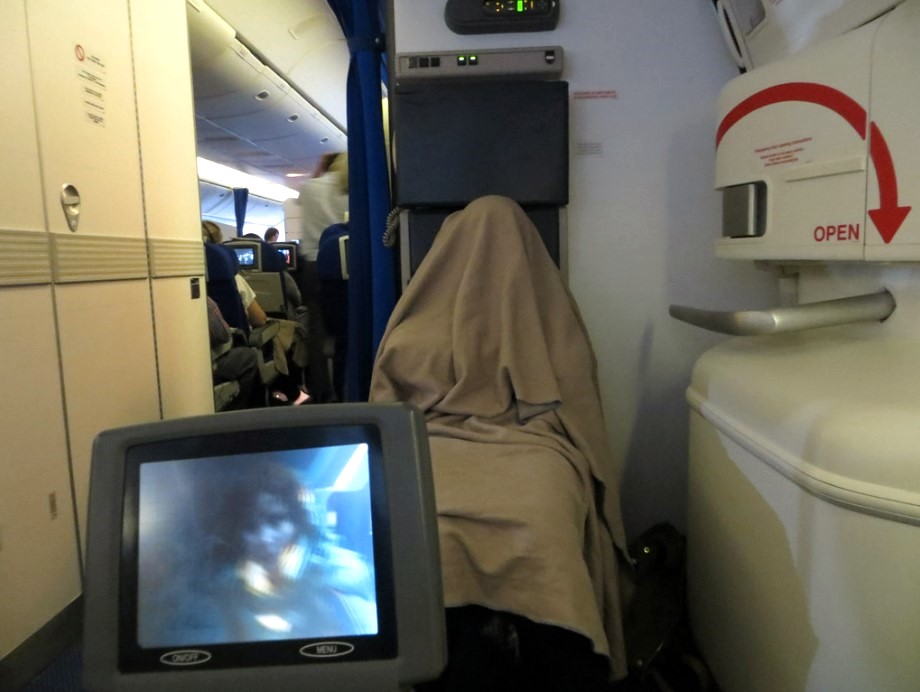
- Flight Attendant Stations: Jump seats are strategically positioned at designated flight attendant stations throughout the cabin, often near service areas or emergency exits. These seats are vital for flight attendants during critical phases of flight, such as takeoff and landing, to ensure they are securely positioned and ready to respond to any situation. They also provide a place for attendants to rest during long-haul flights when not actively engaged in passenger service.
- Auxiliary Seating for Crew: In some cases, particularly on smaller aircraft or during specific operational scenarios, jump seats might be used to accommodate additional crew members or essential personnel who are not occupying primary passenger seats.
- Emergency Evacuation Roles: The placement of jump seats near emergency exits underscores their role in facilitating rapid and efficient passenger evacuation. Flight attendants occupying these seats are in prime positions to direct passengers and open exit doors if necessary.
The design of cabin jump seats is similar to their cockpit counterparts, emphasizing foldability and secure restraint systems. They are engineered to be robust and reliable, capable of withstanding the rigors of frequent use and providing a safe haven for the crew.
Beyond Aviation: The Ubiquitous Jump Seat in Modern Society
The concept of a jump seat has permeated various other sectors, adapting to specific needs and contexts. Its core principle – providing a temporary or supplementary seating solution – remains consistent.
Industrial and Commercial Applications: Efficiency and Space Optimization
In industrial and commercial settings, jump seats often embody pragmatic solutions for space constraints and operational flexibility.
- Manufacturing and Assembly Lines: For workers who perform tasks that require periods of standing but also benefit from occasional rest, jump seats integrated into workstations can improve ergonomics and reduce fatigue. These might be simple stools that fold away or more elaborate, adjustable seats.
- Retail and Service Environments: In some customer-facing roles, such as behind service counters or in stockrooms, small, foldable jump seats can provide temporary seating for employees during lulls in activity, enhancing comfort without occupying valuable floor space.
- Vehicles and Transportation: Beyond aircraft, jump seats are found in a variety of other vehicles. Commercial trucks, for instance, often have a jump seat in addition to the primary driver and passenger seats, accommodating a third crew member or providing flexible cargo space. Some specialized vehicles, like shuttle buses or vans, may also incorporate jump seats for increased passenger capacity in specific configurations.
The design in these contexts is driven by practicality, durability, and cost-effectiveness. Materials are chosen for resilience, and the mechanisms for folding and unfolding are designed for ease of use and minimal maintenance.
Public Spaces and Event Venues: Flexibility and Crowd Management
In public and event-oriented environments, jump seats contribute to flexibility in seating arrangements and the management of large gatherings.

- Theaters and Auditoriums: While primary seating is the norm, some venues might have a limited number of jump seats available for overflow situations or for specific personnel like ushers or technical staff. These are often integrated into walls or aisles, designed to fold away discreetly when not in use.
- Sports Arenas and Stadiums: Similar to auditoriums, certain areas within sports venues, such as press boxes or specific operational zones, might feature jump seats for temporary occupants.
- Temporary Event Structures: For pop-up events, festivals, or outdoor concerts, temporary seating solutions might include jump seats, offering a basic but functional option for attendees who require a place to sit.
The emphasis in these public spaces is on ease of deployment, durability to withstand public use, and adherence to safety regulations for occupant capacity and stability.
The “Jump Seat” Mentality: A Technological Analogy
The concept of the jump seat extends beyond physical seating and can be metaphorically applied to technological solutions and approaches. This analogy highlights the spirit of adaptability, efficiency, and supplementary functionality that the term embodies.
Software and Application “Jump Seats”: Agile Solutions and Feature Augmentation
In the digital realm, the “jump seat” can represent tools or functionalities that provide quick, often temporary or supplementary, solutions within a larger software ecosystem.
- Quick-Access Features: Many applications offer “jump seat” functionalities – features that are not part of the core user interface but provide rapid access to specific tasks or information. Think of context menus that pop up with relevant actions, or keyboard shortcuts that trigger specialized commands. These are designed to expedite workflows without disrupting the main operational flow.
- Utility Apps and Add-ons: Smaller, specialized applications that augment the functionality of larger platforms can be considered technological jump seats. For instance, a browser extension that enhances productivity or a small utility app that performs a niche task within a broader workflow acts as a jump seat, offering targeted assistance without being the primary tool.
- Temporary Workarounds and Patches: In software development and IT support, a “jump seat” solution might refer to a quick fix or a temporary workaround implemented to address an immediate issue while a more permanent solution is developed. This spirit of improvisation and immediate problem-solving is akin to the function of a physical jump seat.
- Developer Tools and Debuggers: For software developers, various debugging tools and command-line utilities act as jump seats. They are not part of the end-user experience but are indispensable for developers to inspect, modify, and troubleshoot software in real-time. These tools allow developers to “jump in” and examine the inner workings of an application.
The core principle here is the provision of immediate, often specialized, functionality that enhances the overall utility or addresses specific pain points without requiring a fundamental overhaul of the primary system.
Hardware and Gadget “Jump Seats”: Complementary Devices and Power Solutions
In the world of hardware and gadgets, jump seats manifest as devices that complement primary equipment or provide essential supplementary functions.
- Portable Power Banks: A portable power bank is a classic example of a technological jump seat. It’s not the primary device you’re using (like your smartphone), but it provides essential supplementary power to keep your main device operational when away from a power source.
- Compact Peripherals: Small, portable keyboards or mice that can be easily connected to laptops or tablets to improve usability are analogous to jump seats. They offer enhanced functionality when needed but are easily stowed away.
- Docking Stations and Adapters: While more integrated, docking stations and a variety of adapters (USB-C hubs, HDMI adapters) can be seen as jump seats that expand the connectivity and functionality of a primary device like a laptop, allowing it to interface with a wider range of peripherals and displays.
- External Storage Devices: Portable hard drives or USB flash drives can act as jump seats for data. They provide quick and accessible storage solutions for transferring files or backing up important information, acting as a supplementary data repository.
These devices, while not the central focus of a user’s interaction, are vital for extending the capabilities, ensuring continuity of operation, and enhancing the overall user experience by providing on-demand functionality.
Considerations for Jump Seat Usage
Whether physical or digital, the deployment and use of jump seats come with specific considerations that ensure their effectiveness and safety.
Physical Jump Seats: Safety and Ergonomics
In any physical application, the safety and comfort of the occupant are paramount.
- Secure Restraint Systems: For any jump seat used during movement or in potentially hazardous environments, robust seatbelts or harnesses are non-negotiable to prevent injury.
- Ergonomic Design: While often temporary, jump seats should still consider basic ergonomics to prevent strain or discomfort, especially if used for extended periods.
- Clearance and Accessibility: The placement and design of jump seats must ensure they do not obstruct primary pathways or emergency exits, and that they can be easily deployed and stowed.
- Weight Limits and Capacity: Every jump seat has a specified weight limit. Exceeding this limit can compromise safety and lead to equipment failure.
Technological “Jump Seats”: Integration and Efficiency
In the tech world, the considerations are focused on how these supplementary tools enhance, rather than hinder, the overall experience.
- Seamless Integration: The most effective technological jump seats integrate smoothly with the primary system or application, offering an intuitive user experience.
- Performance Impact: Auxiliary tools should not significantly degrade the performance of the main system. Efficient design is key.
- Security and Reliability: For any software or hardware jump seat, security vulnerabilities or unreliability can be detrimental. They must be as robust and secure as the primary system they augment.
- User Training and Documentation: Even for simple jump seat functionalities, clear instructions or brief tutorials can significantly improve adoption and prevent misuse.
In conclusion, the jump seat, in its myriad forms, represents an essential concept of supplementary functionality, adaptability, and efficient resource utilization. From the critical operational needs in aviation to the pragmatic solutions in industry and the agile tools in technology, the jump seat embodies an ingenious approach to meeting demands where primary resources are limited or when specialized, rapid intervention is required. Understanding its diverse applications and the principles behind its design offers valuable insights into problem-solving and innovation across a wide spectrum of human endeavor.
aViewFromTheCave is a participant in the Amazon Services LLC Associates Program, an affiliate advertising program designed to provide a means for sites to earn advertising fees by advertising and linking to Amazon.com. Amazon, the Amazon logo, AmazonSupply, and the AmazonSupply logo are trademarks of Amazon.com, Inc. or its affiliates. As an Amazon Associate we earn affiliate commissions from qualifying purchases.